
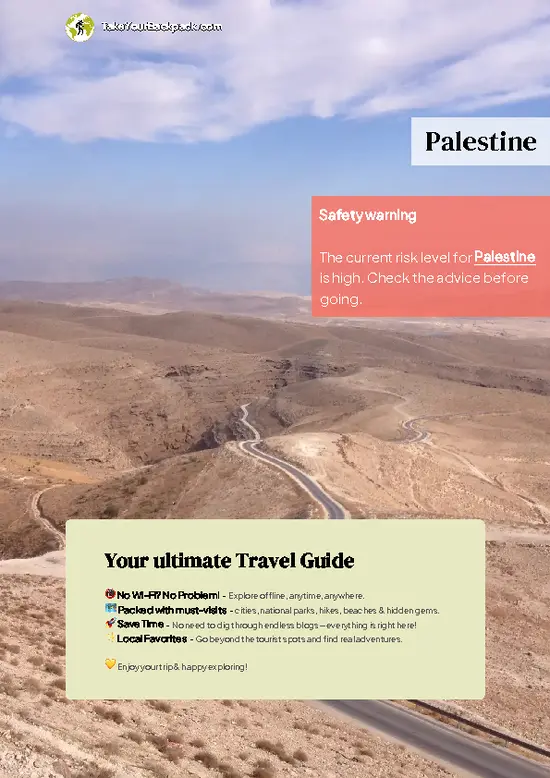
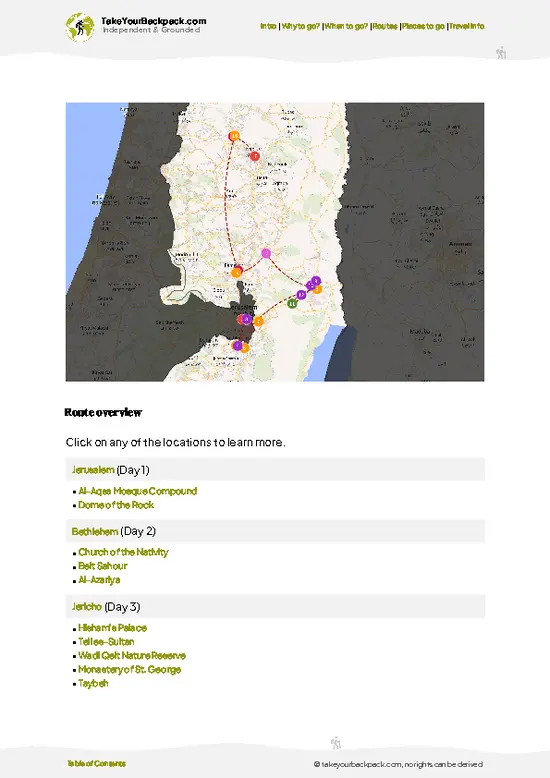
- Old town core (the stone alleys) — Narrow lanes lined with old limestone houses and shutters; wandering here gives the clearest sense of daily life, architecture and how the town grew over centuries.
- Anabta main market (the souq) — A small, lively market where locals buy vegetables, spices, olives and household goods; best on market days for people-watching and picking up affordable, authentic snacks.
- The Friday (Grand) Mosque — The town’s central mosque and social hub; beyond its architecture, visiting at non-prayer times lets you see how worship, community announcements and debates still shape public life.
- Tel Anabta (local archaeological mound) — A visible archaeological tell at the edge of the town; even if modest, the ruins and scattered finds connect the place to older settlement
- Old town core (the stone alleys) — Narrow lanes lined with old limestone houses and shutters; wandering here gives the clearest sense of daily life, architecture and how the town grew over centuries.
- Anabta main market (the souq) — A small, lively market where locals buy vegetables, spices, olives and household goods; best on market days for people-watching and picking up affordable, authentic snacks.
- The Friday (Grand) Mosque — The town’s central mosque and social hub; beyond its architecture, visiting at non-prayer times lets you see how worship, community announcements and debates still shape public life.
- Tel Anabta (local archaeological mound) — A visible archaeological tell at the edge of the town; even if modest, the ruins and scattered finds connect the place to older settlement layers and make a good short stop for anyone interested in history.
- Traditional olive groves and family presses — Anabta sits among old olive trees; during season you can visit small family presses, taste fresh oil, and see olive harvesting techniques that haven’t changed much in generations.
- Old Ottoman-era houses — Scattered classic stone homes with carved lintels and internal courtyards; many are privately lived in but visible from the street, and they illustrate local craftsmanship and domestic life of the 18th-19th centuries.
- Municipal square and community center — The town’s meeting place for events, seasonal concerts and local council activity; drop by to catch a local exhibition, a children’s game or midday tea with residents.
- Traditional bakeries and taboon ovens — Small family bakeries still make ka’ak, taboon breads and flatbreads; watching or joining the early-morning baking rush is an intimate, tasty way to connect with local rhythms.
- Martyrs’ memorial and communal cemetery — A sober, important place that preserves local memory; visiting and reading inscriptions gives perspective on modern local history and the families who shaped the town.
- Wadi walks and nearby green pockets — Short, accessible walks into the wadis that cut through or border Anabta; good for a quiet picnic, birdwatching and to see how locals use those green corridors for grazing and seasonal crops.
Spotted a mistake or missing something? Contact us.

 Best Backpacking
 Hi, I’m Johan (Netherlands 🇳🇱), the creator of TakeYourBackpack. Over the past 3 decades, I’ve backpacked through 90+ countries across six continents, gaining extensive experience with independent travel, long-term trips, and overland routes.