×

Palestine🇵🇸 | townsBeit Ummarvineyards, produce market, hillside farms | things to do and best time to go

Explore Al-KhaderExplore Yatta

Backpacking in Beit Ummar
👍 Recommendedtown ranked #15
By Johan Kruseman 🇳🇱 | Updated October 15, 2026

Your first real decision in Beit Ummar is whether to treat it as a quick roadside pause on Highway 60 or to actually step off the asphalt and stay long enough to taste the dust, the grapes, and the politics. It sits between Hebron and Bethlehem in the southern West Bank, a hill town of terraces and traffic fumes where agriculture and occupation shape daily life more than tourism ever has. For backpackers, it’s less a “destination” and more a lived-in waypoint: a practical stop if you’re moving overland between Hebron, Bethlehem, and the Gush Etzion junction, or if you want a base close to rural landscapes and farm visits without the intensity of Hebron’s old city. The upside is raw authenticity, cheap falafel, and the chance to walk among vineyards and olive groves that smell of earth and woodsmoke at sunset; the downside is minimal infrastructure for travelers, occasional tension on the main road, and almost no hostel scene, so you’re unlikely to bump into other backpackers unless you’re with a volunteer group or local contact. Compared with Bethlehem’s churches and cafés or Hebron’s dense old market, Beit Ummar feels more agricultural and residential, quieter at night, and logistically useful if you’re comfortable with shared taxis and asking drivers to drop you at the right junction rather than expecting clear signs or English everywhere.

Discover everything you want to know in the 📖 Palestine Travel Guide.
Safety warning

The current risk level for Palestine is high. Check the advice before going.


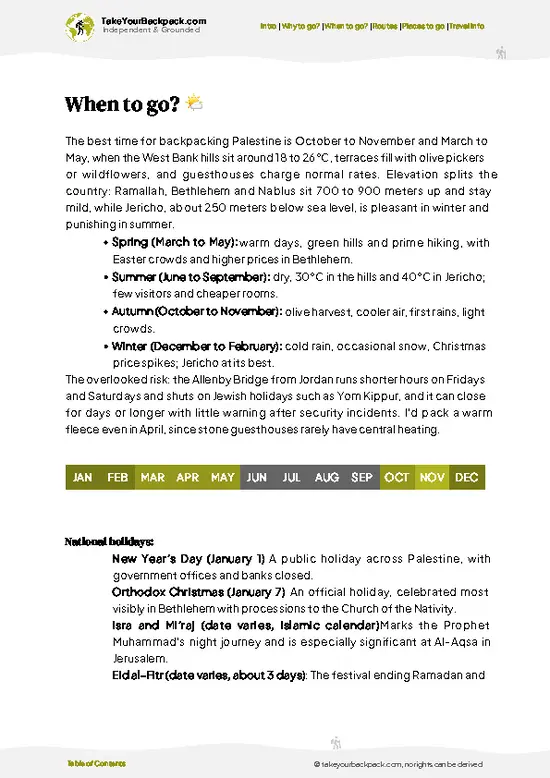
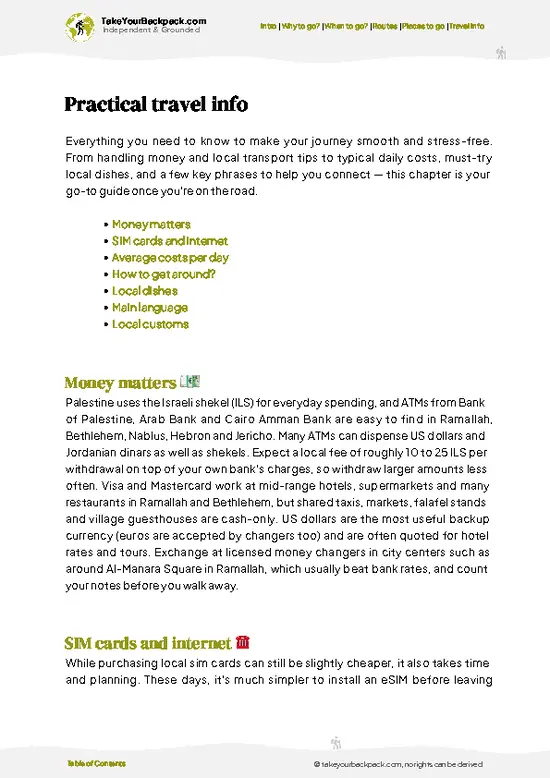
example page 0 from our offline Travel Guide for Palestine
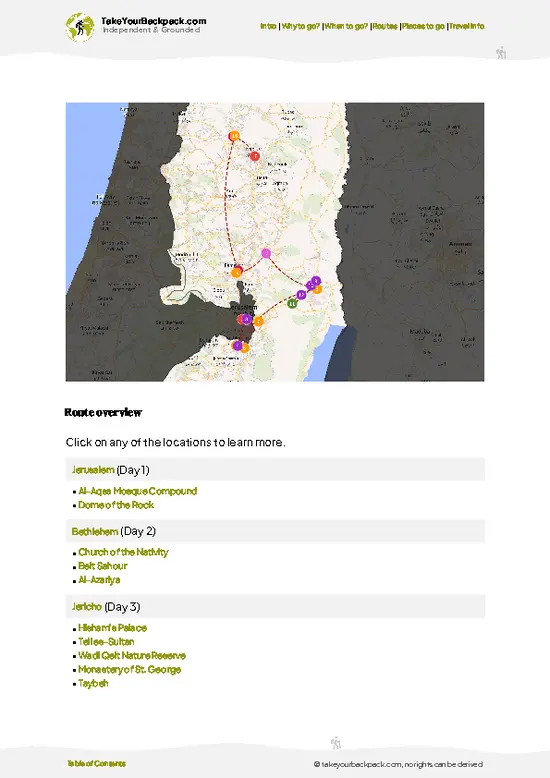
example page 1 from our offline Travel Guide for Palestine
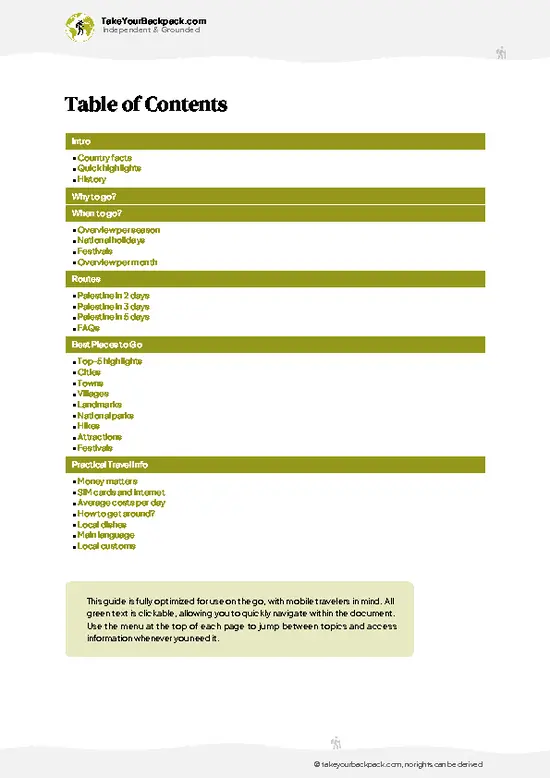
example page 2 from our offline Travel Guide for Palestine
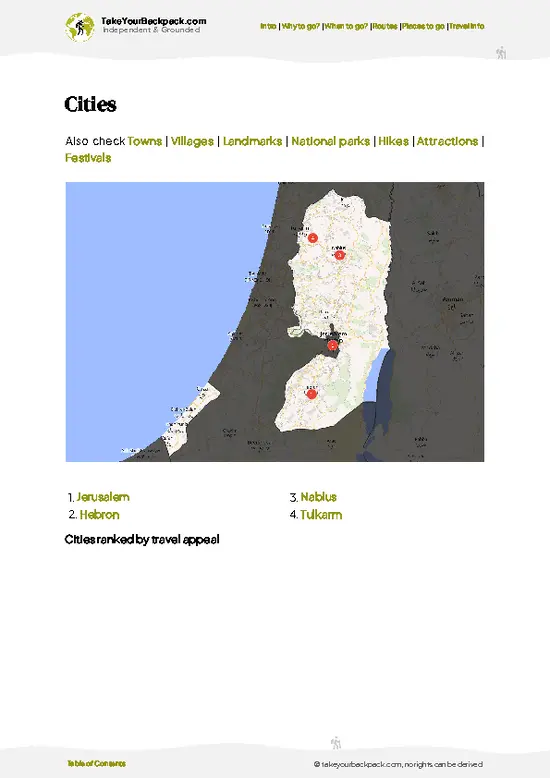
example page 3 from our offline Travel Guide for Palestine
example page 4 from our offline Travel Guide for Palestine
example page 5 from our offline Travel Guide for Palestine
example page 6 from our offline Travel Guide for Palestine
example page 7 from our offline Travel Guide for Palestine
Loading the map 🌍
CLICK TO FILTER
cities
towns
villages
landmarks
national parks
hikes
attractions
festivals
SHOW COUNTRY’S BESTSHOW ALL

✨ Why go?
Ranked #15 town in Palestine
Why visitors keep coming back

Backpackers flock to Beit Ummar for its strategic location near stunning hikes and cultural sites. The walkable streets invite exploration, while small-scale guesthouses offer a cozy, communal vibe. You can savor local dishes at family-run eateries, where the aroma of spices fills the air. Travelers often stay a few days, soaking in the friendly atmosphere and connecting with locals. It’s perfect for slow travelers and solo adventurers seeking a genuine experience. While it’s not a nightlife hub, the town’s charm lies in its authenticity, making it a rewarding stop on your journey through Palestine.

💡 HighlightsDon't-miss highlights and experiences

  1. Olive groves and family olive presses — Beit Ummar’s landscape is dominated by working olive trees; walking the groves and visiting small family presses during harvest shows traditional pressing methods, local olive oil tasting, and the rhythms of rural life.
  2. Old town stone lanes and rooftop views — The compact historic core has narrow alleys and old stone houses where you can wander, climb rooftops for views across the Hebron hills, and see everyday life unfolding in a traditional Palestinian town.
  3. Local souq (market) and produce stalls — The town market is where farmers sell seasonal fruit, vegetables, olives and preserves; it’s the clearest way to meet locals, taste products in situ, and feel the town’s agricultural pulse.
  4. Vineyards and grape-drying yards — Beit Ummar is known for
… read more 👉
  1. Olive groves and family olive presses — Beit Ummar’s landscape is dominated by working olive trees; walking the groves and visiting small family presses during harvest shows traditional pressing methods, local olive oil tasting, and the rhythms of rural life.
  2. Old town stone lanes and rooftop views — The compact historic core has narrow alleys and old stone houses where you can wander, climb rooftops for views across the Hebron hills, and see everyday life unfolding in a traditional Palestinian town.
  3. Local souq (market) and produce stalls — The town market is where farmers sell seasonal fruit, vegetables, olives and preserves; it’s the clearest way to meet locals, taste products in situ, and feel the town’s agricultural pulse.
  4. Vineyards and grape-drying yards — Beit Ummar is known for its grapes; visiting small vineyards and the outdoor yards where grapes are dried or processed gives insight into seasonal work and regional food traditions.
  5. Family-run olive-oil cooperatives and small workshops — Modest local cooperatives and workshops process, bottle, and sometimes sell olive oil and preserves; they’re practical places to learn production steps and pick up authentic local products.
  6. Village mosques and communal squares — The town’s mosques and adjacent squares are social anchors where you can observe local gatherings, weekly rhythms, and community life in a way museums don’t capture.
A few real, visitable day-trip highlights just outside Beit Ummar are Hebron Old City and the Ibrahimi (Cave of the Patriarchs), the archaeological area of Tel Rumeida, and the Herodium; my personal favorite for a day trip is Hebron Old City.
Spotted a mistake or missing something? Contact us.

🏘️ NeighborhoodsHow different areas shape the experience

Beit Ummar offers a unique blend of culture and community, perfect for backpackers seeking authentic experiences.

Downtown Beit Ummar: This area pulses with local life. You’ll find bustling markets and street vendors. It’s walkable, with affordable eateries. The vibe is lively during the day but quiets down at night, making it ideal for short stays.

Al-Masara: A bit more laid-back, Al-Masara is perfect for those wanting a slower pace. The streets are lined with olive trees, and you can soak in the local atmosphere. It’s less touristy, offering a more genuine experience. Transport options are limited, so plan to walk or bike.

Beit Ummar Heights: For stunning views and a peaceful retreat, head here. It’s a bit of a trek uphill, but the panoramic sights are worth it. Ideal for longer stays, … read more 👉
Beit Ummar offers a unique blend of culture and community, perfect for backpackers seeking authentic experiences.

Downtown Beit Ummar: This area pulses with local life. You’ll find bustling markets and street vendors. It’s walkable, with affordable eateries. The vibe is lively during the day but quiets down at night, making it ideal for short stays.

Al-Masara: A bit more laid-back, Al-Masara is perfect for those wanting a slower pace. The streets are lined with olive trees, and you can soak in the local atmosphere. It’s less touristy, offering a more genuine experience. Transport options are limited, so plan to walk or bike.

Beit Ummar Heights: For stunning views and a peaceful retreat, head here. It’s a bit of a trek uphill, but the panoramic sights are worth it. Ideal for longer stays, this area is quieter, with fewer amenities but a chance to connect with nature.

⌛️ 1 day1-day itinerary for Beit Ummar

Beit Ummar, a small town in Palestine, pulses with the everyday rhythm of life, offering a glimpse into local culture away from the usual tourist paths. Start your morning at the bustling market, where the scent of fresh za’atar and warm bread fills the air. Engage with friendly vendors; they’re eager to share stories about their produce.

After grabbing a bite, wander through the narrow streets of the old neighborhoods. The sun filters through the olive trees, casting playful shadows. Stop by the local mosque, where the intricate tile work tells tales of history.

In the afternoon, head to the nearby agricultural fields. Here, you can join a community farming initiative, learning about traditional practices while connecting with locals. The laughter and camaraderie are infectious.

As … read more 👉
Beit Ummar, a small town in Palestine, pulses with the everyday rhythm of life, offering a glimpse into local culture away from the usual tourist paths. Start your morning at the bustling market, where the scent of fresh za’atar and warm bread fills the air. Engage with friendly vendors; they’re eager to share stories about their produce.

After grabbing a bite, wander through the narrow streets of the old neighborhoods. The sun filters through the olive trees, casting playful shadows. Stop by the local mosque, where the intricate tile work tells tales of history.

In the afternoon, head to the nearby agricultural fields. Here, you can join a community farming initiative, learning about traditional practices while connecting with locals. The laughter and camaraderie are infectious.

As evening approaches, find a cozy café. Sip on mint tea while watching the sunset paint the sky. This is where the day’s experiences coalesce, leaving you with a sense of belonging and a deeper appreciation for the heart of Beit Ummar.

🌤️ When to go?Weather, crowds, and seasonal trade-offs

  • Weather: Spring (March to May) and autumn (September to November) offer mild temperatures, usually between 15-25°C (59-77°F), avoiding the harsh summer heat that can soar above 35°C (95°F).
  • Daylight Hours: Longer days in spring and autumn provide 11-13 hours of light, perfect for exploring without rushing before sunset.
  • Crowds: Tourist numbers peak in summer, making spring and autumn quieter, so you get more authentic interactions and less noise.
  • Seasonal Activities: Harvest season in late summer and early autumn fills the air with olive and grape scents, offering unique local experiences and fresh produce.
  • Price Fluctuations: Accommodation and transport costs dip outside the summer peak, making spring and autumn more budget-friendly without sacrificing comfort.
Pro-tip: Aim for early … read more 👉
  • Weather: Spring (March to May) and autumn (September to November) offer mild temperatures, usually between 15-25°C (59-77°F), avoiding the harsh summer heat that can soar above 35°C (95°F).
  • Daylight Hours: Longer days in spring and autumn provide 11-13 hours of light, perfect for exploring without rushing before sunset.
  • Crowds: Tourist numbers peak in summer, making spring and autumn quieter, so you get more authentic interactions and less noise.
  • Seasonal Activities: Harvest season in late summer and early autumn fills the air with olive and grape scents, offering unique local experiences and fresh produce.
  • Price Fluctuations: Accommodation and transport costs dip outside the summer peak, making spring and autumn more budget-friendly without sacrificing comfort.
Pro-tip: Aim for early autumn when the light softens, the air smells of ripening fruit, and the village feels alive but not overwhelmed—this is when Beit Ummar’s soul really shows.


source: climatestotravel.comJANJanuary: fair for travelingFEBFebruary: fair for travelingMARMarch: highly recommended for travelingAPRApril: excellent for travelingMAYMay: excellent for travelingJUNJune: good for travelingJULJuly: fair for travelingAUGAugust: fair for travelingSEPSeptember: excellent for travelingOCTOctober: excellent for travelingNOVNovember: highly recommended for travelingDECDecember: fair for traveling
when-to-go

✈️ The backpacker research shortcutPalestine Travel Guide

An offline-friendly backpacking guide with optimized travel routes, ranked highlights, transport advice, and the best areas to stay.
example page 0 from our offline Travel Guide for Palestine
example page 1 from our offline Travel Guide for Palestine
example page 2 from our offline Travel Guide for Palestine
example page 3 from our offline Travel Guide for Palestine
example page 4 from our offline Travel Guide for Palestine
example page 5 from our offline Travel Guide for Palestine
example page 6 from our offline Travel Guide for Palestine
example page 7 from our offline Travel Guide for Palestine
The digital guide (246 pages) contains:
✅ 61 highlights, ranked by travel appeal
✅ Optimized 2, 3 & 5-day travel routes
✅ Cities, national parks, landmarks, beaches
✅ How to get around
✅ Offline-friendly for travel without Wi-Fi
👉 Click to see all 30+ guide features

📅 Plan smarter in minutes, not weeks
✅ Month by month travel advice
✅ Festivals & national holidays
✅ Budget expectations

🗺️ Go to the right places, skip the overrated ones
✅ Honest pros & cons of destinations
✅ Top hikes, parks & viewpoints
✅ Lesser-known places most travelers miss
✅ Clear “worth it vs skip it” guidance

🛏️ Travel smoothly without rookie mistakes
✅ Best areas to stay
✅ Transport systems explained simply
✅ Common scams & safety advice
✅ SIM cards, money & practical tips

🌍 Understand the country, not just visit it
✅ Culture & traditions
✅ 52 Essential phrases & customs
✅ Festivals worth planning around
✅ Traveler-friendly historical context
✅ Insights that make places more meaningful

📱 Built for real travel conditions
✅ Fully downloadable PDF
✅ Works completely offline
✅ Optimized for phone use
✅ Useful in remote areas & buses
✅ Everything in one place
Stop searching, start planning
Get instant access to your full guide. 30‑day money-back guarantee.
+ Add another guide for just

By proceeding you agree to our terms.
Sent to your inbox immediately after payment • 100% Secure Checkout
Best Backpacking Travel Advisor 2025 tourism awardBest Backpacking
Travel Advisor
2025
What others say about Take Your Backpack Guides:
⭐⭐⭐⭐⭐
Fantastic, amazing amount of information!
⭐⭐⭐⭐⭐
My goodness this is amazing, it's what I've been looking for hats off too you!
⭐⭐⭐⭐⭐
I think this is absolutely BRILLIANT
⭐⭐⭐⭐
Very complete and informative. It's still missing places, but I gotta to commend you
⭐⭐⭐⭐⭐
This is truly amazing, thank you, can't wait to explore it with my kids!
⭐⭐⭐⭐⭐
Awesome resource, thank you!
⭐⭐⭐⭐⭐
This is amazing! Can't wait to explore the ones I haven't seen
⭐⭐⭐⭐
I love this! Well done, great idea.
⭐⭐⭐⭐⭐
Thanks for taking the time to make this gem!
⭐⭐⭐⭐⭐
This might be the best website I've ever seen.
⭐⭐⭐⭐⭐
Congratulations, and thank you so much for your work; it's incredibly valuable.
⭐⭐⭐⭐
In all seriousness I think you did a great job pointing out the important spots
⭐⭐⭐⭐⭐
10/10 very good
⭐⭐⭐⭐⭐
As someone who's only just starting to visit regularly this is awesome, thank you.
⭐⭐⭐⭐
Thank you very much! I'm going to visit my dad, it's going to be very useful!
⭐⭐⭐⭐⭐
This is really cool! We'll be travelling for the first time and this definitely come in handy.
⭐⭐⭐⭐⭐
You are now our minister of culture, congratulations 👨‍💼
⭐⭐⭐⭐⭐
Just wanted to tell you that this is a pearl! Going to follow your recommendations.
⭐⭐⭐⭐⭐
This is so cool. I'll definitely be using the resource for my travels soon.
⭐⭐⭐⭐⭐
This is very impressive! Good work.
⭐⭐⭐⭐⭐
This is an amazing and informative site. Very well done!

🛏️ Where to stay?Choosing the right base

Beit Ummar’s heart for backpackers pulses strongest near its central market area. This neighborhood hums with daily life—the scent of fresh za’atar and warm bread wafting through narrow streets, locals chatting over steaming cups of tea. It’s where you’ll find the safest, most social vibe, perfect for solo travelers craving connection without the tourist gloss. Hostels here are modest but welcoming, offering a chance to swap stories with fellow wanderers over shared meals. Compared to quieter, more residential outskirts, this area keeps you plugged into the town’s rhythm, making every step outside … read more 👉
Beit Ummar’s heart for backpackers pulses strongest near its central market area. This neighborhood hums with daily life—the scent of fresh za’atar and warm bread wafting through narrow streets, locals chatting over steaming cups of tea. It’s where you’ll find the safest, most social vibe, perfect for solo travelers craving connection without the tourist gloss. Hostels here are modest but welcoming, offering a chance to swap stories with fellow wanderers over shared meals. Compared to quieter, more residential outskirts, this area keeps you plugged into the town’s rhythm, making every step outside your door feel like an invitation to dive deeper into authentic Palestinian life.

🚌 Getting aroundHow to get from A to B

Beit Ummar moves at the pace of the sun—steady, unhurried, with moments of sharp bustle around market stalls and mosque calls. The town’s rhythm isn’t dictated by strict timetables but by the ebb and flow of daily life, where a shared ride might leave when it’s full, not on the clock. The scent of olive groves mingles with the dust kicked up by passing cars, and the light shifts from the soft gold of morning to the harsh midday glare, making timing your travel a matter of reading the day as much as the schedule.
  • Shared Taxis (Service Taxis): These are the lifeblood of Beit Ummar’s transit—cheap (around 5-10 ILS), frequent, and flexible. They don’t run on a strict timetable; instead, they leave once full, so expect some waiting but also the chance to chat with locals. They run from early morning
… read more 👉
Beit Ummar moves at the pace of the sun—steady, unhurried, with moments of sharp bustle around market stalls and mosque calls. The town’s rhythm isn’t dictated by strict timetables but by the ebb and flow of daily life, where a shared ride might leave when it’s full, not on the clock. The scent of olive groves mingles with the dust kicked up by passing cars, and the light shifts from the soft gold of morning to the harsh midday glare, making timing your travel a matter of reading the day as much as the schedule.
  • Shared Taxis (Service Taxis): These are the lifeblood of Beit Ummar’s transit—cheap (around 5-10 ILS), frequent, and flexible. They don’t run on a strict timetable; instead, they leave once full, so expect some waiting but also the chance to chat with locals. They run from early morning until dusk.
  • Local Buses: Less frequent and a bit slower, local buses connect Beit Ummar to Hebron and nearby villages. They start around 6 AM and taper off by early evening. Tickets cost about 6-8 ILS. They’re a good option if you want a set route without the unpredictability of shared taxis.
  • Walking: The town’s compact center is best explored on foot. Walking lets you soak in the olive-scented air and catch the subtle shifts in light on stone walls. Distances to key spots like markets or cafes are short, making this the most immersive and zero-cost way to move around.
  • Private Taxi: For faster, more comfortable rides—especially if you’re carrying gear or traveling late—private taxis are available but pricier (starting around 30 ILS). They run 24/7 and offer direct routes without stops, perfect for tight schedules or early departures.

👛 Costs (as of 15 October 2026)Typical daily expenses

Backpacking in Beit Ummar, Palestine, offers a raw, grounded experience where every dollar counts and every shekel stretches. Here’s how your daily budget typically breaks down for an independent traveler navigating this town’s rhythms.
  • Dorm Accommodation: Dorm-style lodging options are scarce in Beit Ummar itself, so expect to pay around €10-15 ($11-17) for a basic guesthouse or a simple room in nearby Hebron. These places are modest but clean, often family-run, giving you a direct connection to local life without the tourist gloss.
  • Meals: Eating local is both a cultural immersion and a budget saver. A hearty falafel sandwich or a plate of musakhan from a street vendor will run you about €2-3 ($2.20-3.30). For a sit-down meal with fresh bread, olives, and a simple stew, budget €5-7 ($5.
… read more 👉
Backpacking in Beit Ummar, Palestine, offers a raw, grounded experience where every dollar counts and every shekel stretches. Here’s how your daily budget typically breaks down for an independent traveler navigating this town’s rhythms.
  • Dorm Accommodation: Dorm-style lodging options are scarce in Beit Ummar itself, so expect to pay around €10-15 ($11-17) for a basic guesthouse or a simple room in nearby Hebron. These places are modest but clean, often family-run, giving you a direct connection to local life without the tourist gloss.
  • Meals: Eating local is both a cultural immersion and a budget saver. A hearty falafel sandwich or a plate of musakhan from a street vendor will run you about €2-3 ($2.20-3.30). For a sit-down meal with fresh bread, olives, and a simple stew, budget €5-7 ($5.50-7.70). Fresh fruit and local tea are cheap and refreshing extras.
  • Local Transport: Public transport is informal here—shared taxis and minibuses dominate. A typical ride within Beit Ummar or to Hebron costs around €0.50-1 ($0.55-1.10). If you’re hopping between villages or heading to markets, expect to pay a bit more, up to €3 ($3.30), depending on distance and negotiation skills.
  • Basic Activities/Entry Fees: Beit Ummar itself is more about wandering and absorbing the atmosphere than formal attractions. Visiting local markets or olive groves is free, but if you want to explore nearby historical sites or museums in Hebron, entry fees range from €2-5 ($2.20-5.50). Guided tours, if you opt for them, will add to this but are negotiable.
  • Miscellaneous Expenses: Water bottles, snacks, and small souvenirs like olive oil or handmade crafts typically cost €1-3 ($1.10-3.30). Keep some cash handy for unexpected expenses like phone credit or a quick coffee break.

All told, you’re looking at a daily budget of roughly €20-30 ($22-33) to cover the essentials without cutting corners. This range lets you stay comfortably connected to the local pulse while keeping your wallet intact. The simplicity of Beit Ummar means your biggest investment is time and curiosity, not just money.
⚠️ Prices can change and everyone travels differently, so take this as a rough guide. Hope it helps you plan your adventure!

🚌 Day tripsBest day trips from Beit Ummar

Beit Ummar is a fantastic base for exploring the rich tapestry of Palestine. The town’s central location makes it easy to access some truly remarkable day trips.

Hebron
Just a 30-minute bus ride away, Hebron is a must-visit for its vibrant souks and the historic Cave of the Patriarchs. The scent of spices fills the air as you navigate the bustling market, where bargaining is part of the fun. Expect to spend around $5 on transport and a few dollars more for lunch. The best time to visit is in spring when the weather is mild and the streets are alive with locals. A common mistake? Skipping the guided tours that provide context to the complex history.
👉 Explore Hebron

Jerusalem
In about an hour, you can reach Jerusalem, a city steeped in history and spirituality. Walk through the Old City’s … read more 👉
Beit Ummar is a fantastic base for exploring the rich tapestry of Palestine. The town’s central location makes it easy to access some truly remarkable day trips.

Hebron
Just a 30-minute bus ride away, Hebron is a must-visit for its vibrant souks and the historic Cave of the Patriarchs. The scent of spices fills the air as you navigate the bustling market, where bargaining is part of the fun. Expect to spend around $5 on transport and a few dollars more for lunch. The best time to visit is in spring when the weather is mild and the streets are alive with locals. A common mistake? Skipping the guided tours that provide context to the complex history.
👉 Explore Hebron

Jerusalem
In about an hour, you can reach Jerusalem, a city steeped in history and spirituality. Walk through the Old City’s narrow streets, where the light filters through ancient stone, casting a warm glow. Budget around $10 for transport and a few bucks for street food. Fall is ideal, with fewer tourists and pleasant weather. Many first-timers miss the chance to explore the lesser-known neighborhoods, which offer a more authentic experience.
👉 Explore Jerusalem

Bethlehem
Just 20 minutes away, Bethlehem is famous for its rich religious heritage and the Church of the Nativity. The atmosphere is electric, especially during Christmas, but visiting in the off-season allows for a more intimate experience. Expect to spend about $5 on transport. A common oversight is sticking to the main attractions; venture into local cafes for a taste of traditional Palestinian cuisine.
👉 Explore Bethlehem

Mount Hebron
For the adventurous, a hike up Mount Hebron offers stunning views and a chance to connect with nature. The trailhead is a short bus ride away, and the hike takes about 3-4 hours round trip. Bring snacks, as you’ll want to linger at the summit. Costs are minimal, around $5 for transport. Many overlook the importance of starting early to avoid the midday heat.

🛡️ SafetyScams, Hazards, and Annoyances

Beit Ummar is generally safe, but staying aware enhances your experience. Stick to well-lit areas at night, especially if you’re solo; the streets can feel quiet, and a little caution goes a long way.

While scams are rare, be mindful of overly friendly locals who might steer you toward shops with inflated prices. Trust your instincts—if something feels off, it probably is. Carry yourself confidently, engage with locals, and you’ll find the warmth of the community outweighs any minor annoyances.

FAQTraveler FAQ

Beit Ummar is worth visiting for its authentic Palestinian village atmosphere and historical sites, not just a stopover. It offers a glimpse into rural life and traditional agriculture, with notable olive groves and local markets.
One to two days are sufficient to explore Beit Ummar, allowing time to visit local landmarks like the ancient olive trees and interact with residents. This duration also accommodates a relaxed pace to experience the village culture.
Yes, Beit Ummar can be visited as a day trip from nearby cities such as Hebron, which is about 10 kilometers away. The trip is manageable by car or local taxi, making it convenient for a short cultural excursion.
⚠️ Things can change over time, so always validate details locally before you go.

Other Palestinian towns near Beit Ummar

Explore more nearby:

  • Halhul—high elevation, grape harvest, mosque minaret| 6 km away
  • Al-Khader—monastery, grape arbors, roadside stalls| 9 km away
  • Battir—terraced fields, irrigation channels, railway line| 10 km away

💡 Not sure where to go next?
Create a personalized itinerary for Palestine including Beit Ummar and the places that fit your trip.

Generate my itinerary

👉 Discover all towns

Or checkout all Palestine has to offer (think cities, towns, villages, national parks, hikes, beaches, festivals)
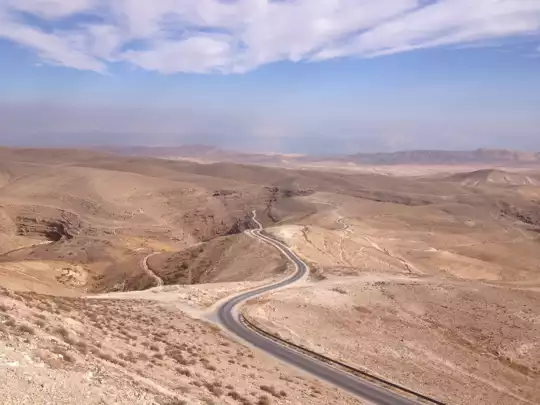
Country photo of Palestine

We 💚 feedbackParting advice and final tips

Beit Ummar is a tapestry of resilience, where the scent of fresh za’atar fills the air and the warmth of local hospitality wraps around you. But be prepared: the political tension can be palpable. Embrace it; it’s part of the story. The depth you’ll find here is worth every moment.

✈️ When did I visit Palestine?
I visited Palestine (West Bank) in October 2013 in the same trip as I backpacked through Israel.

✍️ Help improve this page!
The information on this page is based on my own backpacking experience in Palestine, supplemented with up-to-date research and feedback from other travelers. Travel details can change, so if you notice anything outdated or incomplete, feel free to let me know.


🙋‍♂️ Give feedback

👋 Meet the founderWho’s Behind Take Your Backpack?

Johan, backpacker and founder of TakeYourBackpackHi, I’m Johan (Netherlands 🇳🇱), the creator of TakeYourBackpack. Over the past 3 decades, I’ve backpacked through 90+ countries across six continents, gaining extensive experience with independent travel, long-term trips, and overland routes.

This site is built on a combination of firsthand travel experience and carefully curated insights from other backpackers. Many guides are based on places I’ve personally visited, while others bring together tips, observations, and practical advice shared by trusted travelers I’ve met along the way.

The goal is to provide realistic, experience-driven guidance — not generic itineraries — so you can explore destinations with better context, clearer expectations, and more confidence.