
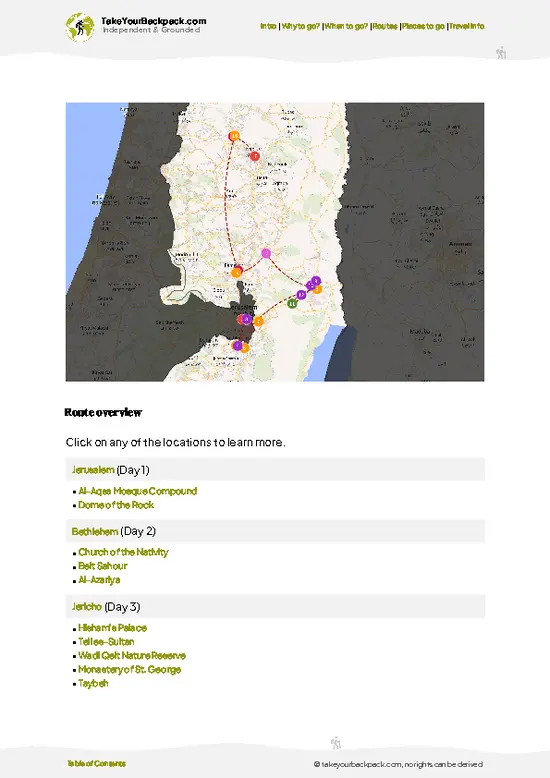
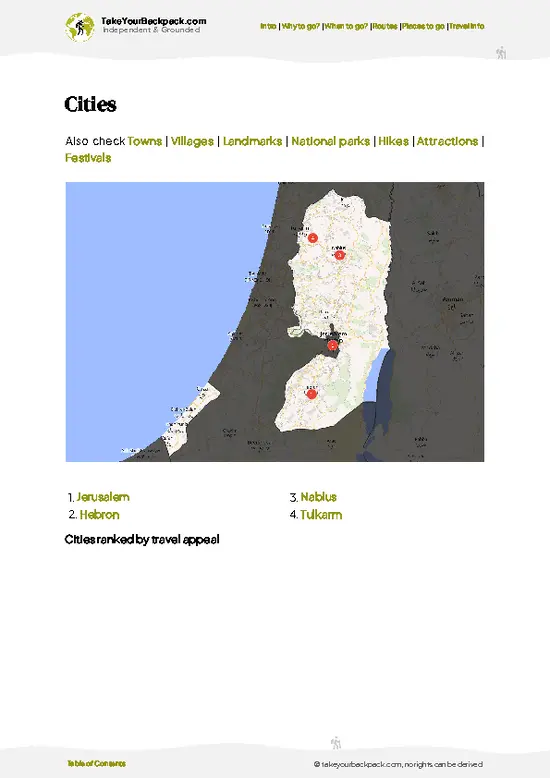
- Jabal (Mount) Halhul viewpoint — The town literally sits on a high ridge; walk up to the ridge or one of the lookout points for sweeping views over Hebron’s valleys and terraced fields. Best at sunset when the light paints the stone houses warm orange.
- Maqam Nabi Yunis (the local shrine of Prophet Jonah) — A quietly important local maqam and mosque site tied to folk memory; worth visiting for the courtyard, the simple architecture, and to see how religious tradition layers onto everyday town life.
- The old-town lanes and stone houses — Halhul’s narrow alleys, arched doorways and flat-roofed stone homes are the clearest way to feel the town’s character: people sitting on thresholds, rooftop views, and small family workshops tucked into corners.
- Halhul caves and rock-cut features — Around
- Jabal (Mount) Halhul viewpoint — The town literally sits on a high ridge; walk up to the ridge or one of the lookout points for sweeping views over Hebron’s valleys and terraced fields. Best at sunset when the light paints the stone houses warm orange.
- Maqam Nabi Yunis (the local shrine of Prophet Jonah) — A quietly important local maqam and mosque site tied to folk memory; worth visiting for the courtyard, the simple architecture, and to see how religious tradition layers onto everyday town life.
- The old-town lanes and stone houses — Halhul’s narrow alleys, arched doorways and flat-roofed stone homes are the clearest way to feel the town’s character: people sitting on thresholds, rooftop views, and small family workshops tucked into corners.
- Halhul caves and rock-cut features — Around the town are caves and carved cisterns used historically for storage and burial; they’re tangible, photogenic reminders of long-term settlement and make for short exploratory walks (bring a torch and a local guide if you can).
- Ancient cisterns and water channels — Look for the old stone cisterns and rain-water channels hidden in alleys and fields; they tell the practical story of how locals historically managed scarce water and are interesting to see up close.
- The local souq and bakeries — Halhul’s small market stalls and family bakeries are where the town really comes alive: morning bread, piles of olives and za’atar, and chance conversations with vendors. It’s low-budget, sensory, and very real.
- Olive groves and traditional presses — The olive terraces around Halhul are iconic. In season you can join an olive-picking or visit a small press to taste fresh oil and watch age-old processing methods that are still used by families.
- Historic mosques and madrasas — The town’s older mosques and informal religious schools are modest but meaningful: look for carved stonework, communal courtyards, and daily rhythms (call to prayer, study groups) that anchor community life.
- Terraced fields and rural walking routes — Short hikes out of town take you through layered terraces, fig and pomegranate plots, and quiet rural lanes—great for low-effort hiking with local scenery and photographer-friendly views.
- Local coffeehouses and family restaurants — The simplest cultural highlight: sit with a tea or a plate of mezze, listen to conversation, and try local sweets. These low-key spots are where hospitality and stories happen—often the most memorable part of a visit.
Spotted a mistake or missing something? Contact us.

 Best Backpacking
 Hi, I’m Johan (Netherlands 🇳🇱), the creator of TakeYourBackpack. Over the past 3 decades, I’ve backpacked through 90+ countries across six continents, gaining extensive experience with independent travel, long-term trips, and overland routes.