
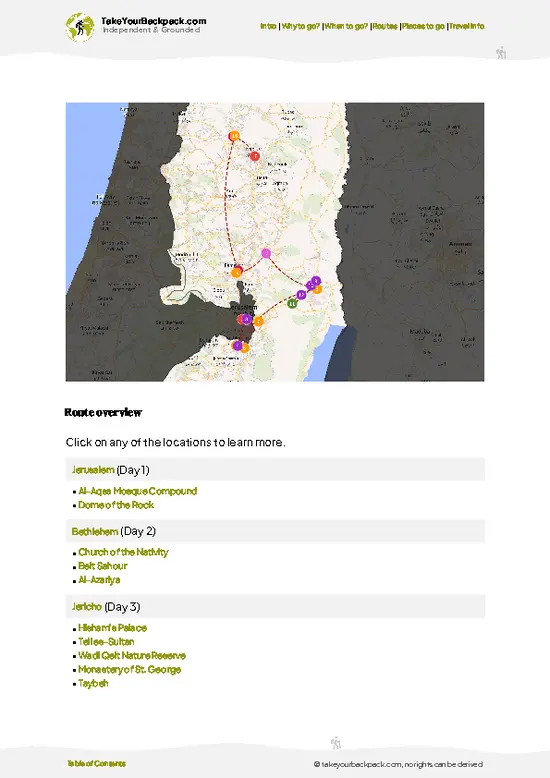
- Vaulted courtyard and arches — The heart of the khan: an open, stone-paved courtyard ringed by thick walls and a series of arches and vaults. It’s where travelers, animals and traders would have stopped, and today the light and shadow on the masonry make it a really atmospheric place to sit and imagine the past. (My personal favorite.)
- Typical caravanserai architecture — Look for the heavy stone blocks, barrel vaults and narrow passageways that show practical, local building skills. The design is simple but effective for sheltering people, animals and goods — a clear reminder of how travel worked before paved roads and cars.
- Cisterns and water channels — Small carved cisterns and drainage traces are often visible; these clever water-management features were essential for a roadside inn
- Vaulted courtyard and arches — The heart of the khan: an open, stone-paved courtyard ringed by thick walls and a series of arches and vaults. It’s where travelers, animals and traders would have stopped, and today the light and shadow on the masonry make it a really atmospheric place to sit and imagine the past. (My personal favorite.)
- Typical caravanserai architecture — Look for the heavy stone blocks, barrel vaults and narrow passageways that show practical, local building skills. The design is simple but effective for sheltering people, animals and goods — a clear reminder of how travel worked before paved roads and cars.
- Cisterns and water channels — Small carved cisterns and drainage traces are often visible; these clever water-management features were essential for a roadside inn and tell you how the place kept going through dry seasons. For anyone interested in vernacular engineering, it’s a neat detail.
- Views over olive terraces and farmland — Khan al-Lubban sits surrounded by patchwork fields and olive groves. The low, hilly landscape is calming, especially late afternoon, and makes for cheap, satisfying picnics and photos without needing a guided tour.
- Sense of continuity with village life — The khan isn’t an isolated museum piece — it sits near working villages. You’ll notice shepherds, farmers and kids nearby, which gives a living context to the ruins and offers low-key chances to chat or buy tea from locals if you’re respectful.
- Quiet, off-the-beaten-path atmosphere — It’s not a crowded tourist site, so you can explore at your own pace, clamber through the spaces, and enjoy a peaceful break from busier towns. Ideal for budget travelers who like to linger and soak in texture rather than rush.
- Photogenic details and textures — Crumbling plaster, mossy stones, sunlit archways and small carved stones create great composition opportunities for photographers and sketchers. You don’t need fancy equipment — early morning or late afternoon light does most of the work.
Spotted a mistake or missing something? Contact us.

 Best Backpacking
 Hi, I’m Johan (Netherlands 🇳🇱), the creator of TakeYourBackpack. Over the past 3 decades, I’ve backpacked through 90+ countries across six continents, gaining extensive experience with independent travel, long-term trips, and overland routes.