×

Palestine🇵🇸 | landmarksRoman Theatre in Sebastiastone tiers, hillside amphitheater, ancient city | things to do and best time to go

Explore Mount GerizimExplore Ruins of the ancient city of Jericho

Backpacking in Roman Theatre in Sebastia
👌 Worth visitingunique site ranked #6
By Johan Kruseman 🇳🇱 | Updated September 4, 2026

Your boots scrape stone worn smooth by two thousand years, and your voice comes back to you a half-second later, bouncing off empty tiers where weeds push through the cracks. A goat bell clinks somewhere above the seats, and the wind carries the smell of thyme and distant woodsmoke instead of tour-bus exhaust. This is the Roman Theatre in Sebastia, on the hill above the village of Sebastia near Nablus in the northern West Bank, Palestine. It’s not a “wow, 10,000 selfie sticks” kind of landmark; it’s a slow-burn place where you sit on a sun-warmed block and realize how small you are in the best way. No ticket lines, minimal signage, uneven paths, and almost no shade. Cheap, quiet, historically heavy, visually powerful. More archaeology dig site than polished attraction—and that’s exactly the charm.

Discover everything you want to know in the 📖 Palestine Travel Guide.
Safety warning

The current risk level for Palestine is high. Check the advice before going.


Get your Palestine guide
69 ranked highlights, routes & tips, works offline (273 pages)
Loading the map 🌍
CLICK TO FILTER
cities
towns
villages
landmarks
national parks
hikes
attractions
festivals
regions
SHOW COUNTRY’S BESTSHOW ALL

✨ Why go?
Ranked #6 unique site in Palestine
Why visitors keep coming back

The Roman Theatre in Sebastia isn’t just another ancient ruin; it’s a raw slice of history that’s often overshadowed by flashier sites. Yes, it can get crowded, especially during peak tourist seasons, but that’s part of the experience. You’re walking where centuries of stories unfolded.

The entry fee is minimal, making it a no-brainer for backpackers on a budget. You can easily fit it into a broader route through Palestine, perhaps after visiting Nablus or Jericho. The theatre itself is remarkably well-preserved, with intricate carvings and a stunning backdrop of the surrounding hills.

What sets this place apart is the authenticity. Unlike the heavily marketed spots, here you can feel the weight of history without the commercial gloss. Grab a local guide to share tales that aren’t in the … read more 👉
The Roman Theatre in Sebastia isn’t just another ancient ruin; it’s a raw slice of history that’s often overshadowed by flashier sites. Yes, it can get crowded, especially during peak tourist seasons, but that’s part of the experience. You’re walking where centuries of stories unfolded.

The entry fee is minimal, making it a no-brainer for backpackers on a budget. You can easily fit it into a broader route through Palestine, perhaps after visiting Nablus or Jericho. The theatre itself is remarkably well-preserved, with intricate carvings and a stunning backdrop of the surrounding hills.

What sets this place apart is the authenticity. Unlike the heavily marketed spots, here you can feel the weight of history without the commercial gloss. Grab a local guide to share tales that aren’t in the brochures. This isn’t just a stop; it’s a moment that connects you to the past, making it a worthy detour on your journey.
Want to include Roman Theatre in Sebastia in your Palestine route?
Create a personalized Palestine itinerary that includes Roman Theatre in Sebastia and the places that fit your trip — based on your travel style, budget, and available time. Get your route in seconds.

Generate my trip

💡 HighlightsTop highlights of Roman Theatre in Sebastia

  • Carved cavea (tiered seating) — The semicircular rows hewn into the rock still read clearly, so it’s easy to picture a crowd watching a play two millennia ago. The shape and surviving benches give a great sense of Roman theatre engineering and surprisingly good natural acoustics if you whisper from the stage.
  • Stage and orchestra area — Fragments of the stage wall, podium and orchestra survive and show how the performance space was laid out. The combination of carved stonework and reused blocks from older buildings makes the set-up feel patchworked and lived-in, not museum-clean.
  • Multiperiod archaeological layers — What’s special here is the visible timeline: Hellenistic foundations, Roman public works, Byzantine and Crusader additions all sit cheek-by-jowl. You can trace the town’s long
read more 👉
  • Carved cavea (tiered seating) — The semicircular rows hewn into the rock still read clearly, so it’s easy to picture a crowd watching a play two millennia ago. The shape and surviving benches give a great sense of Roman theatre engineering and surprisingly good natural acoustics if you whisper from the stage.
  • Stage and orchestra area — Fragments of the stage wall, podium and orchestra survive and show how the performance space was laid out. The combination of carved stonework and reused blocks from older buildings makes the set-up feel patchworked and lived-in, not museum-clean.
  • Multiperiod archaeological layers — What’s special here is the visible timeline: Hellenistic foundations, Roman public works, Byzantine and Crusader additions all sit cheek-by-jowl. You can trace the town’s long life in a few steps, which is rarer than you’d think at open-air sites.
  • Herodian and Roman inscriptions & monumental masonry — Sebaste was refounded in the Roman era (its name honors Augustus), and you’ll spot large dressed ashlar blocks and inscription fragments tied to that imperial story. Those stones make the political and cultural shift tangible.
  • Panoramic views from the upper seats — Climb to the top rows and you get sweeping views across the Samarian hills and surrounding countryside. Best at late afternoon light; the landscape adds drama to the ruins and makes the visit feel cinematic. (Personal favorite — I always linger here.)
  • Nearby forum, streets and tombs to explore — The theatre sits as part of a larger complex: a forum area, the remains of public buildings and burial installations nearby. Walking between them helps you imagine the theatre as part of everyday city life, not an isolated monument.
Spotted a mistake or missing something? Contact us.

🌤️ When to go?Weather, crowds, and seasonal trade-offs


  • Weather: Summers scorch with highs hitting 35-40°C (95-104°F), making midday exploration brutal. Winters are mild, around 10-15°C (50-59°F), but rain can dampen your plans.

  • Temperature: Spring and autumn offer the sweet spot—daytime temps hover between 20-25°C (68-77°F), perfect for wandering without overheating or freezing.

  • Daylight Hours: From March to October, expect 11 to 14 hours of daylight, giving you plenty of time to soak in the ruins without rushing.

  • Crowds: Peak season is spring and early autumn when tourists and local visitors flood the site, especially weekends. Winter sees fewer people but less predictable weather.

  • Seasonal Activities: Local festivals and cultural events often cluster around spring, adding layers of experience but also more noise and crowds.

  • Price
read more 👉

  • Weather: Summers scorch with highs hitting 35-40°C (95-104°F), making midday exploration brutal. Winters are mild, around 10-15°C (50-59°F), but rain can dampen your plans.

  • Temperature: Spring and autumn offer the sweet spot—daytime temps hover between 20-25°C (68-77°F), perfect for wandering without overheating or freezing.

  • Daylight Hours: From March to October, expect 11 to 14 hours of daylight, giving you plenty of time to soak in the ruins without rushing.

  • Crowds: Peak season is spring and early autumn when tourists and local visitors flood the site, especially weekends. Winter sees fewer people but less predictable weather.

  • Seasonal Activities: Local festivals and cultural events often cluster around spring, adding layers of experience but also more noise and crowds.

  • Price Fluctuations: Entrance fees stay stable year-round, but accommodation and transport costs spike during peak tourist months, so plan accordingly.


Pro-tip: Aim for late autumn weekdays—cool weather, manageable crowds, and a chance to experience the theatre’s atmosphere with a bit more breathing room and authenticity.


source: climatestotravel.comJANJanuary: fair for travelingFEBFebruary: fair for travelingMARMarch: highly recommended for travelingAPRApril: excellent for travelingMAYMay: excellent for travelingJUNJune: good for travelingJULJuly: fair for travelingAUGAugust: fair for travelingSEPSeptember: highly recommended for travelingOCTOctober: excellent for travelingNOVNovember: highly recommended for travelingDECDecember: fair for traveling
palestine-unique-site-roman-theatre-in-sebastia
© Google |

✈️ The backpacker research shortcutPalestine Travel Guide

An offline-friendly backpacking guide with optimized travel routes, ranked highlights, transport advice, and the best areas to stay.
example page 0 from our offline Travel Guide for Palestine
example page 1 from our offline Travel Guide for Palestine
example page 2 from our offline Travel Guide for Palestine
example page 3 from our offline Travel Guide for Palestine
example page 4 from our offline Travel Guide for Palestine
example page 5 from our offline Travel Guide for Palestine
example page 6 from our offline Travel Guide for Palestine
example page 7 from our offline Travel Guide for Palestine
The digital guide (273 pages) contains:
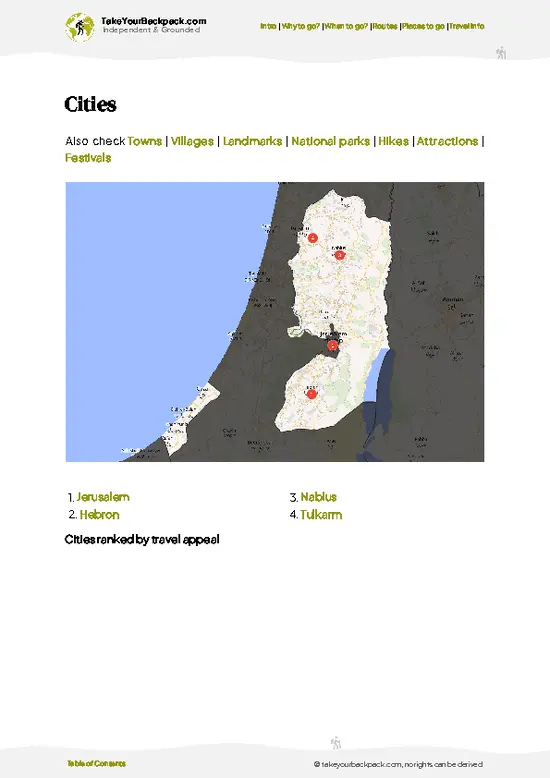
69 highlights, ranked by travel appeal
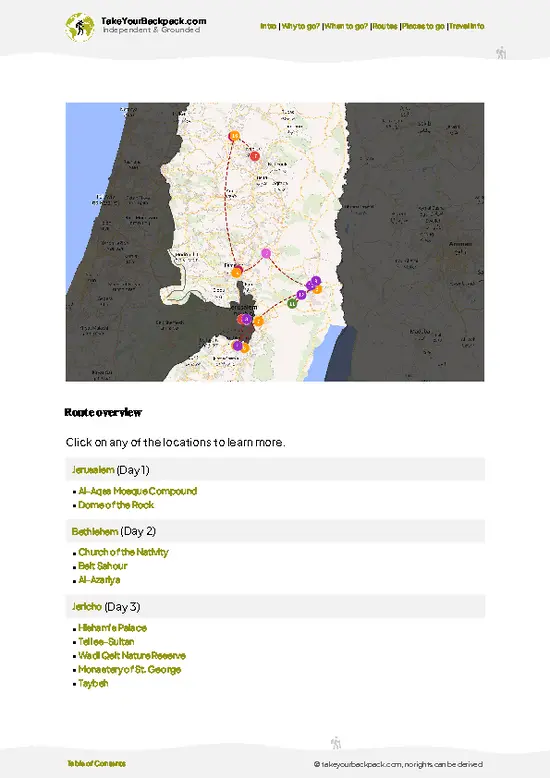
Optimized 2, 3 & 5-day travel routes
Cities, national parks, landmarks, beaches
How to get around
Offline-friendly for travel without Wi-Fi
👉 Click to see all 30+ guide features

📅 Plan smarter in minutes, not weeks
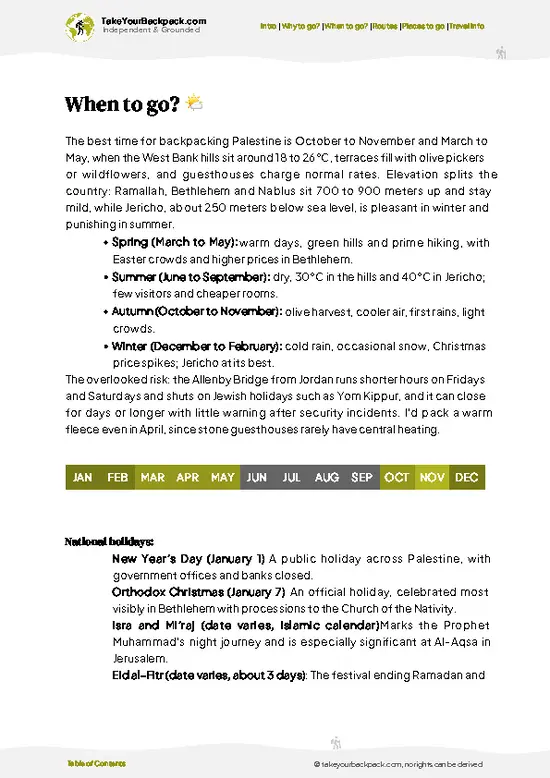
Month by month travel advice
Festivals & national holidays
Budget expectations

🗺️ Go to the right places, skip the overrated ones
Honest pros & cons of destinations
Top hikes, parks & viewpoints
Lesser-known places most travelers miss
Clear “worth it vs skip it” guidance

🛏️ Travel smoothly without rookie mistakes
Best areas to stay
Transport systems explained simply
Common scams & safety advice
SIM cards, money & practical tips

🌍 Understand the country, not just visit it
Culture & traditions
52 Essential phrases & customs
Festivals worth planning around
Traveler-friendly historical context
Insights that make places more meaningful

📱 Built for real travel conditions
Fully downloadable PDF
Works completely offline
Optimized for phone use
Useful in remote areas & buses
Everything in one place
Save weeks of stressful planning
Get instant access to your full guide. 30‑day money-back guarantee.
+ Add another guide for just US$7.80

By proceeding you agree to our terms.
Sent to your inbox immediately after payment • 100% Secure Checkout
Best Backpacking Travel Advisor 2025 tourism awardBest Backpacking
Travel Advisor
2025
What others say about Take Your Backpack Guides:
⭐⭐⭐⭐⭐
Fantastic, amazing amount of information!
⭐⭐⭐⭐⭐
My goodness this is amazing, it's what I've been looking for hats off too you!
⭐⭐⭐⭐⭐
I think this is absolutely BRILLIANT
⭐⭐⭐⭐
Very complete and informative. It's still missing places, but I gotta to commend you
⭐⭐⭐⭐⭐
This is truly amazing, thank you, can't wait to explore it with my kids!
⭐⭐⭐⭐⭐
Awesome resource, thank you!
⭐⭐⭐⭐⭐
This is amazing! Can't wait to explore the ones I haven't seen
⭐⭐⭐⭐
I love this! Well done, great idea.
⭐⭐⭐⭐⭐
Thanks for taking the time to make this gem!
⭐⭐⭐⭐⭐
This might be the best website I've ever seen.
⭐⭐⭐⭐⭐
Congratulations, and thank you so much for your work; it's incredibly valuable.
⭐⭐⭐⭐
In all seriousness I think you did a great job pointing out the important spots
⭐⭐⭐⭐⭐
10/10 very good
⭐⭐⭐⭐⭐
As someone who's only just starting to visit regularly this is awesome, thank you.
⭐⭐⭐⭐
Thank you very much! I'm going to visit my dad, it's going to be very useful!
⭐⭐⭐⭐⭐
This is really cool! We'll be travelling for the first time and this definitely come in handy.
⭐⭐⭐⭐⭐
You are now our minister of culture, congratulations 👨‍💼
⭐⭐⭐⭐⭐
Just wanted to tell you that this is a pearl! Going to follow your recommendations.
⭐⭐⭐⭐⭐
This is so cool. I'll definitely be using the resource for my travels soon.
⭐⭐⭐⭐⭐
This is very impressive! Good work.
⭐⭐⭐⭐⭐
This is an amazing and informative site. Very well done!

🛏️ Where to stay?Best areas and accommodation options

Staying near the Roman Theatre in Sebastia? You’re in for a treat, but let’s cut through the fluff. This isn’t a tourist circus; it’s a slice of history that deserves your attention.

First off, aim for the village itself. It’s small, but that’s the charm. You’ll find a few guesthouses and local homestays that offer a genuine experience. The vibe here is friendly, and you’ll likely share meals with locals who are eager to share stories.

If you’re looking for a bit more buzz, consider staying in nearby Nablus. It’s a short drive away and has a lively atmosphere. You’ll find budget-friendly hostels … read more 👉
Staying near the Roman Theatre in Sebastia? You’re in for a treat, but let’s cut through the fluff. This isn’t a tourist circus; it’s a slice of history that deserves your attention.

First off, aim for the village itself. It’s small, but that’s the charm. You’ll find a few guesthouses and local homestays that offer a genuine experience. The vibe here is friendly, and you’ll likely share meals with locals who are eager to share stories.

If you’re looking for a bit more buzz, consider staying in nearby Nablus. It’s a short drive away and has a lively atmosphere. You’ll find budget-friendly hostels where solo travelers mingle, swap tales, and maybe even join a group hike to nearby sites.

Safety? It’s generally good, but always stay aware of your surroundings. The real magic lies in the connections you make and the stories you gather. Embrace the authenticity, and you’ll walk away with more than just photos.

👛 Costs (as of 4 September 2026)Typical daily expenses

Visiting the Roman Theatre in Sebastia, Palestine, offers a mix of history and culture, but it comes with its own set of costs. Here’s a breakdown to help you plan your visit.
  • Entrance Fee: Expect to pay around €5 to €10 ($5 to $11). This fee grants you access to the site and its surrounding area. It’s a small price for a glimpse into ancient Roman architecture.
  • Guided Tours: If you want a deeper understanding, guided tours range from €15 to €30 ($16 to $33). Local guides often share stories that you won’t find in any guidebook, making it worth the extra cash.
  • Transportation: Getting to Sebastia can vary. A taxi from Nablus might cost you about €10 to €20 ($11 to $22) one way. Public transport is cheaper but less convenient, usually around €2 to €5 ($2 to $5).
  • Food and Drinks: Local eateries offer
read more 👉
Visiting the Roman Theatre in Sebastia, Palestine, offers a mix of history and culture, but it comes with its own set of costs. Here’s a breakdown to help you plan your visit.
  • Entrance Fee: Expect to pay around €5 to €10 ($5 to $11). This fee grants you access to the site and its surrounding area. It’s a small price for a glimpse into ancient Roman architecture.
  • Guided Tours: If you want a deeper understanding, guided tours range from €15 to €30 ($16 to $33). Local guides often share stories that you won’t find in any guidebook, making it worth the extra cash.
  • Transportation: Getting to Sebastia can vary. A taxi from Nablus might cost you about €10 to €20 ($11 to $22) one way. Public transport is cheaper but less convenient, usually around €2 to €5 ($2 to $5).
  • Food and Drinks: Local eateries offer meals for €5 to €15 ($5 to $16). Street food is a great option for budget travelers, with snacks costing as little as €2 ($2.20). Don’t skip trying the local falafel!
  • Souvenirs: If you’re looking to take something home, budget around €5 to €20 ($5 to $22) for local crafts or trinkets. Prices can vary widely based on what you choose, so haggle a bit.

These costs can add up, but the experience of walking through history is priceless. Just be prepared for crowds, especially during peak tourist seasons.
⚠️ Prices can change and everyone travels differently, so take this as a rough guide. Hope it helps you plan your adventure!

FAQFrequently asked questions about Roman Theatre in Sebastia

The Roman Theatre in Sebastia is an ancient amphitheater dating back to the 2nd century AD, built during the Roman period as part of the city's public entertainment and social life. It is one of the key archaeological sites in Sebastia, showcasing Roman architectural and cultural influence in Palestine.
Visiting the Roman Theatre in Sebastia typically requires about 1 to 2 hours to explore the site thoroughly, including time to walk around and take photos. This allows for a detailed look at the ruins and nearby historical landmarks within the archaeological park.
To get to the Roman Theatre in Sebastia, travel to the town of Sebastia, located about 10 kilometers northwest of Nablus. From Nablus, you can take a local taxi or bus heading towards Sebastia; the theatre is within walking distance from the town center.
⚠️ Things can change over time, so always validate details locally before you go.

Other Palestinian landmarks near Roman Theatre in Sebastia

Explore more nearby:


💡 Not sure where to go next?
Create a personalized itinerary for Palestine including Roman Theatre in Sebastia and the places that fit your trip.

Generate my itinerary

👉 Discover all landmarks

Or checkout all Palestine has to offer (think cities, towns, villages, national parks, hikes, beaches, festivals)
Country photo of Palestine

We 💚 feedbackKey takeaways before you go

The Roman Theatre in Sebastia is a raw slice of history that whispers stories of ancient civilizations. Standing there, you can almost hear the echoes of past performances. But let’s be real: the crowds can be overwhelming, especially during peak times, and the infrastructure isn’t always tourist-friendly. Still, if you can navigate the chaos, the experience of connecting with such deep-rooted culture is absolutely worth it.

✈️ When did I visit Palestine?
I visited Palestine (Westbank) in October 2013 in the same trip as I backpacked through Israel.

✍️ Help improve this page!
The information on this page is based on my own backpacking experience in Palestine, supplemented with up-to-date research and feedback from other travelers. Travel details can change, so if you notice anything outdated or incomplete, feel free to let me know.


🙋‍♂️ Give feedback

👋 Meet the founderWho’s Behind Take Your Backpack?

Johan, backpacker and founder of TakeYourBackpackHi, I’m Johan (Netherlands 🇳🇱), the creator of TakeYourBackpack. Over the past decade, I’ve backpacked through 80+ countries across six continents, gaining extensive experience with independent travel, long-term trips, and overland routes.

This site is built on a combination of firsthand travel experience and carefully curated insights from other backpackers. Many guides are based on places I’ve personally visited, while others bring together tips, observations, and practical advice shared by trusted travelers I’ve met along the way.

The goal is to provide realistic, experience-driven guidance — not generic itineraries — so you can explore destinations with better context, clearer expectations, and more confidence.

Get full Palestine guide •
Instant download • 69 highlights • Full Offline guide