v2.webp)
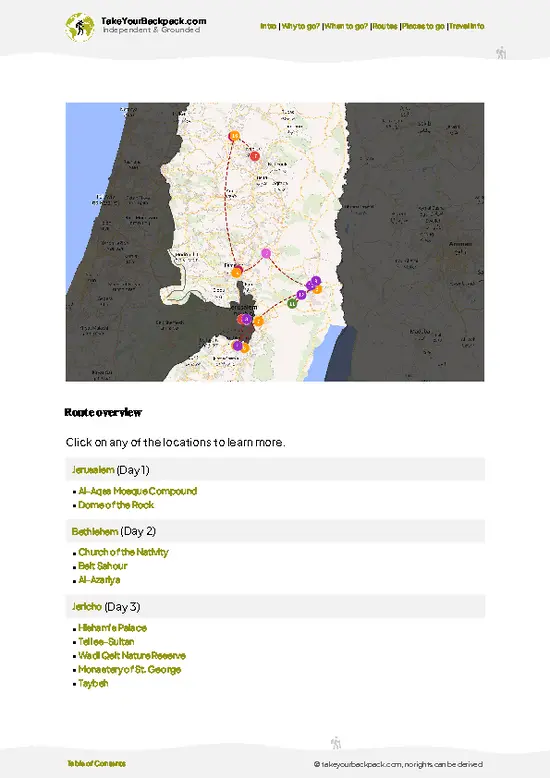
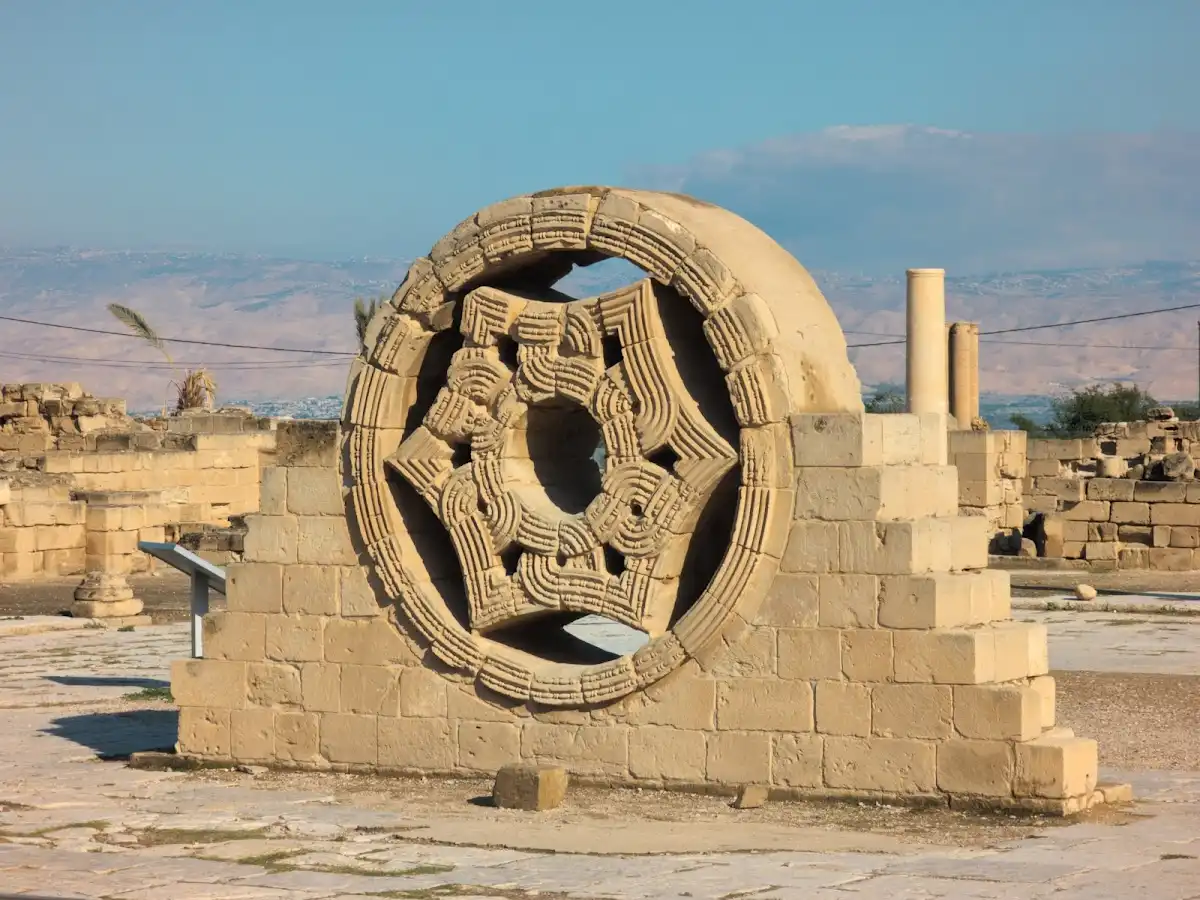
- Umayyad palace complex (historical core) — One of the best-preserved royal country residences from the early 8th century, showing how Umayyad elites adapted Roman-Byzantine architecture into an Islamic palace. The layout—audience halls, private rooms and service areas—reads like a blueprint of early Islamic court life.
- Tree of Life mosaic (personal favorite) — A stunning, colorful floor mosaic with stylized trees, birds and animals. It’s both an artistic showpiece and a rare surviving example of Umayyad figurative mosaic work; up close you notice the tiny tesserae and careful shading.
- Bathhouse and mosaic frigidarium — A full bathing complex with well-preserved mosaic panels and hypocaust foundations. The design and decoration reveal how public and private bathing rituals mattered to palace
- Umayyad palace complex (historical core) — One of the best-preserved royal country residences from the early 8th century, showing how Umayyad elites adapted Roman-Byzantine architecture into an Islamic palace. The layout—audience halls, private rooms and service areas—reads like a blueprint of early Islamic court life.
- Tree of Life mosaic (personal favorite) — A stunning, colorful floor mosaic with stylized trees, birds and animals. It’s both an artistic showpiece and a rare surviving example of Umayyad figurative mosaic work; up close you notice the tiny tesserae and careful shading.
- Bathhouse and mosaic frigidarium — A full bathing complex with well-preserved mosaic panels and hypocaust foundations. The design and decoration reveal how public and private bathing rituals mattered to palace life, and the mosaics here are beautifully intact.
- Intricate carved stucco and architectural details — Delicate vegetal motifs, Arabic inscriptions and geometric designs still cling to doorways and niches. The stucco work gives a clear sense of the aesthetic tastes that influenced later Islamic ornamentation.
- Audience hall and apses — The basilica-like reception areas, with their distinctive apses and column bases, show where the ruler might have received guests. It’s a good spot to imagine the scale and formality of palace ceremonies.
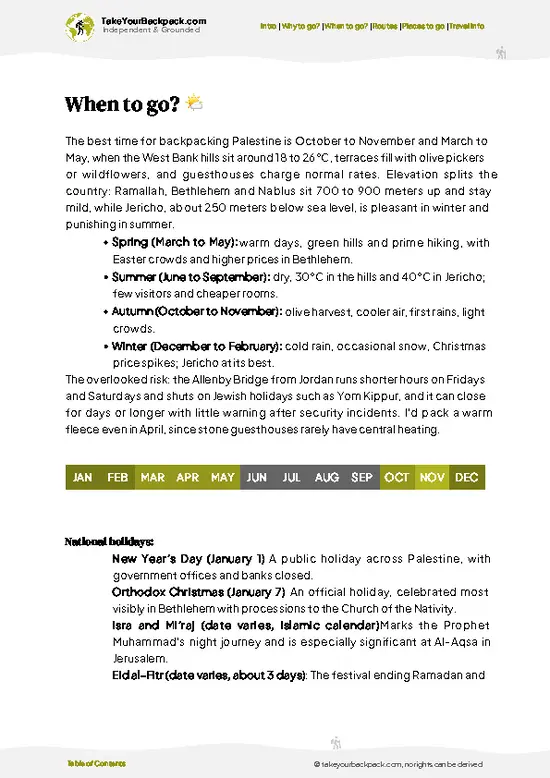
- Water features and hydraulic engineering — Pools, channels and cisterns are laid out for both function and display. The way water is used to heighten courtyards and mosaics is a neat reminder that technology and beauty went hand in hand here.
- Views over the Jordan Valley and Wadi Qelt — The palace sits above a dramatic valley. The landscape gives context: this was a visible, strategic retreat with a view that connects the site to trade routes and monastic communities below.
Spotted a mistake or missing something? Contact us.
 Best Backpacking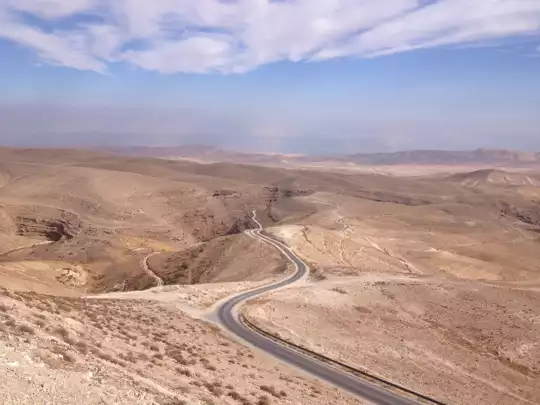
.jpg) Hi, I’m Johan (Netherlands 🇳🇱), the creator of TakeYourBackpack. Over the past 3 decades, I’ve backpacked through 90+ countries across six continents, gaining extensive experience with independent travel, long-term trips, and overland routes.
Hi, I’m Johan (Netherlands 🇳🇱), the creator of TakeYourBackpack. Over the past 3 decades, I’ve backpacked through 90+ countries across six continents, gaining extensive experience with independent travel, long-term trips, and overland routes.