

- Playa Larga: The island’s main beach, a long, gently curving stretch of pale sand with calm, shallow water and the island’s biggest hotel behind it. It is the easiest place to swim and the best starting point.
- Playa Galeón: Rocky patches near the shore hold reef fish, so you can snorkel straight from the beach with a mask you bring yourself.
- Playa Cacique: A smaller, calmer cove that stays quiet on weekdays and suits a long read or a swim without crowds.
- Playa Ejecutiva: A sheltered beach with tidy sand, used by many people staying in the island’s villas, and often almost empty outside holiday weekends.
- Playa de las Suecas: A short walk to a secluded cove that most day visitors never reach, with soft sand and very few people.
- Isla Mogo Mogo: A small private-feeling islet a short boat ride away,
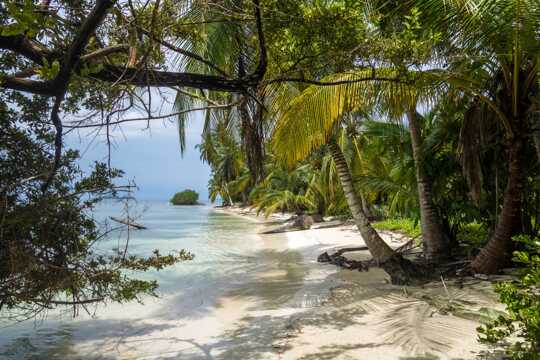
- Playa Larga: The island’s main beach, a long, gently curving stretch of pale sand with calm, shallow water and the island’s biggest hotel behind it. It is the easiest place to swim and the best starting point.
- Playa Galeón: Rocky patches near the shore hold reef fish, so you can snorkel straight from the beach with a mask you bring yourself.
- Playa Cacique: A smaller, calmer cove that stays quiet on weekdays and suits a long read or a swim without crowds.
- Playa Ejecutiva: A sheltered beach with tidy sand, used by many people staying in the island’s villas, and often almost empty outside holiday weekends.
- Playa de las Suecas: A short walk to a secluded cove that most day visitors never reach, with soft sand and very few people.
- Isla Mogo Mogo: A small private-feeling islet a short boat ride away, known for its sandy beach and clear water for snorkeling. Go by a local boat from the island.
- Isla Chapera: Another nearby islet with clear shallows, popular for a half-day picnic stop on a boat run.
- Isla Saboga: A neighboring island with a small village of Afro-Panamanian families and a simple church. It is one of the few places in the archipelago where you can see everyday island life, away from resort beaches.
- Humpback whale watching: From roughly July to October, boats from the island head out into the gulf to find humpbacks and their calves. Seeing one surface close to the boat is worth the cost.
- The airstrip and its viewpoints: Walk or ride a cart to the edge of the island’s small airstrip, where you can watch the small planes land with the sea behind them and look out over the neighboring islets.
Spotted a mistake or missing something? Contact us.


 Best Backpacking
 Hi, I’m Johan (Netherlands 🇳🇱), the creator of TakeYourBackpack. Over the past 3 decades, I’ve backpacked through 90+ countries across six continents, gaining extensive experience with independent travel, long-term trips, and overland routes.