v2.webp)
The Facade: Weathered Grandeur, No Filter
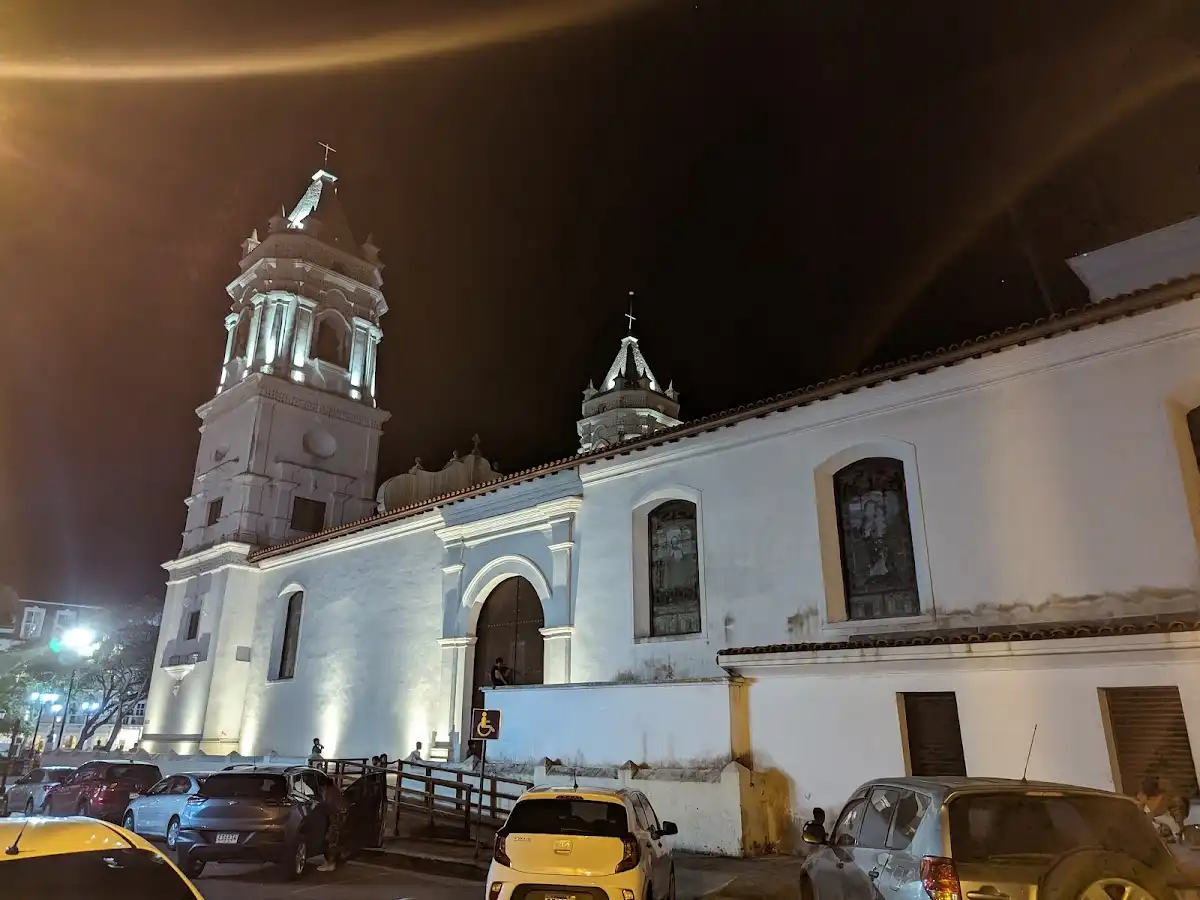
Forget the Instagram-perfect edits. The cathedral’s stone facade is battered by centuries of tropical storms and city chaos. You’ll see pockmarks, faded saints, and the kind of honest wear that tells you this building has survived pirates, earthquakes, and Panama’s wild history. It’s not pristine. It’s proud. Stand in the plaza and let your eyes trace the scars—this is the real face of Old Panama, not a Disneyfied relic.
The Towers: Uneven, Unapologetic
Look up. Notice how the two bell towers don’t quite match. One is slightly askew, the other patched up with a different stone. This isn’t a design flaw—it’s a living timeline. Construction dragged on for over a century, and you can read the city’s fortunes in every architectural hiccup. It’s a reminder … read more 👉
Forget the Instagram-perfect edits. The cathedral’s stone facade is battered by centuries of tropical storms and city chaos. You’ll see pockmarks, faded saints, and the kind of honest wear that tells you this building has survived pirates, earthquakes, and Panama’s wild history. It’s not pristine. It’s proud. Stand in the plaza and let your eyes trace the scars—this is the real face of Old Panama, not a Disneyfied relic.
The Towers: Uneven, Unapologetic
Look up. Notice how the two bell towers don’t quite match. One is slightly askew, the other patched up with a different stone. This isn’t a design flaw—it’s a living timeline. Construction dragged on for over a century, and you can read the city’s fortunes in every architectural hiccup. It’s a reminder … read more 👉
The Facade: Weathered Grandeur, No Filter
Forget the Instagram-perfect edits. The cathedral’s stone facade is battered by centuries of tropical storms and city chaos. You’ll see pockmarks, faded saints, and the kind of honest wear that tells you this building has survived pirates, earthquakes, and Panama’s wild history. It’s not pristine. It’s proud. Stand in the plaza and let your eyes trace the scars—this is the real face of Old Panama, not a Disneyfied relic.
The Towers: Uneven, Unapologetic
Look up. Notice how the two bell towers don’t quite match. One is slightly askew, the other patched up with a different stone. This isn’t a design flaw—it’s a living timeline. Construction dragged on for over a century, and you can read the city’s fortunes in every architectural hiccup. It’s a reminder that Panama has always been a crossroads, never a finished product.
The Main Altar: Gilded Drama
Step inside and the humidity hits you, along with a wall of gold. The main altar is a baroque spectacle—carved wood, gold leaf, and a sense of drama that’s more Latin American soap opera than European restraint. It’s not subtle, and that’s the point. This is faith as theater, and it’s impossible not to be swept up in the spectacle.
The Floor: A Patchwork of Centuries
Don’t just look up—look down. The floor is a mosaic of old tiles, some chipped, some replaced, all telling stories. You’ll spot gravestones underfoot, names half-erased by time. Every step is a walk over the bones of Panama’s colonial past. It’s a tactile history lesson, and it’s easy to miss if you’re only craning for selfies.
The Plaza: People-Watching Goldmine
Step outside and linger in Plaza de la Independencia. This is where the real show happens. Kids play soccer against the cathedral’s walls, street vendors hawk raspados (shaved ice), and old men argue politics in the shade. The cathedral is the backdrop, but the plaza is the pulse. If you want to feel Panama’s heartbeat, this is where you do it. This one’s my personal favorite—skip the guided tour and just watch the city swirl around you.
The Bells: Not Just for Show
If you’re lucky enough to visit during a festival or a wedding, you’ll hear the bells. They’re not automated; they’re rung by hand, and the sound is raw, uneven, and completely alive. It’s a reminder that this place isn’t a museum—it’s still a working church, woven into the daily chaos of Casco Viejo.
The Light: Late Afternoon Magic
Time your visit for late afternoon. The sun slants through the high windows, turning the dust in the air into gold. The cathedral glows, the plaza softens, and for a few minutes, the crowds thin out. This isn’t the version you’ll see on postcards, but it’s the moment you’ll remember.
Forget the Instagram-perfect edits. The cathedral’s stone facade is battered by centuries of tropical storms and city chaos. You’ll see pockmarks, faded saints, and the kind of honest wear that tells you this building has survived pirates, earthquakes, and Panama’s wild history. It’s not pristine. It’s proud. Stand in the plaza and let your eyes trace the scars—this is the real face of Old Panama, not a Disneyfied relic.
The Towers: Uneven, Unapologetic
Look up. Notice how the two bell towers don’t quite match. One is slightly askew, the other patched up with a different stone. This isn’t a design flaw—it’s a living timeline. Construction dragged on for over a century, and you can read the city’s fortunes in every architectural hiccup. It’s a reminder that Panama has always been a crossroads, never a finished product.
The Main Altar: Gilded Drama
Step inside and the humidity hits you, along with a wall of gold. The main altar is a baroque spectacle—carved wood, gold leaf, and a sense of drama that’s more Latin American soap opera than European restraint. It’s not subtle, and that’s the point. This is faith as theater, and it’s impossible not to be swept up in the spectacle.
The Floor: A Patchwork of Centuries
Don’t just look up—look down. The floor is a mosaic of old tiles, some chipped, some replaced, all telling stories. You’ll spot gravestones underfoot, names half-erased by time. Every step is a walk over the bones of Panama’s colonial past. It’s a tactile history lesson, and it’s easy to miss if you’re only craning for selfies.
The Plaza: People-Watching Goldmine
Step outside and linger in Plaza de la Independencia. This is where the real show happens. Kids play soccer against the cathedral’s walls, street vendors hawk raspados (shaved ice), and old men argue politics in the shade. The cathedral is the backdrop, but the plaza is the pulse. If you want to feel Panama’s heartbeat, this is where you do it. This one’s my personal favorite—skip the guided tour and just watch the city swirl around you.
The Bells: Not Just for Show
If you’re lucky enough to visit during a festival or a wedding, you’ll hear the bells. They’re not automated; they’re rung by hand, and the sound is raw, uneven, and completely alive. It’s a reminder that this place isn’t a museum—it’s still a working church, woven into the daily chaos of Casco Viejo.
The Light: Late Afternoon Magic
Time your visit for late afternoon. The sun slants through the high windows, turning the dust in the air into gold. The cathedral glows, the plaza softens, and for a few minutes, the crowds thin out. This isn’t the version you’ll see on postcards, but it’s the moment you’ll remember.
Spotted a mistake or missing something? Contact us.

Private Fishing in the Panama Canal, Gatun Lake
✓ Free cancellation

Panama Canal Zone Bike Tour By Paradox Experience
✓ Free cancellation

Day End Tour: Casco Viejo, Amador Causeway & Sabroso Panama
✓ Free cancellation

VIP Experience Agency
✓ Free cancellation

Full Day - Panama Canal Coast to Coast - By Land
✓ Free cancellation

Pineapple Farm Tour like a local (during rainy season)
✓ Free cancellation

Panama City by Night: Rooftop Skyline, Dinner & Folklore Show
✓ Free cancellation

Shuttle to Riu Playa Blanca Hotel: Round Trip or One Way
✓ Free cancellation

Full Day Private Birding and Nature Sightseeing Tour, Pipe Line.
✓ Free cancellation

Panama Canal Tour
✓ Free cancellation
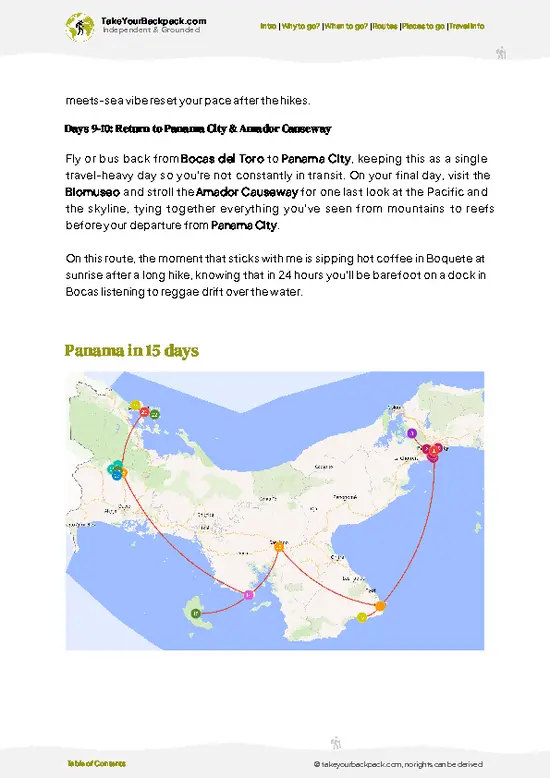
 Best Backpacking
.jpg) Hi, I’m Johan (Netherlands 🇳🇱), the creator of TakeYourBackpack. Over the past decade, I’ve backpacked through 80+ countries across six continents, gaining extensive experience with independent travel, long-term trips, and overland routes.
Hi, I’m Johan (Netherlands 🇳🇱), the creator of TakeYourBackpack. Over the past decade, I’ve backpacked through 80+ countries across six continents, gaining extensive experience with independent travel, long-term trips, and overland routes.