×

Panama🇵🇦 | attractionsMuseo de la MolaGuna textiles, hand-stitched molas, small gallery, Guna guides | things to do and best time to go

Explore Mi PueblitoExplore Bayano Caves

Backpacking in Museo de la Mola
👀 For curious travelersattraction ranked #11
By Johan Kruseman 🇳🇱 | Updated October 22, 2026

Museo de la Mola is free to enter and takes under an hour, which makes it the cheapest way to understand the textile you will see sold on every Panama City corner. It sits in Panama’s capital, in the Casco Viejo district, a short walk from the plazas. I still connect it with the soft rasp of a needle through layered cloth, a Guna woman stitching in the corner while I read the labels. That sound explains why the reverse-appliqué panels are worth your attention: each is cut and sewn by hand, which is why prices vary so much. The collection is small, so skip it if you dislike compact museums. Textile lovers and curious first-timers will enjoy it most; anyone chasing big, interactive exhibits will not.

Discover everything you want to know in the 📖 Panama Travel Guide.


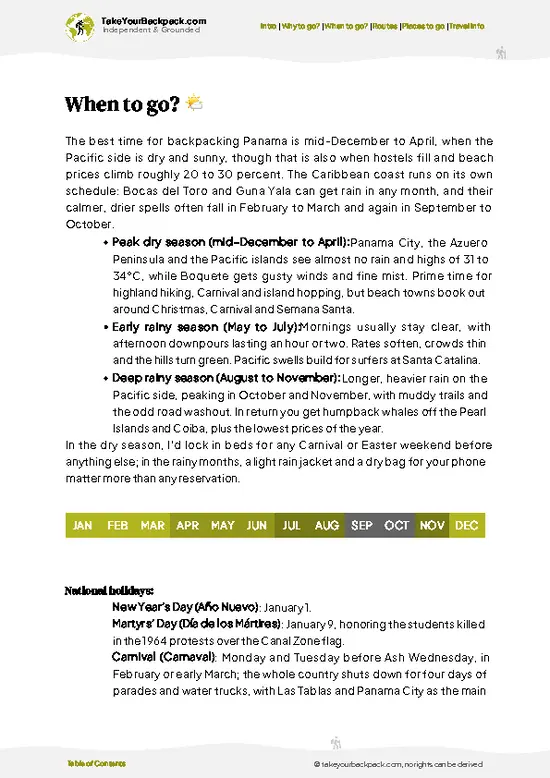
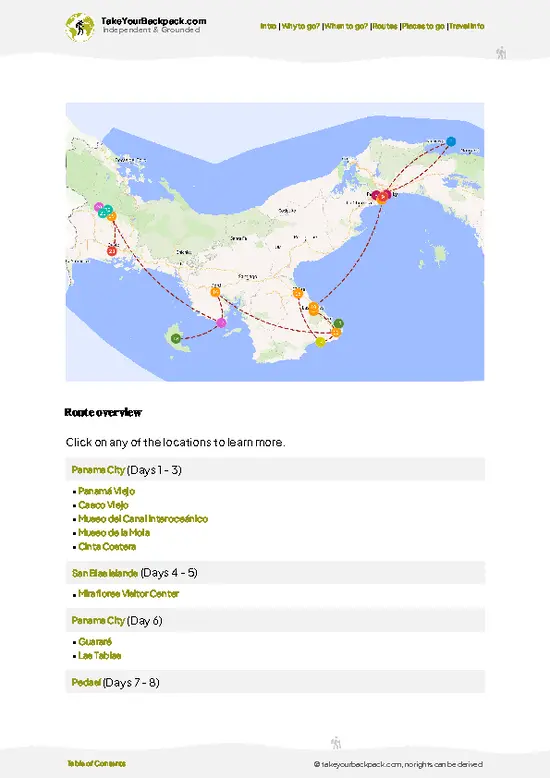
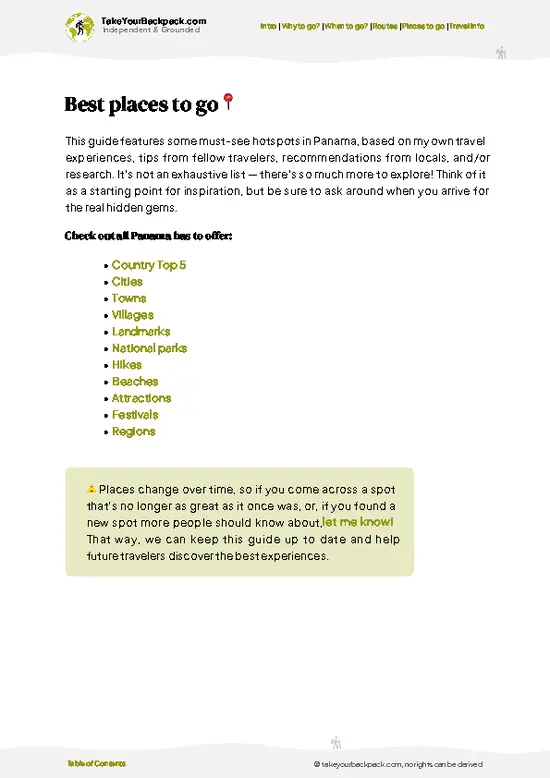
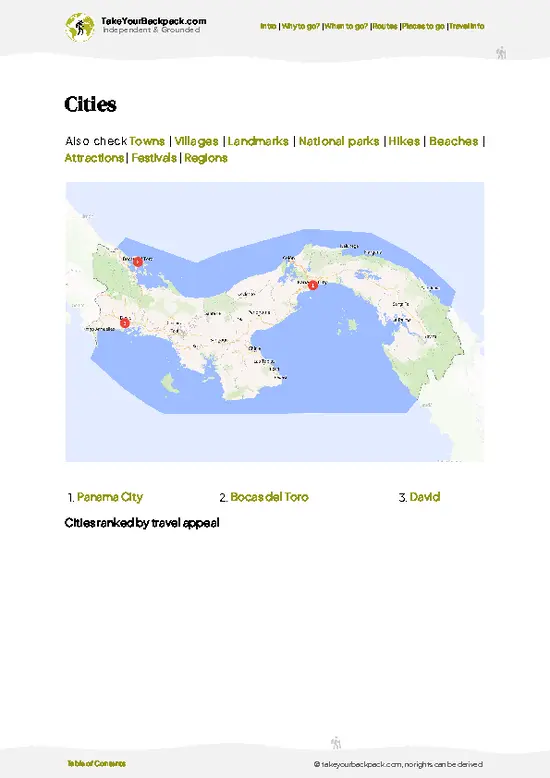
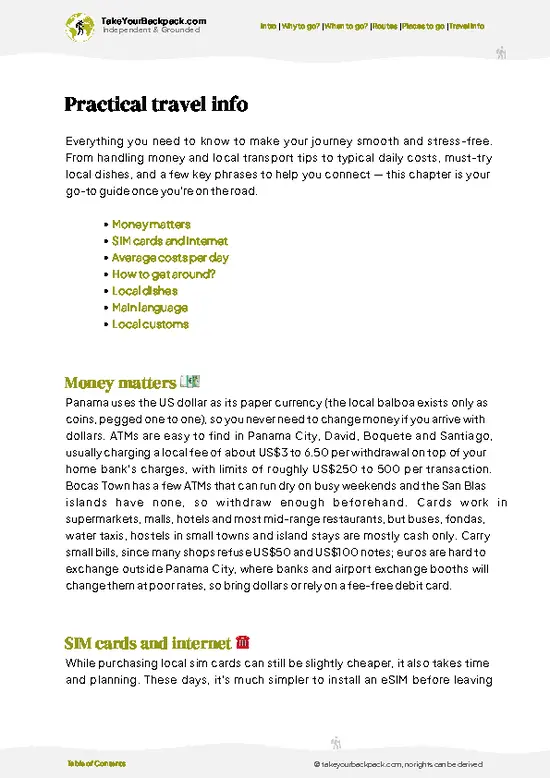
example page 0 from our offline Travel Guide for Panama
example page 1 from our offline Travel Guide for Panama
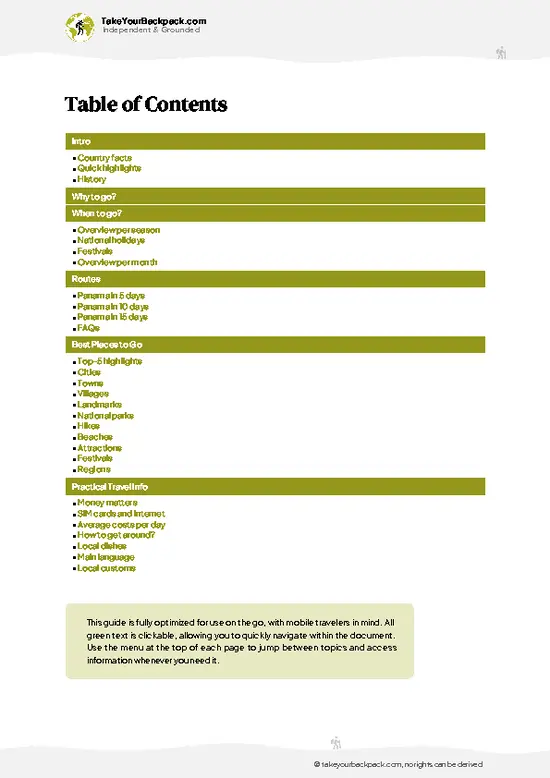
example page 2 from our offline Travel Guide for Panama
example page 3 from our offline Travel Guide for Panama
example page 4 from our offline Travel Guide for Panama
example page 5 from our offline Travel Guide for Panama
example page 6 from our offline Travel Guide for Panama
example page 7 from our offline Travel Guide for Panama
Loading the map 🌍
CLICK TO FILTER
cities
towns
villages
landmarks
national parks
hikes
beaches
attractions
festivals
regions
SHOW COUNTRY’S BESTSHOW ALL

✨ Why go?
Ranked #11 attraction in Panama
What makes this attraction worth visiting

Museo de la Mola gives you the context that turns souvenir shopping into informed buying. Guna women from the San Blas islands (Guna Yala) stitch molas by layering cloth in contrasting colors and cutting away shapes, and seeing finished panels side by side shows how a quality piece differs from a mass-produced one. Once you know that, you can judge stitch density and the cutwork lines at any market. It also fits a route perfectly. If you plan to sail or fly to Guna Yala, an hour here sets up the visit and the people behind the cloth. For a museum this small, that preparation is the real value, and the price is nothing.

💡 HighlightsWhat this place is best known for

  1. Reverse-appliqué mola panels: The core display. Several layers of cloth are cut and stitched back so colors peek through, forming animals, geometric patterns and daily scenes.
  2. Geometric and abstract designs: Zigzags and repeating line patterns show the older, more abstract style of the craft, and they reward close looking.
  3. Animal and nature motifs: Birds, fish and jungle creatures are the easiest designs to read and the most popular with buyers.
  4. Guna blouse context: Molas began as the front and back panels of women’s blouses, so seeing them as clothing explains their size and shape.
  5. Stitch detail up close: Look at the tiny edges where cloth folds under. Tight, even stitching marks the better work.
  6. Vendor items near the entrance: Small pieces and crafts are sold here, a calm place to compare quality
… read more 👉
  1. Reverse-appliqué mola panels: The core display. Several layers of cloth are cut and stitched back so colors peek through, forming animals, geometric patterns and daily scenes.
  2. Geometric and abstract designs: Zigzags and repeating line patterns show the older, more abstract style of the craft, and they reward close looking.
  3. Animal and nature motifs: Birds, fish and jungle creatures are the easiest designs to read and the most popular with buyers.
  4. Guna blouse context: Molas began as the front and back panels of women’s blouses, so seeing them as clothing explains their size and shape.
  5. Stitch detail up close: Look at the tiny edges where cloth folds under. Tight, even stitching marks the better work.
  6. Vendor items near the entrance: Small pieces and crafts are sold here, a calm place to compare quality before bargaining at larger stalls.
  7. Casco Viejo streets outside: Stone lanes, plazas and old churches surround the museum and make a natural follow-up stroll.
Museo de la Mola needs no ticket or advance booking for its displays.
Spotted a mistake or missing something? Contact us.

Things to do around Museo de la Mola

Ratings based on Tripadvisor reviews. When you book through this link, you support our work at no extra cost to you.

🌤️ When to go?When to go for the best experience

  • Dry Season (mid-December to April): Mornings run 24 to 27°C (75 to 81°F), afternoons climb to 32 to 34°C (90 to 93°F), and rain is rare. This is the easiest time to combine the museum with Casco Viejo on foot. Hotel rates in the city rise 15 to 30 percent.
  • Green Season (May to mid-December): Showers roll in most afternoons, often hard for an hour or two, with highs near 30°C (86°F) and heavy humidity. Go in the morning and you will usually stay dry. Rooms are cheaper and the galleries are quiet.
  • Daylight: Around 11 to 12 hours year-round, so a late-afternoon visit is never rushed.
  • Crowds: Cruise-ship days and school holidays fill the nearby streets, while weekday mornings stay calm.
Arrive when doors open on a weekday and you will often have the molas to yourself.

source: climatestotravel.comJANJanuary: excellent for travelingFEBFebruary: excellent for travelingMARMarch: highly recommended for travelingAPRApril: highly recommended for travelingMAYMay: fair for travelingJUNJune: fair for travelingJULJuly: fair for travelingAUGAugust: fair for travelingSEPSeptember: fair for travelingOCTOctober: fair for travelingNOVNovember: good for travelingDECDecember: excellent for traveling
when-to-go

✈️ The backpacker research shortcutPanama Travel Guide

An offline-friendly backpacking guide with optimized travel routes, ranked highlights, transport advice, and the best areas to stay.
example page 0 from our offline Travel Guide for Panama
example page 1 from our offline Travel Guide for Panama
example page 2 from our offline Travel Guide for Panama
example page 3 from our offline Travel Guide for Panama
example page 4 from our offline Travel Guide for Panama
example page 5 from our offline Travel Guide for Panama
example page 6 from our offline Travel Guide for Panama
example page 7 from our offline Travel Guide for Panama
The digital guide (272 pages) contains:
✅ 89 highlights, ranked by travel appeal
✅ Optimized 5, 10 & 15-day travel routes
✅ Cities, national parks, landmarks, beaches
✅ How to get around
✅ Offline-friendly for travel without Wi-Fi
👉 Click to see all 30+ guide features

📅 Plan smarter in minutes, not weeks
✅ Month by month travel advice
✅ Festivals & national holidays
✅ Budget expectations

🗺️ Go to the right places, skip the overrated ones
✅ Honest pros & cons of destinations
✅ Top hikes, parks & viewpoints
✅ Lesser-known places most travelers miss
✅ Clear “worth it vs skip it” guidance

🛏️ Travel smoothly without rookie mistakes
✅ Best areas to stay
✅ Transport systems explained simply
✅ Common scams & safety advice
✅ SIM cards, money & practical tips

🌍 Understand the country, not just visit it
✅ Culture & traditions
✅ 52 Essential phrases & customs
✅ Festivals worth planning around
✅ Traveler-friendly historical context
✅ Insights that make places more meaningful

📱 Built for real travel conditions
✅ Fully downloadable PDF
✅ Works completely offline
✅ Optimized for phone use
✅ Useful in remote areas & buses
✅ Everything in one place
Stop searching, start planning
Get instant access to your full guide. 30‑day money-back guarantee.
+ Add another guide for just

By proceeding you agree to our terms.
Sent to your inbox immediately after payment • 100% Secure Checkout
Best Backpacking Travel Advisor 2025 tourism awardBest Backpacking
Travel Advisor
2025
What others say about Take Your Backpack Guides:
⭐⭐⭐⭐⭐
Fantastic, amazing amount of information!
⭐⭐⭐⭐⭐
My goodness this is amazing, it's what I've been looking for hats off too you!
⭐⭐⭐⭐⭐
I think this is absolutely BRILLIANT
⭐⭐⭐⭐
Very complete and informative. It's still missing places, but I gotta to commend you
⭐⭐⭐⭐⭐
This is truly amazing, thank you, can't wait to explore it with my kids!
⭐⭐⭐⭐⭐
Awesome resource, thank you!
⭐⭐⭐⭐⭐
This is amazing! Can't wait to explore the ones I haven't seen
⭐⭐⭐⭐
I love this! Well done, great idea.
⭐⭐⭐⭐⭐
Thanks for taking the time to make this gem!
⭐⭐⭐⭐⭐
This might be the best website I've ever seen.
⭐⭐⭐⭐⭐
Congratulations, and thank you so much for your work; it's incredibly valuable.
⭐⭐⭐⭐
In all seriousness I think you did a great job pointing out the important spots
⭐⭐⭐⭐⭐
10/10 very good
⭐⭐⭐⭐⭐
As someone who's only just starting to visit regularly this is awesome, thank you.
⭐⭐⭐⭐
Thank you very much! I'm going to visit my dad, it's going to be very useful!
⭐⭐⭐⭐⭐
This is really cool! We'll be travelling for the first time and this definitely come in handy.
⭐⭐⭐⭐⭐
You are now our minister of culture, congratulations 👨‍💼
⭐⭐⭐⭐⭐
Just wanted to tell you that this is a pearl! Going to follow your recommendations.
⭐⭐⭐⭐⭐
This is so cool. I'll definitely be using the resource for my travels soon.
⭐⭐⭐⭐⭐
This is very impressive! Good work.
⭐⭐⭐⭐⭐
This is an amazing and informative site. Very well done!

🛏️ Where to stay?Best areas to stay in Panama

Casco Viejo is the best area for backpackers, since the museum sits on the edge of the old quarter, a short walk from most of its hostels. It is the social heart of Panama City for budget travelers, with dorm-packed streets, rooftop bars, cheap fonda lunches and plenty of people to swap plans with. Evenings are lively and the main plazas are well patrolled, but stay on lit streets and skip the blocks toward Santa Ana and El Chorrillo after dark. Take a taxi or rideshare late at night.

Bella Vista and El Cangrejo are the alternatives. Expect quieter, more local streets, grocery stores, laundromats … read more 👉
Casco Viejo is the best area for backpackers, since the museum sits on the edge of the old quarter, a short walk from most of its hostels. It is the social heart of Panama City for budget travelers, with dorm-packed streets, rooftop bars, cheap fonda lunches and plenty of people to swap plans with. Evenings are lively and the main plazas are well patrolled, but stay on lit streets and skip the blocks toward Santa Ana and El Chorrillo after dark. Take a taxi or rideshare late at night.

Bella Vista and El Cangrejo are the alternatives. Expect quieter, more local streets, grocery stores, laundromats and a lower nightly price, with a 10 to 15 minute ride to the museum by Metro and taxi. They suit those who want sleep over a party scene, and both have a smaller but friendly hostel scene. Dorm beds in the city typically run US$10 to 20 a night.

👛 Costs (as of 22 October 2026)What things cost and how to budget

Museo de la Mola is a low-cost stop, and a realistic day in Panama City built around it comes to about US$48 for a budget traveler. Prices are in US dollars, which Panama uses alongside the balboa.
CategoryBudget RangeLocal Reality
Entrance ticketUS$0Entry to the collection of Guna textile panels is free.
Dorm bed (high season)US$12 to 20Casco Viejo costs more than Bella Vista or El Cangrejo.
FoodUS$8 to 15Set fonda lunches cost US$4 to 7; cafés in the old quarter charge more.
Local transportUS$1 to 6Metro and buses cost under US$1 a ride; taxis and rideshares for short trips run US$3 to 6.
Molas to buyUS$0 to 25Small genuine molas sold by Guna women nearby start around US$10 to 25 and can be negotiated gently.
Total Daily BudgetUS$27 to 71About US$48 for a typical day with a dorm bed and a modest purchase.
⚠️ Prices can change and everyone travels differently, so take this as a rough guide. Hope it helps you plan your adventure!

FAQTraveler FAQ

Plan on one hour at Museo de la Mola, which is enough to read the displays on Guna textile technique and symbolism. Add another two to three hours if you want to walk Casco Viejo's plazas and churches nearby. Early mornings are the calmest time to go.
Museo de la Mola is free and worth an hour if you want context before buying a mola in a market. The panels explain the reverse-appliqué layers and the designs, so you can judge quality when shopping. Budget about an hour, and skip it only if textiles hold no interest for you.
Museo de la Mola is on the edge of Casco Viejo in Panama City, and a taxi or rideshare from most central neighborhoods costs US$3 to 8 and takes 10 to 20 minutes. From Albrook bus terminal, a taxi takes about 20 minutes. If you stay in Casco Viejo, you can simply walk there in a few minutes.
⚠️ Things can change over time, so always validate details locally before you go.

Other Panamanian attractions near Museo de la Mola

Explore more nearby:


💡 Not sure where to go next?
Create a personalized itinerary for Panama including Museo de la Mola and the places that fit your trip.

Generate my itinerary

👉 Discover all attractions

Or checkout all Panama has to offer (think cities, towns, villages, national parks, hikes, beaches, festivals)
Country photo of Panama

We 💚 feedbackIs it worth it?

Museo de la Mola works best on a weekday morning, when the room is quiet and you can study the stitching without crowds, before the Casco Viejo heat sends everyone indoors. I would go before any market shopping, and skip it if you only have one afternoon in the capital.

✈️ When did I visit Panama?
Panama I visited during my half year trip through South and Central America back in 2003

✍️ Help improve this page!
The information on this page is based on my own backpacking experience in Panama, supplemented with up-to-date research and feedback from other travelers. Travel details can change, so if you notice anything outdated or incomplete, feel free to let me know.


🙋‍♂️ Give feedback

👋 Meet the founderWho’s Behind Take Your Backpack?

Johan, backpacker and founder of TakeYourBackpackHi, I’m Johan (Netherlands 🇳🇱), the creator of TakeYourBackpack. Over the past 3 decades, I’ve backpacked through 90+ countries across six continents, gaining extensive experience with independent travel, long-term trips, and overland routes.

This site is built on a combination of firsthand travel experience and carefully curated insights from other backpackers. Many guides are based on places I’ve personally visited, while others bring together tips, observations, and practical advice shared by trusted travelers I’ve met along the way.

The goal is to provide realistic, experience-driven guidance — not generic itineraries — so you can explore destinations with better context, clearer expectations, and more confidence.