How many attractions to choose: I advise
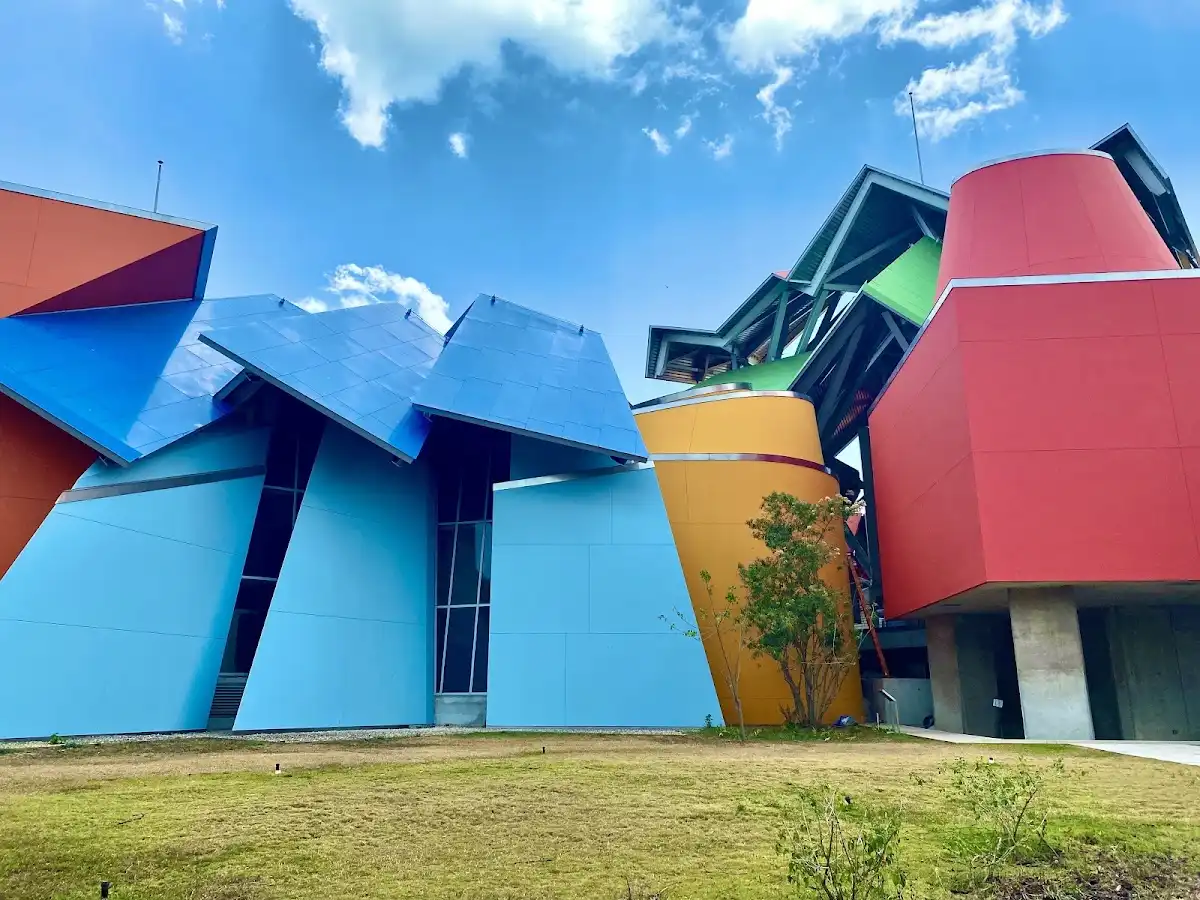
one major attraction per two to three days, so roughly five to seven in a two-week trip. The reason is practical: Panama’s sights are spread across hot lowlands, mountain roads and boat-dependent coasts, and each transfer eats half a day. Rushing more than that means paying entry fees for places you see through a bus window.
Prioritizing by travel style: Travelers on a tight budget should favor
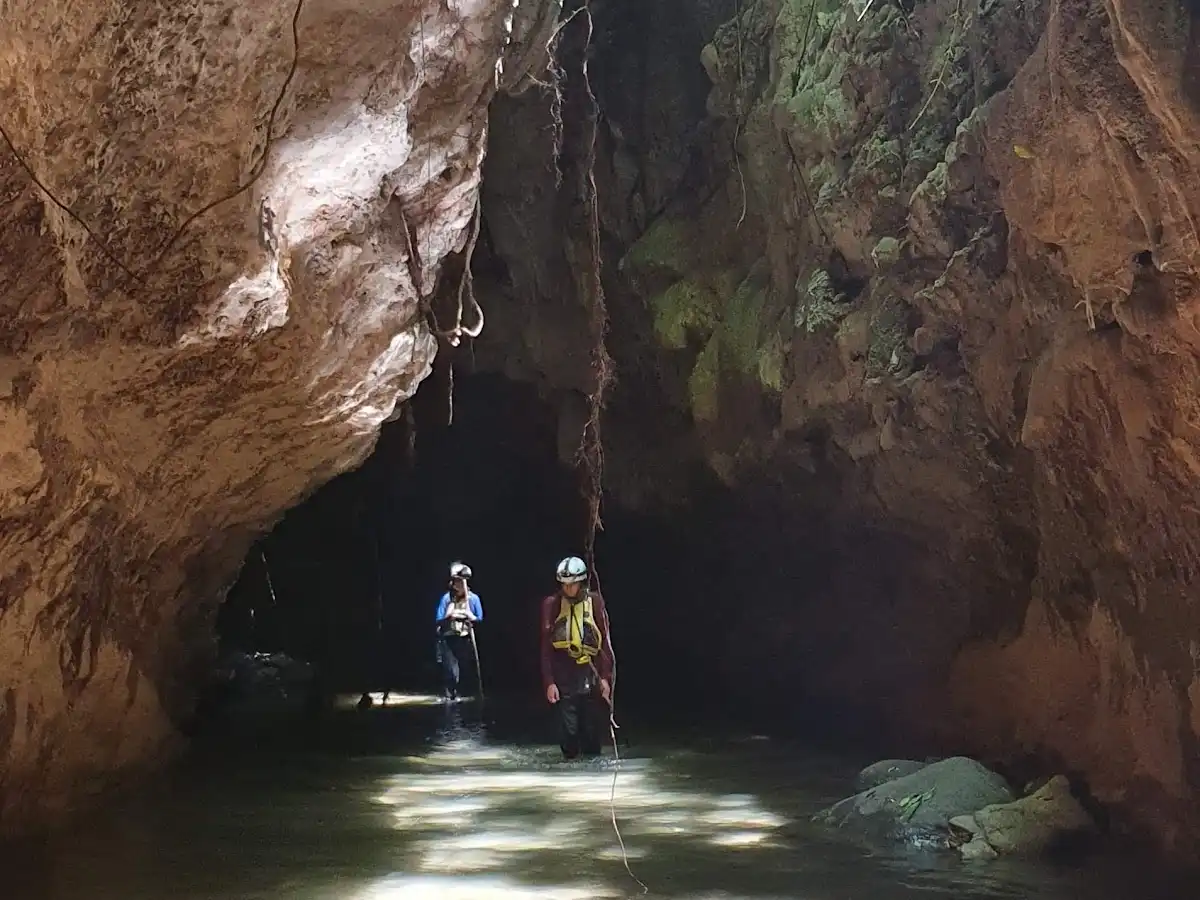
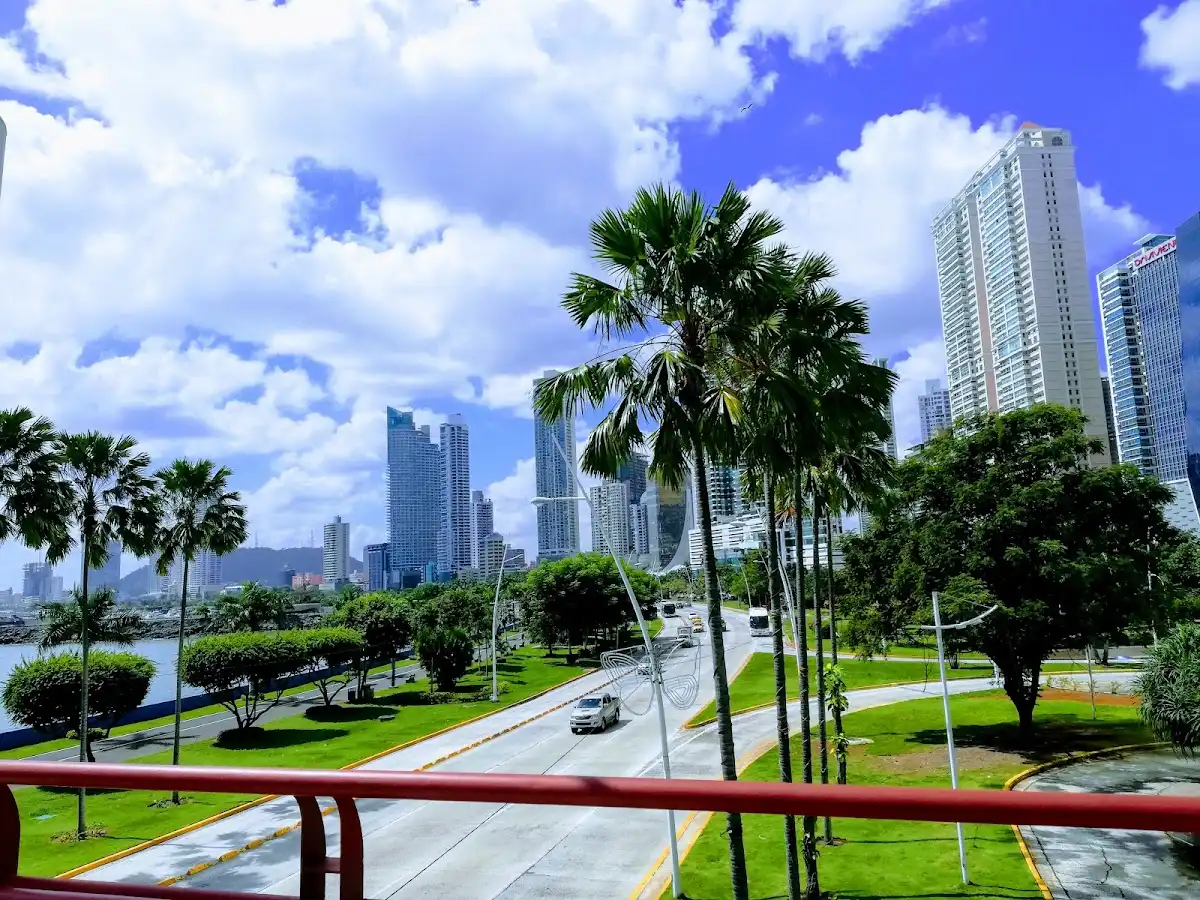
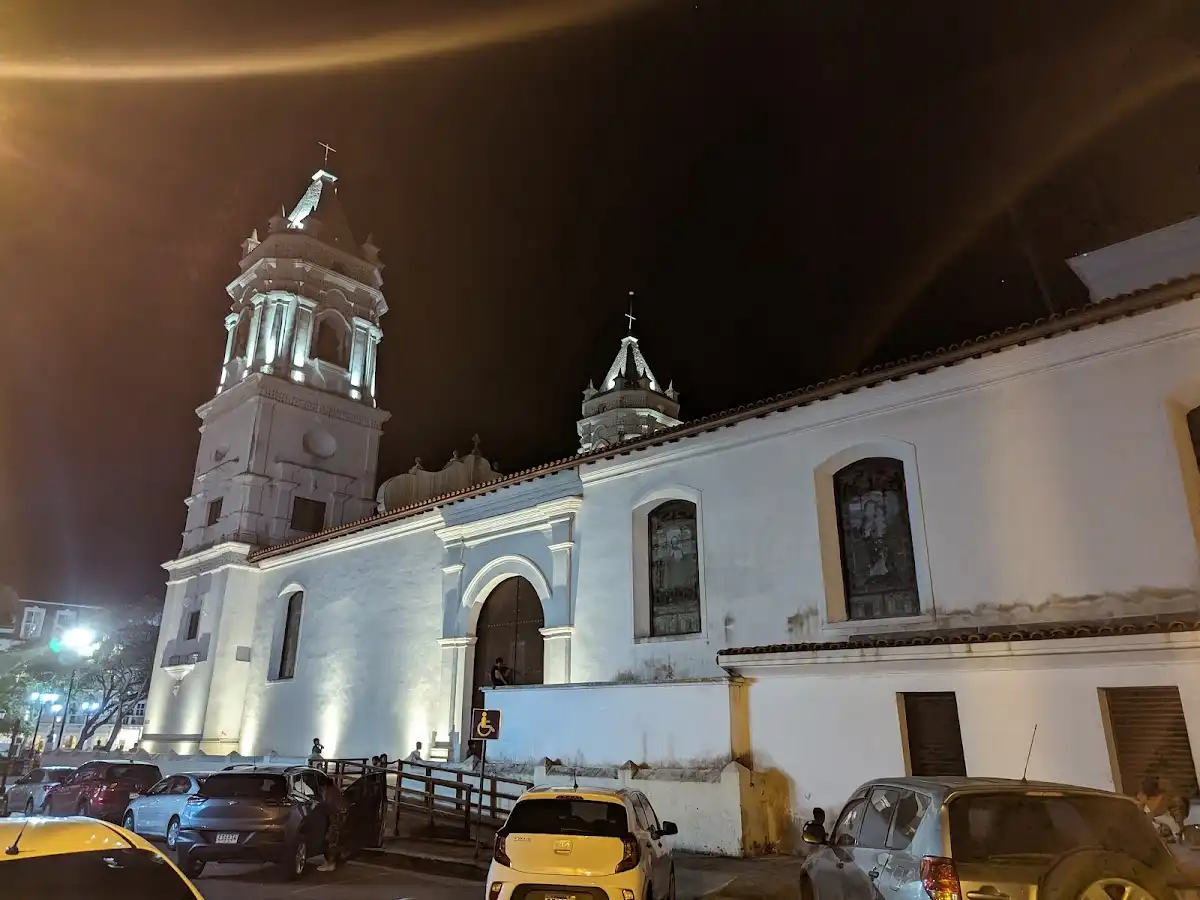
highland and nature sites, where fees are low and local buses connect most trailheads. Those who like history and culture should anchor on the capital, where several sights cluster within walking distance and cost little each. Wildlife and beach seekers should accept higher costs, since the islands and national parks depend on boats and licensed guides. If time …
read more 👉 How many attractions to choose: I advise
one major attraction per two to three days, so roughly five to seven in a two-week trip. The reason is practical: Panama’s sights are spread across hot lowlands, mountain roads and boat-dependent coasts, and each transfer eats half a day. Rushing more than that means paying entry fees for places you see through a bus window.
Prioritizing by travel style: Travelers on a tight budget should favor
highland and nature sites, where fees are low and local buses connect most trailheads. Those who like history and culture should anchor on the capital, where several sights cluster within walking distance and cost little each. Wildlife and beach seekers should accept higher costs, since the islands and national parks depend on boats and licensed guides. If time is short, pick one nature, one city and one coastal experience instead of three of the same kind, because repeats offer diminishing returns.
What things cost: A realistic budget is
US$40 to 70 a day for a backpacker including dorm bed, street meals and local buses, rising to US$80 to 120 with regular tours. Entry fees for national parks and museums typically run US$1 to 25, with foreign visitors paying more than residents. Guides cost roughly US$20 to 60 per person for a half day, and boat transfers on the Caribbean side commonly run US$5 to 30 per leg. Carry small
US dollar bills, because many park posts and community-run sites cannot break US$50 or 100 notes, and card machines are rare outside the capital.
Safety and cultural points: Most attractions are safe in daylight, but
petty theft occurs around crowded city areas and unattended beach bags, so keep valuables in a locked room. Avoid walking certain neighborhoods in the capital at night and use registered taxis or ride apps. In the east, the
Darién region has armed groups and smuggling, so independent travel there is not advised without a licensed operator. Rip currents on Pacific beaches are strong, and lifeguards are scarce, so swim only where locals do.
Respecting Indigenous communities: Parts of the country lie in
Indigenous comarcas, such as Guna Yala and Ngäbe-Buglé. Fees go directly to local communities, and photography of people usually requires permission. Dress modestly in villages, follow your guide’s rules, and avoid drones unless approved. Paying the posted fee is the smarter choice, since it funds the services that keep these places open.
v2.webp)




 Best Backpacking
.jpg) Hi, I’m Johan (Netherlands 🇳🇱), the creator of TakeYourBackpack. Over the past 3 decades, I’ve backpacked through 90+ countries across six continents, gaining extensive experience with independent travel, long-term trips, and overland routes.
Hi, I’m Johan (Netherlands 🇳🇱), the creator of TakeYourBackpack. Over the past 3 decades, I’ve backpacked through 90+ countries across six continents, gaining extensive experience with independent travel, long-term trips, and overland routes.