
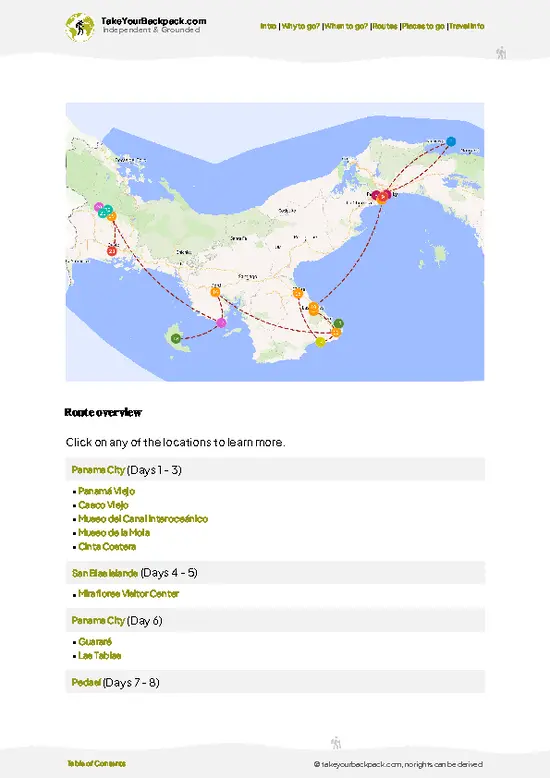
- Sala de la Historia del Canal (Canal construction galleries): The core of the museum covers the French attempt under Ferdinand de Lesseps in the 1880s, with its collapse from disease and bankruptcy, and then the American effort that opened the waterway in 1914. Maps, tools and photographs make the scale of the digging easy to grasp.
- The building itself, on Plaza de la Independencia: The museum sits in the former Grand Hotel and later the headquarters of the French canal company, in the heart of Casco Viejo. The stone facade and the high-ceilinged rooms are part of the show.
- Early canal maps and plans: Old charts show routes that were considered across the isthmus, including those in Nicaragua, which explains why Panama won out. Spend time here and the later engineering choices start to make
- Sala de la Historia del Canal (Canal construction galleries): The core of the museum covers the French attempt under Ferdinand de Lesseps in the 1880s, with its collapse from disease and bankruptcy, and then the American effort that opened the waterway in 1914. Maps, tools and photographs make the scale of the digging easy to grasp.
- The building itself, on Plaza de la Independencia: The museum sits in the former Grand Hotel and later the headquarters of the French canal company, in the heart of Casco Viejo. The stone facade and the high-ceilinged rooms are part of the show.
- Early canal maps and plans: Old charts show routes that were considered across the isthmus, including those in Nicaragua, which explains why Panama won out. Spend time here and the later engineering choices start to make sense.
- Tools, machinery and everyday objects: Workers’ implements, instruments and period items show how crews lived and labored in the jungle. They put faces on a project that is usually told through numbers.
- Photographs of the workforce: Images of the laborers, many brought from the Caribbean, show the human cost and the diversity behind the construction. These are among the most affecting pieces in the collection.
- Stamps, coins and documents: Cases of banknotes, treaties and printed material trace how the canal tied Panama’s birth as a republic to American interests. It is dry material, but it clears up much of the politics.
- Plaza de la Independencia outside: The square in front, with the cathedral and city hall nearby, gives you a free stop before or after the galleries. Vendors and shade make it a good spot to digest what you have read.
Spotted a mistake or missing something? Contact us.

Walking tour through the Hidden treasures and gems of Casco Viejo

City Tour: Miraflores Locks, Casco Viejo & Amador Causeway

Old Canal zone tour: Miraflores Locks and former military bases

VIP Helicopter Ride

3 Hours Private Walking Tour in Casco Antiguo Panama City

Panama City Private Walking Tour with a Local

#1 Walking Tour of Casco Viejo Panama with Lunch included


 Best Backpacking
 Hi, I’m Johan (Netherlands 🇳🇱), the creator of TakeYourBackpack. Over the past 3 decades, I’ve backpacked through 90+ countries across six continents, gaining extensive experience with independent travel, long-term trips, and overland routes.