×

Papua New Guinea🇵🇬 | festivalsFrangipani FestivalRabaul remembrance, floral parades, volcano views | things to do and best time to go

Explore Bougainville Chocolate FestivalExplore Bilum Festival

Backpacking in Frangipani
👌 Worth visitingfestival ranked #12
By Johan Kruseman 🇳🇱 | Updated July 30, 2026

Your boots crunch on black volcanic gravel while a brass band blasts a slightly off-key march and kids streak past with faces smeared in ash and bright paint. The air smells like smoke, fried kaukau, and sea salt drifting up from the harbor. This is the Frangipani Festival in Rabaul, on the northeastern tip of Papua New Guinea’s East New Britain, where the town celebrates rebirth after eruptions with parades, traditional Tolai dances, and community concerts. It’s small, local, and proudly rough-edged—more marching bands and cultural groups than big-name acts—drawing PNG families, a few adventurous backpackers, and expats for two or three intense days. Go if you want raw, community-first energy and don’t need slick production or nightlife.

Discover everything you want to know in the 📖 Papua New Guinea Travel Guide.
Loading the map 🌍
CLICK TO FILTER
cities
towns
national parks
hikes
beaches
attractions
festivals
regions
SHOW COUNTRY’S BESTSHOW ALL

✨ Why go?
Ranked #12 festival in Papua New Guinea
What sets this place apart

Backpackers flock to the Frangipani Festival in Papua New Guinea for a burst of social energy and a taste of temporary community. This vibrant celebration is more than just a festival; it’s a deep dive into local culture, where you can witness traditional dances and savor authentic cuisine. The affordability of the event compared to similar festivals worldwide makes it a no-brainer for budget-conscious travelers.

Planning your route around this festival not only enriches your experience but also allows you to connect with fellow adventurers. It’s a perfect pit stop in a longer journey, offering a unique blend of cultural immersion and shared joy. Don’t miss out on this chance to recharge your spirit and make memories that resonate long after the last drumbeat fades.
Want to include Frangipani Festival in your Papua New Guinea route?
Create a personalized Papua New Guinea itinerary that includes Frangipani Festival and the places that fit your trip — based on your travel style, budget, and available time. Get your route in seconds.

Generate my trip

💡 HighlightsEssential experiences to have while celebrating the Frangipani

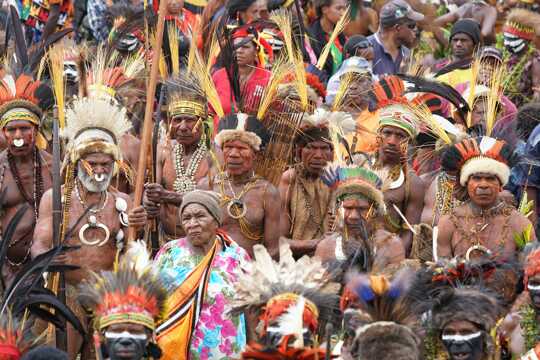
  1. Sing-sings and tribal performances — Multiple groups from different provinces come together, so you’ll see painted dancers, feathered headdresses and rhythmic war-chants side by side with softer women’s dances. It’s one of the fastest ways to feel Papua New Guinea’s crazy cultural diversity in one place.
  2. Eclectic live music and fusion stages — Bands blend island rhythms, reggae, acoustic ballads and contemporary indie in the same line-up, and impromptu jams happen between sets. The result is a raw, youthful sound that nods to tradition without sounding like a museum piece.
  3. Frangipani, flowers and island vibe — The festival literally smells like a holiday: garlands, floral crowns and frangipani-strewn beaches set a relaxed, tropical mood. It makes even the busiest moments feel laid-back
read more 👉
  1. Sing-sings and tribal performances — Multiple groups from different provinces come together, so you’ll see painted dancers, feathered headdresses and rhythmic war-chants side by side with softer women’s dances. It’s one of the fastest ways to feel Papua New Guinea’s crazy cultural diversity in one place.
  2. Eclectic live music and fusion stages — Bands blend island rhythms, reggae, acoustic ballads and contemporary indie in the same line-up, and impromptu jams happen between sets. The result is a raw, youthful sound that nods to tradition without sounding like a museum piece.
  3. Frangipani, flowers and island vibe — The festival literally smells like a holiday: garlands, floral crowns and frangipani-strewn beaches set a relaxed, tropical mood. It makes even the busiest moments feel laid-back and photogenic.
  4. Hands-on workshops and cultural exchanges — Expect weaving, drumming, carving demos and language taster sessions where you can try traditional crafts or learn a local greeting. These are less staged performances and more real chances to make something or swap stories with locals.
  5. Food stalls, markets and local makers — Fresh seafood, mumu (earth-oven) dishes, coffee vendors and stalls selling bilums, shell-money and carvings give a proper market buzz. It’s the place to taste regional flavors and buy handmade keepsakes while supporting local artisans.
Spotted a mistake or missing something? Contact us.

🌤️ When to go?When is the celebration of Frangipani Festival?


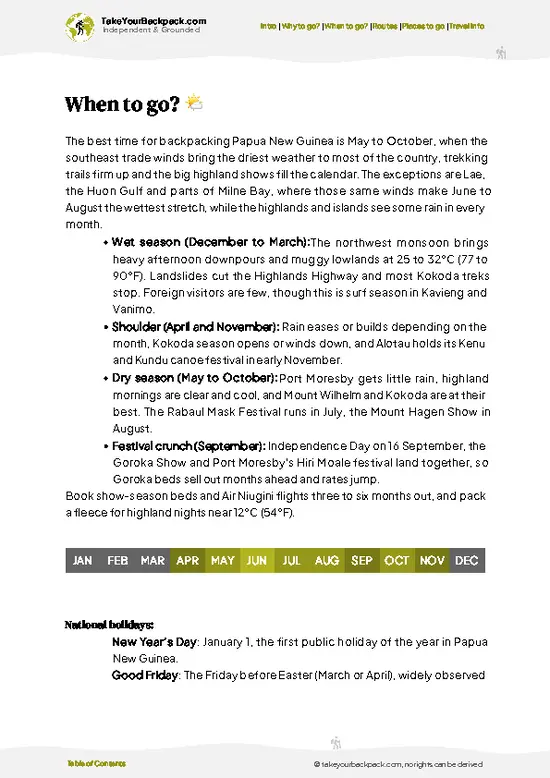
  • Topic: Weather – The Frangipani Festival thrives in Papua New Guinea’s dry season, from May to October. Expect less rain, making trails and village visits manageable without slipping into mud or missing outdoor events.

  • Topic: Temperature – Daytime highs hover around 25-30°C (77-86°F), perfect for trekking without overheating. Nights cool down to 15-20°C (59-68°F), so pack layers to stay comfortable after sunset.

  • Topic: Daylight Hours – Roughly 11 to 12 hours of daylight during the festival months means you can squeeze in early morning hikes and late afternoon cultural shows without rushing.

  • Topic: Crowds – The festival draws locals and a smattering of tourists, but it’s never overwhelming. Arriving early in the dry season helps you avoid any spike in visitor numbers and keeps the
read more 👉

  • Topic: Weather – The Frangipani Festival thrives in Papua New Guinea’s dry season, from May to October. Expect less rain, making trails and village visits manageable without slipping into mud or missing outdoor events.

  • Topic: Temperature – Daytime highs hover around 25-30°C (77-86°F), perfect for trekking without overheating. Nights cool down to 15-20°C (59-68°F), so pack layers to stay comfortable after sunset.

  • Topic: Daylight Hours – Roughly 11 to 12 hours of daylight during the festival months means you can squeeze in early morning hikes and late afternoon cultural shows without rushing.

  • Topic: Crowds – The festival draws locals and a smattering of tourists, but it’s never overwhelming. Arriving early in the dry season helps you avoid any spike in visitor numbers and keeps the vibe authentic.

  • Topic: Seasonal Activities – Dry months unlock vibrant village ceremonies, traditional dances, and open-air markets. Wet season dampens these outdoor cultural displays, so timing is key to catch the full spectacle.

  • Topic: Price Fluctuations – Accommodation and transport costs rise slightly during the festival peak in July and August. Booking ahead during May or September can save you cash without missing the core events.


Pro-tip: Aim for early dry season—May or June—to dodge crowds, secure better deals, and enjoy festival energy without the mudslide.


source: climatestotravel.comJANJanuary: not recommended for travelingFEBFebruary: not recommended for travelingMARMarch: not recommended for travelingAPRApril: not recommended for travelingMAYMay: excellent for travelingJUNJune: not recommended for travelingJULJuly: not recommended for travelingAUGAugust: not recommended for travelingSEPSeptember: not recommended for travelingOCTOctober: not recommended for travelingNOVNovember: not recommended for travelingDECDecember: not recommended for traveling

✈️ The backpacker research shortcutPapua New Guinea Travel Guide

An offline-friendly backpacking guide with optimized travel routes, ranked highlights, transport advice, and the best areas to stay.
example page 0 from our offline Travel Guide for Papua New Guinea
example page 1 from our offline Travel Guide for Papua New Guinea
example page 2 from our offline Travel Guide for Papua New Guinea
example page 3 from our offline Travel Guide for Papua New Guinea
example page 4 from our offline Travel Guide for Papua New Guinea
example page 5 from our offline Travel Guide for Papua New Guinea
example page 6 from our offline Travel Guide for Papua New Guinea
example page 7 from our offline Travel Guide for Papua New Guinea
The digital guide (319 pages) contains:
86 highlights, ranked by travel appeal
Optimized 5, 10 & 15-day travel routes
Cities, national parks, landmarks, beaches
How to get around
Offline-friendly for travel without Wi-Fi
👉 Click to see all 30+ guide features

📅 Plan smarter in minutes, not weeks
Month by month travel advice
Festivals & national holidays
Budget expectations

🗺️ Go to the right places, skip the overrated ones
Honest pros & cons of destinations
Top hikes, parks & viewpoints
Lesser-known places most travelers miss
Clear “worth it vs skip it” guidance

🛏️ Travel smoothly without rookie mistakes
Best areas to stay
Transport systems explained simply
Common scams & safety advice
SIM cards, money & practical tips

🌍 Understand the country, not just visit it
Culture & traditions
52 Essential phrases & customs
Festivals worth planning around
Traveler-friendly historical context
Insights that make places more meaningful

📱 Built for real travel conditions
Fully downloadable PDF
Works completely offline
Optimized for phone use
Useful in remote areas & buses
Everything in one place
Save weeks of stressful planning
Get instant access to your full guide. 30‑day money-back guarantee.


By proceeding you agree to our terms.
Sent to your inbox immediately after payment • 100% Secure Checkout
Best Backpacking Travel Advisor 2025 tourism awardBest Backpacking
Travel Advisor
2025
What others say about Take Your Backpack Guides:
⭐⭐⭐⭐⭐
Fantastic, amazing amount of information!
⭐⭐⭐⭐⭐
My goodness this is amazing, it's what I've been looking for hats off too you!
⭐⭐⭐⭐⭐
I think this is absolutely BRILLIANT
⭐⭐⭐⭐
Very complete and informative. It's still missing places, but I gotta to commend you
⭐⭐⭐⭐⭐
This is truly amazing, thank you, can't wait to explore it with my kids!
⭐⭐⭐⭐⭐
Awesome resource, thank you!
⭐⭐⭐⭐⭐
This is amazing! Can't wait to explore the ones I haven't seen
⭐⭐⭐⭐
I love this! Well done, great idea.
⭐⭐⭐⭐⭐
Thanks for taking the time to make this gem!
⭐⭐⭐⭐⭐
This might be the best website I've ever seen.
⭐⭐⭐⭐⭐
Congratulations, and thank you so much for your work; it's incredibly valuable.
⭐⭐⭐⭐
In all seriousness I think you did a great job pointing out the important spots
⭐⭐⭐⭐⭐
10/10 very good
⭐⭐⭐⭐⭐
As someone who's only just starting to visit regularly this is awesome, thank you.
⭐⭐⭐⭐
Thank you very much! I'm going to visit my dad, it's going to be very useful!
⭐⭐⭐⭐⭐
This is really cool! We'll be travelling for the first time and this definitely come in handy.
⭐⭐⭐⭐⭐
You are now our minister of culture, congratulations 👨‍💼
⭐⭐⭐⭐⭐
Just wanted to tell you that this is a pearl! Going to follow your recommendations.
⭐⭐⭐⭐⭐
This is so cool. I'll definitely be using the resource for my travels soon.
⭐⭐⭐⭐⭐
This is very impressive! Good work.
⭐⭐⭐⭐⭐
This is an amazing and informative site. Very well done!

🛏️ Where to stay?Best areas and accommodation options

For the Frangipani Festival in Papua New Guinea, you want to be in the thick of it. Head to Port Moresby, the capital. It’s buzzing with energy, and you’ll find a mix of budget accommodations that cater to backpackers. The social scene here is vibrant, making it easy to connect with fellow travelers.

Goroka is another hotspot. It’s a bit more laid-back but offers a rich cultural experience. Staying near the festival grounds means you can dive into the festivities without a hassle. Look for communal spaces where you can swap stories and tips with other adventurers.

Madang is also worth considering. … read more 👉
For the Frangipani Festival in Papua New Guinea, you want to be in the thick of it. Head to Port Moresby, the capital. It’s buzzing with energy, and you’ll find a mix of budget accommodations that cater to backpackers. The social scene here is vibrant, making it easy to connect with fellow travelers.

Goroka is another hotspot. It’s a bit more laid-back but offers a rich cultural experience. Staying near the festival grounds means you can dive into the festivities without a hassle. Look for communal spaces where you can swap stories and tips with other adventurers.

Madang is also worth considering. It’s scenic and offers a relaxed vibe. You’ll find friendly locals and fellow backpackers, perfect for unwinding after a day of exploration.

Avoid the tourist traps by sticking to these areas. They keep your budget in check while maximizing your festival experience.

👛 Costs (as of 30 July 2026)How expensive it really is

The Frangipani Festival in Papua New Guinea is a vibrant celebration, but it’s essential to navigate the costs wisely to keep your adventure on track. Here’s a breakdown of what you can expect to spend:
  • Festival Tickets: Entry fees typically range from $10 to $30 USD. This grants you access to performances, cultural displays, and local crafts. Buy your tickets in advance if possible to avoid last-minute hassles.
  • Accommodation: Expect to pay between $30 and $100 USD per night. Options vary from budget hostels to mid-range hotels. Book early, as places fill up quickly during the festival. Consider staying a bit outside the main area for better rates.
  • Local Transport: Budget around $5 to $20 USD per day for local transport. Public buses are cheap, but taxis can add up. If you’re feeling adventurous,
read more 👉
The Frangipani Festival in Papua New Guinea is a vibrant celebration, but it’s essential to navigate the costs wisely to keep your adventure on track. Here’s a breakdown of what you can expect to spend:
  • Festival Tickets: Entry fees typically range from $10 to $30 USD. This grants you access to performances, cultural displays, and local crafts. Buy your tickets in advance if possible to avoid last-minute hassles.
  • Accommodation: Expect to pay between $30 and $100 USD per night. Options vary from budget hostels to mid-range hotels. Book early, as places fill up quickly during the festival. Consider staying a bit outside the main area for better rates.
  • Local Transport: Budget around $5 to $20 USD per day for local transport. Public buses are cheap, but taxis can add up. If you’re feeling adventurous, consider renting a bicycle to explore at your own pace.
  • Food & Drinks: Daily food costs can range from $10 to $40 USD. Street food is a fantastic way to experience local flavors without breaking the bank. Restaurants will be pricier, especially if you’re looking for Western options.
  • Miscellaneous Expenses: Set aside $20 to $50 USD for souvenirs, tips, or unexpected costs. This festival is a great place to pick up unique crafts, so don’t miss out on that opportunity.

Planning ahead will keep your energy focused on enjoying the festival rather than stressing over finances.


source: papuanewguinea.travel
⚠️ Prices can change and everyone travels differently, so take this as a rough guide. Hope it helps you plan your adventure!

🍲 FoodLocal Flavors for Backpackers

At the Frangipani Festival in Papua New Guinea, food is a vibrant celebration of local culture. Dive into mumu, a traditional feast where meats and vegetables are slow-cooked in an underground oven, infusing every bite with smoky flavor. Don’t miss the chance to try sago pudding—a sweet, starchy delight that’s a staple here.

Festival stalls buzz with energy, serving up fresh tropical fruits like papaya and pineapple, bursting with sweetness. For drinks, grab a cup of kava—a ceremonial beverage that offers a mellow vibe, perfect for mingling.

Etiquette is key: sharing is common, so don’t hesitate to offer a taste of your dish. Lines can get long, but that’s part of the experience; chat with locals while you wait. Bring cash; many stalls don’t accept cards. Serving sizes can be generous, so pace yourself—there’s plenty to savor!

Other Papua New Guinean festivals near Frangipani

Explore more nearby:


💡 Not sure where to go next?
Create a personalized itinerary for Papua New Guinea including Frangipani and the places that fit your trip.

Generate my itinerary

👉 Discover all festivals

Or checkout all Papua New Guinea has to offer (think cities, towns, villages, national parks, hikes, beaches, festivals)
Country photo of Papua New Guinea

We 💚 feedbackIs it worth it?

The Frangipani Festival pulses with life, a whirlwind of color and sound that pulls you in. Don’t miss the local dances; they’ll surprise you with their raw energy. Just a heads-up: the heat can be relentless, so stay hydrated and pace yourself. Embrace the chaos, and let the spirit of the festival fuel your adventure. You’ll leave with stories that linger long after.

✍️ Help improve this page!
The information on this page is based on in-depth research, insights shared by experienced travelers, and feedback from the local travel community in Papua New Guinea. While every effort is made to keep the information accurate and current, conditions can change — so if you spot anything incorrect or outdated, please get in touch.


🙋‍♂️ Give feedback

👋 Meet the founderWho’s Behind Take Your Backpack?

Johan, backpacker and founder of TakeYourBackpackHi, I’m Johan (Netherlands 🇳🇱), the creator of TakeYourBackpack. Over the past decade, I’ve backpacked through 80+ countries across six continents, gaining extensive experience with independent travel, long-term trips, and overland routes.

This site is built on a combination of firsthand travel experience and carefully curated insights from other backpackers. Many guides are based on places I’ve personally visited, while others bring together tips, observations, and practical advice shared by trusted travelers I’ve met along the way.

The goal is to provide realistic, experience-driven guidance — not generic itineraries — so you can explore destinations with better context, clearer expectations, and more confidence.

Get full country guide •
Instant download • 86 highlights • Full Offline guide