×

Papua New Guinea🇵🇬 | festivalsNational Mask and Warwagira Festivalmask ceremonies, firewalking, Tolai and Baining traditions | things to do and best time to go

Explore Madang FestivalExplore Bougainville Chocolate Festival

Backpacking in National Mask and Warwagira
🌟 Highlightfestival ranked #4
By Johan Kruseman 🇳🇱 | Updated September 4, 2026

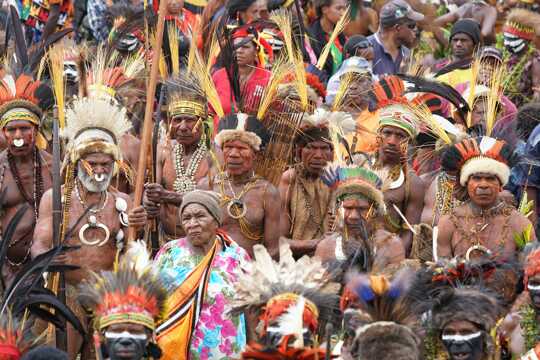
Most people only realize on day three that the real win at the National Mask and Warwagira Festival is how much culture you can pack into one compact, walkable stretch of Rabaul and Kokopo without burning cash on extra transport or side trips. The festival runs in East New Britain, on the island of New Britain in Papua New Guinea, and it hits like a drumline to the chest. Expect pounding kundu drums, bamboo bands, shell rattles, and deep, almost hypnotic chanting built around ancestral spirits and mask traditions. The crowd is a mix of local families, village performance groups, a few NGO types, and scattered backpackers who did their homework. The vibe is raw, early-start, sun-baked, and slightly chaotic in the best way. Over several days, you get dense, front-row access to PNG culture that would otherwise take weeks of village-hopping to piece together.

Discover everything you want to know in the 📖 Papua New Guinea Travel Guide.
Loading the map 🌍
CLICK TO FILTER
cities
towns
national parks
hikes
beaches
attractions
festivals
regions
SHOW COUNTRY’S BESTSHOW ALL

✨ Why go?
Ranked #4 festival in Papua New Guinea
Reasons people choose to celebrate the here

Backpackers flock to the National Mask and Warwagira Festival in Papua New Guinea for a jolt of social energy and a taste of temporary community. This vibrant event is a cultural immersion like no other, where you can witness traditional dances and intricate masks that tell stories of the land. It’s not just about the spectacle; it’s about connecting with locals and fellow travelers, sharing laughter and experiences that linger long after the festival ends.

Plus, it’s affordable compared to similar global events, allowing you to stretch your budget for other adventures. Planning your route around this festival means weaving it into a broader travel narrative, enriching your journey with unforgettable moments that fuel your spirit. Embrace the chaos and let it propel you forward!
Want to include National Mask and Warwagira Festival in your Papua New Guinea route?
Create a personalized Papua New Guinea itinerary that includes National Mask and Warwagira Festival and the places that fit your trip — based on your travel style, budget, and available time. Get your route in seconds.

Generate my trip

💡 HighlightsKey sights and experiences for travelers

  • Mask Parades and Processions: Waves of giant, hand-painted masks moved through the crowd—each mask tied to a clan, ancestor or spirit—so you get a vivid, moving gallery of Papua New Guinean iconography that’s both theatrical and deeply meaningful.
  • Warwagira Dances and Mock Battles: High-energy warrior dances, elaborate body paint and staged skirmishes give you raw, physical storytelling; the cadence of drums and chanting makes it feel like you’re inside a living history lesson.
  • Mask-Making Demonstrations and Workshops: Artisans carve and paint on-site, often explaining techniques and symbolism as they work. It’s hands-on (or close-up) insight into the craftsmanship behind those dramatic faces you just saw parading.
  • Storytelling, Rituals and Oral Traditions: Elders and performers share
read more 👉
  • Mask Parades and Processions: Waves of giant, hand-painted masks moved through the crowd—each mask tied to a clan, ancestor or spirit—so you get a vivid, moving gallery of Papua New Guinean iconography that’s both theatrical and deeply meaningful.
  • Warwagira Dances and Mock Battles: High-energy warrior dances, elaborate body paint and staged skirmishes give you raw, physical storytelling; the cadence of drums and chanting makes it feel like you’re inside a living history lesson.
  • Mask-Making Demonstrations and Workshops: Artisans carve and paint on-site, often explaining techniques and symbolism as they work. It’s hands-on (or close-up) insight into the craftsmanship behind those dramatic faces you just saw parading.
  • Storytelling, Rituals and Oral Traditions: Elders and performers share myths, origin stories and ritual performances—these quieter moments are where the festival’s cultural depth surfaces, and context fits the spectacle into meaning.
  • Food, Night Markets and Handmade Crafts: After the daytime drama, markets hum with bilums, woodcarvings, smoked fish and street food. It’s the best place to taste local flavors, haggle for keepsakes and soak up the festival’s communal vibe.
Spotted a mistake or missing something? Contact us.

🌤️ When to go?When is the celebration of National Mask and Warwagira Festival?


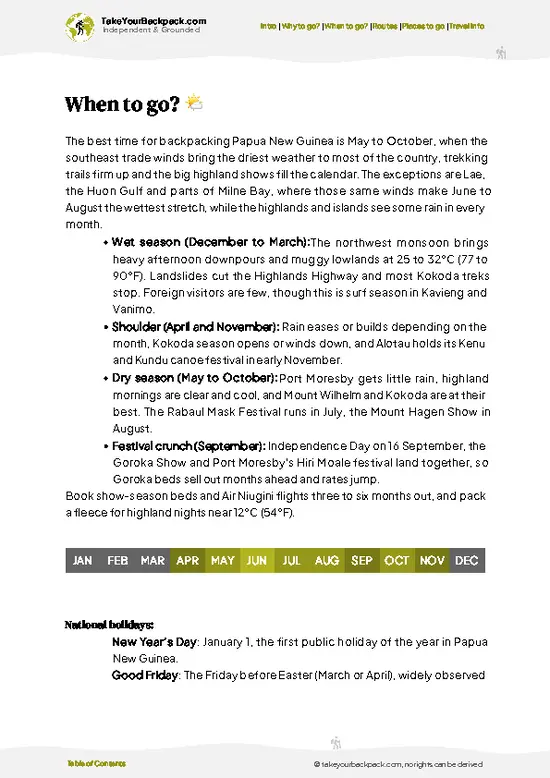
  • Topic: Weather – The festival thrives in Papua New Guinea’s dry season, from May to October. Expect less rain, which means trails stay firm and your gear stays dry. Avoid the wet season (November to April) when heavy rains can turn paths into mudslides and dampen the vibe.

  • Topic: Temperature – Daytime temps hover around 24-28°C (75-82°F) during the dry season, perfect for trekking and outdoor festivities without overheating. Nights can dip to 15-18°C (59-64°F), so pack layers to stay comfortable.

  • Topic: Daylight Hours – Papua New Guinea sits near the equator, offering roughly 12 hours of daylight year-round. This steady light means you can plan your days without worrying about early sunsets cutting your exploration short.

  • Topic: Crowds – The festival draws local and international
read more 👉

  • Topic: Weather – The festival thrives in Papua New Guinea’s dry season, from May to October. Expect less rain, which means trails stay firm and your gear stays dry. Avoid the wet season (November to April) when heavy rains can turn paths into mudslides and dampen the vibe.

  • Topic: Temperature – Daytime temps hover around 24-28°C (75-82°F) during the dry season, perfect for trekking and outdoor festivities without overheating. Nights can dip to 15-18°C (59-64°F), so pack layers to stay comfortable.

  • Topic: Daylight Hours – Papua New Guinea sits near the equator, offering roughly 12 hours of daylight year-round. This steady light means you can plan your days without worrying about early sunsets cutting your exploration short.

  • Topic: Crowds – The festival draws local and international visitors mainly during the dry season, so expect lively crowds but not overwhelming throngs. Arriving early in the season can give you a bit more breathing room.

  • Topic: Seasonal Activities – The dry season aligns with peak cultural events, including traditional dances and warwagira (canoe) races. This timing maximizes your chance to witness authentic ceremonies and community energy.

  • Topic: Price Fluctuations – Accommodation and transport costs spike during the festival’s peak months (July-August). Booking early or targeting shoulder months (May-June or September-October) can save you serious cash without missing the core experience.


Pro-tip: Lock in your trip for the dry season’s start or end to dodge the crowds and rain, stretch your budget, and soak up the festival’s full cultural pulse without the usual hassles.


source: climatestotravel.comJANJanuary: not recommended for travelingFEBFebruary: not recommended for travelingMARMarch: not recommended for travelingAPRApril: not recommended for travelingMAYMay: excellent for travelingJUNJune: not recommended for travelingJULJuly: not recommended for travelingAUGAugust: not recommended for travelingSEPSeptember: not recommended for travelingOCTOctober: not recommended for travelingNOVNovember: not recommended for travelingDECDecember: not recommended for traveling

✈️ The backpacker research shortcutPapua New Guinea Travel Guide

An offline-friendly backpacking guide with optimized travel routes, ranked highlights, transport advice, and the best areas to stay.
example page 0 from our offline Travel Guide for Papua New Guinea
example page 1 from our offline Travel Guide for Papua New Guinea
example page 2 from our offline Travel Guide for Papua New Guinea
example page 3 from our offline Travel Guide for Papua New Guinea
example page 4 from our offline Travel Guide for Papua New Guinea
example page 5 from our offline Travel Guide for Papua New Guinea
example page 6 from our offline Travel Guide for Papua New Guinea
example page 7 from our offline Travel Guide for Papua New Guinea
The digital guide (319 pages) contains:
86 highlights, ranked by travel appeal
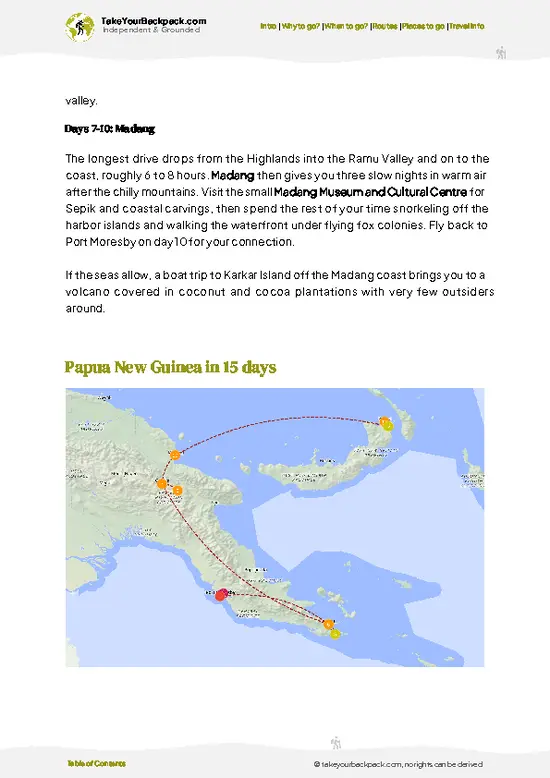
Optimized 5, 10 & 15-day travel routes
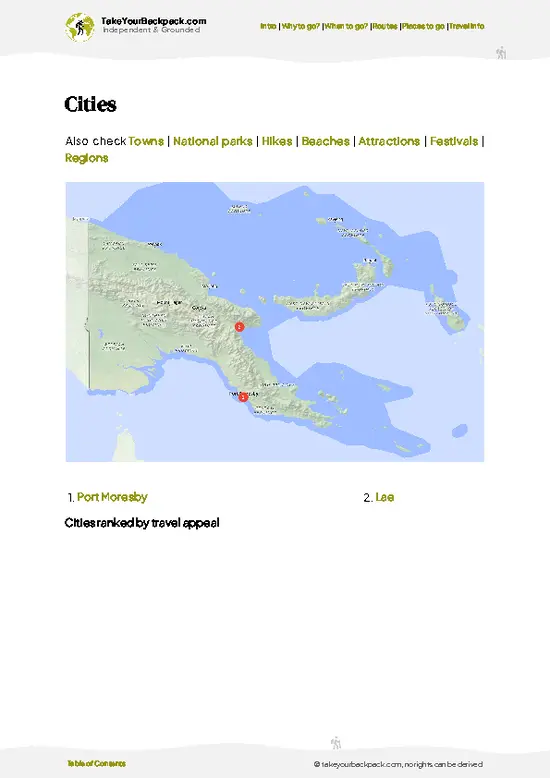
Cities, national parks, landmarks, beaches
How to get around
Offline-friendly for travel without Wi-Fi
👉 Click to see all 30+ guide features

📅 Plan smarter in minutes, not weeks
Month by month travel advice
Festivals & national holidays
Budget expectations

🗺️ Go to the right places, skip the overrated ones
Honest pros & cons of destinations
Top hikes, parks & viewpoints
Lesser-known places most travelers miss
Clear “worth it vs skip it” guidance

🛏️ Travel smoothly without rookie mistakes
Best areas to stay
Transport systems explained simply
Common scams & safety advice
SIM cards, money & practical tips

🌍 Understand the country, not just visit it
Culture & traditions
52 Essential phrases & customs
Festivals worth planning around
Traveler-friendly historical context
Insights that make places more meaningful

📱 Built for real travel conditions
Fully downloadable PDF
Works completely offline
Optimized for phone use
Useful in remote areas & buses
Everything in one place
Save weeks of stressful planning
Get instant access to your full guide. 30‑day money-back guarantee.
+ Add another guide for just R$44.25

By proceeding you agree to our terms.
Sent to your inbox immediately after payment • 100% Secure Checkout
Best Backpacking Travel Advisor 2025 tourism awardBest Backpacking
Travel Advisor
2025
What others say about Take Your Backpack Guides:
⭐⭐⭐⭐⭐
Fantastic, amazing amount of information!
⭐⭐⭐⭐⭐
My goodness this is amazing, it's what I've been looking for hats off too you!
⭐⭐⭐⭐⭐
I think this is absolutely BRILLIANT
⭐⭐⭐⭐
Very complete and informative. It's still missing places, but I gotta to commend you
⭐⭐⭐⭐⭐
This is truly amazing, thank you, can't wait to explore it with my kids!
⭐⭐⭐⭐⭐
Awesome resource, thank you!
⭐⭐⭐⭐⭐
This is amazing! Can't wait to explore the ones I haven't seen
⭐⭐⭐⭐
I love this! Well done, great idea.
⭐⭐⭐⭐⭐
Thanks for taking the time to make this gem!
⭐⭐⭐⭐⭐
This might be the best website I've ever seen.
⭐⭐⭐⭐⭐
Congratulations, and thank you so much for your work; it's incredibly valuable.
⭐⭐⭐⭐
In all seriousness I think you did a great job pointing out the important spots
⭐⭐⭐⭐⭐
10/10 very good
⭐⭐⭐⭐⭐
As someone who's only just starting to visit regularly this is awesome, thank you.
⭐⭐⭐⭐
Thank you very much! I'm going to visit my dad, it's going to be very useful!
⭐⭐⭐⭐⭐
This is really cool! We'll be travelling for the first time and this definitely come in handy.
⭐⭐⭐⭐⭐
You are now our minister of culture, congratulations 👨‍💼
⭐⭐⭐⭐⭐
Just wanted to tell you that this is a pearl! Going to follow your recommendations.
⭐⭐⭐⭐⭐
This is so cool. I'll definitely be using the resource for my travels soon.
⭐⭐⭐⭐⭐
This is very impressive! Good work.
⭐⭐⭐⭐⭐
This is an amazing and informative site. Very well done!

🛏️ Where to stay?Where staying makes the most sense

Stay in Goroka for the National Mask and Warwagira Festival. This bustling town is the heartbeat of the Highlands, where you’ll find a mix of budget-friendly lodgings and vibrant social scenes.

The area around the market is alive with energy. You’ll meet fellow travelers, share stories, and swap tips. Plus, it’s a short walk to the festival grounds, saving you time and energy for the festivities.

Consider the outskirts for a quieter vibe. You’ll still be close enough to join the action but can retreat to a more relaxed atmosphere at the end of the day.

Safety is key; stick to well-lit areas … read more 👉
Stay in Goroka for the National Mask and Warwagira Festival. This bustling town is the heartbeat of the Highlands, where you’ll find a mix of budget-friendly lodgings and vibrant social scenes.

The area around the market is alive with energy. You’ll meet fellow travelers, share stories, and swap tips. Plus, it’s a short walk to the festival grounds, saving you time and energy for the festivities.

Consider the outskirts for a quieter vibe. You’ll still be close enough to join the action but can retreat to a more relaxed atmosphere at the end of the day.

Safety is key; stick to well-lit areas and travel in groups when possible. Embrace the challenge of navigating local culture, and you’ll find that the connections you make here are just as rewarding as the festival itself.

👛 Costs (as of 4 September 2026)How expensive it really is

The National Mask and Warwagira Festival in Papua New Guinea is a vibrant celebration, but navigating the costs can feel like a maze. Here’s how to budget wisely for this adventure.
  • Festival Tickets: Expect to pay around $10 to $20 USD for entry. This fee grants you access to the heart of the festival, where traditional performances and colorful displays come alive. Keep an eye out for any additional fees for special events or workshops, which can add another $5 to $15 USD.
  • Accommodation: Options range widely. Budget travelers can find dormitory beds for about $15 to $30 USD per night. If you prefer a private room, expect to pay between $50 to $100 USD. Book early, as places fill up fast during the festival. Camping is also an option, often free or for a small fee, but check local regulations.
read more 👉
The National Mask and Warwagira Festival in Papua New Guinea is a vibrant celebration, but navigating the costs can feel like a maze. Here’s how to budget wisely for this adventure.
  • Festival Tickets: Expect to pay around $10 to $20 USD for entry. This fee grants you access to the heart of the festival, where traditional performances and colorful displays come alive. Keep an eye out for any additional fees for special events or workshops, which can add another $5 to $15 USD.
  • Accommodation: Options range widely. Budget travelers can find dormitory beds for about $15 to $30 USD per night. If you prefer a private room, expect to pay between $50 to $100 USD. Book early, as places fill up fast during the festival. Camping is also an option, often free or for a small fee, but check local regulations.
  • Local Transport: Getting around can be tricky. Public transport is limited, so budget around $5 to $15 USD for local buses or shared taxis. If you’re feeling adventurous, consider hiring a private vehicle, which could cost $50 to $100 USD per day, depending on your negotiation skills.
  • Food & Drinks: Street food is your best friend here. Meals can cost as little as $2 to $5 USD, while sit-down restaurants might charge $10 to $20 USD for a decent meal. Don’t forget to budget for drinks; local beers are around $2 to $4 USD, while bottled water is essential and usually costs about $1 USD.
  • Miscellaneous Expenses: Always set aside some cash for souvenirs, tips, or unexpected costs. A safe estimate is around $20 to $50 USD. This covers everything from local crafts to small donations for cultural performances.

Planning ahead will keep your energy focused on the festival’s magic, not on financial surprises.


source: papuanewguinea.travel
⚠️ Prices can change and everyone travels differently, so take this as a rough guide. Hope it helps you plan your adventure!

🍲 FoodEating & Drinking in National Mask and Warwagira

At the National Mask and Warwagira Festival, food and drink pulse with local flavor. Dive into mumu, a traditional feast where meats and veggies are slow-cooked in an underground oven, infusing every bite with smoky goodness. Don’t miss the sago pudding—a sweet, starchy delight that’s a staple here.

Festival stalls buzz with energy, serving up fresh coconut water and kunu, a local brew that packs a punch. For authenticity, grab a plate of taro or sweet potato; these aren’t just sides—they’re part of the cultural fabric.

Etiquette matters. Lines can be long, so be patient and ready to share your space. Cash is king here; cards often don’t cut it. Serving sizes are generous, so pace yourself—there’s plenty to savor. Embrace the experience, and let the flavors guide your adventure!

FAQFrequently asked questions about National Mask and Warwagira

The National Mask and Warwagira Festival takes place annually in August, typically lasting for 3 days. It is held in the Eastern Highlands Province of Papua New Guinea.
The cost to attend the National Mask and Warwagira Festival is generally low, with local entry fees around 20 to 50 Papua New Guinean Kina. Additional costs may include travel and accommodation, which vary depending on your starting point and preferences.
Yes, it is recommended to get tickets in advance for the National Mask and Warwagira Festival, especially during peak tourist seasons. Advance booking helps secure entry and avoid last-minute issues, as the festival attracts many visitors.
⚠️ Things can change over time, so always validate details locally before you go.

Other Papua New Guinean festivals near National Mask and Warwagira

Explore more nearby:


💡 Not sure where to go next?
Create a personalized itinerary for Papua New Guinea including National Mask and Warwagira and the places that fit your trip.

Generate my itinerary

👉 Discover all festivals

Or checkout all Papua New Guinea has to offer (think cities, towns, villages, national parks, hikes, beaches, festivals)
Country photo of Papua New Guinea

We 💚 feedbackParting advice and final tips

The energy at the National Mask and Warwagira Festival is electric, a whirlwind of color and sound. Don’t miss the impromptu dance-offs; they’re the heart of the event. Just a heads-up: bring cash for local crafts—those handmade masks are worth every kina. Trust me, you’ll want to take a piece of this magic home.

✍️ Help improve this page!
The information on this page is based on in-depth research, insights shared by experienced travelers, and feedback from the local travel community in Papua New Guinea. While every effort is made to keep the information accurate and current, conditions can change — so if you spot anything incorrect or outdated, please get in touch.


🙋‍♂️ Give feedback

👋 Meet the founderWho’s Behind Take Your Backpack?

Johan, backpacker and founder of TakeYourBackpackHi, I’m Johan (Netherlands 🇳🇱), the creator of TakeYourBackpack. Over the past decade, I’ve backpacked through 80+ countries across six continents, gaining extensive experience with independent travel, long-term trips, and overland routes.

This site is built on a combination of firsthand travel experience and carefully curated insights from other backpackers. Many guides are based on places I’ve personally visited, while others bring together tips, observations, and practical advice shared by trusted travelers I’ve met along the way.

The goal is to provide realistic, experience-driven guidance — not generic itineraries — so you can explore destinations with better context, clearer expectations, and more confidence.

Get full country guide •
Instant download • 86 highlights • Full Offline guide