×

Papua New Guinea🇵🇬 | best festivalsExplore the 10 Best festivals in Papua New Guinea

Festivals in Papua New Guinea pulse with the heartbeat of its diverse cultures, showcasing vibrant traditions and communal spirit. Each region offers a unique flavor, from the highland sing-sings bursting with colorful costumes to coastal celebrations steeped in oceanic heritage. Timing is crucial; festivals often align with seasonal harvests or significant cultural events, impacting your experience as a backpacker. Choosing the right festival can transform your journey, influencing the vibe, budget, and ease of travel. Expect crowds that range from intimate gatherings to massive celebrations, each providing a distinct opportunity for cultural immersion. The right festival choice can elevate your adventure, making every moment richer and more rewarding.

By Johan Kruseman 🇳🇱 | Updated September 5, 2026
Explore the best regions in Papua New Guinea

Why go?What Makes Them Special

Festivals in Papua New Guinea pulse with the heartbeat of culture. They are not mere celebrations; they are vibrant expressions of identity, history, and community. Each festival showcases the diversity of tribes, with over 800 distinct languages and traditions. This cultural mosaic creates a rich tapestry of experiences that are hard to find elsewhere.

The timing of these festivals often aligns with the agricultural calendar, making them a celebration of harvests and ancestral connections. However, this also means that travelers must plan carefully, as many festivals occur in specific seasons, often coinciding with the wet season. This can lead to logistical challenges, including accessibility issues due to muddy roads and limited transport options.

Crowd sizes can vary dramatically. Some … read more 👉
Festivals in Papua New Guinea pulse with the heartbeat of culture. They are not mere celebrations; they are vibrant expressions of identity, history, and community. Each festival showcases the diversity of tribes, with over 800 distinct languages and traditions. This cultural mosaic creates a rich tapestry of experiences that are hard to find elsewhere.

The timing of these festivals often aligns with the agricultural calendar, making them a celebration of harvests and ancestral connections. However, this also means that travelers must plan carefully, as many festivals occur in specific seasons, often coinciding with the wet season. This can lead to logistical challenges, including accessibility issues due to muddy roads and limited transport options.

Crowd sizes can vary dramatically. Some festivals attract thousands, creating an electric atmosphere but also overwhelming the local infrastructure. Conversely, smaller gatherings offer a more intimate experience, allowing for deeper connections with the community, but may require more effort to reach.

Papua New Guinea’s geography adds another layer of complexity. Remote locations can mean long travel times, but the reward is often a more immersive experience. The rugged terrain and vibrant cultures make these festivals a unique opportunity to witness traditions that have thrived for centuries, but travelers must weigh the trade-offs of time and accessibility against the richness of the experience.
Why These Made the Cut
The list of best festivals in Papua New Guinea is created based on energy, traditions, crowd experience, activities, and overall excitement. If you feel a festival is missing in this list, please let us know.

When to go?Timing Your Visit for the Best Experience

Seasonality shapes the festival landscape in Papua New Guinea. The dry season, from May to October, is prime time for cultural celebrations. This period offers clearer skies and more comfortable temperatures, making it easier to immerse in the vibrant atmosphere. Crowds swell during this time, especially around major festivals. Expect lively gatherings, but also higher accommodation costs and busy travel routes.

Shoulder seasons—April and November—provide a different experience. Fewer tourists mean a more intimate connection with local traditions. However, weather can be unpredictable. Rain may linger, impacting outdoor events. The trade-off here is authenticity versus the risk of dampened festivities.

Peak periods can be exhilarating but overwhelming. The energy is palpable, with locals … read more 👉
Seasonality shapes the festival landscape in Papua New Guinea. The dry season, from May to October, is prime time for cultural celebrations. This period offers clearer skies and more comfortable temperatures, making it easier to immerse in the vibrant atmosphere. Crowds swell during this time, especially around major festivals. Expect lively gatherings, but also higher accommodation costs and busy travel routes.

Shoulder seasons—April and November—provide a different experience. Fewer tourists mean a more intimate connection with local traditions. However, weather can be unpredictable. Rain may linger, impacting outdoor events. The trade-off here is authenticity versus the risk of dampened festivities.

Peak periods can be exhilarating but overwhelming. The energy is palpable, with locals and visitors alike celebrating in full force. Yet, this can come at the cost of personal space and higher prices. For those seeking a quieter experience, consider visiting during the wet season, from December to March. While many festivals may be fewer, the lush landscapes and fewer crowds offer a unique perspective on local life.

Understanding these seasonal dynamics is crucial for planning. Each time frame presents distinct rewards and challenges, shaping the festival experience in Papua New Guinea.

festival hoppingSuggested Travel Strategies

Regional Clustering
To maximize festival experiences in Papua New Guinea, start by clustering events regionally. The Highlands are a hotspot, featuring the Goroka Show and Mount Hagen Festival. These events typically occur in August and September, making it ideal to plan a trip around this timeframe.

Optimal Sequencing
Begin in the Highlands, then head to the coastal regions for festivals like the Hiri Moale Festival in Port Moresby. The transition from the mountains to the coast offers a refreshing change of scenery and culture. Travel by air between major hubs to save time, as road conditions can be challenging and slow.

Pacing and Timing
Allocate at least two days per festival to soak in the atmosphere and engage with locals. This pacing allows for recovery and exploration of surrounding … read more 👉
Regional Clustering
To maximize festival experiences in Papua New Guinea, start by clustering events regionally. The Highlands are a hotspot, featuring the Goroka Show and Mount Hagen Festival. These events typically occur in August and September, making it ideal to plan a trip around this timeframe.

Optimal Sequencing
Begin in the Highlands, then head to the coastal regions for festivals like the Hiri Moale Festival in Port Moresby. The transition from the mountains to the coast offers a refreshing change of scenery and culture. Travel by air between major hubs to save time, as road conditions can be challenging and slow.

Pacing and Timing
Allocate at least two days per festival to soak in the atmosphere and engage with locals. This pacing allows for recovery and exploration of surrounding areas. Avoid cramming too many events into a short period; it can lead to fatigue and missed experiences.

Common Pitfalls
Travelers often underestimate travel times and overestimate their stamina. Balancing speed with depth is crucial. Prioritize comfort over budget when booking accommodations, especially during peak festival times, to ensure a restful experience.

Flexibility and Strategy
Be prepared for changes. Weather can impact schedules, and local customs may shift. Maintain flexibility in plans to embrace spontaneous opportunities. This approach enhances the overall experience, turning challenges into memorable moments.

The ListMust-Visit festivals in Papua New Guinea

1 Goroka Show

tribal dress, highland sing-sings, mass dance displays

Witness hundreds of highland groups converge in a single arena, each performing unique dances and showcasing intricate body art and costumes.

2 Mount Hagen Cultural Show

highland tribes, feathered headdresses, competitive performances

See rival clans present elaborate costumes and spirited dances, offering a rare look at the diversity and pride of the Western Highlands.

3 Enga Cultural Show

Engan body paint, clay masks, highland music

Immerse yourself in a gathering where Engan groups display striking face paint, traditional clay masks, and powerful chanted songs.

4 National Mask and Warwagira Festival

mask ceremonies, firewalking, Tolai and Baining traditions

Attend a festival where mask-wearing dancers and firewalkers enact rituals that blend spiritual beliefs with dramatic visual spectacle.

5 Kenu and Kundu Festival

canoe races, drum parades, Milne Bay crafts

Join coastal communities as they celebrate with rhythmic drumbeats, vibrant canoe competitions, and displays of regional artistry along the waterfront.

6 Sepik River Crocodile Festival

crocodile scarification, Sepik rituals, river village gatherings

Observe initiation ceremonies where young men receive crocodile scars, and communities honor the animal’s spiritual role through dance and storytelling.

7 Morobe Show

agricultural displays, livestock parades, Lae city fair

Browse stalls filled with local produce, watch livestock competitions, and mingle with rural families at Papua New Guinea’s largest agricultural event.

8 Bilum Festival

woven bags, women’s weaving, Goroka market

Discover the artistry of bilum weaving as women demonstrate techniques, share stories, and sell their colorful creations in Goroka’s bustling market.

9 Tumbuna Festival

ancestral stories, oral history, Simbu province

Listen as elders recount clan legends, and observe rituals that connect present-day communities to their ancestral roots in the Simbu highlands.

10 Madang Festival

coastal dances, canoe processions, Madang crafts

Stroll the waterfront as local groups perform sea-inspired dances and artisans display intricate shell jewelry and wood carvings unique to Madang.

11 Frangipani Festival

Rabaul remembrance, floral parades, volcano views

Mark the anniversary of Rabaul’s volcanic eruption with flower-filled processions, community events, and panoramic views of the caldera.

12 Bougainville Chocolate Festival

cocoa tastings, plantation tours, chocolate workshops

Sample single-origin chocolate, meet local growers, and learn about the island’s cocoa revival through hands-on workshops and guided tastings.

13 Hiri Moale Festival

Motuan trading canoes, Gulf rituals, Hiri Queen crowning

Experience ancient maritime traditions as decorated lagatoi canoes arrive, accompanied by ceremonial exchanges and the symbolic crowning of the Hiri Queen.

Think you know Papua New Guinea?

Prove you’re a true local — uncover 3 lesser-known festivals in Papua New Guinea that locals tend to keep to themselves.
Loading the map 🌍

Expert viewTips and Advice from Travelers

Festivals in Papua New Guinea pulse with life, drawing you into a whirlwind of color, sound, and culture. With over 800 distinct languages and a rich tapestry of traditions, the festivals here are not just events; they’re a deep dive into the soul of the nation. Aim for at least three to five festivals during your visit to truly grasp the diversity and vibrancy of this land. Each festival offers a unique lens into local customs, so prioritize based on your interests—whether it’s traditional dance, music, or art.

Timing is everything. Most festivals occur between June and October, coinciding with the dry season. This is when the weather is more forgiving, making travel easier and more enjoyable. However, be prepared for crowds. Popular festivals can draw thousands, creating a buzz that’s electric … read more 👉
Festivals in Papua New Guinea pulse with life, drawing you into a whirlwind of color, sound, and culture. With over 800 distinct languages and a rich tapestry of traditions, the festivals here are not just events; they’re a deep dive into the soul of the nation. Aim for at least three to five festivals during your visit to truly grasp the diversity and vibrancy of this land. Each festival offers a unique lens into local customs, so prioritize based on your interests—whether it’s traditional dance, music, or art.

Timing is everything. Most festivals occur between June and October, coinciding with the dry season. This is when the weather is more forgiving, making travel easier and more enjoyable. However, be prepared for crowds. Popular festivals can draw thousands, creating a buzz that’s electric but can also lead to logistical headaches. Arrive early to secure a good spot and soak in the atmosphere. If you’re not keen on large crowds, consider smaller, local festivals that may not be as widely advertised but offer an intimate experience with the community.

Budget considerations are crucial. While some festivals are free, others may charge a nominal entry fee. Factor in transportation costs, which can vary significantly depending on how remote the festival is. Expect to spend more if you’re traveling to the Highlands or other less accessible areas. Accommodations can range from basic guesthouses to more comfortable lodges, so choose based on your comfort level and budget. Remember, the experience is worth the splurge, especially when you’re sharing a meal with locals or dancing under the stars.

Cultural context is vital. Each festival reflects the unique heritage of its region. The Sing-Sing festivals, for example, showcase tribal groups coming together to celebrate their identity through music and dance. This is not just entertainment; it’s a reaffirmation of cultural pride. Engage respectfully with locals; ask questions, and be open to learning. They appreciate genuine interest and will often share stories that enrich your experience.

Infrastructure can be a challenge. Roads may be rough, and public transport can be sporadic. Plan your travel logistics well in advance. If you’re venturing into remote areas, consider hiring a local guide who knows the terrain and can navigate the complexities of travel in Papua New Guinea. This not only enhances your safety but also deepens your understanding of the local culture.

Safety is paramount. While Papua New Guinea is generally safe during festivals, remain aware of your surroundings. Keep your belongings secure and avoid displaying valuables. Respect local customs, especially in more traditional settings. Dress modestly and be mindful of cultural sensitivities. This will not only keep you safe but also foster goodwill with the communities you’re visiting.

The visceral rewards of attending these festivals are immense. Picture yourself surrounded by vibrant costumes, the rhythmic beat of drums echoing in your chest, and the aroma of traditional foods wafting through the air. The moment you join in the dance or share a laugh with a local is when the effort truly pays off. You’re not just a spectator; you’re part of a living, breathing culture that thrives on connection and celebration.

In Papua New Guinea, the journey is as enriching as the destination. Embrace the chaos, the beauty, and the spirit of the festivals. Each step you take will lead you deeper into the heart of this extraordinary country.

✈️ The backpacker research shortcutPapua New Guinea Travel Guide

An offline-friendly backpacking guide with optimized travel routes, ranked highlights, transport advice, and the best areas to stay.
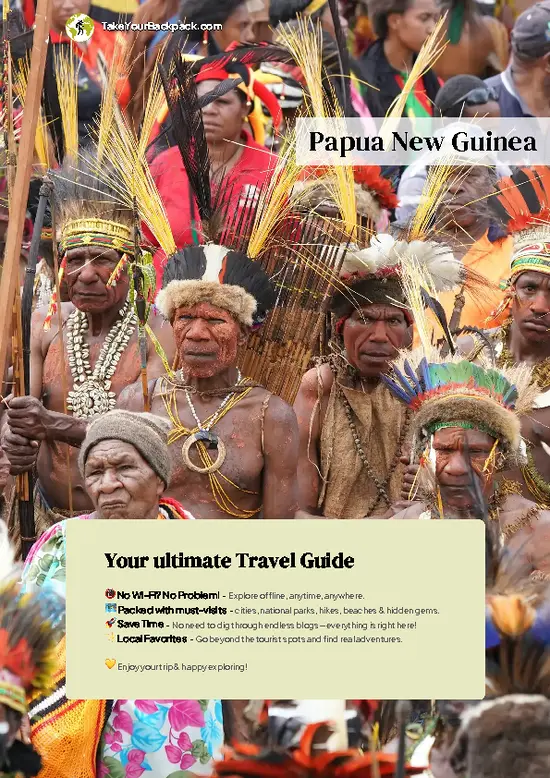
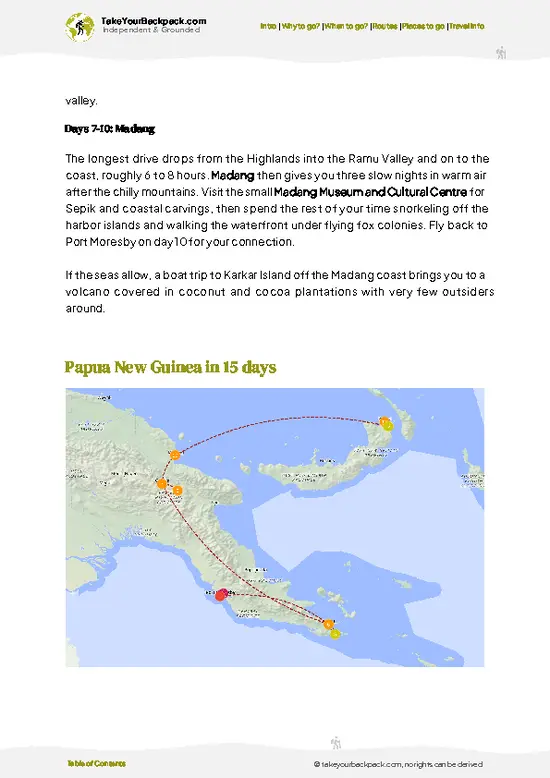
example page 0 from our offline Travel Guide for Papua New Guinea
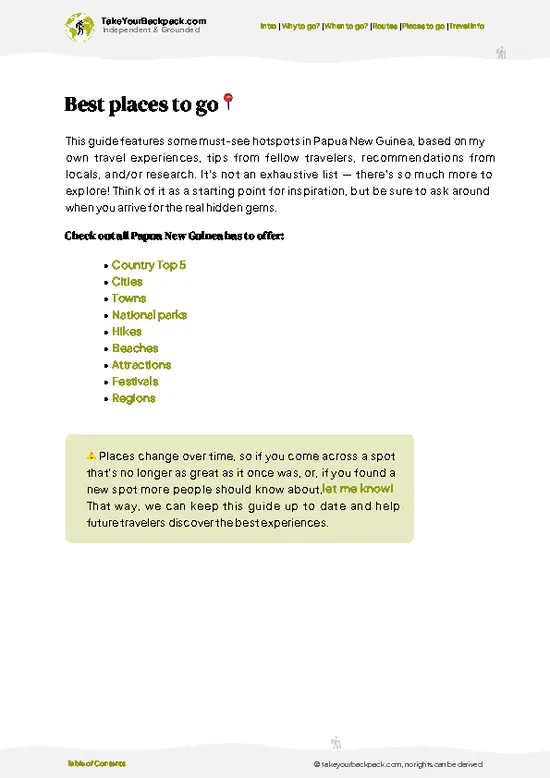
example page 1 from our offline Travel Guide for Papua New Guinea
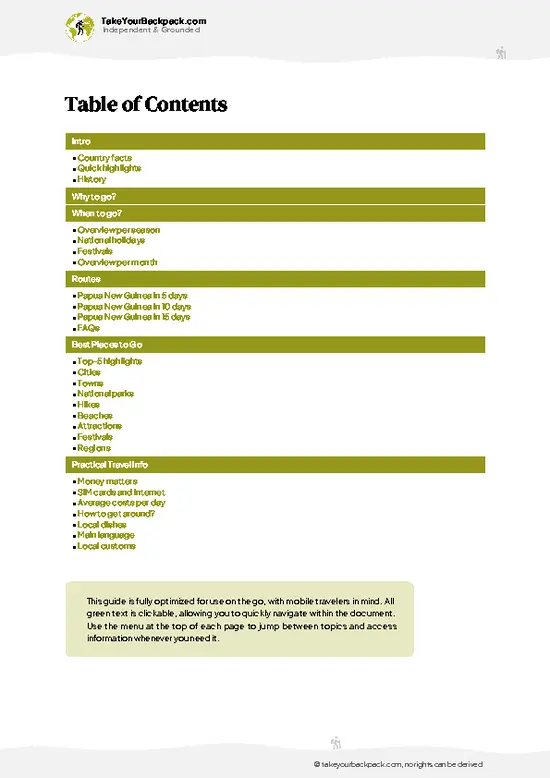
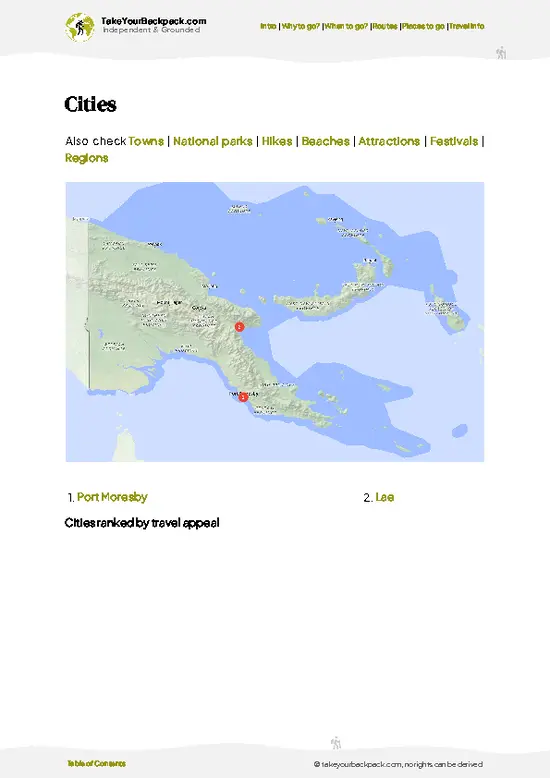
example page 2 from our offline Travel Guide for Papua New Guinea
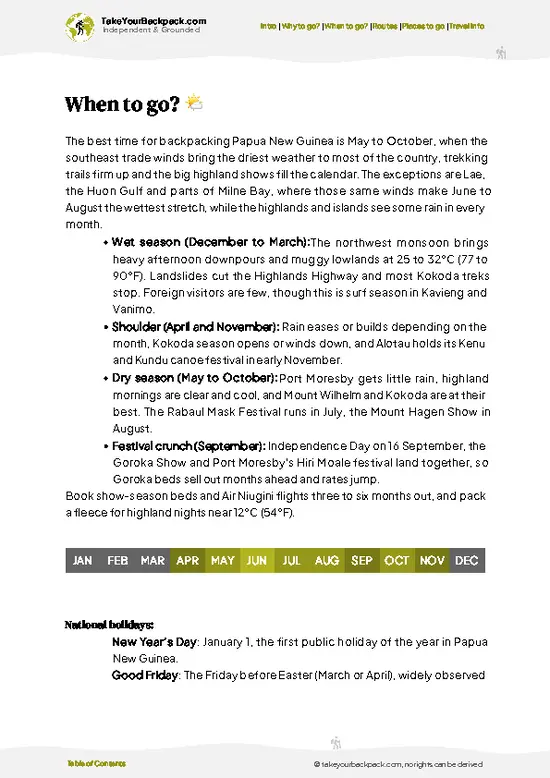
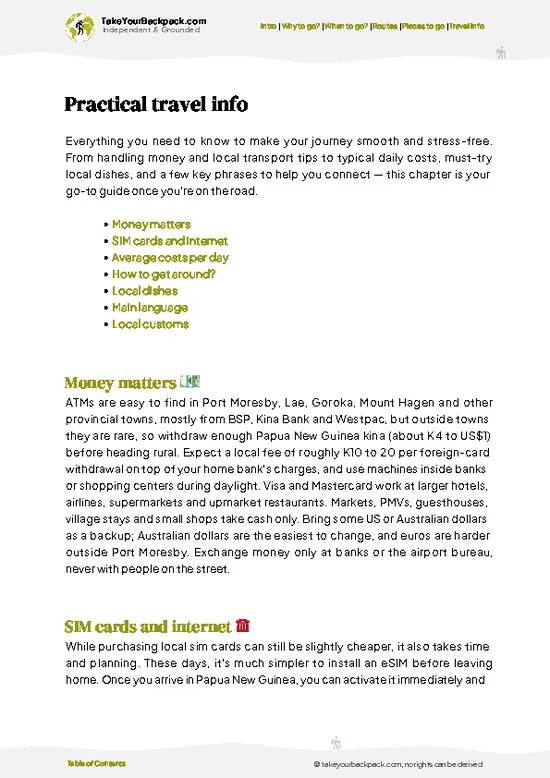
example page 3 from our offline Travel Guide for Papua New Guinea
example page 4 from our offline Travel Guide for Papua New Guinea
example page 5 from our offline Travel Guide for Papua New Guinea
example page 6 from our offline Travel Guide for Papua New Guinea
example page 7 from our offline Travel Guide for Papua New Guinea
The digital guide (319 pages) contains:
86 highlights, ranked by travel appeal
Optimized 5, 10 & 15-day travel routes
Cities, national parks, landmarks, beaches
How to get around
Offline-friendly for travel without Wi-Fi
👉 Click to see all 30+ guide features

📅 Plan smarter in minutes, not weeks
Month by month travel advice
Festivals & national holidays
Budget expectations

🗺️ Go to the right places, skip the overrated ones
Honest pros & cons of destinations
Top hikes, parks & viewpoints
Lesser-known places most travelers miss
Clear “worth it vs skip it” guidance

🛏️ Travel smoothly without rookie mistakes
Best areas to stay
Transport systems explained simply
Common scams & safety advice
SIM cards, money & practical tips

🌍 Understand the country, not just visit it
Culture & traditions
52 Essential phrases & customs
Festivals worth planning around
Traveler-friendly historical context
Insights that make places more meaningful

📱 Built for real travel conditions
Fully downloadable PDF
Works completely offline
Optimized for phone use
Useful in remote areas & buses
Everything in one place
Save weeks of stressful planning
Get instant access to your full guide. 30‑day money-back guarantee.
+ Add another guide for just €6.50

By proceeding you agree to our terms.
Sent to your inbox immediately after payment • 100% Secure Checkout
Best Backpacking Travel Advisor 2025 tourism awardBest Backpacking
Travel Advisor
2025
What others say about Take Your Backpack Guides:
⭐⭐⭐⭐⭐
Fantastic, amazing amount of information!
⭐⭐⭐⭐⭐
My goodness this is amazing, it's what I've been looking for hats off too you!
⭐⭐⭐⭐⭐
I think this is absolutely BRILLIANT
⭐⭐⭐⭐
Very complete and informative. It's still missing places, but I gotta to commend you
⭐⭐⭐⭐⭐
This is truly amazing, thank you, can't wait to explore it with my kids!
⭐⭐⭐⭐⭐
Awesome resource, thank you!
⭐⭐⭐⭐⭐
This is amazing! Can't wait to explore the ones I haven't seen
⭐⭐⭐⭐
I love this! Well done, great idea.
⭐⭐⭐⭐⭐
Thanks for taking the time to make this gem!
⭐⭐⭐⭐⭐
This might be the best website I've ever seen.
⭐⭐⭐⭐⭐
Congratulations, and thank you so much for your work; it's incredibly valuable.
⭐⭐⭐⭐
In all seriousness I think you did a great job pointing out the important spots
⭐⭐⭐⭐⭐
10/10 very good
⭐⭐⭐⭐⭐
As someone who's only just starting to visit regularly this is awesome, thank you.
⭐⭐⭐⭐
Thank you very much! I'm going to visit my dad, it's going to be very useful!
⭐⭐⭐⭐⭐
This is really cool! We'll be travelling for the first time and this definitely come in handy.
⭐⭐⭐⭐⭐
You are now our minister of culture, congratulations 👨‍💼
⭐⭐⭐⭐⭐
Just wanted to tell you that this is a pearl! Going to follow your recommendations.
⭐⭐⭐⭐⭐
This is so cool. I'll definitely be using the resource for my travels soon.
⭐⭐⭐⭐⭐
This is very impressive! Good work.
⭐⭐⭐⭐⭐
This is an amazing and informative site. Very well done!

🛏️ Where to stay?Where to Base Yourself

Yes — Papua New Guinea has hostels and budget guesthouses concentrated in major towns rather than the bush, but options are scarcer and more basic than in Southeast Asia so book ahead and expect simple shared facilities.
In Port Moresby look around the CBD, Boroko and Gordons for the most budget choices—good for airport access and museums but limited nightlife and higher crime, so pick compounds with security and avoid walking after dark.
Madang (town centre/waterfront) is best for diving and relaxed evenings with safer daytime streets; Lae and other coastal towns are practical transit bases with limited amenities; Highlands hubs like Goroka and Mount Hagen offer basic guesthouses for shows … read more 👉
Yes — Papua New Guinea has hostels and budget guesthouses concentrated in major towns rather than the bush, but options are scarcer and more basic than in Southeast Asia so book ahead and expect simple shared facilities.
In Port Moresby look around the CBD, Boroko and Gordons for the most budget choices—good for airport access and museums but limited nightlife and higher crime, so pick compounds with security and avoid walking after dark.
Madang (town centre/waterfront) is best for diving and relaxed evenings with safer daytime streets; Lae and other coastal towns are practical transit bases with limited amenities; Highlands hubs like Goroka and Mount Hagen offer basic guesthouses for shows and treks but services and after-dark safety vary, so carry cash, confirm transfers, and prioritize secure properties.

If you enjoy meeting fellow travelers, consider choosing hostels with high ratings for atmosphere. On the other hand, if you prefer having your own space, a hotel might be a better option.

Papua New GuineaExpand Your Journey

👋 Meet the founderWho’s Behind Take Your Backpack?

Johan, backpacker and founder of TakeYourBackpackHi, I’m Johan (Netherlands 🇳🇱), the creator of TakeYourBackpack. Over the past decade, I’ve backpacked through 80+ countries across six continents, gaining extensive experience with independent travel, long-term trips, and overland routes.

This site is built on a combination of firsthand travel experience and carefully curated insights from other backpackers. Many guides are based on places I’ve personally visited, while others bring together tips, observations, and practical advice shared by trusted travelers I’ve met along the way.

The goal is to provide realistic, experience-driven guidance — not generic itineraries — so you can explore destinations with better context, clearer expectations, and more confidence.

Get full country guide •
Instant download • 86 highlights • Full Offline guide