×

Papua New Guinea🇵🇬 | townsLorengauManus Island capital, tropical harbor, administrative center | things to do and best time to go

Explore TariExplore Arawa

Backpacking in Lorengau
👍 Recommendedtown ranked #11
By Johan Kruseman 🇳🇱 | Updated July 30, 2026

Most people only know Lorengau from grim headlines and assume it’s a no‑go zone; on the ground, it’s a small, workaday island town that’s rough around the edges but not a war zone. Lorengau sits on Manus Island, in Manus Province, off Papua New Guinea’s north coast, and for backpackers it’s more gateway than “must‑see.” You come here to stage boat trips to outer villages, reefs, and jungle interiors, not for museums or nightlife. The town is compact and walkable, with a dusty main street, a busy market, a few basic guesthouses, and the smell of woodsmoke and sea. Transport is mostly small boats and shared vehicles, so patience matters. It’s cheaper than mainland hubs like Madang, quieter than Wewak, and you’ll meet more aid workers and locals than fellow backpackers, which can feel either deeply real or a bit isolating, depending on what you’re after.

Discover everything you want to know in the 📖 Papua New Guinea Travel Guide.
Loading the map 🌍
CLICK TO FILTER
cities
towns
national parks
hikes
beaches
attractions
festivals
regions
SHOW COUNTRY’S BESTSHOW ALL

✨ Why go?
Ranked #11 town in Papua New Guinea
Why visitors keep coming back

Backpackers flock to Lorengau for its role as a gateway to the stunning landscapes of Manus Province. The town’s walkable streets make it easy to explore local markets and sample fresh seafood that’s caught daily. Small-scale guesthouses offer a cozy atmosphere, perfect for solo travelers or small groups looking to connect. Many stay a few days, soaking in the laid-back vibe while planning hikes to nearby beaches or cultural sites. The friendly locals add to the charm, making it a welcoming spot for those who appreciate genuine interactions. While nightlife isn’t a highlight, the social atmosphere thrives in shared meals and stories. For slow travelers or those seeking a brief respite before heading to more remote adventures, Lorengau is a practical stop that feels like a warm embrace.
Want to include Lorengau in your Papua New Guinea route?
Create a personalized Papua New Guinea itinerary that includes Lorengau and the places that fit your trip — based on your travel style, budget, and available time. Get your route in seconds.

Generate my trip

💡 HighlightsDon't-miss highlights and experiences

Quick note before I dig in: Lorengau is a small administrative town on Manus Island with limited formal “tourist attractions.” If you absolutely require ten strictly inside the municipal town boundaries I can try to stretch to ten, but I want to be honest — a few entries will be small-but-real community spots (market, wharf, churches, wartime remnants, local craft hubs) rather than big-name attractions. Do you want me to proceed with a strict list of 10 within the town limits, or would you prefer I include a couple of immediately nearby sites (Los Negros / Pityilu / nearby islands) to flesh the list out with stronger day-trip options?
Spotted a mistake or missing something? Contact us.

🏘️ NeighborhoodsNeighborhood guide to Lorengau

Lorengau, the capital of Manus Province, is a vibrant hub that offers a unique blend of local culture and natural beauty. Here’s how to navigate its neighborhoods like a pro.

Town Center: This is the heartbeat of Lorengau. You’ll find local markets, shops, and eateries buzzing with life. The vibe is energetic, perfect for short stays. Walkability is high; everything is within reach. Grab a fresh coconut or some street food while you soak in the atmosphere. Nightlife is low-key, with a few bars to unwind after a day of exploration.

Manus Island Lodge Area: A bit quieter, this area is ideal for longer stays. It’s close to the beach, offering stunning sunset views. The vibe is relaxed, perfect for those looking to recharge. Transport options are limited, so plan ahead. Enjoy the local cuisine … read more 👉
Lorengau, the capital of Manus Province, is a vibrant hub that offers a unique blend of local culture and natural beauty. Here’s how to navigate its neighborhoods like a pro.

Town Center: This is the heartbeat of Lorengau. You’ll find local markets, shops, and eateries buzzing with life. The vibe is energetic, perfect for short stays. Walkability is high; everything is within reach. Grab a fresh coconut or some street food while you soak in the atmosphere. Nightlife is low-key, with a few bars to unwind after a day of exploration.

Manus Island Lodge Area: A bit quieter, this area is ideal for longer stays. It’s close to the beach, offering stunning sunset views. The vibe is relaxed, perfect for those looking to recharge. Transport options are limited, so plan ahead. Enjoy the local cuisine at nearby restaurants, where the scent of grilled fish fills the air.

Wuvulu Island Access: If you’re seeking adventure, this area is your launchpad. It’s less developed but offers access to stunning beaches and snorkeling spots. The atmosphere is laid-back, attracting those who want to escape the hustle. Expect a longer stay here, as you’ll want to soak in the natural beauty. Transport can be tricky, so check schedules in advance.

⌛️ 1 dayHow to make the most of one day

Lorengau, the capital of Manus Province, is a vibrant blend of local culture and stunning coastal views. The town pulses with life, from the bustling markets to the serene beaches. Start your day early at the Lorengau Market. The air is thick with the scent of fresh produce and the chatter of vendors. Grab a cup of locally brewed coffee and some sweet, ripe tropical fruit. This is where you’ll feel the heartbeat of the community.

After fueling up, take a stroll along the waterfront. The turquoise waters shimmer under the morning sun, and you might catch fishermen hauling in their catch. Head to the nearby Manus Island Heritage Centre. It’s often overlooked by tourists, but it offers a deep dive into the rich history and culture of the region. The artifacts and stories shared by the local … read more 👉
Lorengau, the capital of Manus Province, is a vibrant blend of local culture and stunning coastal views. The town pulses with life, from the bustling markets to the serene beaches. Start your day early at the Lorengau Market. The air is thick with the scent of fresh produce and the chatter of vendors. Grab a cup of locally brewed coffee and some sweet, ripe tropical fruit. This is where you’ll feel the heartbeat of the community.

After fueling up, take a stroll along the waterfront. The turquoise waters shimmer under the morning sun, and you might catch fishermen hauling in their catch. Head to the nearby Manus Island Heritage Centre. It’s often overlooked by tourists, but it offers a deep dive into the rich history and culture of the region. The artifacts and stories shared by the local guides will give you a profound appreciation for the island’s heritage.

In the afternoon, venture to the picturesque Loniu Beach. The soft sand and gentle waves invite you to relax. Bring a book or simply soak in the sun. If you’re feeling adventurous, consider snorkeling in the nearby coral reefs; the underwater world is teeming with life.

As evening approaches, return to town for dinner at a local eatery. Try the fresh fish cooked in coconut milk, a dish that embodies the flavors of the region. The day winds down with the sunset painting the sky in hues of orange and pink, a perfect backdrop to reflect on your day in this unique corner of Papua New Guinea.
Turn your Lorengau visit into an Papua New Guinea adventure
Build a complete Papua New Guinea route with Lorengau, hidden gems, must-see destinations, and realistic travel times included.

Generate my trip

🌤️ When to go?Best time to visit Lorengau


  • Topic: Weather – Lorengau’s tropical climate means heavy rains from December to March, turning trails into slippery mud and skies into thick gray sheets. The drier months, April to November, offer clearer skies and easier trekking conditions.

  • Topic: Temperature – Expect steady warmth year-round, hovering around 27–30°C (80–86°F). Nights cool slightly during the dry season, making early mornings perfect for hikes without the usual sticky humidity.

  • Topic: Daylight Hours – Near the equator, daylight stays consistent, roughly 12 hours daily. This steady rhythm means you can plan your days confidently without worrying about early sunsets cutting your adventures short.

  • Topic: Crowds – Lorengau is off the beaten path, so crowds are minimal year-round. However, local festivals in July and
read more 👉

  • Topic: Weather – Lorengau’s tropical climate means heavy rains from December to March, turning trails into slippery mud and skies into thick gray sheets. The drier months, April to November, offer clearer skies and easier trekking conditions.

  • Topic: Temperature – Expect steady warmth year-round, hovering around 27–30°C (80–86°F). Nights cool slightly during the dry season, making early mornings perfect for hikes without the usual sticky humidity.

  • Topic: Daylight Hours – Near the equator, daylight stays consistent, roughly 12 hours daily. This steady rhythm means you can plan your days confidently without worrying about early sunsets cutting your adventures short.

  • Topic: Crowds – Lorengau is off the beaten path, so crowds are minimal year-round. However, local festivals in July and August bring a burst of energy and cultural events worth timing your visit for.

  • Topic: Seasonal Activities – Dry months are prime for diving and exploring coastal reefs, while the wet season’s rougher seas limit water activities but enhance jungle trekking with lush greenery.

  • Topic: Price Fluctuations – Accommodation and transport costs dip slightly during the wet season due to fewer tourists, but the trade-off is dealing with unpredictable weather and limited access to some trails.


Pro-tip: Aim for May to September to catch the sweet spot of dry weather, manageable temperatures, and vibrant local culture without the hassle of crowds or inflated prices.


source: climatestotravel.comJANJanuary: fair for travelingFEBFebruary: fair for travelingMARMarch: fair for travelingAPRApril: highly recommended for travelingMAYMay: excellent for travelingJUNJune: excellent for travelingJULJuly: excellent for travelingAUGAugust: excellent for travelingSEPSeptember: excellent for travelingOCTOctober: highly recommended for travelingNOVNovember: highly recommended for travelingDECDecember: fair for traveling
papua-new-guinea-city-lorengau
© Google |

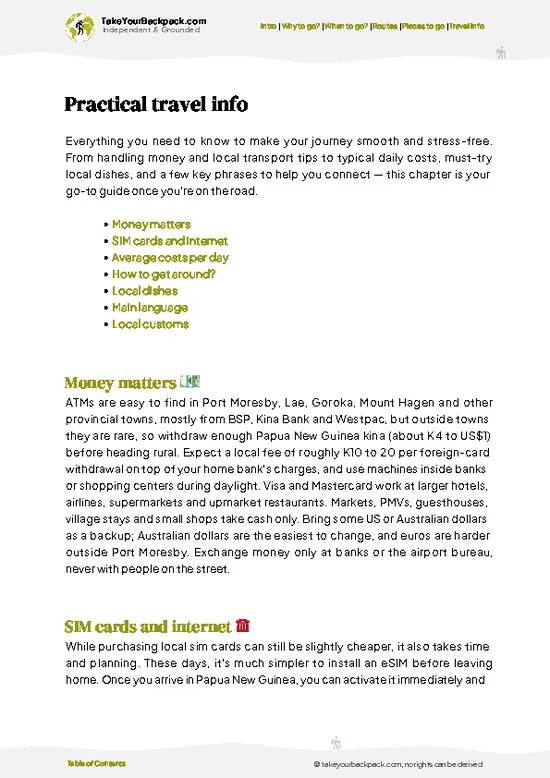
✈️ The backpacker research shortcutPapua New Guinea Travel Guide

An offline-friendly backpacking guide with optimized travel routes, ranked highlights, transport advice, and the best areas to stay.
example page 0 from our offline Travel Guide for Papua New Guinea
example page 1 from our offline Travel Guide for Papua New Guinea
example page 2 from our offline Travel Guide for Papua New Guinea
example page 3 from our offline Travel Guide for Papua New Guinea
example page 4 from our offline Travel Guide for Papua New Guinea
example page 5 from our offline Travel Guide for Papua New Guinea
example page 6 from our offline Travel Guide for Papua New Guinea
example page 7 from our offline Travel Guide for Papua New Guinea
The digital guide (319 pages) contains:
86 highlights, ranked by travel appeal
Optimized 5, 10 & 15-day travel routes
Cities, national parks, landmarks, beaches
How to get around
Offline-friendly for travel without Wi-Fi
👉 Click to see all 30+ guide features

📅 Plan smarter in minutes, not weeks
Month by month travel advice
Festivals & national holidays
Budget expectations

🗺️ Go to the right places, skip the overrated ones
Honest pros & cons of destinations
Top hikes, parks & viewpoints
Lesser-known places most travelers miss
Clear “worth it vs skip it” guidance

🛏️ Travel smoothly without rookie mistakes
Best areas to stay
Transport systems explained simply
Common scams & safety advice
SIM cards, money & practical tips

🌍 Understand the country, not just visit it
Culture & traditions
52 Essential phrases & customs
Festivals worth planning around
Traveler-friendly historical context
Insights that make places more meaningful

📱 Built for real travel conditions
Fully downloadable PDF
Works completely offline
Optimized for phone use
Useful in remote areas & buses
Everything in one place
Save weeks of stressful planning
Get instant access to your full guide. 30‑day money-back guarantee.


By proceeding you agree to our terms.
Sent to your inbox immediately after payment • 100% Secure Checkout
Best Backpacking Travel Advisor 2025 tourism awardBest Backpacking
Travel Advisor
2025
What others say about Take Your Backpack Guides:
⭐⭐⭐⭐⭐
Fantastic, amazing amount of information!
⭐⭐⭐⭐⭐
My goodness this is amazing, it's what I've been looking for hats off too you!
⭐⭐⭐⭐⭐
I think this is absolutely BRILLIANT
⭐⭐⭐⭐
Very complete and informative. It's still missing places, but I gotta to commend you
⭐⭐⭐⭐⭐
This is truly amazing, thank you, can't wait to explore it with my kids!
⭐⭐⭐⭐⭐
Awesome resource, thank you!
⭐⭐⭐⭐⭐
This is amazing! Can't wait to explore the ones I haven't seen
⭐⭐⭐⭐
I love this! Well done, great idea.
⭐⭐⭐⭐⭐
Thanks for taking the time to make this gem!
⭐⭐⭐⭐⭐
This might be the best website I've ever seen.
⭐⭐⭐⭐⭐
Congratulations, and thank you so much for your work; it's incredibly valuable.
⭐⭐⭐⭐
In all seriousness I think you did a great job pointing out the important spots
⭐⭐⭐⭐⭐
10/10 very good
⭐⭐⭐⭐⭐
As someone who's only just starting to visit regularly this is awesome, thank you.
⭐⭐⭐⭐
Thank you very much! I'm going to visit my dad, it's going to be very useful!
⭐⭐⭐⭐⭐
This is really cool! We'll be travelling for the first time and this definitely come in handy.
⭐⭐⭐⭐⭐
You are now our minister of culture, congratulations 👨‍💼
⭐⭐⭐⭐⭐
Just wanted to tell you that this is a pearl! Going to follow your recommendations.
⭐⭐⭐⭐⭐
This is so cool. I'll definitely be using the resource for my travels soon.
⭐⭐⭐⭐⭐
This is very impressive! Good work.
⭐⭐⭐⭐⭐
This is an amazing and informative site. Very well done!

🛏️ Where to stay?Best areas and accommodation options

Lorengau’s best backpacker zone centers around the town’s waterfront and main market area. This strip hums with local life from dawn, the salty breeze mixing with the scent of fresh fish and tropical fruit. Staying here means you’re steps from the pulse—vendors calling out, kids darting through narrow lanes, and the occasional motorbike rumble. It’s not polished, but that’s the point: you get raw, unfiltered Papua New Guinea energy.

Safety-wise, this area benefits from a steady flow of locals and travelers, which naturally discourages trouble. It’s social without being overwhelming—perfect for … read more 👉
Lorengau’s best backpacker zone centers around the town’s waterfront and main market area. This strip hums with local life from dawn, the salty breeze mixing with the scent of fresh fish and tropical fruit. Staying here means you’re steps from the pulse—vendors calling out, kids darting through narrow lanes, and the occasional motorbike rumble. It’s not polished, but that’s the point: you get raw, unfiltered Papua New Guinea energy.

Safety-wise, this area benefits from a steady flow of locals and travelers, which naturally discourages trouble. It’s social without being overwhelming—perfect for solo backpackers wanting to swap stories over a cold drink or find a walking buddy. Hostels here are basic but reliable, offering communal spaces where you can meet others without the tourist bubble feeling too thick.

Venture farther from this hub, and the vibe shifts—quieter, less connected, and with fewer budget options. For a first-timer or anyone craving that authentic, gritty edge, the waterfront market district is your launchpad.

🚌 Getting aroundMoving around without the hassle

Lorengau moves at its own rhythm—less a clock-driven town and more a place where the sun and tides set the pace. The air carries the salty tang of the sea mixed with the earthy scent of damp jungle, and locals navigate the streets with a laid-back confidence that borders on improvisation. You won’t find strict timetables here; instead, you’ll learn to read the flow of the day by watching when the boats dock or the minibuses fill up. This isn’t a place for rigid schedules, but for tuning in to the natural pulse of island life. Embrace the unpredictability—it’s part of the charm and the challenge.


  • Walking: The heart of Lorengau is compact enough to explore on foot. Streets are uneven and sometimes muddy after rain, so sturdy shoes are a must. Walking lets you soak in the humid air, hear
read more 👉
Lorengau moves at its own rhythm—less a clock-driven town and more a place where the sun and tides set the pace. The air carries the salty tang of the sea mixed with the earthy scent of damp jungle, and locals navigate the streets with a laid-back confidence that borders on improvisation. You won’t find strict timetables here; instead, you’ll learn to read the flow of the day by watching when the boats dock or the minibuses fill up. This isn’t a place for rigid schedules, but for tuning in to the natural pulse of island life. Embrace the unpredictability—it’s part of the charm and the challenge.


  • Walking: The heart of Lorengau is compact enough to explore on foot. Streets are uneven and sometimes muddy after rain, so sturdy shoes are a must. Walking lets you soak in the humid air, hear the chatter of market vendors, and catch glimpses of children playing barefoot. It’s free, flexible, and the best way to discover tucked-away corners.


  • Local Motorbike Taxis (PMVs): These are the workhorses of Lorengau’s transit, darting through narrow lanes and offering rides for about 5 to 10 PGK (Papua New Guinean Kina). They don’t run on a fixed schedule—just flag one down when you see it. Expect a bumpy, open-air ride that’s quick but noisy, perfect for short hops across town or to the waterfront.


  • Public Buses: If you’re heading to nearby villages or the airport, the buses are your budget option. They leave when full, which can mean waiting under the tropical sun, but fares stay low (around 10-15 PGK). The buses are basic, often crowded, and slow, but they offer a genuine slice of local life and a chance to chat with fellow passengers.


  • Inter-Island Boats: For trips beyond Lorengau, boats are essential. They don’t run on strict schedules—departures depend on weather and passenger numbers. Prices vary widely, so negotiate firmly. The ride can be rough, with salt spray and sun beating down, but the views of the archipelago’s jagged coastline are worth every jolt.

👛 Costs (as of 30 July 2026)How expensive it really is

Backpacking in Lorengau, Papua New Guinea, means embracing a raw, off-the-beaten-path vibe where costs stay modest but the experience feels rich and unfiltered.
  • Dorm Accommodation: Expect basic guesthouses or local lodges with shared rooms. Prices hover around $10 to $20 USD per night. These places often lack fancy amenities but offer a chance to connect with locals and fellow travelers in a simple, no-frills setting.
  • Meals: Food is straightforward and filling. Street food or small local eateries serve up dishes like fresh fish, root vegetables, and coconut-based sauces for about $3 to $7 USD per meal. Western-style or imported foods push the price higher, so sticking to local fare keeps your budget lean.
  • Local Transport: Transport options are limited and informal—think shared minibuses
read more 👉
Backpacking in Lorengau, Papua New Guinea, means embracing a raw, off-the-beaten-path vibe where costs stay modest but the experience feels rich and unfiltered.
  • Dorm Accommodation: Expect basic guesthouses or local lodges with shared rooms. Prices hover around $10 to $20 USD per night. These places often lack fancy amenities but offer a chance to connect with locals and fellow travelers in a simple, no-frills setting.
  • Meals: Food is straightforward and filling. Street food or small local eateries serve up dishes like fresh fish, root vegetables, and coconut-based sauces for about $3 to $7 USD per meal. Western-style or imported foods push the price higher, so sticking to local fare keeps your budget lean.
  • Local Transport: Transport options are limited and informal—think shared minibuses or motorbike taxis. A typical short ride costs around $1 to $3 USD. Since Lorengau is small, many spots are walkable, which saves money and lets you soak in the humid, salty air and the chatter of the town.
  • Basic Activities/Entry Fees: Most cultural sites or natural spots don’t have hefty entrance fees. You might pay $2 to $5 USD for access to community-run tours or local markets. The real cost here is time and curiosity, not cash.
  • Miscellaneous Expenses: Budget a few dollars for essentials like bottled water, snacks, or phone credit. Around $2 to $5 USD daily covers these small but necessary extras, especially given the tropical heat and limited infrastructure.

All told, you’re looking at roughly $20 to $40 USD per day. This range balances the barebones with a bit of comfort, letting you focus on the unique textures of Lorengau—the humid air, the vibrant local life, and the slow rhythm of a place where travel feels like stepping into a different pace of existence.


source: papuanewguinea.travel
⚠️ Prices can change and everyone travels differently, so take this as a rough guide. Hope it helps you plan your adventure!

🚌 Day tripsWhere to go beyond the main area

Lorengau, the capital of Manus Province, is a fantastic base for backpackers eager to explore the surrounding beauty of Papua New Guinea. With its laid-back vibe and friendly locals, you can easily set off on day trips that reveal the island’s rich culture and stunning landscapes.

Manus Island Cultural Tour
Immerse yourself in the vibrant local culture with a guided tour around Manus Island. You’ll visit traditional villages, witness local crafts, and maybe even catch a dance performance. The trip takes about 30 minutes by boat, and you can expect to spend around $30 for the day, including lunch. The best time to go is during the dry season, from May to October, when the weather is more predictable. A common mistake is underestimating the cultural significance of the villages; take your … read more 👉
Lorengau, the capital of Manus Province, is a fantastic base for backpackers eager to explore the surrounding beauty of Papua New Guinea. With its laid-back vibe and friendly locals, you can easily set off on day trips that reveal the island’s rich culture and stunning landscapes.

Manus Island Cultural Tour
Immerse yourself in the vibrant local culture with a guided tour around Manus Island. You’ll visit traditional villages, witness local crafts, and maybe even catch a dance performance. The trip takes about 30 minutes by boat, and you can expect to spend around $30 for the day, including lunch. The best time to go is during the dry season, from May to October, when the weather is more predictable. A common mistake is underestimating the cultural significance of the villages; take your time to engage with the locals.


Los Negros Island Snorkeling
Just a short boat ride away, Los Negros Island offers some of the best snorkeling in the region. The coral reefs are teeming with colorful fish and marine life. The trip usually takes about 20 minutes, and you can rent gear for around $10. Aim for the early morning to avoid the crowds and enjoy the calm waters. Many first-timers forget to bring reef-safe sunscreen, which is crucial for protecting both your skin and the environment.


Blue Lagoon Beach
For a relaxing day, head to Blue Lagoon Beach. The soft sand and clear waters make it an ideal spot for sunbathing or swimming. It’s about a 45-minute drive from Lorengau, costing roughly $15 for transport. The best time to visit is during the afternoon when the sun is at its peak, but don’t forget to pack snacks, as facilities are limited. Newcomers often overlook the importance of hydration; bring plenty of water to keep your energy up.


Rugged Coastline Hike
If you’re up for a challenge, the rugged coastline hike offers breathtaking views and a chance to see unique wildlife. The trailhead is just a 30-minute drive from Lorengau, and the hike itself can take 3-4 hours. Expect to spend about $10 on transport. The dry season is ideal for this trek, as the trails can get muddy during the rainy months. Many first-timers underestimate the difficulty; wear sturdy shoes and bring a walking stick for support.
Want to know what more Papua New Guinea offers?
The Papua New Guinea Travel Guide describes 86 highlights, from cities to national parks, from beaches to hikes

Get the Travel Guide -

🛡️ SafetyStaying Safe: What Travelers Should Know

Lorengau is generally safe, but staying aware enhances your experience. Stick to well-lit areas after dark, especially if you’re solo. The waterfront can be lively during the day, but it quiets down at night, so plan your movements accordingly.

While scams aren’t rampant, be cautious with overly friendly locals offering unsolicited help. Politely decline if you feel pressured; a firm but friendly demeanor goes a long way.

Expect some everyday annoyances, like sporadic power outages or slow internet. Embrace it. These quirks are part of the local rhythm. Carry a small flashlight for those darker paths and keep your valuables close. This way, you can soak in the atmosphere without unnecessary stress.

Other Papua New Guinean towns near Lorengau

Explore more nearby:

  • Madang—coral reefs, waterfront promenade, colonial relics| 392 km away
  • Kavieng—island hopping, surf breaks, WWII wrecks| 396 km away
  • Wewak—Sepik gateway, coastal hills, war memorials| 437 km away

💡 Not sure where to go next?
Create a personalized itinerary for Papua New Guinea including Lorengau and the places that fit your trip.

Generate my itinerary

👉 Discover all towns

Or checkout all Papua New Guinea has to offer (think cities, towns, villages, national parks, hikes, beaches, festivals)
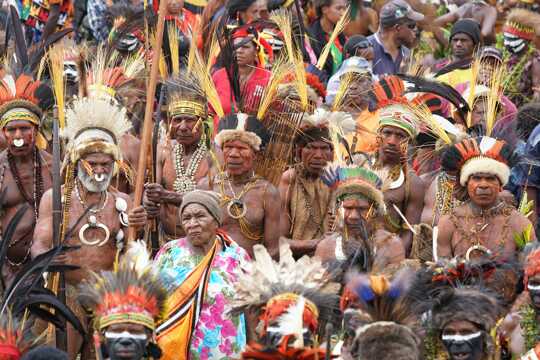
Country photo of Papua New Guinea

We 💚 feedbackFinal thoughts on visiting Lorengau

Lorengau has a raw, unfiltered vibe that feels like stepping into another world. The best surprise? The warmth of the locals—everyone’s ready to share a story or a meal. Just a heads-up: the roads can be rough, so don’t rush. Embrace the slow pace; it’s part of the charm. You’ll find beauty in the journey, not just the destination.

✍️ Help improve this page!
The information on this page is based on in-depth research, insights shared by experienced travelers, and feedback from the local travel community in Papua New Guinea. While every effort is made to keep the information accurate and current, conditions can change — so if you spot anything incorrect or outdated, please get in touch.


🙋‍♂️ Give feedback

👋 Meet the founderWho’s Behind Take Your Backpack?

Johan, backpacker and founder of TakeYourBackpackHi, I’m Johan (Netherlands 🇳🇱), the creator of TakeYourBackpack. Over the past decade, I’ve backpacked through 80+ countries across six continents, gaining extensive experience with independent travel, long-term trips, and overland routes.

This site is built on a combination of firsthand travel experience and carefully curated insights from other backpackers. Many guides are based on places I’ve personally visited, while others bring together tips, observations, and practical advice shared by trusted travelers I’ve met along the way.

The goal is to provide realistic, experience-driven guidance — not generic itineraries — so you can explore destinations with better context, clearer expectations, and more confidence.

Get full country guide •
Instant download • 86 highlights • Full Offline guide