×

Papua New Guinea🇵🇬 | beachesMisima Island Beachesgold mining history, coconut plantations, sheltered bays | things to do and best time to go

Explore Kiriwina Island BeachesExplore Trobriand Islands Beaches

Backpacking in Misima Island Beaches
👌 Worth visitingbeach ranked #18
By Johan Kruseman 🇳🇱 | Updated September 4, 2026

Everyone assumes Misima Island’s beaches are some polished resort secret; they’re not, they’re raw PNG—beautiful and a bit feral. Misima sits in the Louisiade Archipelago, off Papua New Guinea’s southeast, and it’s a low-key win for backpackers who like clear water, reefy snorkel potential, and almost no crowds, but also don’t mind patchy cleanliness, basic guesthouses, and hit-or-miss food. Compared with Alotau or Kavieng’s more developed beaches, Misima feels wilder, harder to reach, cheaper, and way less curated.

Discover everything you want to know in the 📖 Papua New Guinea Travel Guide.
Loading the map 🌍
CLICK TO FILTER
cities
towns
national parks
hikes
beaches
attractions
festivals
regions
SHOW COUNTRY’S BESTSHOW ALL

✨ Why go?
Ranked #18 beach in Papua New Guinea
What makes this beach worth visiting

Misima Island Beaches are a must-stop for backpackers, and not just because they’re pretty. The laid-back atmosphere invites you to kick off your shoes and forget the world. Prices are refreshingly affordable, so you can splurge on a cold drink without breaking the bank. The social scene is vibrant, with fellow travelers swapping stories and laughter, making it feel like a mini family reunion. Plus, the beaches serve as a connector along the coastal route, offering a perfect pause to recharge before diving back into the adventure. It’s not just a place to swim; it’s a slice of paradise where the grind feels a little lighter.
Want to include Misima Island Beaches in your Papua New Guinea route?
Create a personalized Papua New Guinea itinerary that includes Misima Island Beaches and the places that fit your trip — based on your travel style, budget, and available time. Get your route in seconds.

Generate my trip

💡 HighlightsTop highlights of Misima Island Beaches

  • Snorkel the fringing coral gardens: shallow reefs lie just off the sand with dense soft corals, giant clams and resident turtles — easy shore entries and almost no day-trippers make for private, up-close encounters.
  • Small-boat dives on the island drop-offs: short boat runs reach steep walls and swim-throughs where macro critters and schooling reef fish thrive; currents bring healthy biodiversity not found on sheltered resort reefs.
  • Walk the old mining coastline: rusting relics, raised tailing beaches and reclaimed bush create a stark, moonscape-like shoreline — a raw landscape that tells the island’s gold-mining history while offering unusual photo ops.
  • Village market and hands-on cultural visits: morning markets and home-stays let you watch sago being prepared, buy handmade shell and
read more 👉
  • Snorkel the fringing coral gardens: shallow reefs lie just off the sand with dense soft corals, giant clams and resident turtles — easy shore entries and almost no day-trippers make for private, up-close encounters.
  • Small-boat dives on the island drop-offs: short boat runs reach steep walls and swim-throughs where macro critters and schooling reef fish thrive; currents bring healthy biodiversity not found on sheltered resort reefs.
  • Walk the old mining coastline: rusting relics, raised tailing beaches and reclaimed bush create a stark, moonscape-like shoreline — a raw landscape that tells the island’s gold-mining history while offering unusual photo ops.
  • Village market and hands-on cultural visits: morning markets and home-stays let you watch sago being prepared, buy handmade shell and woven crafts, and learn traditional canoe and fishing techniques from locals.
  • Headland hikes for sunrise and seabirds: short climbs to volcanic ridges reward you with sweeping views, nesting seabird colonies and dramatic coastlines — great for early-morning light and quiet wildlife watching.
  • Night snorkel to see nocturnal reef life: torch-lit swims reveal sleeping parrotfish, octopus, crabs and shrimp activity that disappears by day — bring a reef-safe torch and go with someone who knows the spots.
  • Beachside village songs, dances and communal evenings: locals often gather after dark for music, storytelling and food — it’s cultural, unpolished and the best way to experience everyday island life without bars or tourist shows.
  • Stargazing and occasional bioluminescence: minimal light pollution gives vivid Milky Way views, and on calm nights sheltered bays can show faint phosphorescent glows — simple, very local magic.
  • Tag-along night fishing with locals: watch or join small-scale lamp-lit reef fishing and line-throwing techniques — hands-on, practical and far removed from commercial tours.
  • Seasonal turtle patrols and moonlit nesting watches: when nesting season hits, guided night walks can let you observe turtles coming ashore (always keep distance and follow local guidance) — a rare, quiet island ritual.
Spotted a mistake or missing something? Contact us.
🌤️ When to go?Seasonal considerations and timing


  • Topic: Weather – Aim for May to October when the dry season keeps the skies clear and the humidity manageable. Avoid the wet season (November to April) unless you enjoy impromptu mud baths and mosquito marathons.

  • Topic: Temperature – Expect a steady 27-31°C (81-88°F). It’s tropical, so pack light, but don’t forget sun protection—Misima’s sun is no joke.

  • Topic: Daylight Hours – Roughly 11 to 12 hours year-round, so you get plenty of daylight to explore before the island’s early nightfall kicks in.

  • Topic: Crowds – Crowds? What crowds? Misima’s remote charm means you’ll mostly have the beaches to yourself, even in peak season.

  • Topic: Seasonal Activities – Dry season is prime for snorkeling and fishing; wet season limits water clarity and outdoor plans.

  • Topic: Price Fluctuations – Prices stay
read more 👉

  • Topic: Weather – Aim for May to October when the dry season keeps the skies clear and the humidity manageable. Avoid the wet season (November to April) unless you enjoy impromptu mud baths and mosquito marathons.

  • Topic: Temperature – Expect a steady 27-31°C (81-88°F). It’s tropical, so pack light, but don’t forget sun protection—Misima’s sun is no joke.

  • Topic: Daylight Hours – Roughly 11 to 12 hours year-round, so you get plenty of daylight to explore before the island’s early nightfall kicks in.

  • Topic: Crowds – Crowds? What crowds? Misima’s remote charm means you’ll mostly have the beaches to yourself, even in peak season.

  • Topic: Seasonal Activities – Dry season is prime for snorkeling and fishing; wet season limits water clarity and outdoor plans.

  • Topic: Price Fluctuations – Prices stay fairly stable due to limited tourism infrastructure, but expect slightly higher costs during dry season when demand peaks.


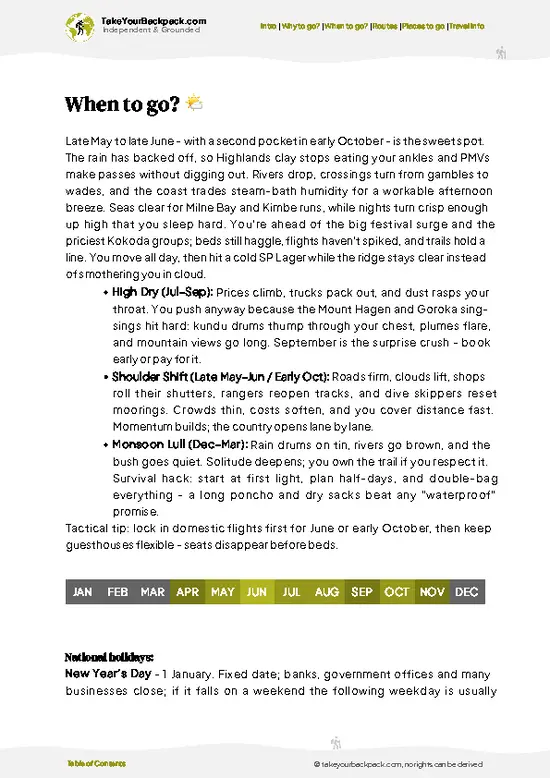
Pro-tip: Visit during the dry season for the best combo of weather and water clarity—because soggy socks and murky reefs don’t make for great stories.


source: climatestotravel.comJANJanuary: below average for travelingFEBFebruary: below average for travelingMARMarch: below average for travelingAPRApril: fair for travelingMAYMay: excellent for travelingJUNJune: excellent for travelingJULJuly: excellent for travelingAUGAugust: excellent for travelingSEPSeptember: excellent for travelingOCTOctober: excellent for travelingNOVNovember: fair for travelingDECDecember: below average for traveling
when-to-go

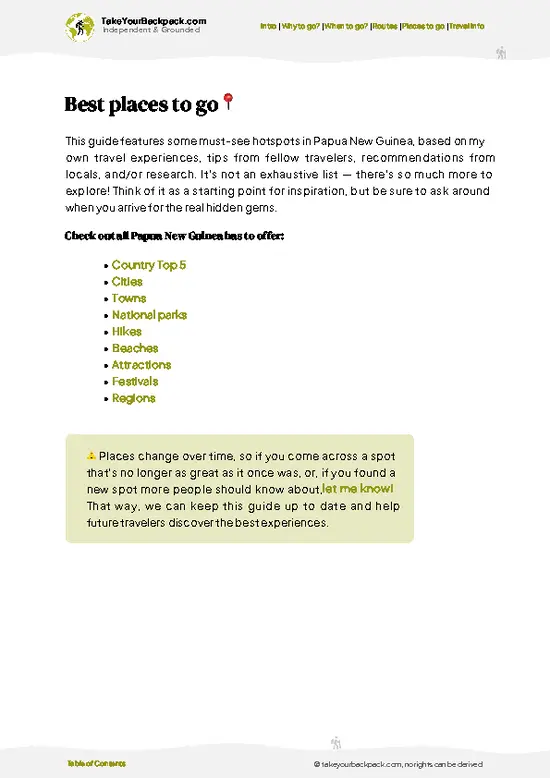
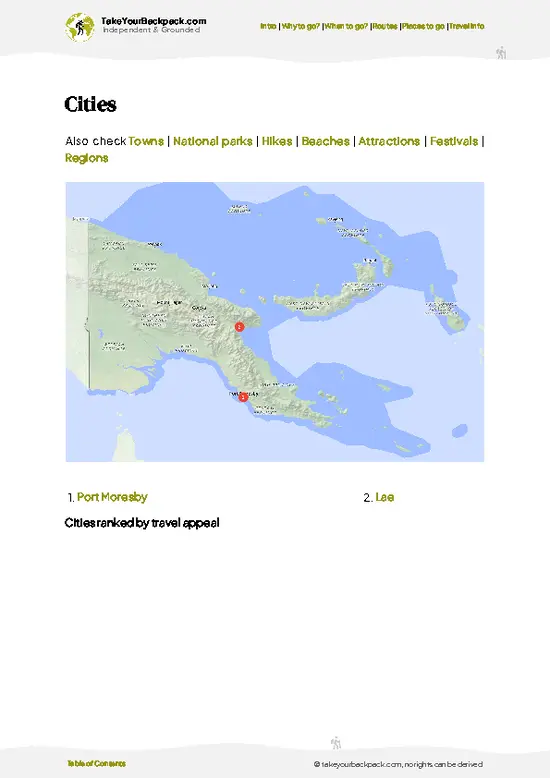
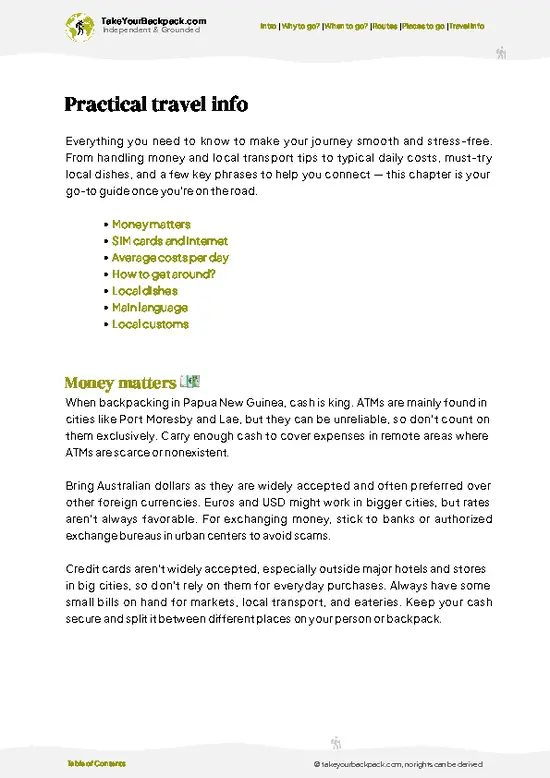
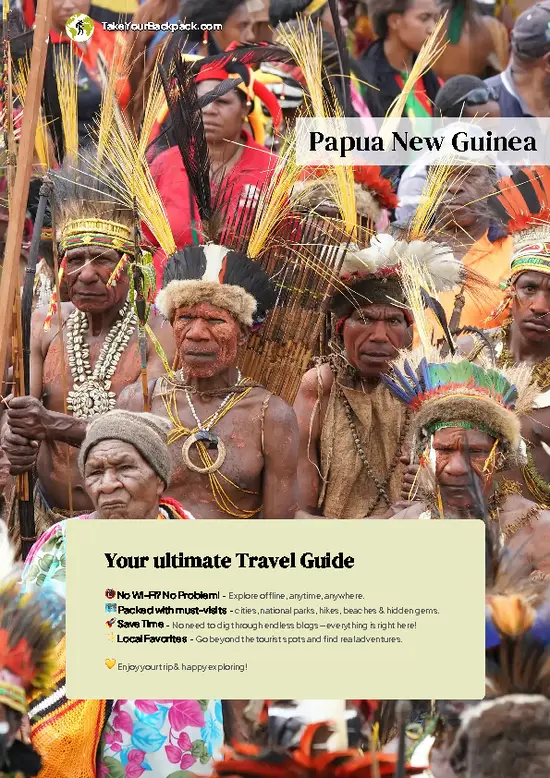
✈️ The backpacker research shortcutPapua New Guinea Travel Guide

An offline-friendly backpacking guide with optimized travel routes, ranked highlights, transport advice, and the best areas to stay.
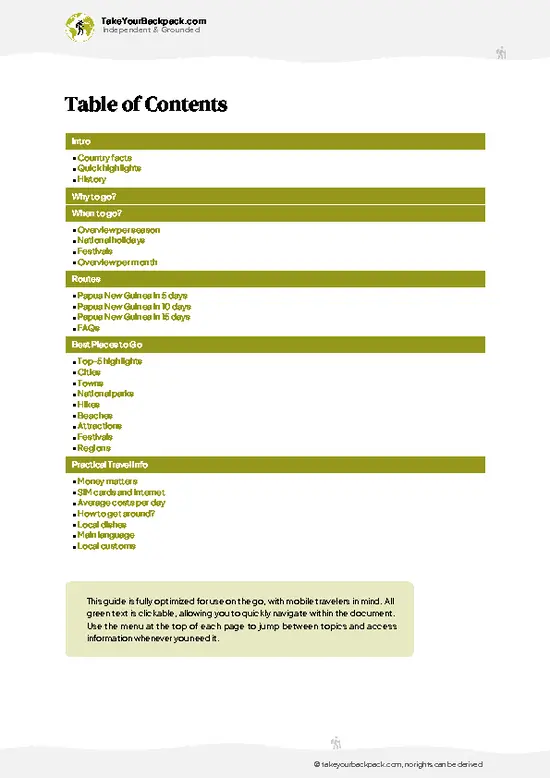
example page 0 from our offline Travel Guide for Papua New Guinea
example page 1 from our offline Travel Guide for Papua New Guinea
example page 2 from our offline Travel Guide for Papua New Guinea
example page 3 from our offline Travel Guide for Papua New Guinea
example page 4 from our offline Travel Guide for Papua New Guinea
example page 5 from our offline Travel Guide for Papua New Guinea
example page 6 from our offline Travel Guide for Papua New Guinea
example page 7 from our offline Travel Guide for Papua New Guinea
The digital guide (319 pages) contains:
86 highlights, ranked by travel appeal
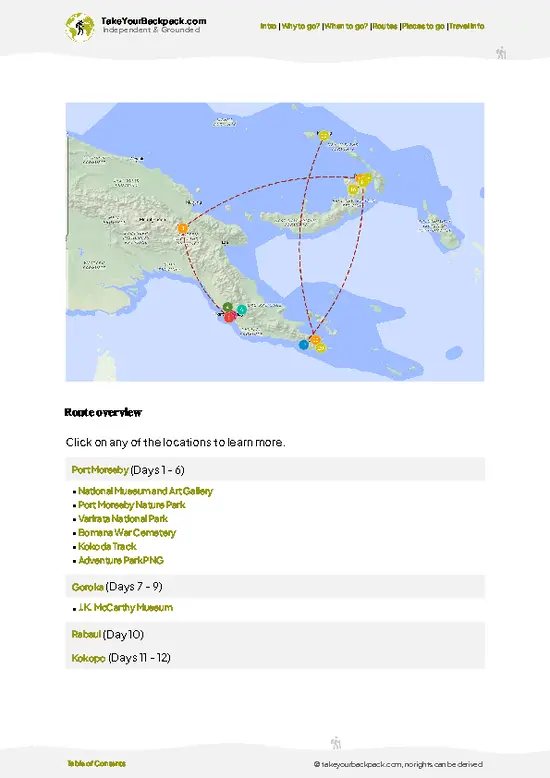
Optimized 5, 10 & 15-day travel routes
Cities, national parks, landmarks, beaches
How to get around
Offline-friendly for travel without Wi-Fi
👉 Click to see all 30+ guide features

📅 Plan smarter in minutes, not weeks
Month by month travel advice
Festivals & national holidays
Budget expectations

🗺️ Go to the right places, skip the overrated ones
Honest pros & cons of destinations
Top hikes, parks & viewpoints
Lesser-known places most travelers miss
Clear “worth it vs skip it” guidance

🛏️ Travel smoothly without rookie mistakes
Best areas to stay
Transport systems explained simply
Common scams & safety advice
SIM cards, money & practical tips

🌍 Understand the country, not just visit it
Culture & traditions
52 Essential phrases & customs
Festivals worth planning around
Traveler-friendly historical context
Insights that make places more meaningful

📱 Built for real travel conditions
Fully downloadable PDF
Works completely offline
Optimized for phone use
Useful in remote areas & buses
Everything in one place
Save weeks of stressful planning
Get instant access to your full guide. 30‑day money-back guarantee.
+ Add another guide for just £5.98

By proceeding you agree to our terms.
Sent to your inbox immediately after payment • 100% Secure Checkout
Best Backpacking Travel Advisor 2025 tourism awardBest Backpacking
Travel Advisor
2025
What others say about Take Your Backpack Guides:
⭐⭐⭐⭐⭐
Fantastic, amazing amount of information!
⭐⭐⭐⭐⭐
My goodness this is amazing, it's what I've been looking for hats off too you!
⭐⭐⭐⭐⭐
I think this is absolutely BRILLIANT
⭐⭐⭐⭐
Very complete and informative. It's still missing places, but I gotta to commend you
⭐⭐⭐⭐⭐
This is truly amazing, thank you, can't wait to explore it with my kids!
⭐⭐⭐⭐⭐
Awesome resource, thank you!
⭐⭐⭐⭐⭐
This is amazing! Can't wait to explore the ones I haven't seen
⭐⭐⭐⭐
I love this! Well done, great idea.
⭐⭐⭐⭐⭐
Thanks for taking the time to make this gem!
⭐⭐⭐⭐⭐
This might be the best website I've ever seen.
⭐⭐⭐⭐⭐
Congratulations, and thank you so much for your work; it's incredibly valuable.
⭐⭐⭐⭐
In all seriousness I think you did a great job pointing out the important spots
⭐⭐⭐⭐⭐
10/10 very good
⭐⭐⭐⭐⭐
As someone who's only just starting to visit regularly this is awesome, thank you.
⭐⭐⭐⭐
Thank you very much! I'm going to visit my dad, it's going to be very useful!
⭐⭐⭐⭐⭐
This is really cool! We'll be travelling for the first time and this definitely come in handy.
⭐⭐⭐⭐⭐
You are now our minister of culture, congratulations 👨‍💼
⭐⭐⭐⭐⭐
Just wanted to tell you that this is a pearl! Going to follow your recommendations.
⭐⭐⭐⭐⭐
This is so cool. I'll definitely be using the resource for my travels soon.
⭐⭐⭐⭐⭐
This is very impressive! Good work.
⭐⭐⭐⭐⭐
This is an amazing and informative site. Very well done!

🛏️ Where to stay?Best areas to stay in Papua New Guinea

Misima Island is a slice of paradise, but let’s cut through the fluff. For backpackers, the best spots are around the main village. It’s where the action is, with locals who’ll greet you like family and fellow travelers who share your quest for adventure.

Stay near the beach for easy access to those sun-soaked shores and the occasional coconut drink. The vibe is relaxed, and you’ll find plenty of opportunities to swap stories over a campfire.

Avoid the more isolated areas unless you’re into solitude and mosquito serenades. Stick to the village, where safety and socializing go hand in hand. You’ll thank yourself later.

🛡️ SafetyScams, Hazards, and Annoyances

Misima Island Beaches are generally safe and inviting, but a little awareness goes a long way. Currents can be sneaky, especially during high tide, so stick to areas where locals swim. They know the lay of the land—or water, in this case. Watch for jellyfish; they can pop up unexpectedly, but they’re not a constant threat.

The sun can be relentless, so slather on that sunscreen and take breaks under the shade. Keep an eye on your belongings; while the locals are friendly, it’s wise to stay vigilant. Enjoy the waves, but respect the ocean’s moods.

FAQTraveler FAQ

You get to Misima Island Beaches by flying into Misima Island Airport from Port Moresby or Alotau, followed by a short taxi or boat ride to the beach areas. Flights are typically available twice a week and take about 1.5 hours. There are no direct international flights, so connecting through Papua New Guinea's main hubs is necessary.
Misima Island Beaches are good for swimming and snorkeling due to clear waters and abundant coral reefs. Surfing is less common here as the waves are generally small and inconsistent. The best snorkeling conditions are from May to October when the seas are calmest.
Yes, Misima Island Beaches are free to visit. There are no entrance fees or permits required for beach access. However, budget for transportation and basic supplies as facilities are limited.
⚠️ Things can change over time, so always validate details locally before you go.

Other Papua New Guinean beaches near Misima Island Beaches

Explore more nearby:

  • Tawali Resort—house reef, limestone cliffs, overwater bungalows| 217 km away
  • Doini Island—coral gardens, private islet, snorkeling coves| 219 km away
  • Samarai Island—historic port, colonial ruins, narrow lanes| 225 km away

💡 Not sure where to go next?
Create a personalized itinerary for Papua New Guinea including Misima Island Beaches and the places that fit your trip.

Generate my itinerary

👉 Discover all beaches

Or checkout all Papua New Guinea has to offer (think cities, towns, villages, national parks, hikes, beaches, festivals)
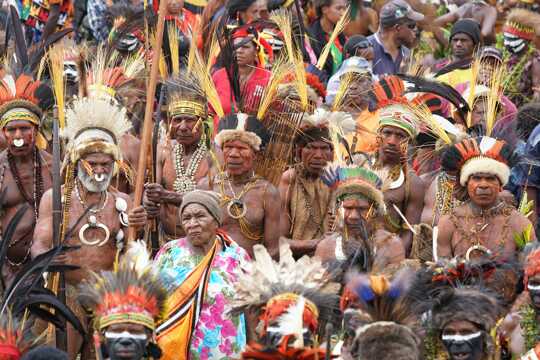
Country photo of Papua New Guinea

We 💚 feedbackFinal thoughts on visiting Misima Island Beaches

Misima Island beaches? Essential. Picture this: powdery sand, warm locals, and zero crowds. The best surprise? Finding a hidden cove where the only noise is the waves and your own laughter. Just watch out for the occasional rogue crab—those little guys have attitude!

✍️ Help improve this page!
The information on this page is based on in-depth research, insights shared by experienced travelers, and feedback from the local travel community in Papua New Guinea. While every effort is made to keep the information accurate and current, conditions can change — so if you spot anything incorrect or outdated, please get in touch.


🙋‍♂️ Give feedback

👋 Meet the founderWho’s Behind Take Your Backpack?

Johan, backpacker and founder of TakeYourBackpackHi, I’m Johan (Netherlands 🇳🇱), the creator of TakeYourBackpack. Over the past decade, I’ve backpacked through 80+ countries across six continents, gaining extensive experience with independent travel, long-term trips, and overland routes.

This site is built on a combination of firsthand travel experience and carefully curated insights from other backpackers. Many guides are based on places I’ve personally visited, while others bring together tips, observations, and practical advice shared by trusted travelers I’ve met along the way.

The goal is to provide realistic, experience-driven guidance — not generic itineraries — so you can explore destinations with better context, clearer expectations, and more confidence.

Get full country guide •
Instant download • 86 highlights • Full Offline guide