
×

Papua New Guinea🇵🇬 | townsKokopomarket town, volcanic soil, Tolai culture | things to do and best time to go

Explore KikoriExplore Madang

Backpacking in Kokopo
🏆 Top picktown ranked #2
By Johan Kruseman 🇳🇱 | Updated July 30, 2026

Most people who’ve heard of Kokopo picture a rough, chaotic PNG port; in reality it’s calmer, cleaner, and far more low-key than its reputation suggests. Sitting on the Gazelle Peninsula in East New Britain, just across the water from Rabaul, Kokopo is the practical hub you pass through to reach the real magic: volcano views, WWII relics, and reef-heavy coastline. The town itself feels spread out and functional, with a busy market, a few supermarkets, and some guesthouses rather than classic backpacker hostels, so nights are quiet and socializing leans on whoever’s in your lodge bar. It’s easier and safer than Rabaul, but less atmospheric; think staging ground, not final goal. PMVs and shared taxis connect you to beaches and villages, yet you’ll still walk dusty roads under heavy sun. Costs are high for what you get, but Kokopo earns its place as your basecamp for East New Britain, not the headline act.

Discover everything you want to know in the 📖 Papua New Guinea Travel Guide.
Loading the map 🌍
CLICK TO FILTER
cities
towns
national parks
hikes
beaches
attractions
festivals
regions
SHOW COUNTRY’S BESTSHOW ALL

✨ Why go?
Ranked #2 town in Papua New Guinea
What makes it a must-see town

Kokopo serves as a gateway for backpackers exploring the stunning landscapes of Papua New Guinea. Its convenient location near the Volcanoes and beaches makes it a strategic stop for those eager to hike or dive into local culture. You’ll find small-scale hostels and guesthouses that offer a cozy atmosphere, perfect for solo travelers or small groups looking to connect. The walkable streets are lined with local eateries where the aroma of fresh seafood mingles with the scent of tropical fruits, inviting you to savor authentic dishes.

Backpackers often stay a few days, soaking in the friendly social vibe while planning their next adventure. It’s not a party town, but the sense of community is palpable, making it easy to strike up conversations with fellow travelers or locals. Whether you’re … read more 👉
Kokopo serves as a gateway for backpackers exploring the stunning landscapes of Papua New Guinea. Its convenient location near the Volcanoes and beaches makes it a strategic stop for those eager to hike or dive into local culture. You’ll find small-scale hostels and guesthouses that offer a cozy atmosphere, perfect for solo travelers or small groups looking to connect. The walkable streets are lined with local eateries where the aroma of fresh seafood mingles with the scent of tropical fruits, inviting you to savor authentic dishes.

Backpackers often stay a few days, soaking in the friendly social vibe while planning their next adventure. It’s not a party town, but the sense of community is palpable, making it easy to strike up conversations with fellow travelers or locals. Whether you’re a slow traveler wanting to immerse yourself in the culture or a hiker eager to tackle nearby trails, Kokopo offers a blend of convenience and charm that feels earned, not just a pit stop.
Want to include Kokopo in your Papua New Guinea route?
Create a personalized Papua New Guinea itinerary that includes Kokopo and the places that fit your trip — based on your travel style, budget, and available time. Get your route in seconds.

Generate my trip

💡 HighlightsTop highlights of Kokopo

  1. Kokopo Market — The town’s beating heart: a crowded, colourful market where vendors sell fresh fish, tropical fruit, betel nut, carved souvenirs and shell money. Great for people-watching, quick cheap meals and picking up authentic local handicrafts and produce.
  2. Rabaul War Museum (Kokopo) — A compact, focused WWII museum preserving artifacts, photos and local wartime stories from the Rabaul campaign. Offers clear context on how the region was impacted and is one of the best places nearby to see original relics and read first-hand accounts.
  3. Kokopo Waterfront / Main Wharf — The port-front stretch with shops, eateries and boat activity; excellent for sunset views across Blanche Bay toward the Rabaul caldera and Tavurvur volcano. Good spot to watch fishermen, catch transport boats, and feel
read more 👉
  1. Kokopo Market — The town’s beating heart: a crowded, colourful market where vendors sell fresh fish, tropical fruit, betel nut, carved souvenirs and shell money. Great for people-watching, quick cheap meals and picking up authentic local handicrafts and produce.
  2. Rabaul War Museum (Kokopo) — A compact, focused WWII museum preserving artifacts, photos and local wartime stories from the Rabaul campaign. Offers clear context on how the region was impacted and is one of the best places nearby to see original relics and read first-hand accounts.
  3. Kokopo Waterfront / Main Wharf — The port-front stretch with shops, eateries and boat activity; excellent for sunset views across Blanche Bay toward the Rabaul caldera and Tavurvur volcano. Good spot to watch fishermen, catch transport boats, and feel the daily rhythm of the town.
  4. Local Markets and Street Stalls (Kokopo town centre) — Beyond the main market, the town’s side streets host permanent stalls selling tapa cloth, carvings, woven goods and everyday essentials. These small shops are where you spot genuine craft styles and bargain directly with makers.
  5. Provincial Administration Precinct / Public Parks — The civic area and nearby small parks contain memorial plaques and monuments tied to East New Britain’s recent history and community events; pleasant short walks that give a sense of local life and governance.
A few real, visitable highlights just outside Kokopo that make perfect day trips: the Rabaul caldera and active Tavurvur volcano, Matupit Island for snorkeling and village visits, and the Simpson Harbour WWII wreck dives.
Spotted a mistake or missing something? Contact us.

🏘️ NeighborhoodsWhere things are and how it's laid out

Kokopo is a vibrant hub in Papua New Guinea, blending rich history with coastal charm. Each neighborhood offers a unique flavor, catering to different backpacker needs.

Central Kokopo: This area is the heart of the town. It’s bustling with local markets and eateries, where the scent of fresh fish mingles with tropical fruits. Walkability is high; you can easily explore on foot. Budget-friendly accommodations are plentiful, making it ideal for short stays. The nightlife here is low-key, with a few bars offering live music.

Rabaul Road: Just a short stroll from Central Kokopo, this area is quieter and perfect for longer stays. It’s lined with guesthouses and has a more laid-back vibe. The views of the ocean are stunning, especially at sunset. Public transport is accessible, but you might … read more 👉
Kokopo is a vibrant hub in Papua New Guinea, blending rich history with coastal charm. Each neighborhood offers a unique flavor, catering to different backpacker needs.

Central Kokopo: This area is the heart of the town. It’s bustling with local markets and eateries, where the scent of fresh fish mingles with tropical fruits. Walkability is high; you can easily explore on foot. Budget-friendly accommodations are plentiful, making it ideal for short stays. The nightlife here is low-key, with a few bars offering live music.

Rabaul Road: Just a short stroll from Central Kokopo, this area is quieter and perfect for longer stays. It’s lined with guesthouses and has a more laid-back vibe. The views of the ocean are stunning, especially at sunset. Public transport is accessible, but you might want to rent a bike to explore the nearby beaches.

Beachfront Area: If you’re after relaxation, this is your spot. The sound of waves crashing provides a soothing backdrop. Accommodations here can be pricier, but the experience is worth it. Ideal for unwinding after a day of exploration, this area is less about nightlife and more about enjoying the scenery.

East Kokopo: This neighborhood offers a glimpse into local life, with fewer tourists around. It’s a bit more rugged, but the authenticity is rewarding. Transport options are limited, so plan to walk or hitch a ride. Perfect for those looking to immerse themselves in the culture.

⌛️ 1 daySeeing the highlights in 24 hours

Kokopo, the capital of East New Britain, is a vibrant blend of history, culture, and stunning coastal views. The town pulses with the spirit of its people, and the scent of saltwater mingles with the aroma of local markets. It’s a place where the past and present collide, making it a unique stop for any traveler.

Start your day at the Kokopo Market. The early morning light casts a warm glow over the stalls, where vendors sell fresh produce, fish, and handmade crafts. Engage with the locals; their laughter and stories are as rich as the fruits they sell. Grab a fresh coconut to sip on while you wander. This isn’t just a market; it’s the heart of the community.

After soaking in the market’s energy, head to the nearby Rabaul Volcano Observatory. It’s a short drive, and the views along the way … read more 👉
Kokopo, the capital of East New Britain, is a vibrant blend of history, culture, and stunning coastal views. The town pulses with the spirit of its people, and the scent of saltwater mingles with the aroma of local markets. It’s a place where the past and present collide, making it a unique stop for any traveler.

Start your day at the Kokopo Market. The early morning light casts a warm glow over the stalls, where vendors sell fresh produce, fish, and handmade crafts. Engage with the locals; their laughter and stories are as rich as the fruits they sell. Grab a fresh coconut to sip on while you wander. This isn’t just a market; it’s the heart of the community.

After soaking in the market’s energy, head to the nearby Rabaul Volcano Observatory. It’s a short drive, and the views along the way are breathtaking. The observatory offers insights into the region’s volcanic activity, and you can often catch a glimpse of the majestic Mount Tavurvur. The air here is crisp, filled with the earthy scent of the surrounding landscape.

In the afternoon, make your way to the picturesque beaches of Namanula. The soft sand and gentle waves invite you to relax. If you’re feeling adventurous, rent a kayak and paddle out to explore the coastline. This area is often overlooked by tourists, but the tranquility is worth the detour.

As the sun begins to set, return to Kokopo and enjoy dinner at a local eatery like the Beachfront Restaurant. The fresh seafood is a must-try, and the sound of waves crashing nearby adds to the ambiance.

End your day by strolling along the waterfront, where the sky transforms into a canvas of colors. Kokopo isn’t just a stopover; it’s a place that invites you to connect, explore, and savor every moment.
Turn your Kokopo visit into an Papua New Guinea adventure
Build a complete Papua New Guinea route with Kokopo, hidden gems, must-see destinations, and realistic travel times included.

Generate my trip

🌤️ When to go?Best time to visit Kokopo


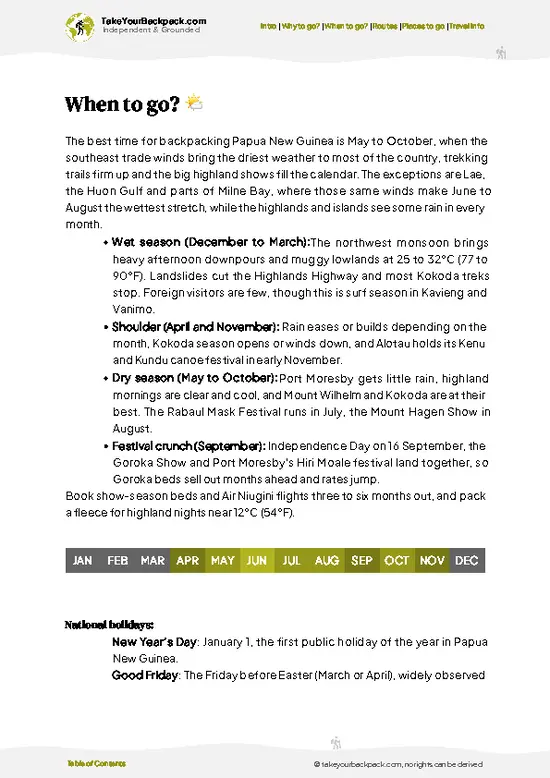
  • Weather: Kokopo’s tropical climate means it’s hot and humid year-round, but the dry season from June to September offers clearer skies and less oppressive humidity, making trekking and exploring more comfortable.

  • Temperature: Expect daily highs around 28-32°C (82-90°F) during the dry months, with nights cooling to 22-24°C (72-75°F). The wet season (November to April) brings slightly warmer nights and sticky days that can sap your energy.

  • Daylight Hours: Near the equator, Kokopo enjoys roughly 12 hours of daylight year-round, but the dry season’s consistent weather means you can count on those daylight hours without sudden downpours cutting your adventures short.

  • Crowds: Kokopo isn’t a tourist hotspot, but the dry season sees a modest uptick in visitors, mostly local and regional travelers.
read more 👉

  • Weather: Kokopo’s tropical climate means it’s hot and humid year-round, but the dry season from June to September offers clearer skies and less oppressive humidity, making trekking and exploring more comfortable.

  • Temperature: Expect daily highs around 28-32°C (82-90°F) during the dry months, with nights cooling to 22-24°C (72-75°F). The wet season (November to April) brings slightly warmer nights and sticky days that can sap your energy.

  • Daylight Hours: Near the equator, Kokopo enjoys roughly 12 hours of daylight year-round, but the dry season’s consistent weather means you can count on those daylight hours without sudden downpours cutting your adventures short.

  • Crowds: Kokopo isn’t a tourist hotspot, but the dry season sees a modest uptick in visitors, mostly local and regional travelers. This means better social opportunities without the crush of mass tourism.

  • Seasonal Activities: Dry months are prime for diving and snorkeling in the clear waters off the coast, while the wet season’s lush greenery is perfect for birdwatching and jungle hikes, though trails can get slippery.

  • Price Fluctuations: Accommodation and tours tend to be pricier during the dry season due to higher demand, but the improved conditions often justify the extra cost for a smoother experience.


Pro-tip: Aim for early dry season (June-July) to catch the best balance of weather, fewer crowds, and slightly better prices before the peak season kicks in.


source: climatestotravel.comJANJanuary: fair for travelingFEBFebruary: fair for travelingMARMarch: fair for travelingAPRApril: fair for travelingMAYMay: good for travelingJUNJune: excellent for travelingJULJuly: excellent for travelingAUGAugust: highly recommended for travelingSEPSeptember: highly recommended for travelingOCTOctober: good for travelingNOVNovember: fair for travelingDECDecember: fair for traveling
when-to-go

✈️ The backpacker research shortcutPapua New Guinea Travel Guide

An offline-friendly backpacking guide with optimized travel routes, ranked highlights, transport advice, and the best areas to stay.
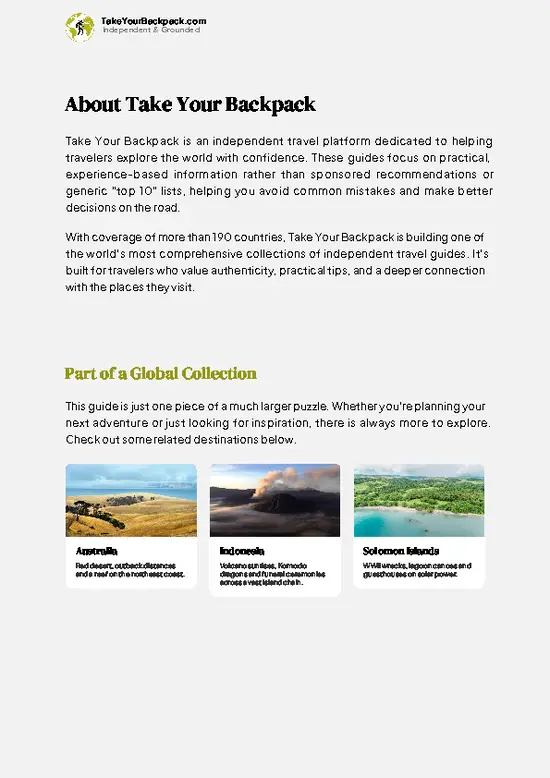
example page 0 from our offline Travel Guide for Papua New Guinea
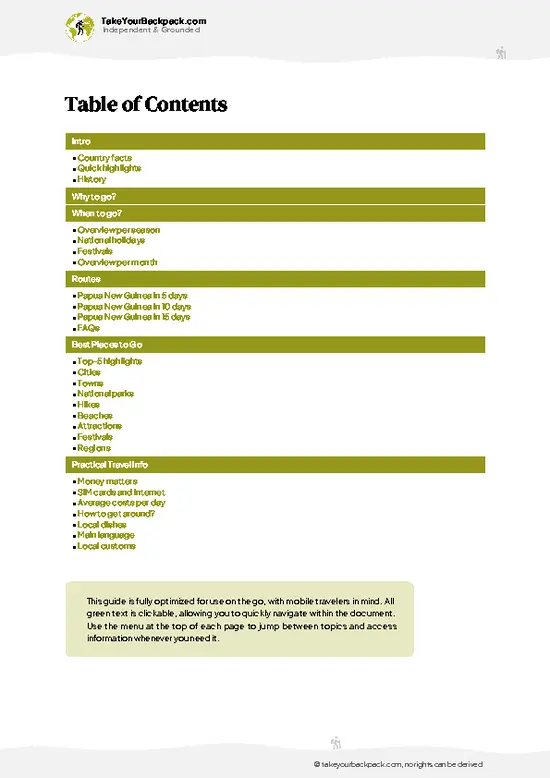
example page 1 from our offline Travel Guide for Papua New Guinea
example page 2 from our offline Travel Guide for Papua New Guinea
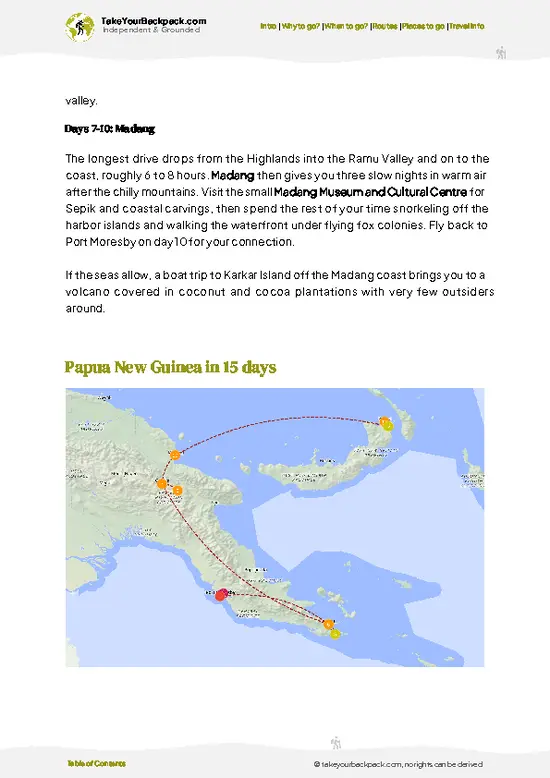
example page 3 from our offline Travel Guide for Papua New Guinea
example page 4 from our offline Travel Guide for Papua New Guinea
example page 5 from our offline Travel Guide for Papua New Guinea
example page 6 from our offline Travel Guide for Papua New Guinea
example page 7 from our offline Travel Guide for Papua New Guinea
The digital guide (319 pages) contains:
86 highlights, ranked by travel appeal
Optimized 5, 10 & 15-day travel routes
Cities, national parks, landmarks, beaches
How to get around
Offline-friendly for travel without Wi-Fi
👉 Click to see all 30+ guide features

📅 Plan smarter in minutes, not weeks
Month by month travel advice
Festivals & national holidays
Budget expectations

🗺️ Go to the right places, skip the overrated ones
Honest pros & cons of destinations
Top hikes, parks & viewpoints
Lesser-known places most travelers miss
Clear “worth it vs skip it” guidance

🛏️ Travel smoothly without rookie mistakes
Best areas to stay
Transport systems explained simply
Common scams & safety advice
SIM cards, money & practical tips

🌍 Understand the country, not just visit it
Culture & traditions
52 Essential phrases & customs
Festivals worth planning around
Traveler-friendly historical context
Insights that make places more meaningful

📱 Built for real travel conditions
Fully downloadable PDF
Works completely offline
Optimized for phone use
Useful in remote areas & buses
Everything in one place
Save weeks of stressful planning
Get instant access to your full guide. 30‑day money-back guarantee.


By proceeding you agree to our terms.
Sent to your inbox immediately after payment • 100% Secure Checkout
Best Backpacking Travel Advisor 2025 tourism awardBest Backpacking
Travel Advisor
2025
What others say about Take Your Backpack Guides:
⭐⭐⭐⭐⭐
Fantastic, amazing amount of information!
⭐⭐⭐⭐⭐
My goodness this is amazing, it's what I've been looking for hats off too you!
⭐⭐⭐⭐⭐
I think this is absolutely BRILLIANT
⭐⭐⭐⭐
Very complete and informative. It's still missing places, but I gotta to commend you
⭐⭐⭐⭐⭐
This is truly amazing, thank you, can't wait to explore it with my kids!
⭐⭐⭐⭐⭐
Awesome resource, thank you!
⭐⭐⭐⭐⭐
This is amazing! Can't wait to explore the ones I haven't seen
⭐⭐⭐⭐
I love this! Well done, great idea.
⭐⭐⭐⭐⭐
Thanks for taking the time to make this gem!
⭐⭐⭐⭐⭐
This might be the best website I've ever seen.
⭐⭐⭐⭐⭐
Congratulations, and thank you so much for your work; it's incredibly valuable.
⭐⭐⭐⭐
In all seriousness I think you did a great job pointing out the important spots
⭐⭐⭐⭐⭐
10/10 very good
⭐⭐⭐⭐⭐
As someone who's only just starting to visit regularly this is awesome, thank you.
⭐⭐⭐⭐
Thank you very much! I'm going to visit my dad, it's going to be very useful!
⭐⭐⭐⭐⭐
This is really cool! We'll be travelling for the first time and this definitely come in handy.
⭐⭐⭐⭐⭐
You are now our minister of culture, congratulations 👨‍💼
⭐⭐⭐⭐⭐
Just wanted to tell you that this is a pearl! Going to follow your recommendations.
⭐⭐⭐⭐⭐
This is so cool. I'll definitely be using the resource for my travels soon.
⭐⭐⭐⭐⭐
This is very impressive! Good work.
⭐⭐⭐⭐⭐
This is an amazing and informative site. Very well done!

🛏️ Where to stay?Choosing the right base

In Kokopo, the heartbeat for backpackers pulses strongest around the town center and the nearby Malaguna area. This is where you’ll find the right mix of safety and social buzz without the chaos of the busier commercial zones. The town center offers a compact, walkable layout—streets lined with small shops, local markets, and eateries where the scent of fresh seafood mingles with tropical humidity. It’s a place where you can strike up conversations with locals or fellow travelers over a cold drink without feeling like you’re in a tourist bubble.

Malaguna, just a short ride from the center, leans … read more 👉
In Kokopo, the heartbeat for backpackers pulses strongest around the town center and the nearby Malaguna area. This is where you’ll find the right mix of safety and social buzz without the chaos of the busier commercial zones. The town center offers a compact, walkable layout—streets lined with small shops, local markets, and eateries where the scent of fresh seafood mingles with tropical humidity. It’s a place where you can strike up conversations with locals or fellow travelers over a cold drink without feeling like you’re in a tourist bubble.

Malaguna, just a short ride from the center, leans into a quieter vibe but still hosts a handful of budget-friendly guesthouses and hostels. It’s perfect if you want to recharge after a day of exploring, with the ocean breeze carrying a salty tang that cools the evening air. Both areas have enough backpacker-friendly accommodations to keep you connected but not overwhelmed, fostering a sense of community among solo travelers.

Avoid the outskirts or industrial zones—they’re less safe after dark and lack the social pulse you want. Staying central or in Malaguna means you’re close to transport links for day trips, local markets for fresh produce, and informal hangouts where the real Kokopo vibe comes alive. This setup turns the city from a simple stopover into a place where you can feel grounded and plugged in, making your stay smoother and richer.

🚌 Getting aroundMoving around without the hassle

Kokopo moves at its own rhythm—less a clockwork town and more a pulse you feel in the humid air, thick with the scent of salt and diesel. The streets hum with a mix of purposeful energy and laid-back chaos, where schedules blur and intuition rules. Here, the sun hits hard by mid-morning, baking the asphalt and sharpening shadows, so mornings are your best bet for smooth transit. Locals navigate with a mix of shouted directions and quick hand signals, and if you can read the flow, you’ll find the town’s transit options are less about rigid timetables and more about catching the right vibe at the right moment.


  • Walking: Kokopo’s compact center is best explored on foot. The air carries a mix of ocean breeze and tropical foliage, making early morning or late afternoon strolls the most comfortable.
read more 👉
Kokopo moves at its own rhythm—less a clockwork town and more a pulse you feel in the humid air, thick with the scent of salt and diesel. The streets hum with a mix of purposeful energy and laid-back chaos, where schedules blur and intuition rules. Here, the sun hits hard by mid-morning, baking the asphalt and sharpening shadows, so mornings are your best bet for smooth transit. Locals navigate with a mix of shouted directions and quick hand signals, and if you can read the flow, you’ll find the town’s transit options are less about rigid timetables and more about catching the right vibe at the right moment.


  • Walking: Kokopo’s compact center is best explored on foot. The air carries a mix of ocean breeze and tropical foliage, making early morning or late afternoon strolls the most comfortable. Walking is free, obviously, and lets you soak in the street markets, local chatter, and the occasional stray dog lazing in the sun. It’s the best way to catch the town’s texture without missing the small details.


  • Local Buses (PMVs): These minibuses are the backbone of Kokopo’s transit. They don’t run on strict schedules but start rolling around 6:30 AM and taper off by 6 PM. Fares hover around 1 to 2 kina, making them the cheapest way to cover longer distances. Expect crowded, noisy rides with windows down to catch the sea breeze, and be ready to flag them down anywhere along their routes.


  • Motorcycle Taxis (Bodas): When time is tight or you’re hauling gear, bodas are your go-to. They dart through traffic with a buzz, offering quick rides for about 5 to 10 kina depending on distance. They’re available from dawn until dusk, but negotiate the fare upfront—there’s no meter, just street smarts. The wind in your face and the scent of burning rubber make these rides an adrenaline shot through the town’s slower pulse.


  • Shared Taxis: For trips beyond Kokopo’s edges, shared taxis gather at main junctions. They leave when full, so timing is flexible but unpredictable. Prices vary by destination but expect around 10 to 20 kina for nearby villages. These rides are less about comfort and more about connection—packed with locals, their chatter, and the occasional rooster or basket of produce.


  • Rental Scooters: If you want full control and a bit of adventure, renting a scooter is a solid choice. Rates start around 50 kina per day. It’s the fastest way to explore the coastline or nearby trails, but the tropical sun and sudden rain showers demand respect. Helmets are a must, and local traffic can be unpredictable, so this option suits confident riders ready to embrace the town’s raw edges.

👛 Costs (as of 30 July 2026)Money, prices, and spending tips

Backpacking in Kokopo, Papua New Guinea, means embracing a raw, tropical atmosphere where costs are modest but the experience feels rich and real. Here’s what you can expect to spend daily as an independent traveler.
  • Dorm Accommodation: Basic guesthouses and hostels offer dorm beds typically between $10 and $20 USD per night. These places are simple, often with shared bathrooms and ceiling fans rather than air conditioning, but they put you right in the thick of Kokopo’s laid-back vibe.
  • Meals: Local eateries serve hearty meals for about $3 to $7 USD. Think fresh fish, root vegetables, and tropical fruits. Western-style or imported food options push the price higher, around $8 to $12 USD, but sticking to local fare keeps your budget lean and your palate adventurous.
  • Local Transport: Getting
read more 👉
Backpacking in Kokopo, Papua New Guinea, means embracing a raw, tropical atmosphere where costs are modest but the experience feels rich and real. Here’s what you can expect to spend daily as an independent traveler.
  • Dorm Accommodation: Basic guesthouses and hostels offer dorm beds typically between $10 and $20 USD per night. These places are simple, often with shared bathrooms and ceiling fans rather than air conditioning, but they put you right in the thick of Kokopo’s laid-back vibe.
  • Meals: Local eateries serve hearty meals for about $3 to $7 USD. Think fresh fish, root vegetables, and tropical fruits. Western-style or imported food options push the price higher, around $8 to $12 USD, but sticking to local fare keeps your budget lean and your palate adventurous.
  • Local Transport: Getting around usually means hopping on a shared minibus or a motorbike taxi. Expect to pay roughly $1 to $3 USD per short trip within town. For longer rides or private taxis, prices can climb to $5 or $6 USD, but the short distances keep costs manageable.
  • Basic Activities/Entry Fees: Many natural attractions and cultural sites have entry fees ranging from $2 to $10 USD. Guided tours or diving excursions, which are popular here, start around $30 USD but can go higher depending on the length and gear included.
  • Miscellaneous Expenses: This covers bottled water, snacks, occasional internet access, and small tips. Budget around $2 to $5 USD daily. Keep in mind that some essentials might be pricier due to the remote location, so a little buffer helps.

All told, you’re looking at roughly $20 to $50 USD per day to cover the essentials without cutting corners. This range lets you soak in Kokopo’s unique coastal charm while staying comfortably within a backpacker’s budget.


source: papuanewguinea.travel
⚠️ Prices can change and everyone travels differently, so take this as a rough guide. Hope it helps you plan your adventure!

🚌 Day tripsEasy escapes and nearby places

Kokopo, Papua New Guinea, is a backpacker’s dream base for day trips, offering a blend of adventure, culture, and stunning landscapes. The town itself has a laid-back vibe, with friendly locals and a rich history. Here are some day trips that will elevate your experience.

Rabaul Volcano Tour
Just a short drive from Kokopo, Rabaul is a must-see for its dramatic volcanic landscapes. The journey takes about 30 minutes, and you’ll be greeted by the haunting beauty of the caldera. Explore the remnants of the town buried by ash in 1994, and don’t miss the chance to hike up to the crater for panoramic views. The cost is around 50 PGK for transport and entry fees. The best time to visit is during the dry season, from May to October, when the skies are clearer. A common mistake? Underestimating … read more 👉
Kokopo, Papua New Guinea, is a backpacker’s dream base for day trips, offering a blend of adventure, culture, and stunning landscapes. The town itself has a laid-back vibe, with friendly locals and a rich history. Here are some day trips that will elevate your experience.

Rabaul Volcano Tour
Just a short drive from Kokopo, Rabaul is a must-see for its dramatic volcanic landscapes. The journey takes about 30 minutes, and you’ll be greeted by the haunting beauty of the caldera. Explore the remnants of the town buried by ash in 1994, and don’t miss the chance to hike up to the crater for panoramic views. The cost is around 50 PGK for transport and entry fees. The best time to visit is during the dry season, from May to October, when the skies are clearer. A common mistake? Underestimating the heat—bring plenty of water and wear a hat.
👉 Explore Rabaul

Snorkeling at the Duke of York Islands
A boat ride from Kokopo to the Duke of York Islands is an adventure in itself, taking about 45 minutes. The islands are a snorkeling paradise, with vibrant coral reefs and a plethora of marine life. Expect to spend around 100 PGK for the boat ride and gear rental. The best months for snorkeling are from June to September, when visibility is at its peak. Many first-timers miss out on the local food stalls—grab a fresh coconut or some grilled fish right on the beach.


Visit the Kokopo Market
Immerse yourself in local culture by visiting the Kokopo Market, just a short walk from town. Open daily, it’s a sensory overload of colors, scents, and sounds. You can find fresh produce, handmade crafts, and local delicacies. Budget around 20 PGK for snacks and souvenirs. The market is busiest on Saturdays, so plan accordingly. A common mistake is arriving too late; the best goods often sell out early.


War History Tour
For history buffs, a trip to the nearby war sites is essential. The tour can take about half a day, with transport costing around 60 PGK. Explore the remnants of WWII, including bunkers and memorials, and gain insight into the region’s complex past. The dry season is ideal for this trip, as the trails can get muddy during the wet months. Many first-timers overlook the guided tours—having a local guide can enrich your understanding immensely.
Want to know what more Papua New Guinea offers?
The Papua New Guinea Travel Guide describes 86 highlights, from cities to national parks, from beaches to hikes

Get the Travel Guide -

🛡️ SafetySafety Tips and Common Scams in Kokopo

Kokopo is generally safe, but a few practical tips can enhance your experience. The town has a laid-back vibe, but keep your wits about you, especially in crowded markets. Vendors can be persistent, so a polite but firm “no thanks” works wonders.

If you’re traveling solo, avoid wandering too far after dark. The streets can be quiet, and it’s best to stick to well-lit areas. Grab a local friend or a guide if you want to explore the nightlife; they can help navigate the social scene and keep you in the loop.

Scams are rare, but be cautious with money exchanges. Use established banks or ATMs rather than street vendors. Carry small bills for local purchases to avoid awkward change situations.

Overall, embrace the local culture with an open heart, and you’ll find Kokopo welcoming. Just stay … read more 👉
Kokopo is generally safe, but a few practical tips can enhance your experience. The town has a laid-back vibe, but keep your wits about you, especially in crowded markets. Vendors can be persistent, so a polite but firm “no thanks” works wonders.

If you’re traveling solo, avoid wandering too far after dark. The streets can be quiet, and it’s best to stick to well-lit areas. Grab a local friend or a guide if you want to explore the nightlife; they can help navigate the social scene and keep you in the loop.

Scams are rare, but be cautious with money exchanges. Use established banks or ATMs rather than street vendors. Carry small bills for local purchases to avoid awkward change situations.

Overall, embrace the local culture with an open heart, and you’ll find Kokopo welcoming. Just stay aware, and you’ll unlock the town’s charm without a hitch.

Other Papua New Guinean towns near Kokopo

Explore more nearby:

  • Rabaul—caldera harbor, wartime tunnels, ash-covered ruins| 20 km away
  • Namatanai—rural outpost, New Ireland south, roadside stalls| 72 km away
  • Kavieng—island hopping, surf breaks, WWII wrecks| 256 km away

💡 Not sure where to go next?
Create a personalized itinerary for Papua New Guinea including Kokopo and the places that fit your trip.

Generate my itinerary

👉 Discover all towns

Or checkout all Papua New Guinea has to offer (think cities, towns, villages, national parks, hikes, beaches, festivals)
Country photo of Papua New Guinea

We 💚 feedbackWhat to keep in mind

Kokopo has a raw, unfiltered vibe that feels like stepping into a living postcard. The scent of saltwater mingles with the earthy aroma of local markets, creating a sensory feast. Don’t miss the sunset at Rabaul; it paints the sky in fiery oranges and purples, a reward after a day of exploring. Just a heads-up: the roads can be bumpy, so take your time. Embrace the journey, and you’ll find the real treasures in the moments between.

✍️ Help improve this page!
The information on this page is based on in-depth research, insights shared by experienced travelers, and feedback from the local travel community in Papua New Guinea. While every effort is made to keep the information accurate and current, conditions can change — so if you spot anything incorrect or outdated, please get in touch.


🙋‍♂️ Give feedback

👋 Meet the founderWho’s Behind Take Your Backpack?

Johan, backpacker and founder of TakeYourBackpackHi, I’m Johan (Netherlands 🇳🇱), the creator of TakeYourBackpack. Over the past decade, I’ve backpacked through 80+ countries across six continents, gaining extensive experience with independent travel, long-term trips, and overland routes.

This site is built on a combination of firsthand travel experience and carefully curated insights from other backpackers. Many guides are based on places I’ve personally visited, while others bring together tips, observations, and practical advice shared by trusted travelers I’ve met along the way.

The goal is to provide realistic, experience-driven guidance — not generic itineraries — so you can explore destinations with better context, clearer expectations, and more confidence.

Get full country guide •
Instant download • 86 highlights • Full Offline guide