×

Papua New Guinea🇵🇬 | festivalsMadang Festivalcoastal dances, canoe processions, Madang crafts | things to do and best time to go

Explore Morobe ShowExplore National Mask and Warwagira Festival

Backpacking in Madang
👌 Worth visitingfestival ranked #11
By Johan Kruseman 🇳🇱 | Updated September 4, 2026

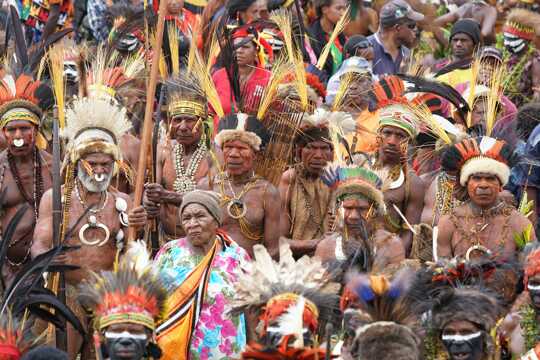
People picture Madang Festival as some polished, stadium-style cultural show with perfect schedules and tidy seating. It’s not. It’s a raw, coastal, community-driven event in Madang town on Papua New Guinea’s north coast, where things run on local time and the best moments happen off the program. The festival mixes traditional singsing groups, panpipes, kundu drums and contemporary PNG bands, drawing locals, regional travelers, a few backpackers, and the odd anthropologist. Expect dusty fields, humid air, betel nut smiles, and a loose, come-and-go vibe over a few days. It’s worth it if you crave real, unscripted culture and can handle chaos instead of choreography.

Discover everything you want to know in the 📖 Papua New Guinea Travel Guide.
Loading the map 🌍
CLICK TO FILTER
cities
towns
national parks
hikes
beaches
attractions
festivals
regions
SHOW COUNTRY’S BESTSHOW ALL

✨ Why go?
Ranked #11 festival in Papua New Guinea
What makes this festival worth celebrating

Backpackers flock to the Madang Festival in Papua New Guinea for a jolt of social energy and a taste of temporary community. This vibrant celebration isn’t just about colorful costumes and rhythmic dances; it’s a deep dive into cultural immersion. You’ll find yourself surrounded by locals eager to share their stories, making it a living tapestry of tradition and connection.

Planning your route around this festival is a savvy move. It’s often more affordable than similar events worldwide, allowing you to stretch your budget while soaking up authentic experiences. Plus, it fits seamlessly into longer travel plans, acting as a vibrant pit stop on your journey through PNG’s stunning landscapes.

By aligning your travels with the festival, you’re not just checking a box; you’re fueling your adventure … read more 👉
Backpackers flock to the Madang Festival in Papua New Guinea for a jolt of social energy and a taste of temporary community. This vibrant celebration isn’t just about colorful costumes and rhythmic dances; it’s a deep dive into cultural immersion. You’ll find yourself surrounded by locals eager to share their stories, making it a living tapestry of tradition and connection.

Planning your route around this festival is a savvy move. It’s often more affordable than similar events worldwide, allowing you to stretch your budget while soaking up authentic experiences. Plus, it fits seamlessly into longer travel plans, acting as a vibrant pit stop on your journey through PNG’s stunning landscapes.

By aligning your travels with the festival, you’re not just checking a box; you’re fueling your adventure with unforgettable moments that energize your spirit and enrich your journey.
Want to include Madang Festival in your Papua New Guinea route?
Create a personalized Papua New Guinea itinerary that includes Madang Festival and the places that fit your trip — based on your travel style, budget, and available time. Get your route in seconds.

Generate my trip

💡 HighlightsTop highlights of Madang

  1. Sing-sing and traditional dance showcases — Massive group performances where villages and language groups bring their songs, choreography and body paint. It’s not a polished stage show; it’s raw, communal energy — loud chanting, complex rhythms and costumes made from shell, fiber and feathers that tell stories you won’t see anywhere else.
  2. Coastal events and outrigger canoe action — Madang’s festival spills onto the water: expect colorful canoes, beachside competitions and a general seaside party vibe. The mix of island paddling skills, shoreline cheering and views of coral-fringed bays makes the whole thing feel uniquely Pacific.
  3. Handmade arts, masks and bilum weaving — Markets and stalls are full of carved masks, painted panels, woven bilums and small sculptures. The best part is buying
read more 👉
  1. Sing-sing and traditional dance showcases — Massive group performances where villages and language groups bring their songs, choreography and body paint. It’s not a polished stage show; it’s raw, communal energy — loud chanting, complex rhythms and costumes made from shell, fiber and feathers that tell stories you won’t see anywhere else.
  2. Coastal events and outrigger canoe action — Madang’s festival spills onto the water: expect colorful canoes, beachside competitions and a general seaside party vibe. The mix of island paddling skills, shoreline cheering and views of coral-fringed bays makes the whole thing feel uniquely Pacific.
  3. Handmade arts, masks and bilum weaving — Markets and stalls are full of carved masks, painted panels, woven bilums and small sculptures. The best part is buying directly from makers and hearing the backstory of a piece — materials, motifs and meaning are visible in the craft.
  4. Street food, communal feasts and mumu-style cooking — Food is gorgeously local: fresh seafood, root crops and communal earth-oven (mumu) dishes. Eating at the festival is a chance to taste regional specialties and informal hospitality — think loud, friendly, and bursting with flavor.
  5. Village visits, welcome rituals and spontaneous mingling — Beyond staged shows, the festival is built around community contact. Visitors can join simple welcome ceremonies, informal exchanges and short village trips that give real context to the performances. It’s where the cultural displays stop being performances and start being relationships.
Spotted a mistake or missing something? Contact us.
🌤️ When to go?When is the celebration of Madang Festival?


  • Topic: Weather – Aim for August to October when Papua New Guinea’s dry season cuts humidity and rain, making trekking and festival grounds manageable instead of a mud slog.

  • Topic: Temperature – Expect daytime highs around 27-30°C (80-86°F), perfect for long days outdoors without overheating or shivering at night.

  • Topic: Daylight Hours – Roughly 11 to 12 hours of daylight give you ample time to soak in performances and explore local culture without rushing.

  • Topic: Crowds – The festival draws a lively crowd but visiting early in the dry season helps you dodge the peak crush and inflated prices.

  • Topic: Seasonal Activities – This window aligns with traditional harvest celebrations, so you catch authentic dances and rituals at their freshest.

  • Topic: Price Fluctuations – Booking just
read more 👉

  • Topic: Weather – Aim for August to October when Papua New Guinea’s dry season cuts humidity and rain, making trekking and festival grounds manageable instead of a mud slog.

  • Topic: Temperature – Expect daytime highs around 27-30°C (80-86°F), perfect for long days outdoors without overheating or shivering at night.

  • Topic: Daylight Hours – Roughly 11 to 12 hours of daylight give you ample time to soak in performances and explore local culture without rushing.

  • Topic: Crowds – The festival draws a lively crowd but visiting early in the dry season helps you dodge the peak crush and inflated prices.

  • Topic: Seasonal Activities – This window aligns with traditional harvest celebrations, so you catch authentic dances and rituals at their freshest.

  • Topic: Price Fluctuations – Booking just before the festival’s peak can save you on accommodation and flights, but waiting too long risks sold-out spots and premium rates.


Pro-tip: Lock in your trip for late dry season—less mud, more culture, and a wallet-friendly edge that keeps your energy focused on the festival, not logistics.


source: climatestotravel.comJANJanuary: not recommended for travelingFEBFebruary: not recommended for travelingMARMarch: not recommended for travelingAPRApril: not recommended for travelingMAYMay: not recommended for travelingJUNJune: not recommended for travelingJULJuly: not recommended for travelingAUGAugust: excellent for travelingSEPSeptember: not recommended for travelingOCTOctober: not recommended for travelingNOVNovember: not recommended for travelingDECDecember: not recommended for traveling

✈️ The backpacker research shortcutPapua New Guinea Travel Guide

An offline-friendly backpacking guide with optimized travel routes, ranked highlights, transport advice, and the best areas to stay.
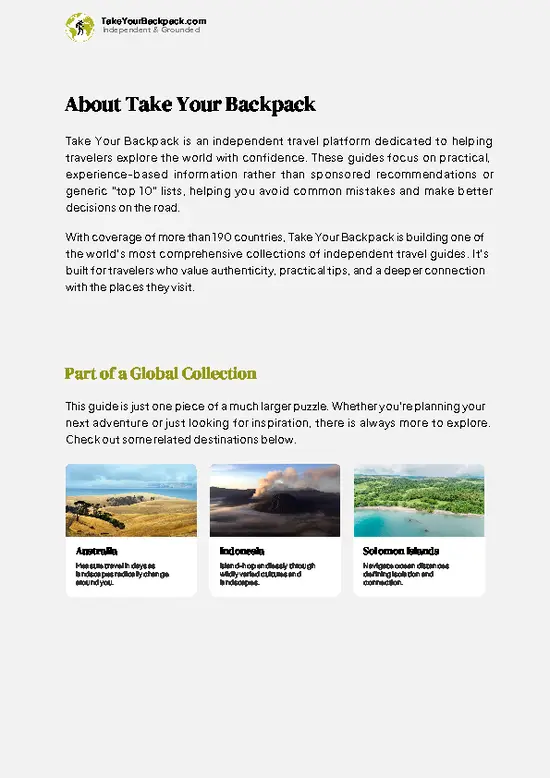
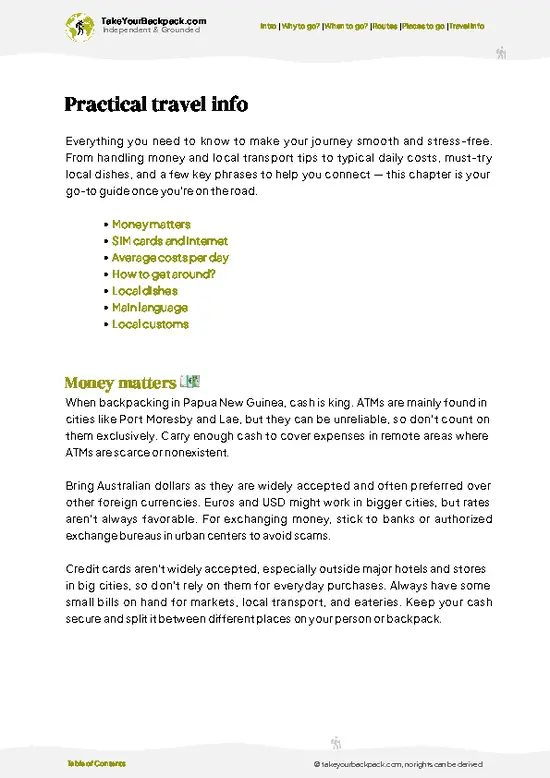
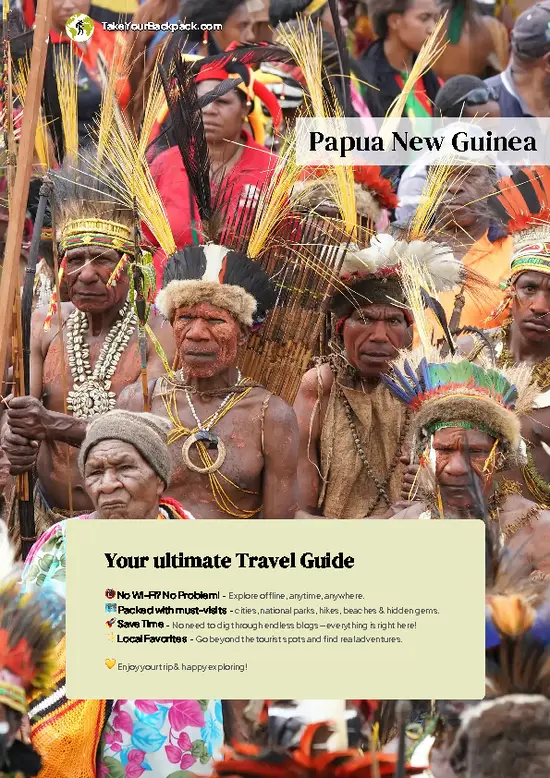
example page 0 from our offline Travel Guide for Papua New Guinea
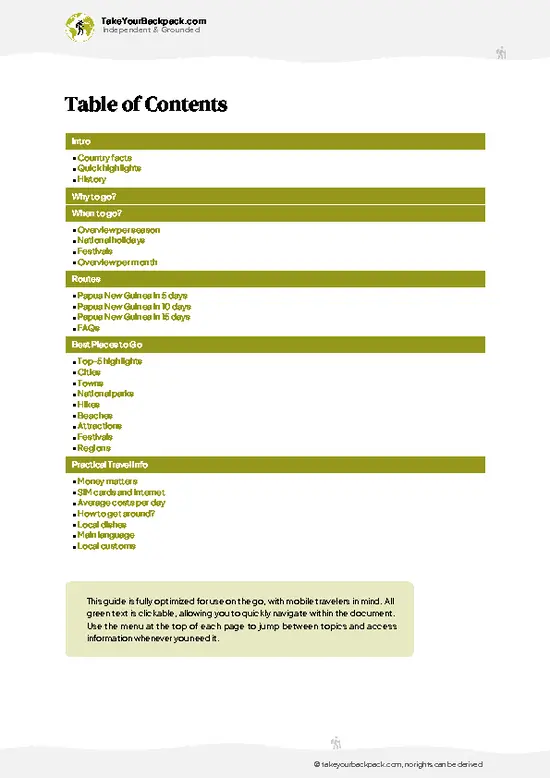
example page 1 from our offline Travel Guide for Papua New Guinea
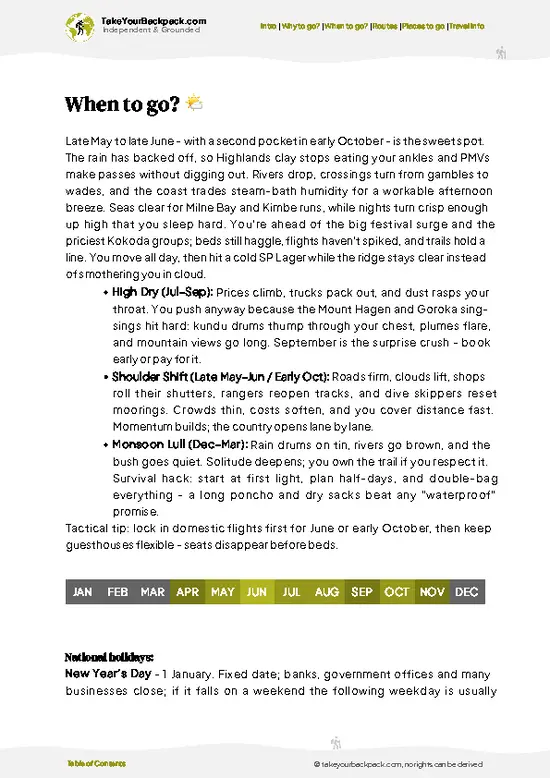
example page 2 from our offline Travel Guide for Papua New Guinea
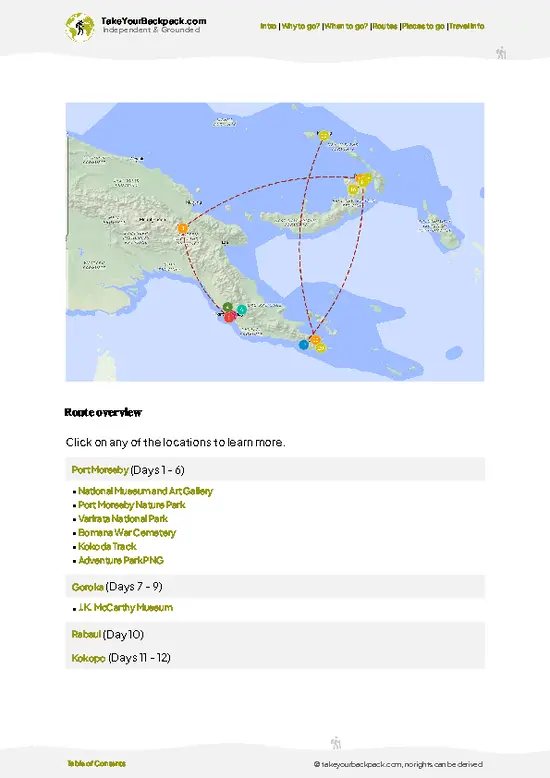
example page 3 from our offline Travel Guide for Papua New Guinea
example page 4 from our offline Travel Guide for Papua New Guinea
example page 5 from our offline Travel Guide for Papua New Guinea
example page 6 from our offline Travel Guide for Papua New Guinea
example page 7 from our offline Travel Guide for Papua New Guinea
The digital guide (319 pages) contains:
86 highlights, ranked by travel appeal
Optimized 5, 10 & 15-day travel routes
Cities, national parks, landmarks, beaches
How to get around
Offline-friendly for travel without Wi-Fi
👉 Click to see all 30+ guide features

📅 Plan smarter in minutes, not weeks
Month by month travel advice
Festivals & national holidays
Budget expectations

🗺️ Go to the right places, skip the overrated ones
Honest pros & cons of destinations
Top hikes, parks & viewpoints
Lesser-known places most travelers miss
Clear “worth it vs skip it” guidance

🛏️ Travel smoothly without rookie mistakes
Best areas to stay
Transport systems explained simply
Common scams & safety advice
SIM cards, money & practical tips

🌍 Understand the country, not just visit it
Culture & traditions
52 Essential phrases & customs
Festivals worth planning around
Traveler-friendly historical context
Insights that make places more meaningful

📱 Built for real travel conditions
Fully downloadable PDF
Works completely offline
Optimized for phone use
Useful in remote areas & buses
Everything in one place
Save weeks of stressful planning
Get instant access to your full guide. 30‑day money-back guarantee.
+ Add another guide for just US$7.80

By proceeding you agree to our terms.
Sent to your inbox immediately after payment • 100% Secure Checkout
Best Backpacking Travel Advisor 2025 tourism awardBest Backpacking
Travel Advisor
2025
What others say about Take Your Backpack Guides:
⭐⭐⭐⭐⭐
Fantastic, amazing amount of information!
⭐⭐⭐⭐⭐
My goodness this is amazing, it's what I've been looking for hats off too you!
⭐⭐⭐⭐⭐
I think this is absolutely BRILLIANT
⭐⭐⭐⭐
Very complete and informative. It's still missing places, but I gotta to commend you
⭐⭐⭐⭐⭐
This is truly amazing, thank you, can't wait to explore it with my kids!
⭐⭐⭐⭐⭐
Awesome resource, thank you!
⭐⭐⭐⭐⭐
This is amazing! Can't wait to explore the ones I haven't seen
⭐⭐⭐⭐
I love this! Well done, great idea.
⭐⭐⭐⭐⭐
Thanks for taking the time to make this gem!
⭐⭐⭐⭐⭐
This might be the best website I've ever seen.
⭐⭐⭐⭐⭐
Congratulations, and thank you so much for your work; it's incredibly valuable.
⭐⭐⭐⭐
In all seriousness I think you did a great job pointing out the important spots
⭐⭐⭐⭐⭐
10/10 very good
⭐⭐⭐⭐⭐
As someone who's only just starting to visit regularly this is awesome, thank you.
⭐⭐⭐⭐
Thank you very much! I'm going to visit my dad, it's going to be very useful!
⭐⭐⭐⭐⭐
This is really cool! We'll be travelling for the first time and this definitely come in handy.
⭐⭐⭐⭐⭐
You are now our minister of culture, congratulations 👨‍💼
⭐⭐⭐⭐⭐
Just wanted to tell you that this is a pearl! Going to follow your recommendations.
⭐⭐⭐⭐⭐
This is so cool. I'll definitely be using the resource for my travels soon.
⭐⭐⭐⭐⭐
This is very impressive! Good work.
⭐⭐⭐⭐⭐
This is an amazing and informative site. Very well done!

🛏️ Where to stay?How to pick the right area

When you’re gearing up for the Madang Festival, the right base can make all the difference. Head to the waterfront area. It buzzes with energy, offering easy access to festival events and local eateries. You’ll find fellow backpackers here, sharing stories and tips over a cold drink.

Consider the town center, too. It’s a hub of activity, with markets and shops that pulse with life. Staying here means you’re never far from the action, and you can easily connect with others.

Don’t overlook the outskirts. Some quieter spots offer a more laid-back vibe, perfect for recharging after a day of festivities. … read more 👉
When you’re gearing up for the Madang Festival, the right base can make all the difference. Head to the waterfront area. It buzzes with energy, offering easy access to festival events and local eateries. You’ll find fellow backpackers here, sharing stories and tips over a cold drink.

Consider the town center, too. It’s a hub of activity, with markets and shops that pulse with life. Staying here means you’re never far from the action, and you can easily connect with others.

Don’t overlook the outskirts. Some quieter spots offer a more laid-back vibe, perfect for recharging after a day of festivities. Just ensure you’re close to public transport or have a reliable way to get back to the festival grounds.

Safety is key, so stick to well-lit areas and trust your instincts. With the right location, you’ll conserve your energy and budget for the moments that truly matter.

👛 Costs (as of 4 September 2026)Typical daily expenses

The Madang Festival in Papua New Guinea is a vibrant celebration, but navigating costs can feel like a maze. Here’s how to keep your budget in check while maximizing your experience.
  • Festival Tickets: Expect to pay around $10 to $30 USD for entry. Prices can vary based on the day and events you want to see. Grab your tickets early to avoid any last-minute price hikes or sellouts.
  • Accommodation: Options range from budget hostels at about $15 to $30 USD per night to mid-range hotels costing $50 to $100 USD. Book ahead, especially during the festival, as places fill up fast. Camping might be an option, but check local regulations.
  • Local Transport: Public transport is limited, so budget around $5 to $20 USD for local buses or shared taxis. If you’re feeling adventurous, consider renting a bicycle
read more 👉
The Madang Festival in Papua New Guinea is a vibrant celebration, but navigating costs can feel like a maze. Here’s how to keep your budget in check while maximizing your experience.
  • Festival Tickets: Expect to pay around $10 to $30 USD for entry. Prices can vary based on the day and events you want to see. Grab your tickets early to avoid any last-minute price hikes or sellouts.
  • Accommodation: Options range from budget hostels at about $15 to $30 USD per night to mid-range hotels costing $50 to $100 USD. Book ahead, especially during the festival, as places fill up fast. Camping might be an option, but check local regulations.
  • Local Transport: Public transport is limited, so budget around $5 to $20 USD for local buses or shared taxis. If you’re feeling adventurous, consider renting a bicycle for about $10 USD a day to explore the area at your own pace.
  • Food & Drinks: Street food is your best friend here, with meals costing between $3 to $10 USD. Restaurants will set you back $10 to $25 USD for a decent meal. Don’t forget to try local specialties, but keep an eye on your drink choices; bottled water is essential.
  • Miscellaneous Expenses: Set aside $20 to $50 USD for souvenirs, tips, or unexpected costs. This festival is full of opportunities to engage with local culture, so be ready to spend a little more on experiences that catch your eye.

Stay sharp and plan ahead. This way, you’ll have the energy and funds to dive into the festival’s vibrant atmosphere without any surprises.


source: papuanewguinea.travel
⚠️ Prices can change and everyone travels differently, so take this as a rough guide. Hope it helps you plan your adventure!

🍲 FoodLocal Cuisine & Drinks

At the Madang Festival, food and drinks are a vibrant celebration of local culture. Dive into sago—a starchy staple that’s often served with a twist of coconut milk. You’ll find mumu, a traditional dish where meat and veggies are slow-cooked in an underground oven, infusing every bite with smoky goodness.

Don’t miss the chance to sip on kava, a ceremonial drink that’ll give you a taste of local customs. It’s earthy and calming, perfect for easing into the festival vibe.

Expect bustling stalls filled with colorful displays, but be ready for a bit of a wait. Lines can snake around, so grab a friend and chat while you wait. Cash is king here; many vendors don’t accept cards, so stock up on local currency.

Sharing is part of the experience—don’t hesitate to offer a taste of your dish to … read more 👉
At the Madang Festival, food and drinks are a vibrant celebration of local culture. Dive into sago—a starchy staple that’s often served with a twist of coconut milk. You’ll find mumu, a traditional dish where meat and veggies are slow-cooked in an underground oven, infusing every bite with smoky goodness.

Don’t miss the chance to sip on kava, a ceremonial drink that’ll give you a taste of local customs. It’s earthy and calming, perfect for easing into the festival vibe.

Expect bustling stalls filled with colorful displays, but be ready for a bit of a wait. Lines can snake around, so grab a friend and chat while you wait. Cash is king here; many vendors don’t accept cards, so stock up on local currency.

Sharing is part of the experience—don’t hesitate to offer a taste of your dish to a fellow festival-goer. It’s all about connection, and those moments will stick with you long after the last bite.

FAQFrequently asked questions about Madang

Madang Festival takes place annually in August, typically lasting for about 3 days. It is timed to coincide with the dry season for better weather conditions.
The cost to attend Madang Festival is generally free for most events, but some special performances or activities may charge a small fee, usually around 10 to 20 Papua New Guinean Kina.
No, you do not usually need tickets in advance for the general Madang Festival events. However, it is advisable to book in advance for any special shows or limited-capacity venues during the festival.
⚠️ Things can change over time, so always validate details locally before you go.

Other Papua New Guinean festivals near Madang

Explore more nearby:

  • Goroka Show—tribal dress, highland sing-sings, mass dance displays| 105 km away
  • Bilum Festival—woven bags, women’s weaving, Goroka market| 106 km away
  • Mount Hagen Cultural Show—highland tribes, feathered headdresses, competitive performances| 189 km away

💡 Not sure where to go next?
Create a personalized itinerary for Papua New Guinea including Madang and the places that fit your trip.

Generate my itinerary

👉 Discover all festivals

Or checkout all Papua New Guinea has to offer (think cities, towns, villages, national parks, hikes, beaches, festivals)
Country photo of Papua New Guinea

We 💚 feedbackSumming up the experience

The Madang Festival pulses with life. You’ll feel the energy in the air, the vibrant colors, and the infectious laughter. But watch out for the unexpected costs—local crafts can drain your wallet faster than you think. The best surprise? The warmth of the locals; they’ll invite you into their world. Embrace it. It’s these moments that make the journey unforgettable.

✍️ Help improve this page!
The information on this page is based on in-depth research, insights shared by experienced travelers, and feedback from the local travel community in Papua New Guinea. While every effort is made to keep the information accurate and current, conditions can change — so if you spot anything incorrect or outdated, please get in touch.


🙋‍♂️ Give feedback

👋 Meet the founderWho’s Behind Take Your Backpack?

Johan, backpacker and founder of TakeYourBackpackHi, I’m Johan (Netherlands 🇳🇱), the creator of TakeYourBackpack. Over the past decade, I’ve backpacked through 80+ countries across six continents, gaining extensive experience with independent travel, long-term trips, and overland routes.

This site is built on a combination of firsthand travel experience and carefully curated insights from other backpackers. Many guides are based on places I’ve personally visited, while others bring together tips, observations, and practical advice shared by trusted travelers I’ve met along the way.

The goal is to provide realistic, experience-driven guidance — not generic itineraries — so you can explore destinations with better context, clearer expectations, and more confidence.

Get full country guide •
Instant download • 86 highlights • Full Offline guide