v2.webp)
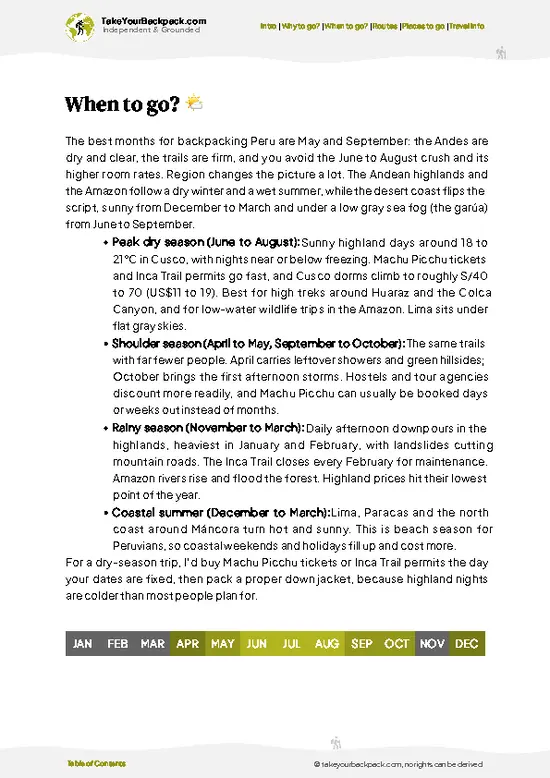
- Salkantay Mountain: The Quechua name means “Savage Mountain,” and its glaciated pyramid dominates the first two days. The view from the pass is the one everyone photographs.
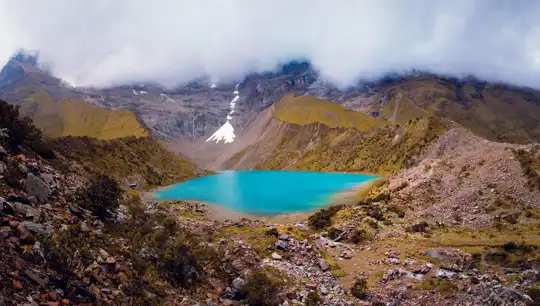
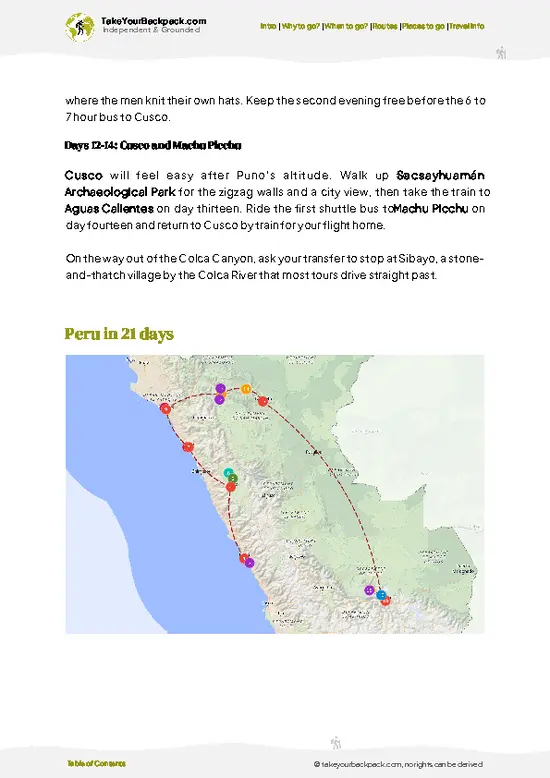
- Humantay Lake: A turquoise glacial lake reached by a steep 1.5 to 2 hour climb from Soraypampa. Go early, before the day-trippers from Cusco arrive.
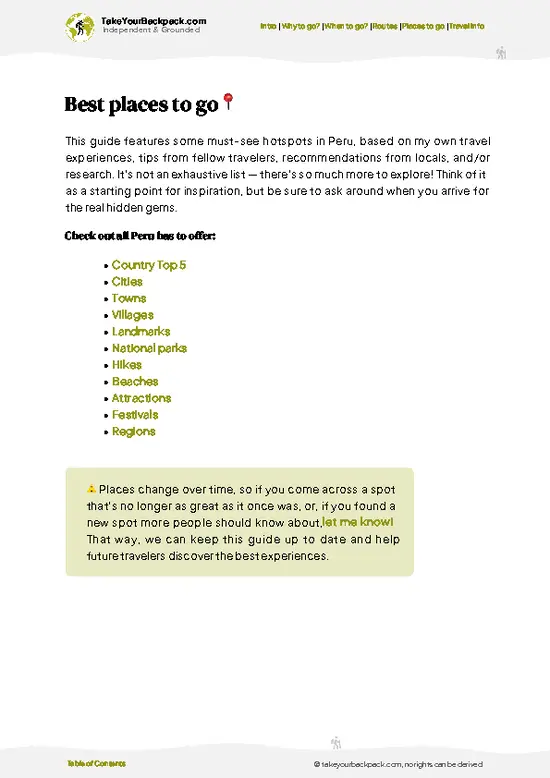
- Salkantay Pass: At about 4,630 meters, this is the highest point, marked with piles of stones left as offerings. Wind, thin air and open views of the glaciers make it the emotional peak of the trek.
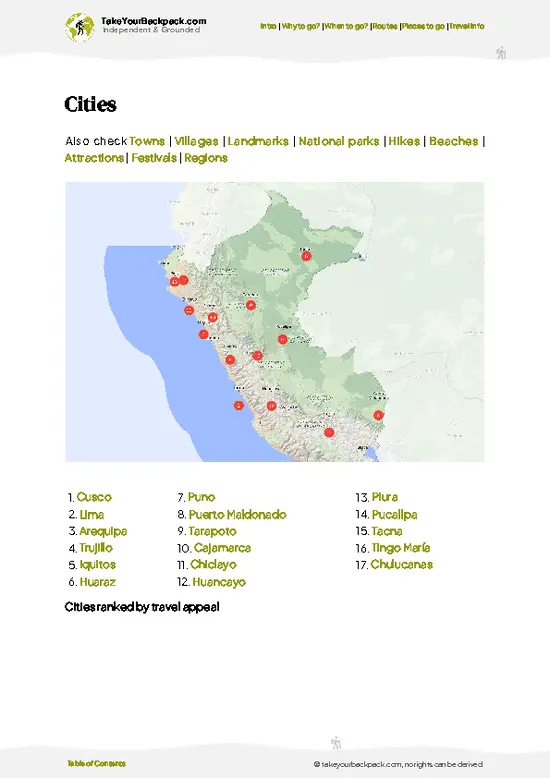
- Cloud forest below Chaullay: The trail drops into green, humid forest with waterfalls, ferns, bromeliads and birds. The change in vegetation within a single day is dramatic.
- Llactapata: An Inca site on the alternative route that looks across the valley to Machu Picchu. It is an uncrowded
- Salkantay Mountain: The Quechua name means “Savage Mountain,” and its glaciated pyramid dominates the first two days. The view from the pass is the one everyone photographs.
- Humantay Lake: A turquoise glacial lake reached by a steep 1.5 to 2 hour climb from Soraypampa. Go early, before the day-trippers from Cusco arrive.
- Salkantay Pass: At about 4,630 meters, this is the highest point, marked with piles of stones left as offerings. Wind, thin air and open views of the glaciers make it the emotional peak of the trek.
- Cloud forest below Chaullay: The trail drops into green, humid forest with waterfalls, ferns, bromeliads and birds. The change in vegetation within a single day is dramatic.
- Llactapata: An Inca site on the alternative route that looks across the valley to Machu Picchu. It is an uncrowded first glimpse of the citadel from a distance.
Spotted a mistake or missing something? Contact us.


 Best Backpacking
.jpg) Hi, I’m Johan (Netherlands 🇳🇱), the creator of TakeYourBackpack. Over the past 3 decades, I’ve backpacked through 90+ countries across six continents, gaining extensive experience with independent travel, long-term trips, and overland routes.
Hi, I’m Johan (Netherlands 🇳🇱), the creator of TakeYourBackpack. Over the past 3 decades, I’ve backpacked through 90+ countries across six continents, gaining extensive experience with independent travel, long-term trips, and overland routes.