How many hikes to do: Plan
two or three multi-day hikes in one trip, plus a few day walks. Peru's altitude and long transfers eat time, and each trek needs a rest day on either side. Squeezing in five big treks in three weeks leaves you tired, sick or stuck on a delayed bus. Fewer, better-planned hikes beat a checklist.
Choosing between kinds of hikes: If you want
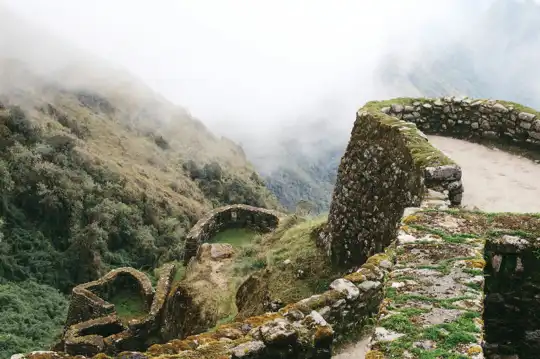
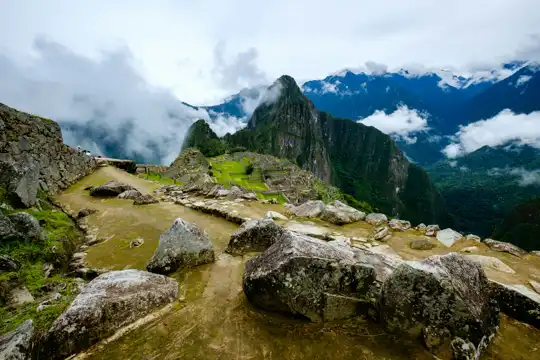
history and ruins, pick an Inca-era route and accept the permits and the crowds. If you want
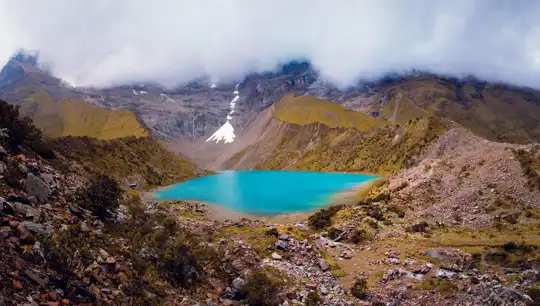
raw mountain scenery with the independence to go cheap, choose the Huaraz area, where you can hire guides at short notice. If you prefer
quiet and desert drama, the Arequipa canyons suit you. First-timers should start with a lower, shorter route to test how the body handles altitude. Experienced trekkers can head straight to 4,500-meter …
read more 👉 How many hikes to do: Plan two or three multi-day hikes in one trip, plus a few day walks. Peru's altitude and long transfers eat time, and each trek needs a rest day on either side. Squeezing in five big treks in three weeks leaves you tired, sick or stuck on a delayed bus. Fewer, better-planned hikes beat a checklist.
Choosing between kinds of hikes: If you want history and ruins, pick an Inca-era route and accept the permits and the crowds. If you want raw mountain scenery with the independence to go cheap, choose the Huaraz area, where you can hire guides at short notice. If you prefer quiet and desert drama, the Arequipa canyons suit you. First-timers should start with a lower, shorter route to test how the body handles altitude. Experienced trekkers can head straight to 4,500-meter passes.
What it costs: Budget US$40 to 70 a day on independent days, covering a hostel dorm, meals and local buses. Guided treks change the math. An Inca Trail trip generally costs US$700 to 1,000 or more through a licensed operator, and it must be booked months out. Alternative multi-day treks in the Cusco region commonly run US$250 to 500 for 4 to 5 days with guide, cook, and mules. In Huaraz, day treks run US$15 to 40, and multi-day circuits with arrieros and camping gear run about US$200 to 450. Park fees such as Huascarán's multi-day ticket run about S/ 150 to 200 (roughly US$40 to 55), and you should confirm current rates locally. Gear rental can add US$5 to 15 a day. Carry soles in small bills, since village shops and trailhead stalls often cannot break big notes.
Costs and delays that catch travelers out: The first trap is late permits. Waiting to book the Inca Trail until you land means you will miss it, so reserve months ahead. The second is cheap operators. Rock-bottom prices often mean thin sleeping bags, poor food or underpaid porters. Check that porters receive fair wages and that gear is included. The third is buying altitude shortcuts. Skipping acclimatization to save a night costs far more if you end up descending or in a clinic. Another is cash shortage. ATMs in trekking towns can run dry on weekends, so withdraw before you head out. Strikes and landslides can also delay buses, so keep one spare day and a refundable onward ticket.
Safety and cultural considerations: Altitude sickness is the main danger. Headache, nausea and dizziness above 3,500 meters demand rest, and worsening symptoms mean descending immediately. Drink plenty of water, go easy on alcohol, and consider talking to a doctor about acetazolamide. Weather turns quickly, with hail and freezing nights, so bring a waterproof shell and warm layers. Travel insurance should cover helicopter evacuation and trekking above 4,000 meters. Register with your guide, and do not hike glaciated terrain without proper gear.
On the cultural side, Andean communities own much of the land you cross. Ask before photographing people, and offer a small payment if they pose. Pay community entry fees where charged, and buy water, snacks or crafts from local families. Chew coca leaves only if offered in the right spirit, and carry out all trash. Respect ruins by staying on marked paths, because trails and terraces are fragile and many sites are sacred.
v2.webp)




 Best Backpacking
.jpg) Hi, I’m Johan (Netherlands 🇳🇱), the creator of TakeYourBackpack. Over the past 3 decades, I’ve backpacked through 90+ countries across six continents, gaining extensive experience with independent travel, long-term trips, and overland routes.
Hi, I’m Johan (Netherlands 🇳🇱), the creator of TakeYourBackpack. Over the past 3 decades, I’ve backpacked through 90+ countries across six continents, gaining extensive experience with independent travel, long-term trips, and overland routes.