×

Peru🇵🇪 | regionsHuaraz and the Cordillera BlancaSnow peaks, glacial lakes, trekking base | things to do and best time to go

Explore Huacachina Desert OasisExplore Lake Titicaca

Backpacking in Huaraz and the Cordillera Blanca
🏆 Top pickregion ranked #2
By Johan Kruseman 🇳🇱 | Updated September 4, 2026

Everyone thinks Huaraz is just a base camp you blast through on the way to Santa Cruz or Huayhuash, like some dusty waiting room for “real” mountains. That’s wrong; the Cordillera Blanca is the main event, and Huaraz is the messy, loud, useful heart of it. You’re in Peru’s central highlands, north of Lima, staring at a wall of 6,000 m peaks inside and around Huascarán National Park.

For backpackers, it’s a trade: world-class alpine scenery and cheap trekking logistics in exchange for rough edges. Huaraz is chaotic, concrete, and very real Peru, not a polished Cusco cosplay. Transport between towns and trailheads is easy but cramped: colectivos, pickups, dusty roads. You get glaciers, turquoise lakes, Quechua villages, and markets where you’re clearly a visitor, not the entire economy. Compared with the Sacred Valley, it’s less curated, less party, more “you actually came here to hike, right?”

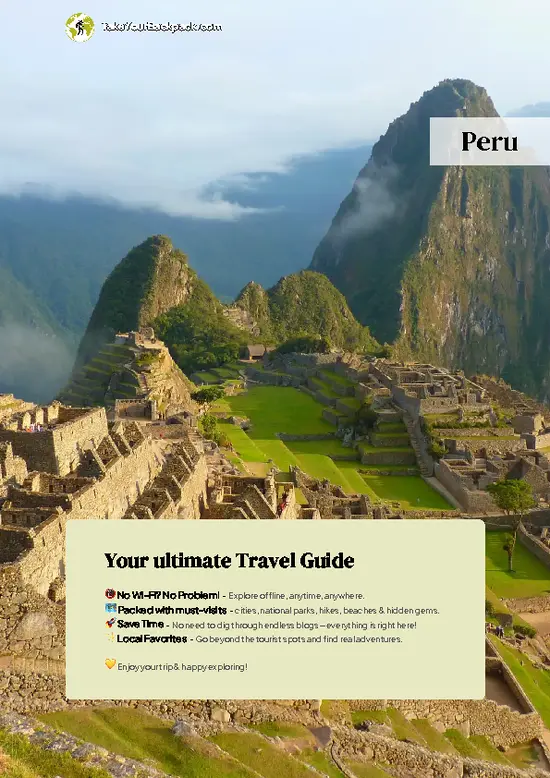
Discover everything you want to know in the 📖 Peru Travel Guide.


Get your Peru guide
113 ranked highlights, routes & tips, works offline (416 pages)
Loading the map 🌍
CLICK TO FILTER
cities
towns
villages
landmarks
national parks
hikes
beaches
attractions
festivals
regions
SHOW COUNTRY’S BESTSHOW ALL

✨ Why go?
Ranked #2 region in Peru
The unique appeal for travelers

In the heart of Peru, Huaraz and the Cordillera Blanca are a backpacker’s playground, and for good reason. First off, the variety of landscapes is jaw-dropping. You’ve got towering peaks, lush valleys, and shimmering lakes, all within a stone’s throw. This means you can dive into multiple experiences without the hassle of constant relocation.

Transport here is surprisingly flexible. You can hop on a local bus or share a ride with fellow travelers, making it easy to explore at your own pace. This is where slow travel shines. You can soak in the culture of Huaraz, savoring local dishes and chatting with artisans, while also trekking through some of the most stunning scenery in the Andes.

And let’s not forget about the comfort factor. You can choose from cozy hostels to more upscale lodgings, … read more 👉
In the heart of Peru, Huaraz and the Cordillera Blanca are a backpacker’s playground, and for good reason. First off, the variety of landscapes is jaw-dropping. You’ve got towering peaks, lush valleys, and shimmering lakes, all within a stone’s throw. This means you can dive into multiple experiences without the hassle of constant relocation.

Transport here is surprisingly flexible. You can hop on a local bus or share a ride with fellow travelers, making it easy to explore at your own pace. This is where slow travel shines. You can soak in the culture of Huaraz, savoring local dishes and chatting with artisans, while also trekking through some of the most stunning scenery in the Andes.

And let’s not forget about the comfort factor. You can choose from cozy hostels to more upscale lodgings, all while being surrounded by breathtaking views. It’s a perfect blend of nature and culture, allowing you to recharge and connect. So, if you’re looking for high-value experiences that don’t break the bank, Huaraz is where it’s at.
Want to include Huaraz and the Cordillera Blanca in your Peru route?
Create a personalized Peru itinerary that includes Huaraz and the Cordillera Blanca and the places that fit your trip — based on your travel style, budget, and available time. Get your route in seconds.

Generate my trip

💡 HighlightsMust-see experiences and standout moments

  1. Laguna 69 — That electric turquoise bowl tucked under steep glacial walls is the poster image of the Cordillera Blanca for good reason. It’s a high-altitude day hike with dramatic mountain reflections and close-up views of hanging glaciers you won’t find in lowland Peru.
  2. Laguna Parón — The largest lake in the range and one of the most cinematic: long blue water framed by jagged peaks (including Artesonraju). Less crowded early or late in the day, and the viewpoints off the old road make for unbelievable photo ops without a huge trek.
  3. Laguna Llanganuco (Chinancocha & Orconcocha) — Twin lakes sitting in a glacially carved valley beneath Huascarán and Huandoy. Easy to reach from the road, with viewpoints and short walks that deliver classic high-Andean scenery—great if you want major impact
read more 👉
  1. Laguna 69 — That electric turquoise bowl tucked under steep glacial walls is the poster image of the Cordillera Blanca for good reason. It’s a high-altitude day hike with dramatic mountain reflections and close-up views of hanging glaciers you won’t find in lowland Peru.
  2. Laguna Parón — The largest lake in the range and one of the most cinematic: long blue water framed by jagged peaks (including Artesonraju). Less crowded early or late in the day, and the viewpoints off the old road make for unbelievable photo ops without a huge trek.
  3. Laguna Llanganuco (Chinancocha & Orconcocha) — Twin lakes sitting in a glacially carved valley beneath Huascarán and Huandoy. Easy to reach from the road, with viewpoints and short walks that deliver classic high-Andean scenery—great if you want major impact with minimal effort.
  4. Santa Cruz Valley / Trek (Punta Unión) — The multi-day classic: high passes, turquoise lagoons, and the Alpamayo/Alpamayo-type spires that make the Andes feel alpine. Punta Unión’s panoramic bowl is the reward after a long day; the landscape transitions along the route feel uniquely Cordillera Blanca.
  5. Laguna Churup — A steep, sweaty day hike from Huaraz that finishes at a jewel-colored lake clinging to a vertical cliff. It’s shorter than the tourist classics but offers intimate scenery, scrambling sections, and the kind of alpine isolation you’d expect much further from the road.
  6. Pastoruri Glacier — One of the few places to see a tropical glacier in person. The ice is retreating (so go sooner rather than later), but the stark contrast of ice, bofedales and puna grasslands, plus the nearby puyas, gives a real sense of the high-altitude ecosystem and climate change in action.
  7. Yungay (1970 avalanche site and memorial) — A sobering, powerful place: the old town’s ruins and the slope that wiped it out in 1970 are visible from the new plaza and memorial. It’s an important historical visit—respectful, quiet, and unusually poignant for an otherwise outdoorsy itinerary.
  8. Punta Olímpica (Hidden gem) — A wild, cliff-edged high pass and narrow canyon route much less visited than the main tourist loops. The road and viewpoints cut into dramatic vertical relief and give a raw, rugged perspective of the range that you won’t get on the busier lakes and treks.
  9. Quilcayhuanca Valley (Hidden gem — personal favorite) — Less crowded than Llanganuco or Santa Cruz but every bit as beautiful: turquoise pools, quiet shepherd camps, glacier-fed streams and remote alpine meadows. Hikes here feel local and honest—no tour buses, real Andean villages—and I keep going back for the calm and the light on the peaks.
  10. Vaquería / Arhuaycocha (Alpamayo viewpoint) (Hidden gem) — The approach to Alpamayo’s classic face via the small Vaquería valley is quieter than the main Santa Cruz corridor and offers intimate viewpoints of Alpamayo and nearby glaciers. It’s a short, off-the-beaten-path experience that rewards anyone after close-up peak views without the crowds.
Spotted a mistake or missing something? Contact us.

Things to do around Huaraz and the Cordillera Blanca

Ratings based on Tripadvisor reviews. When you book through this link, you support our work at no extra cost to you.

⌛️ 5 daysSeeing the highlights in 5 days

Day 1: Huaraz
Huaraz is your launchpad. It’s where the adventure begins, and it’s crucial to acclimatize. Spend the day strolling through the local market, sampling street food, and soaking in the vibrant culture. The altitude can hit hard, so take it easy. This first day is about getting your bearings and understanding the rhythm of the town. You’ll want to stock up on snacks and gear for the days ahead, so hit up the local shops.

Day 2: Laguna 69
This is where the magic happens. An early start is essential; the bus ride to the trailhead takes about two hours. The hike to Laguna 69 is challenging but worth every step. The turquoise waters against the backdrop of snow-capped peaks will leave you breathless. This day sets the tone for your trip, showcasing the region’s raw beauty. Don’t … read more 👉
Day 1: Huaraz
Huaraz is your launchpad. It’s where the adventure begins, and it’s crucial to acclimatize. Spend the day strolling through the local market, sampling street food, and soaking in the vibrant culture. The altitude can hit hard, so take it easy. This first day is about getting your bearings and understanding the rhythm of the town. You’ll want to stock up on snacks and gear for the days ahead, so hit up the local shops.

Day 2: Laguna 69
This is where the magic happens. An early start is essential; the bus ride to the trailhead takes about two hours. The hike to Laguna 69 is challenging but worth every step. The turquoise waters against the backdrop of snow-capped peaks will leave you breathless. This day sets the tone for your trip, showcasing the region’s raw beauty. Don’t rush; take your time to soak it all in.

Day 3: Off-Path Reward: Chavín de Huantar
Take a detour to Chavín de Huantar, an ancient archaeological site. It’s about a two-hour bus ride from Huaraz, but the history here is palpable. The ruins are fascinating, and the surrounding landscapes are stunning. This stop adds depth to your journey, connecting you to the ancient cultures that once thrived in these mountains.

Day 4: Santa Cruz Trek
Get ready for a multi-day trek. The Santa Cruz Trek is a classic, and you’ll want to start early. The transport to the trailhead is straightforward, but the trek will test your limits. You’ll experience diverse ecosystems and breathtaking views. This is where you truly immerse yourself in the Cordillera Blanca.

Day 5: Return to Huaraz
After the trek, return to Huaraz. Take the day to relax and reflect. Enjoy a hearty meal and share stories with fellow travelers. This day is about winding down and cherishing the memories made.

The must-do day? Day 2 at Laguna 69. It encapsulates the essence of Huaraz and the Cordillera Blanca, making it the highlight of your trip.
Turn your Huaraz and the Cordillera Blanca visit into an Peru adventure
Build a complete Peru route with Huaraz and the Cordillera Blanca, hidden gems, must-see destinations, and realistic travel times included.

Generate my trip

🌤️ When to go?Choosing the right time of year


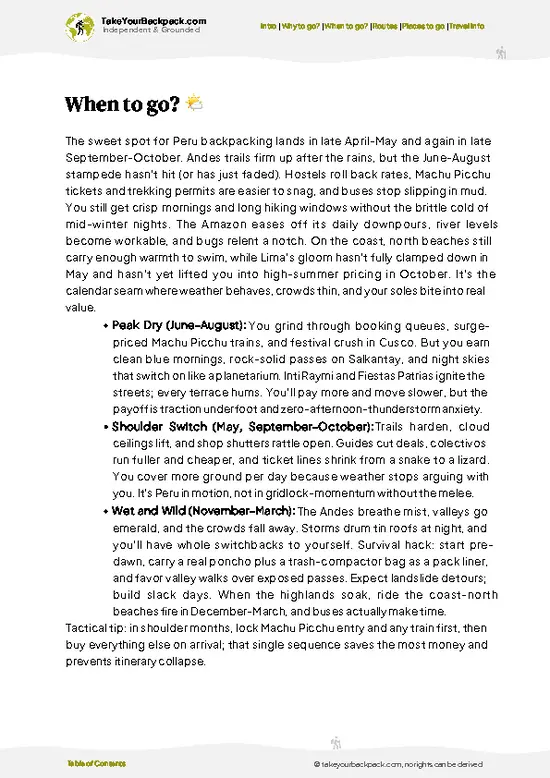
  • Weather: The dry season from May to September is your golden window. Clear skies dominate, making those epic Cordillera Blanca views crystal sharp. Rain is scarce, so trails stay firm and safe.

  • Temperature: Days hover around 15-20°C (59-68°F), perfect for trekking without overheating. Nights dive to freezing or below, so pack layers—think thermal base, fleece, and a good down jacket.

  • Daylight Hours: Expect roughly 11 to 12 hours of daylight, enough to start early and finish your hike before dusk without rushing. Sunrise around 6 am, sunset near 6 pm.

  • Crowds: Peak season means more trekkers, especially June to August. Trails and hostels fill up fast, so book ahead or hit lesser-known routes to dodge the herd.

  • Seasonal Activities: Dry months unlock climbing, glacier trekking, and
read more 👉

  • Weather: The dry season from May to September is your golden window. Clear skies dominate, making those epic Cordillera Blanca views crystal sharp. Rain is scarce, so trails stay firm and safe.

  • Temperature: Days hover around 15-20°C (59-68°F), perfect for trekking without overheating. Nights dive to freezing or below, so pack layers—think thermal base, fleece, and a good down jacket.

  • Daylight Hours: Expect roughly 11 to 12 hours of daylight, enough to start early and finish your hike before dusk without rushing. Sunrise around 6 am, sunset near 6 pm.

  • Crowds: Peak season means more trekkers, especially June to August. Trails and hostels fill up fast, so book ahead or hit lesser-known routes to dodge the herd.

  • Seasonal Activities: Dry months unlock climbing, glacier trekking, and high-altitude hikes. Wet season (Nov-April) brings lush greenery but slippery trails and frequent showers, not ideal for serious backpacking.

  • Price Fluctuations: High season inflates prices for guides, gear rentals, and lodging. Off-season offers bargains but at the cost of unpredictable weather and limited services.


Pro-tip: Arrive in late April or early October—just before or after the crowds—when the weather’s still solid, prices dip, and you get the trails almost to yourself.


source: climatestotravel.comJANJanuary: fair for travelingFEBFebruary: fair for travelingMARMarch: fair for travelingAPRApril: good for travelingMAYMay: excellent for travelingJUNJune: excellent for travelingJULJuly: excellent for travelingAUGAugust: excellent for travelingSEPSeptember: excellent for travelingOCTOctober: highly recommended for travelingNOVNovember: fair for travelingDECDecember: fair for traveling

✈️ The backpacker research shortcutPeru Travel Guide

An offline-friendly backpacking guide with optimized travel routes, ranked highlights, transport advice, and the best areas to stay.
example page 0 from our offline Travel Guide for Peru
example page 1 from our offline Travel Guide for Peru
example page 2 from our offline Travel Guide for Peru
example page 3 from our offline Travel Guide for Peru
example page 4 from our offline Travel Guide for Peru
example page 5 from our offline Travel Guide for Peru
example page 6 from our offline Travel Guide for Peru
example page 7 from our offline Travel Guide for Peru
The digital guide (416 pages) contains:
113 highlights, ranked by travel appeal
Optimized 7, 14 & 21-day travel routes
Cities, national parks, landmarks, beaches
How to get around
Offline-friendly for travel without Wi-Fi
👉 Click to see all 30+ guide features

📅 Plan smarter in minutes, not weeks
Month by month travel advice
Festivals & national holidays
Budget expectations

🗺️ Go to the right places, skip the overrated ones
Honest pros & cons of destinations
Top hikes, parks & viewpoints
Lesser-known places most travelers miss
Clear “worth it vs skip it” guidance

🛏️ Travel smoothly without rookie mistakes
Best areas to stay
Transport systems explained simply
Common scams & safety advice
SIM cards, money & practical tips

🌍 Understand the country, not just visit it
Culture & traditions
52 Essential phrases & customs
Festivals worth planning around
Traveler-friendly historical context
Insights that make places more meaningful

📱 Built for real travel conditions
Fully downloadable PDF
Works completely offline
Optimized for phone use
Useful in remote areas & buses
Everything in one place
Save weeks of stressful planning
Get instant access to your full guide. 30‑day money-back guarantee.
+ Add another guide for just JP¥1170

By proceeding you agree to our terms.
Sent to your inbox immediately after payment • 100% Secure Checkout
Best Backpacking Travel Advisor 2025 tourism awardBest Backpacking
Travel Advisor
2025
What others say about Take Your Backpack Guides:
⭐⭐⭐⭐⭐
Fantastic, amazing amount of information!
⭐⭐⭐⭐⭐
My goodness this is amazing, it's what I've been looking for hats off too you!
⭐⭐⭐⭐⭐
I think this is absolutely BRILLIANT
⭐⭐⭐⭐
Very complete and informative. It's still missing places, but I gotta to commend you
⭐⭐⭐⭐⭐
This is truly amazing, thank you, can't wait to explore it with my kids!
⭐⭐⭐⭐⭐
Awesome resource, thank you!
⭐⭐⭐⭐⭐
This is amazing! Can't wait to explore the ones I haven't seen
⭐⭐⭐⭐
I love this! Well done, great idea.
⭐⭐⭐⭐⭐
Thanks for taking the time to make this gem!
⭐⭐⭐⭐⭐
This might be the best website I've ever seen.
⭐⭐⭐⭐⭐
Congratulations, and thank you so much for your work; it's incredibly valuable.
⭐⭐⭐⭐
In all seriousness I think you did a great job pointing out the important spots
⭐⭐⭐⭐⭐
10/10 very good
⭐⭐⭐⭐⭐
As someone who's only just starting to visit regularly this is awesome, thank you.
⭐⭐⭐⭐
Thank you very much! I'm going to visit my dad, it's going to be very useful!
⭐⭐⭐⭐⭐
This is really cool! We'll be travelling for the first time and this definitely come in handy.
⭐⭐⭐⭐⭐
You are now our minister of culture, congratulations 👨‍💼
⭐⭐⭐⭐⭐
Just wanted to tell you that this is a pearl! Going to follow your recommendations.
⭐⭐⭐⭐⭐
This is so cool. I'll definitely be using the resource for my travels soon.
⭐⭐⭐⭐⭐
This is very impressive! Good work.
⭐⭐⭐⭐⭐
This is an amazing and informative site. Very well done!

🛏️ Where to stay?Choosing the right base

When you hit Huaraz and the Cordillera Blanca, you’re diving into a backpacker’s paradise. Start in Huaraz itself. This bustling city is the gateway to the mountains, packed with fellow travelers and a vibrant local scene. You’ll find cheap eats and lively markets, plus a plethora of trekking agencies to help you plan your next adventure. The energy here is contagious, making it easy to connect with others.

Next up, consider Casma. It’s a bit off the beaten path but offers a laid-back vibe. You can chill on the beach and explore ancient ruins without the crowds. It’s a great spot to recharge … read more 👉
When you hit Huaraz and the Cordillera Blanca, you’re diving into a backpacker’s paradise. Start in Huaraz itself. This bustling city is the gateway to the mountains, packed with fellow travelers and a vibrant local scene. You’ll find cheap eats and lively markets, plus a plethora of trekking agencies to help you plan your next adventure. The energy here is contagious, making it easy to connect with others.

Next up, consider Casma. It’s a bit off the beaten path but offers a laid-back vibe. You can chill on the beach and explore ancient ruins without the crowds. It’s a great spot to recharge before hitting the trails again.

If you’re feeling adventurous, check out Yungay. This town is a launching pad for some of the best hikes in the region. It’s smaller and quieter, but the sense of community is strong. You’ll find local eateries where you can savor authentic Peruvian dishes while swapping stories with other trekkers.

Each of these spots offers a unique flavor of the region. Choose wisely based on your priorities—whether it’s socializing, comfort, or just soaking in the stunning landscapes.

🚌 Getting aroundTransportation options and practical tips

Huaraz and the Cordillera Blanca pulse with a rhythm that’s part chaos, part charm. Here, schedules are suggestions rather than rules, and the mountains seem to dictate the flow of life. You’ll find yourself swept up in a blend of local chatter, the scent of street food, and the distant echo of hikers gearing up for their next adventure. It’s a place where intuition reigns supreme, and the best experiences often come from spontaneous decisions. So, if you’re ready to embrace the unpredictability, let’s dive into the transport options that’ll get you moving through this stunning region.


  • Collectivos: These shared vans are the lifeblood of local transport. They run frequently, often from dawn until dusk, and cost around 10-15 soles to get to nearby towns like Caraz or Yungay. Expect a bumpy
read more 👉
Huaraz and the Cordillera Blanca pulse with a rhythm that’s part chaos, part charm. Here, schedules are suggestions rather than rules, and the mountains seem to dictate the flow of life. You’ll find yourself swept up in a blend of local chatter, the scent of street food, and the distant echo of hikers gearing up for their next adventure. It’s a place where intuition reigns supreme, and the best experiences often come from spontaneous decisions. So, if you’re ready to embrace the unpredictability, let’s dive into the transport options that’ll get you moving through this stunning region.


  • Collectivos: These shared vans are the lifeblood of local transport. They run frequently, often from dawn until dusk, and cost around 10-15 soles to get to nearby towns like Caraz or Yungay. Expect a bumpy ride, but you’ll be surrounded by locals, making it a cultural experience in itself.


  • Public Buses: For longer distances, public buses are your best bet. They connect Huaraz to major cities like Lima and Trujillo, with prices ranging from 30 to 70 soles. Buses leave throughout the day, but it’s wise to book in advance during peak season. Comfort varies, so choose wisely—some offer reclining seats and snacks, while others are more basic.


  • Taxis: While pricier, taxis are a convenient option for short distances within Huaraz. A ride across town will set you back about 5-10 soles. If you’re traveling with a group, it’s worth splitting the fare. Just be sure to negotiate the price before you hop in.


  • Hiking: If you’re feeling adventurous, many trails start right from Huaraz. Trekking to places like Laguna 69 or the Santa Cruz trek can be done independently or with a guide. It’s free, aside from any entrance fees, and offers the most immersive way to experience the breathtaking landscapes.


  • Rental Bikes: For those who want to explore at their own pace, renting a bike can be a fun option. Prices hover around 20-30 soles per day. Just be prepared for some uphill battles, but the views are worth every pedal stroke.


Here’s a tactical tip: always ask locals for the latest transport schedules and routes. They’re the best source of real-time info and can steer you clear of any surprises. Plus, you’ll get a taste of the local vibe, which is half the fun of traveling in this vibrant region. Embrace the flow, and let the mountains guide your journey!

🍲 FoodLocal Cuisine & Drinks

In Huaraz and the Cordillera Blanca, food is a celebration of the land. Dive into cuy chactado, a crispy fried guinea pig that’s a local delicacy. The flavor is rich and savory, often served with a side of papas a la huancaína, potatoes drenched in a creamy, spicy cheese sauce. Don’t miss pachamanca, where meats and vegetables are slow-cooked underground, infusing them with earthy flavors that scream authenticity.

For a true backpacker experience, hit the local markets. The bustling Mercado Central is a sensory overload—vendors hawking fresh fruits, vibrant spices, and street food that sizzles on hot grills. Grab a plate of anticuchos, skewered beef heart marinated in spices, and wash it down with a glass of chicha morada, a sweet purple corn drink that’s both refreshing and unique.

Dining … read more 👉
In Huaraz and the Cordillera Blanca, food is a celebration of the land. Dive into cuy chactado, a crispy fried guinea pig that’s a local delicacy. The flavor is rich and savory, often served with a side of papas a la huancaína, potatoes drenched in a creamy, spicy cheese sauce. Don’t miss pachamanca, where meats and vegetables are slow-cooked underground, infusing them with earthy flavors that scream authenticity.

For a true backpacker experience, hit the local markets. The bustling Mercado Central is a sensory overload—vendors hawking fresh fruits, vibrant spices, and street food that sizzles on hot grills. Grab a plate of anticuchos, skewered beef heart marinated in spices, and wash it down with a glass of chicha morada, a sweet purple corn drink that’s both refreshing and unique.

Dining here is casual and communal. Expect to share tables and stories with locals. It’s common to see families enjoying meals together, so don’t hesitate to join in. Just remember, when you’re offered food, it’s polite to accept. Embrace the warmth of the culture, and you’ll find that every bite tells a story.

FAQFrequently asked questions about Huaraz and the Cordillera Blanca

5 to 7 days are ideal to explore Huaraz and the Cordillera Blanca thoroughly. This allows time for acclimatization, day hikes like Laguna 69, and multi-day treks such as the Santa Cruz trek. Longer stays enable visiting nearby ruins and hot springs.
You can get around Huaraz and the Cordillera Blanca using colectivos (shared minibuses), local buses, and moto-taxis. These are affordable, with colectivo rides costing around 5-10 soles for common routes. Organized tours and trekking guides are also popular for reaching remote trailheads.
Huaraz and the Cordillera Blanca are known for high-altitude trekking, mountaineering, and stunning glacial lakes. The region features Peru's highest tropical mountain range, including Huascarán, the country's tallest peak at 6,768 meters. It is a hub for adventure tourism and Andean culture.
⚠️ Things can change over time, so always validate details locally before you go.

Other Peruvian regions near Huaraz and the Cordillera Blanca

Explore more nearby:


💡 Not sure where to go next?
Create a personalized itinerary for Peru including Huaraz and the Cordillera Blanca and the places that fit your trip.

Generate my itinerary

👉 Discover all regions

Or checkout all Peru has to offer (think cities, towns, villages, national parks, hikes, beaches, festivals)
Country photo of Peru

We 💚 feedbackKey takeaways before you go

Huaraz and the Cordillera Blanca? Absolutely worth it for the jaw-dropping hikes and the chance to connect with local culture. You’ll feel the pulse of the Andes in every step. But here’s the kicker: altitude sickness can hit hard. Take it slow, hydrate, and don’t rush into those epic trails. Embrace the acclimatization process; it’s part of the adventure. Trust me, the views are worth the wait.

✈️ When did I visit Peru?
Peru I visited during my half year trip through South and Central America back in 2003

✍️ Help improve this page!
The information on this page is based on my own backpacking experience in Peru, supplemented with up-to-date research and feedback from other travelers. Travel details can change, so if you notice anything outdated or incomplete, feel free to let me know.


🙋‍♂️ Give feedback

👋 Meet the founderWho’s Behind Take Your Backpack?

Johan, backpacker and founder of TakeYourBackpackHi, I’m Johan (Netherlands 🇳🇱), the creator of TakeYourBackpack. Over the past decade, I’ve backpacked through 80+ countries across six continents, gaining extensive experience with independent travel, long-term trips, and overland routes.

This site is built on a combination of firsthand travel experience and carefully curated insights from other backpackers. Many guides are based on places I’ve personally visited, while others bring together tips, observations, and practical advice shared by trusted travelers I’ve met along the way.

The goal is to provide realistic, experience-driven guidance — not generic itineraries — so you can explore destinations with better context, clearer expectations, and more confidence.

Get full Peru guide •
Instant download • 113 highlights • Full Offline guide