

The Erotic Pottery Gallery
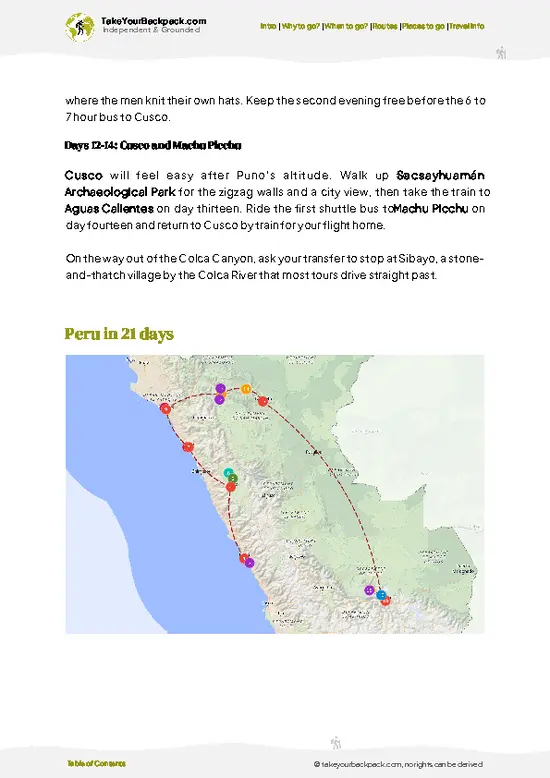
Let’s get this out of the way: yes, the Larco Museum’s most famous room is full of ancient Peruvian ceramics depicting sex acts in every imaginable (and some unimaginable) configuration. This isn’t some sideshow; it’s a raw, unfiltered look at how the Moche and other pre-Columbian cultures viewed sexuality—without shame, censorship, or the prudishness that still haunts most museums. The pieces are explicit, funny, and deeply human. You’ll see giggling school groups, blushing grandparents, and everyone in between. It’s not just about shock value; it’s about realizing that 1,500 years ago, people were just as weird, curious, and creative as we are. If you want to see the side of ancient Peru that never makes it onto postcards, this is the room. (Personal favorite—because … read more 👉
The Erotic Pottery Gallery
Let’s get this out of the way: yes, the Larco Museum’s most famous room is full of ancient Peruvian ceramics depicting sex acts in every imaginable (and some unimaginable) configuration. This isn’t some sideshow; it’s a raw, unfiltered look at how the Moche and other pre-Columbian cultures viewed sexuality—without shame, censorship, or the prudishness that still haunts most museums. The pieces are explicit, funny, and deeply human. You’ll see giggling school groups, blushing grandparents, and everyone in between. It’s not just about shock value; it’s about realizing that 1,500 years ago, people were just as weird, curious, and creative as we are. If you want to see the side of ancient Peru that never makes it onto postcards, this is the room. (Personal favorite—because it’s the most honest, disarming, and memorable gallery in Lima.)
The Gold and Silver Treasures
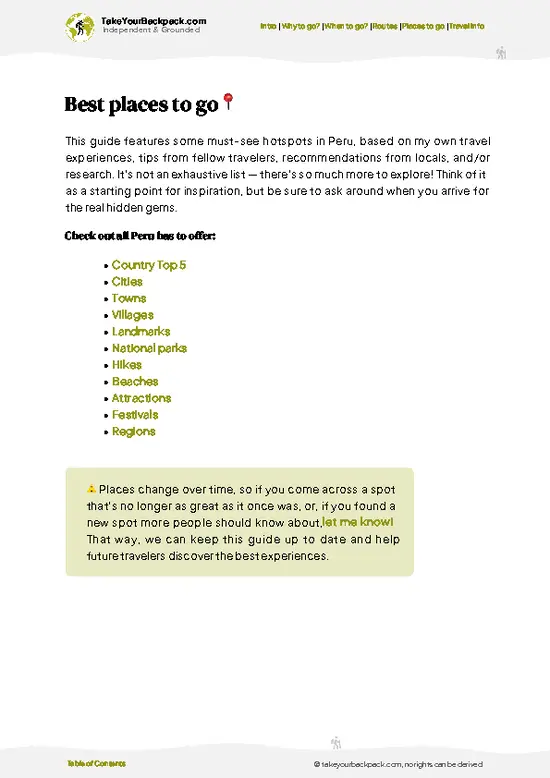
Forget the tired trope of “ancient riches.” Here, you’re face-to-face with jewelry, masks, and ceremonial objects that actually look like they belong in a king’s tomb. The craftsmanship is absurdly intricate—think filigree earrings, nose ornaments the size of your palm, and headdresses that would make a rock star jealous. These aren’t just museum pieces; they’re evidence of a civilization that valued artistry and status in ways that still feel fresh. The lighting is perfect, the displays are close enough to study, and you’ll walk away with a new respect for pre-Inca bling.
The Storage Rooms (Visible Depository)
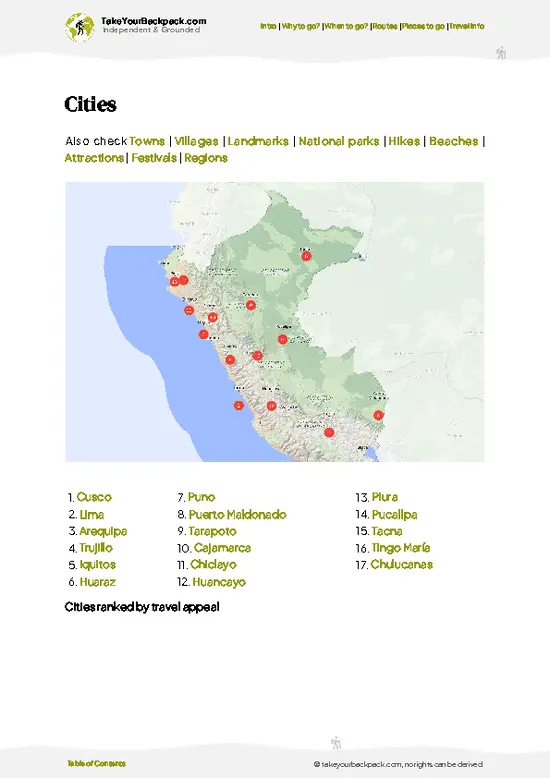
This is where Larco blows every other museum in Peru out of the water. Instead of hiding their collection in a basement, they open up their storage rooms—shelves upon shelves of ceramics, textiles, and metalwork, all visible behind glass. It’s like wandering through the backstage of history. You can see the sheer scale of what’s been preserved, from everyday bowls to ceremonial vessels shaped like animals and gods. No velvet ropes, no “do not enter” signs—just you and thousands of artifacts. It’s the ultimate antidote to the Instagram version of museums, and it’s the reason real archaeology nerds come here.
The Gardens and Café
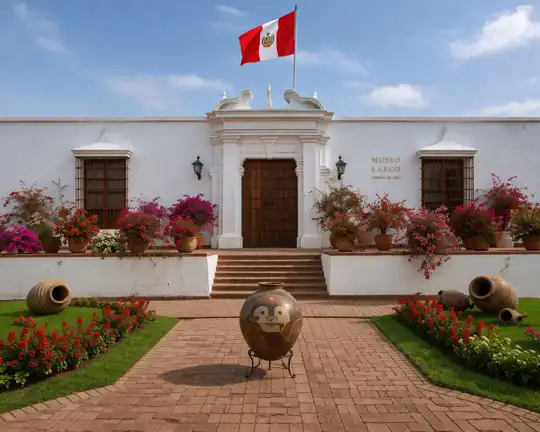
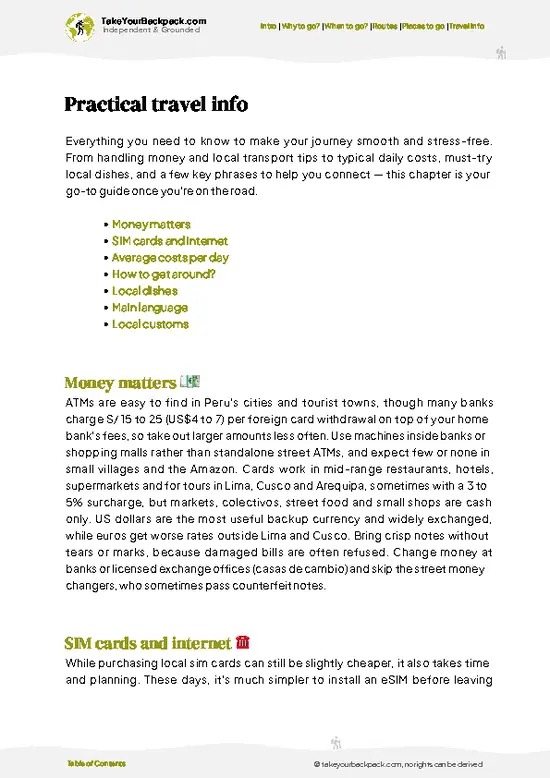
Here’s the plot twist: the best place to decompress in Lima is a museum courtyard. The Larco’s gardens are a riot of bougainvillea and hummingbirds, with shady tables and a café that serves genuinely good Peruvian food (not just limp sandwiches). After the intensity of the galleries, this is where you catch your breath, sip a maracuyá juice, and realize you’re sitting in a colonial mansion surrounded by 2,000 years of history. It’s not a tourist trap; it’s a reward for anyone who stuck around long enough to see the real magic.
Let’s get this out of the way: yes, the Larco Museum’s most famous room is full of ancient Peruvian ceramics depicting sex acts in every imaginable (and some unimaginable) configuration. This isn’t some sideshow; it’s a raw, unfiltered look at how the Moche and other pre-Columbian cultures viewed sexuality—without shame, censorship, or the prudishness that still haunts most museums. The pieces are explicit, funny, and deeply human. You’ll see giggling school groups, blushing grandparents, and everyone in between. It’s not just about shock value; it’s about realizing that 1,500 years ago, people were just as weird, curious, and creative as we are. If you want to see the side of ancient Peru that never makes it onto postcards, this is the room. (Personal favorite—because it’s the most honest, disarming, and memorable gallery in Lima.)
The Gold and Silver Treasures
Forget the tired trope of “ancient riches.” Here, you’re face-to-face with jewelry, masks, and ceremonial objects that actually look like they belong in a king’s tomb. The craftsmanship is absurdly intricate—think filigree earrings, nose ornaments the size of your palm, and headdresses that would make a rock star jealous. These aren’t just museum pieces; they’re evidence of a civilization that valued artistry and status in ways that still feel fresh. The lighting is perfect, the displays are close enough to study, and you’ll walk away with a new respect for pre-Inca bling.
The Storage Rooms (Visible Depository)
This is where Larco blows every other museum in Peru out of the water. Instead of hiding their collection in a basement, they open up their storage rooms—shelves upon shelves of ceramics, textiles, and metalwork, all visible behind glass. It’s like wandering through the backstage of history. You can see the sheer scale of what’s been preserved, from everyday bowls to ceremonial vessels shaped like animals and gods. No velvet ropes, no “do not enter” signs—just you and thousands of artifacts. It’s the ultimate antidote to the Instagram version of museums, and it’s the reason real archaeology nerds come here.
The Gardens and Café
Here’s the plot twist: the best place to decompress in Lima is a museum courtyard. The Larco’s gardens are a riot of bougainvillea and hummingbirds, with shady tables and a café that serves genuinely good Peruvian food (not just limp sandwiches). After the intensity of the galleries, this is where you catch your breath, sip a maracuyá juice, and realize you’re sitting in a colonial mansion surrounded by 2,000 years of history. It’s not a tourist trap; it’s a reward for anyone who stuck around long enough to see the real magic.
Spotted a mistake or missing something? Contact us.
v2.webp)


Best Backpacking
Hi, I’m Johan (Netherlands 🇳🇱), the creator of TakeYourBackpack. Over the past decade, I’ve backpacked through 80+ countries across six continents, gaining extensive experience with independent travel, long-term trips, and overland routes.