

The Lord of Sipán’s Tomb (El Señor de Sipán)
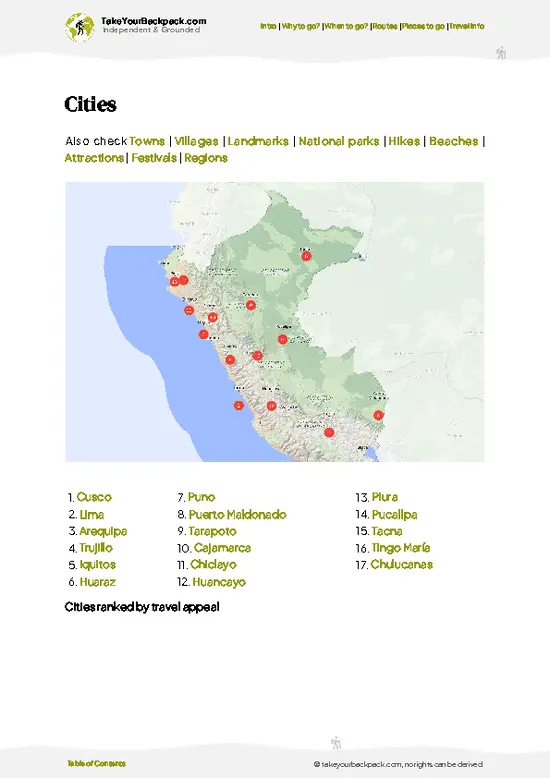
Let’s cut through the hype: this is not just another “ancient gold” exhibit. The Lord of Sipán’s tomb is the Peruvian equivalent of stumbling into King Tut’s resting place—except it’s real, it’s here, and it’s not behind a velvet rope in some European museum. You’re face-to-face with the actual burial chamber, reconstructed with forensic precision, surrounded by the original regalia: gold, silver, turquoise, and the kind of ceremonial bling that makes modern jewelry look like Cracker Jack prizes. The drama of the discovery—an untouched royal tomb, complete with sacrificed guards and family—hits you in the gut. This is the main event, and it’s worth every sol of the entry fee.
The Royal Grave Goods
Forget the Instagram shots of shiny artifacts. The … read more 👉
Let’s cut through the hype: this is not just another “ancient gold” exhibit. The Lord of Sipán’s tomb is the Peruvian equivalent of stumbling into King Tut’s resting place—except it’s real, it’s here, and it’s not behind a velvet rope in some European museum. You’re face-to-face with the actual burial chamber, reconstructed with forensic precision, surrounded by the original regalia: gold, silver, turquoise, and the kind of ceremonial bling that makes modern jewelry look like Cracker Jack prizes. The drama of the discovery—an untouched royal tomb, complete with sacrificed guards and family—hits you in the gut. This is the main event, and it’s worth every sol of the entry fee.
The Royal Grave Goods
Forget the Instagram shots of shiny artifacts. The … read more 👉
The Lord of Sipán’s Tomb (El Señor de Sipán)
Let’s cut through the hype: this is not just another “ancient gold” exhibit. The Lord of Sipán’s tomb is the Peruvian equivalent of stumbling into King Tut’s resting place—except it’s real, it’s here, and it’s not behind a velvet rope in some European museum. You’re face-to-face with the actual burial chamber, reconstructed with forensic precision, surrounded by the original regalia: gold, silver, turquoise, and the kind of ceremonial bling that makes modern jewelry look like Cracker Jack prizes. The drama of the discovery—an untouched royal tomb, complete with sacrificed guards and family—hits you in the gut. This is the main event, and it’s worth every sol of the entry fee.
The Royal Grave Goods
Forget the Instagram shots of shiny artifacts. The real thrill is seeing the sheer volume and craftsmanship of the grave goods: nose ornaments the size of your palm, necklaces made from seashells hauled over the Andes, and intricate earspools that would make a punk rocker jealous. These aren’t just pretty objects—they’re a crash course in Moche symbolism, power, and obsession with the afterlife. The museum’s lighting and layout make these treasures feel almost illicit, like you’re peeking into a world you were never meant to see.
The Warrior Priest’s Tomb
If you think one tomb is enough, think again. The Warrior Priest’s burial is a reminder that Sipán was not a one-hit wonder. This tomb, with its own set of dazzling regalia and ceremonial weapons, proves that the Moche elite were a league apart. The details—obsidian knives, copper banners, and the arrangement of sacrificed companions—are both fascinating and a little chilling. It’s a rare chance to see how power and ritual played out in ancient Peru, not just read about it.
The Museum Architecture
Here’s where the Instagrammers get it wrong: the outside of the museum is not just a photo op. The building itself is a bold, pyramid-inspired structure modeled after Moche temples. Walking up those steep red ramps, you’re not just entering a museum—you’re stepping into a modern homage to a lost civilization. It’s immersive, theatrical, and sets the tone before you even see a single artifact.
The Forensic Reconstruction Room
Personal favorite. This is where the science nerds and the art lovers unite. The museum doesn’t just show you bones and gold; it brings the Lord of Sipán back to life with forensic facial reconstructions. You see the face of a man who ruled 1,700 years ago, recreated from his skull with painstaking detail. It’s intimate, a little eerie, and absolutely unforgettable. Suddenly, history isn’t abstract—it’s staring you right in the eye.
The Moche Culture Galleries
If you want context (and you should), these galleries deliver. Pottery, textiles, and murals fill in the gaps, showing you the daily life, mythology, and brutal rituals of the Moche. The ceramics alone—depicting everything from warriors to erotic scenes—are a reminder that ancient Peru was anything but dull. This is where you get the full picture, not just the highlight reel.
Let’s cut through the hype: this is not just another “ancient gold” exhibit. The Lord of Sipán’s tomb is the Peruvian equivalent of stumbling into King Tut’s resting place—except it’s real, it’s here, and it’s not behind a velvet rope in some European museum. You’re face-to-face with the actual burial chamber, reconstructed with forensic precision, surrounded by the original regalia: gold, silver, turquoise, and the kind of ceremonial bling that makes modern jewelry look like Cracker Jack prizes. The drama of the discovery—an untouched royal tomb, complete with sacrificed guards and family—hits you in the gut. This is the main event, and it’s worth every sol of the entry fee.
The Royal Grave Goods
Forget the Instagram shots of shiny artifacts. The real thrill is seeing the sheer volume and craftsmanship of the grave goods: nose ornaments the size of your palm, necklaces made from seashells hauled over the Andes, and intricate earspools that would make a punk rocker jealous. These aren’t just pretty objects—they’re a crash course in Moche symbolism, power, and obsession with the afterlife. The museum’s lighting and layout make these treasures feel almost illicit, like you’re peeking into a world you were never meant to see.
The Warrior Priest’s Tomb
If you think one tomb is enough, think again. The Warrior Priest’s burial is a reminder that Sipán was not a one-hit wonder. This tomb, with its own set of dazzling regalia and ceremonial weapons, proves that the Moche elite were a league apart. The details—obsidian knives, copper banners, and the arrangement of sacrificed companions—are both fascinating and a little chilling. It’s a rare chance to see how power and ritual played out in ancient Peru, not just read about it.
The Museum Architecture
Here’s where the Instagrammers get it wrong: the outside of the museum is not just a photo op. The building itself is a bold, pyramid-inspired structure modeled after Moche temples. Walking up those steep red ramps, you’re not just entering a museum—you’re stepping into a modern homage to a lost civilization. It’s immersive, theatrical, and sets the tone before you even see a single artifact.
The Forensic Reconstruction Room
Personal favorite. This is where the science nerds and the art lovers unite. The museum doesn’t just show you bones and gold; it brings the Lord of Sipán back to life with forensic facial reconstructions. You see the face of a man who ruled 1,700 years ago, recreated from his skull with painstaking detail. It’s intimate, a little eerie, and absolutely unforgettable. Suddenly, history isn’t abstract—it’s staring you right in the eye.
The Moche Culture Galleries
If you want context (and you should), these galleries deliver. Pottery, textiles, and murals fill in the gaps, showing you the daily life, mythology, and brutal rituals of the Moche. The ceramics alone—depicting everything from warriors to erotic scenes—are a reminder that ancient Peru was anything but dull. This is where you get the full picture, not just the highlight reel.
Spotted a mistake or missing something? Contact us.
v2.webp)


Best Backpacking
Hi, I’m Johan (Netherlands 🇳🇱), the creator of TakeYourBackpack. Over the past decade, I’ve backpacked through 80+ countries across six continents, gaining extensive experience with independent travel, long-term trips, and overland routes.