v2.webp)
- Temple of the Sun: The largest structure here, a terraced pyramid of stone and adobe built by the Inca. The summit looks over the whole sanctuary and the Pacific.
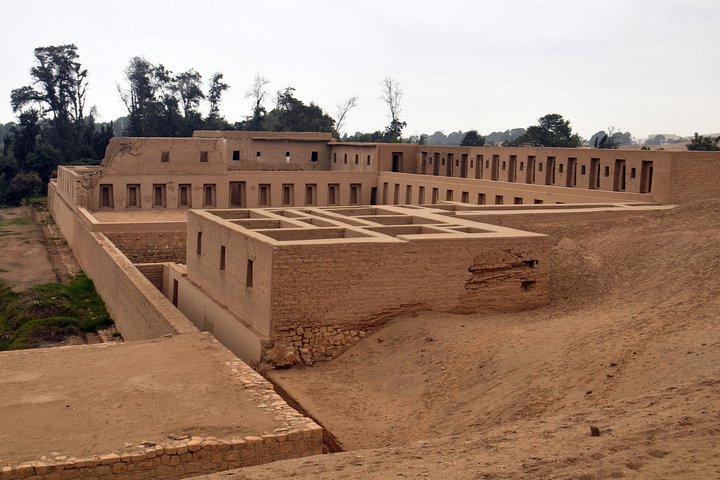
- Painted Temple: Built of adobe, with traces of red pigment on its walls. It is a pre-Inca building whose walls once carried colorful bird and fish designs.
- Temple of Pachacamac (Old Temple): The oracle’s shrine, older than the Inca additions. Its ramps and terraces point to the pre-Inca cult that drew pilgrims from far away.
- Acllahuasi (House of the Chosen Women): A trapezoidal Inca compound where selected women wove cloth and prepared ritual drink. Its straight walls and doorways are easy to read.
- Plaza of the Pilgrims: A broad open space where visitors gathered before entering the sacred precinct. Standing here gives scale to the crowds
- Temple of the Sun: The largest structure here, a terraced pyramid of stone and adobe built by the Inca. The summit looks over the whole sanctuary and the Pacific.
- Painted Temple: Built of adobe, with traces of red pigment on its walls. It is a pre-Inca building whose walls once carried colorful bird and fish designs.
- Temple of Pachacamac (Old Temple): The oracle’s shrine, older than the Inca additions. Its ramps and terraces point to the pre-Inca cult that drew pilgrims from far away.
- Acllahuasi (House of the Chosen Women): A trapezoidal Inca compound where selected women wove cloth and prepared ritual drink. Its straight walls and doorways are easy to read.
- Plaza of the Pilgrims: A broad open space where visitors gathered before entering the sacred precinct. Standing here gives scale to the crowds that once came.
- Site Museum: Displays textiles, ceramics, and the carved wooden idol associated with the oracle, which makes the ruins easier to understand afterward.
Spotted a mistake or missing something? Contact us.

Tour to the Archaeological Sanctuary of Pachacamac (small group)

Pre Inca Temple of Pachacamac Half-Day Tour from Lima
8-Days Best of The Inca Empire from Lima

Tour to the ruins of Pachacamac and its Museum with Hotel Pickup

Full Day Pilgrims

Archaeological Tour to Pachacamac: The route of the sun + hotel pick-up
Private Tour: Pachacamac Archaeological Site Including Barranco District

Archaeological Sanctuary of Pachacamac: roots of ancient Peru.

Pachacamac Archaeological Complex and Barranco


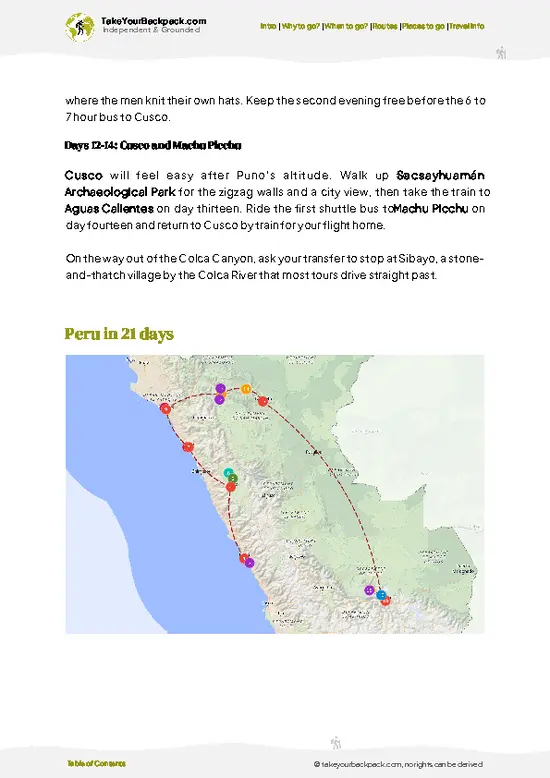
 Best Backpacking
.jpg) Hi, I’m Johan (Netherlands 🇳🇱), the creator of TakeYourBackpack. Over the past 3 decades, I’ve backpacked through 90+ countries across six continents, gaining extensive experience with independent travel, long-term trips, and overland routes.
Hi, I’m Johan (Netherlands 🇳🇱), the creator of TakeYourBackpack. Over the past 3 decades, I’ve backpacked through 90+ countries across six continents, gaining extensive experience with independent travel, long-term trips, and overland routes.