Peru stacks
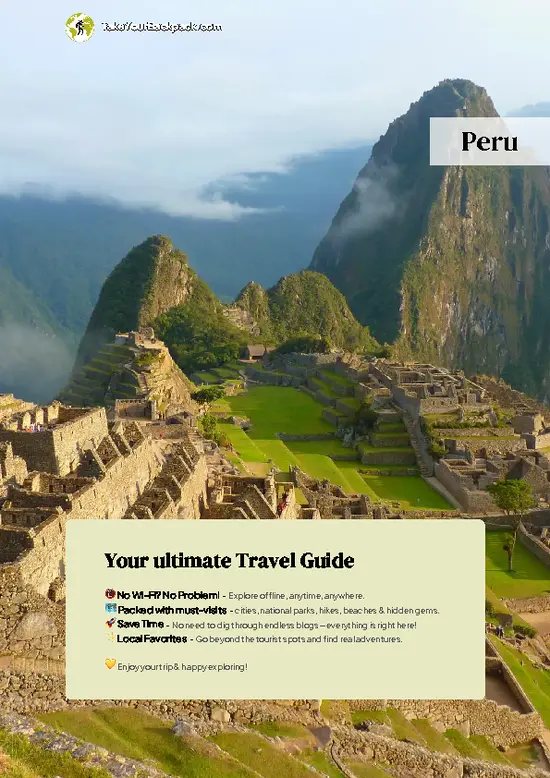
three thousand years of civilizations onto one map, and that is what sets it apart. Long before the Incas, cultures such as the Chavín, Nazca, Moche and Chimú shaped stone, adobe and desert into monuments, so a single trip can span very different builders and beliefs. Geography did the rest. The Andes forced engineers to terrace mountainsides, route water through stone channels and link far-flung outposts with roads. The coastal desert, among the driest on Earth, preserved fragile mud-brick and ground markings that would have dissolved elsewhere. The Amazon side swallowed sites in vegetation and kept them gloriously raw.
That variety brings practical consequences you should know before committing.
Altitude is real: Cusco sits near 3,400 meters, and headaches or breathlessness …
read more 👉Peru stacks three thousand years of civilizations onto one map, and that is what sets it apart. Long before the Incas, cultures such as the Chavín, Nazca, Moche and Chimú shaped stone, adobe and desert into monuments, so a single trip can span very different builders and beliefs. Geography did the rest. The Andes forced engineers to terrace mountainsides, route water through stone channels and link far-flung outposts with roads. The coastal desert, among the driest on Earth, preserved fragile mud-brick and ground markings that would have dissolved elsewhere. The Amazon side swallowed sites in vegetation and kept them gloriously raw.
That variety brings practical consequences you should know before committing. Altitude is real: Cusco sits near 3,400 meters, and headaches or breathlessness in the first two days are normal. Access rules at the most famous sites tighten every few years, with timed entry slots, fixed circuits and mandatory guides in some areas, so buying tickets early matters in high season. Infrastructure is excellent along the main Andean corridor, with trains, tourist buses and plenty of hostels, but thins fast once you leave it. Remote sites may mean a 6 to 10 hour bus, a rough dirt road and a small village with one place to eat. Rain, landslides and road strikes can close routes without warning, so flexibility is part of the kit.
Come to Peru if you want landmarks that feel connected to living culture. Quechua-speaking communities still farm those terraces, and festivals, markets and food traditions give the stones context. Pack curiosity, a sun hat and a loose schedule.
Behind the Scenes of Selection
The list of best unique sites in Peru is created based on history or culture, wow factor, atmosphere, quirks, and memorability. If you feel a unique site is missing in this list, please let us know.


 Best Backpacking
 Hi, I’m Johan (Netherlands 🇳🇱), the creator of TakeYourBackpack. Over the past 3 decades, I’ve backpacked through 90+ countries across six continents, gaining extensive experience with independent travel, long-term trips, and overland routes.