×

Peru🇵🇪 | national parksSierra del Divisor National ParkJungle ridges, Ucayali rivers, howler chorus, Pucallpa approach | things to do and best time to go

Explore Río Abiseo National ParkExplore Tambopata National Reserve

Backpacking in Sierra del Divisor
🌟 Highlightnational park ranked #9
By Johan Kruseman 🇳🇱 | Updated October 19, 2026

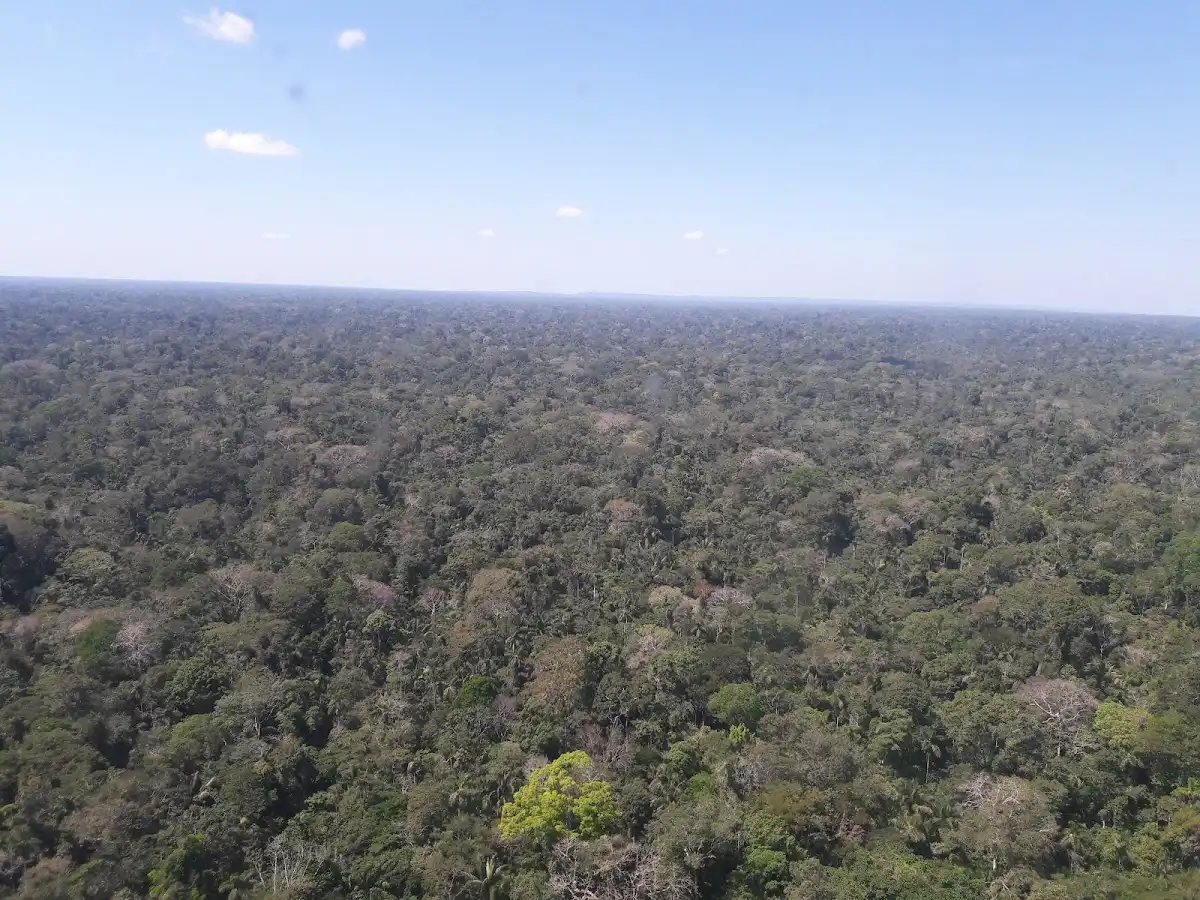
The boat engine cuts out, and the forest answers with a roar I took for rain. It was howler monkeys, a whole canopy of them, at midmorning, over a river the color of milky tea. I had expected silence and mud. Sierra del Divisor sits in eastern Peru, along the Brazilian border, with its jagged ridges rising out of flat Amazon lowland near Pucallpa and Ucayali. Good news: wildlife is dense, the scenery is wild, and crowds are essentially absent. Bad news: there are no marked loop trails, access runs through river communities, and independent travel here barely works. An experienced traveler hires a local guide through a community or operator, because boat routes and permits are why solo wandering fails. A first day could mean a river approach, a jungle camp, and an evening walk listening to frogs.

Discover everything you want to know in the 📖 Peru Travel Guide.


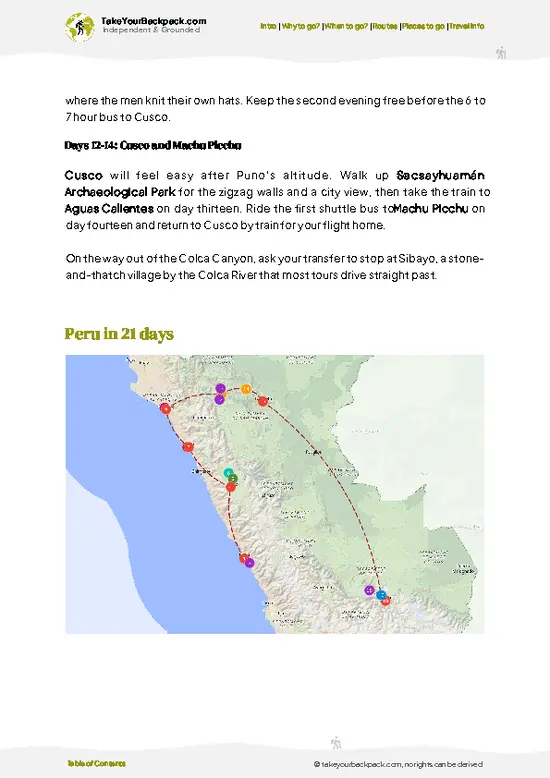
example page 0 from our offline Travel Guide for Peru
example page 1 from our offline Travel Guide for Peru
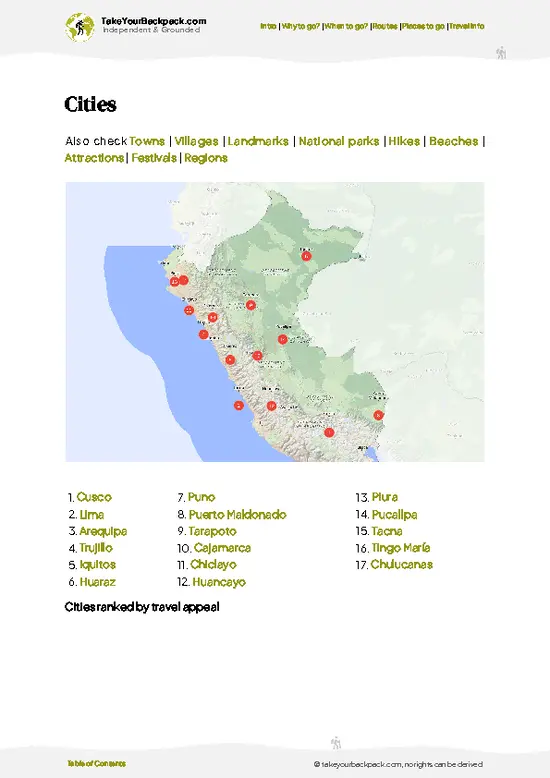
example page 2 from our offline Travel Guide for Peru
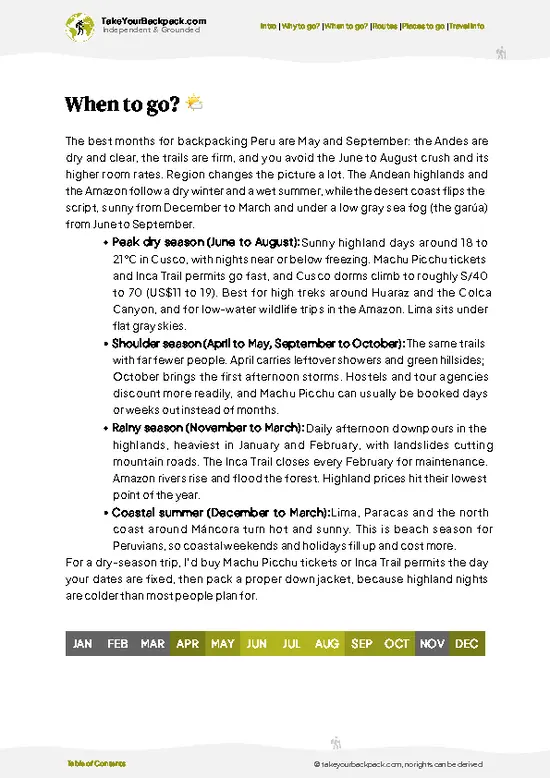
example page 3 from our offline Travel Guide for Peru
example page 4 from our offline Travel Guide for Peru
example page 5 from our offline Travel Guide for Peru
example page 6 from our offline Travel Guide for Peru
example page 7 from our offline Travel Guide for Peru
Loading the map 🌍
CLICK TO FILTER
cities
towns
villages
landmarks
national parks
hikes
beaches
attractions
festivals
regions
SHOW COUNTRY’S BESTSHOW ALL

✨ Why go?
Ranked #9 national park in Peru
What sets this place apart

Sierra del Divisor appeals to backpackers who want rainforest without a lodge brochure's polish. The park protects a rare run of low mountains rising from lowland jungle, and that broken skyline is why scientists and photographers keep coming. Visits are boat-and-camp expeditions led by local guides from riverside villages, so you travel the way the region actually moves, slowly and by water. Self-guided exploring is not realistic here, but you will not be herded in a group of thirty either. Small parties are the norm. Wildlife is the other draw, with giant otters, macaws and several monkey species reported along the rivers, and many stretches see almost no other visitors. If you want an authentic remote Amazon trip and can accept basic camping, this is one of Peru's least touristed options.

💡 HighlightsMust-see experiences and standout moments

  1. Sierra del Divisor ridges: The jagged, forested ridges that give the park its look, rising abruptly from flat jungle. Seeing them from the river is the standout image of the area.
  2. Río Tapiche: A river corridor used to reach the park, good for slow boat travel and spotting caimans, herons and kingfishers.
  3. Giant otter habitat: Quiet oxbow lakes and streams where giant otters are sometimes seen, usually early in the morning.
  4. Primate watching: Howler, saki and squirrel monkeys call and move through the canopy, often loud enough to hear before you see them.
  5. Macaw and parrot flights: Flocks cross the river at dawn and dusk, noisy and bright against the green.
  6. Jungle night walks: With a guide, you look for frogs, insects and sleeping birds by headlamp, when the forest sounds change completely.
  7. Riverside
… read more 👉
  1. Sierra del Divisor ridges: The jagged, forested ridges that give the park its look, rising abruptly from flat jungle. Seeing them from the river is the standout image of the area.
  2. Río Tapiche: A river corridor used to reach the park, good for slow boat travel and spotting caimans, herons and kingfishers.
  3. Giant otter habitat: Quiet oxbow lakes and streams where giant otters are sometimes seen, usually early in the morning.
  4. Primate watching: Howler, saki and squirrel monkeys call and move through the canopy, often loud enough to hear before you see them.
  5. Macaw and parrot flights: Flocks cross the river at dawn and dusk, noisy and bright against the green.
  6. Jungle night walks: With a guide, you look for frogs, insects and sleeping birds by headlamp, when the forest sounds change completely.
  7. Riverside community visits: Small villages on the approach routes where guides live, and where you can learn about plant use and daily river life.
Combine a dawn otter and macaw outing on a quiet stream with an evening night walk, since both start from the same camp.
Spotted a mistake or missing something? Contact us.
🌤️ When to go?Seasonal considerations and timing

  • Dry Season (June to September): Rivers stay navigable, trails firm up and rain is lighter, though showers still come. Highs run 30 to 34°C (86 to 93°F), nights 20 to 22°C (68 to 72°F). Tour prices are highest and boats are easiest to book.
  • Wet Season (December to April): Downpours are frequent and humidity is heavy, with highs of 29 to 32°C (84 to 90°F). Rivers rise, some routes close and operators often cut departures, but prices soften.
  • Shoulder Months (May, October, November): Rain is patchy, rivers are mid-level and you will meet few other visitors.
  • Daylight: Close to the equator, days stay at roughly 12 hours all year.
Book a licensed operator in Pucallpa or Contamana at least a few weeks ahead for July and August, since park access depends on guided logistics.

source: climatestotravel.comJANJanuary: fair for travelingFEBFebruary: fair for travelingMARMarch: fair for travelingAPRApril: fair for travelingMAYMay: highly recommended for travelingJUNJune: excellent for travelingJULJuly: excellent for travelingAUGAugust: excellent for travelingSEPSeptember: excellent for travelingOCTOctober: highly recommended for travelingNOVNovember: fair for travelingDECDecember: fair for traveling
peru-national-park-sierra-del-divisor-national-park
© Google |

✈️ The backpacker research shortcutPeru Travel Guide

An offline-friendly backpacking guide with optimized travel routes, ranked highlights, transport advice, and the best areas to stay.
example page 0 from our offline Travel Guide for Peru
example page 1 from our offline Travel Guide for Peru
example page 2 from our offline Travel Guide for Peru
example page 3 from our offline Travel Guide for Peru
example page 4 from our offline Travel Guide for Peru
example page 5 from our offline Travel Guide for Peru
example page 6 from our offline Travel Guide for Peru
example page 7 from our offline Travel Guide for Peru
The digital guide (310 pages) contains:
✅ 102 highlights, ranked by travel appeal
✅ Optimized 7, 14 & 21-day travel routes
✅ Cities, national parks, landmarks, beaches
✅ How to get around
✅ Offline-friendly for travel without Wi-Fi
👉 Click to see all 30+ guide features

📅 Plan smarter in minutes, not weeks
✅ Month by month travel advice
✅ Festivals & national holidays
✅ Budget expectations

🗺️ Go to the right places, skip the overrated ones
✅ Honest pros & cons of destinations
✅ Top hikes, parks & viewpoints
✅ Lesser-known places most travelers miss
✅ Clear “worth it vs skip it” guidance

🛏️ Travel smoothly without rookie mistakes
✅ Best areas to stay
✅ Transport systems explained simply
✅ Common scams & safety advice
✅ SIM cards, money & practical tips

🌍 Understand the country, not just visit it
✅ Culture & traditions
✅ 52 Essential phrases & customs
✅ Festivals worth planning around
✅ Traveler-friendly historical context
✅ Insights that make places more meaningful

📱 Built for real travel conditions
✅ Fully downloadable PDF
✅ Works completely offline
✅ Optimized for phone use
✅ Useful in remote areas & buses
✅ Everything in one place
Stop searching, start planning
Get instant access to your full guide. 30‑day money-back guarantee.
+ Add another guide for just

By proceeding you agree to our terms.
Sent to your inbox immediately after payment • 100% Secure Checkout
Best Backpacking Travel Advisor 2025 tourism awardBest Backpacking
Travel Advisor
2025
What others say about Take Your Backpack Guides:
⭐⭐⭐⭐⭐
Fantastic, amazing amount of information!
⭐⭐⭐⭐⭐
My goodness this is amazing, it's what I've been looking for hats off too you!
⭐⭐⭐⭐⭐
I think this is absolutely BRILLIANT
⭐⭐⭐⭐
Very complete and informative. It's still missing places, but I gotta to commend you
⭐⭐⭐⭐⭐
This is truly amazing, thank you, can't wait to explore it with my kids!
⭐⭐⭐⭐⭐
Awesome resource, thank you!
⭐⭐⭐⭐⭐
This is amazing! Can't wait to explore the ones I haven't seen
⭐⭐⭐⭐
I love this! Well done, great idea.
⭐⭐⭐⭐⭐
Thanks for taking the time to make this gem!
⭐⭐⭐⭐⭐
This might be the best website I've ever seen.
⭐⭐⭐⭐⭐
Congratulations, and thank you so much for your work; it's incredibly valuable.
⭐⭐⭐⭐
In all seriousness I think you did a great job pointing out the important spots
⭐⭐⭐⭐⭐
10/10 very good
⭐⭐⭐⭐⭐
As someone who's only just starting to visit regularly this is awesome, thank you.
⭐⭐⭐⭐
Thank you very much! I'm going to visit my dad, it's going to be very useful!
⭐⭐⭐⭐⭐
This is really cool! We'll be travelling for the first time and this definitely come in handy.
⭐⭐⭐⭐⭐
You are now our minister of culture, congratulations 👨‍💼
⭐⭐⭐⭐⭐
Just wanted to tell you that this is a pearl! Going to follow your recommendations.
⭐⭐⭐⭐⭐
This is so cool. I'll definitely be using the resource for my travels soon.
⭐⭐⭐⭐⭐
This is very impressive! Good work.
⭐⭐⭐⭐⭐
This is an amazing and informative site. Very well done!

🛏️ Where to stay?Best areas and accommodation options

There are no lodges or public campsites inside Sierra del Divisor, so you sleep in Pucallpa, Contamana or Requena and enter with an operator. Pucallpa is the main base, a hot riverside city on the Ucayali with the airport and bus links. Basic hostels and fan rooms cost US$10 to 20 a night, and comfortable air-conditioned hotels run US$35 to 70. Contamana, a river town about 8 to 10 hours from Pucallpa by fast boat or roughly a day by slower boat, is closer to the park’s eastern side and has simple guesthouses for US$8 to 20. Requena is the other river gateway, with a few basic hostels at similar … read more 👉
There are no lodges or public campsites inside Sierra del Divisor, so you sleep in Pucallpa, Contamana or Requena and enter with an operator. Pucallpa is the main base, a hot riverside city on the Ucayali with the airport and bus links. Basic hostels and fan rooms cost US$10 to 20 a night, and comfortable air-conditioned hotels run US$35 to 70. Contamana, a river town about 8 to 10 hours from Pucallpa by fast boat or roughly a day by slower boat, is closer to the park’s eastern side and has simple guesthouses for US$8 to 20. Requena is the other river gateway, with a few basic hostels at similar prices. Inside the park, expedition trips use tents or hammocks with mosquito nets, often at riverbank camps arranged and included by the operator. Book your first and last nights in Pucallpa, since boat schedules slip and you will want a bed on return.

👛 Costs (as of 19 October 2026)What things cost and how to budget

Expect to spend roughly US$80 to 185 a day on a guided visit to Sierra del Divisor, since access depends on tours from Pucallpa or Contamana.
CategoryBudget RangeLocal Reality
Entrance and permitsUS$0 to 10Usually folded into the operator’s package. The park is a protected area with no ticket booth.
Accommodation (high season)US$10 to 40Hostels and hotels in Pucallpa or Contamana. Camps on tours are included in the price.
Guided tourUS$50 to 90Multi-day trips usually cost US$90 to 150 per person per day, but this row averages in shared groups and short outings.
Local transportUS$10 to 25Mototaxis in town are cheap. River boats and fuel are the main expense and are often bundled.
Food and suppliesUS$10 to 20Set lunches cost US$2 to 4 in town. Fish with rice and plantain is the staple.
Total Daily
… read more 👉
Expect to spend roughly US$80 to 185 a day on a guided visit to Sierra del Divisor, since access depends on tours from Pucallpa or Contamana.
CategoryBudget RangeLocal Reality
Entrance and permitsUS$0 to 10Usually folded into the operator’s package. The park is a protected area with no ticket booth.
Accommodation (high season)US$10 to 40Hostels and hotels in Pucallpa or Contamana. Camps on tours are included in the price.
Guided tourUS$50 to 90Multi-day trips usually cost US$90 to 150 per person per day, but this row averages in shared groups and short outings.
Local transportUS$10 to 25Mototaxis in town are cheap. River boats and fuel are the main expense and are often bundled.
Food and suppliesUS$10 to 20Set lunches cost US$2 to 4 in town. Fish with rice and plantain is the staple.
Total Daily BudgetUS$80 to 185Around US$95 to 160 for most travelers, paid in cash in soles.


source: gob.pe
⚠️ Prices can change and everyone travels differently, so take this as a rough guide. Hope it helps you plan your adventure!

🥾 TrailsDiscover Sierra del Divisor's top trails and natural wonders

Sierra del Divisor has no well-marked, signposted trail network, so hiking means guided jungle walks that start from river camps. Treat them as short, muddy outings rather than classic trekking.
  • Camp loop walks: Short guided walks of 1 to 3 hours through flat to gently rolling rainforest, easy to moderate, with roots, mud and stream crossings.
  • Ridge approaches: Longer, harder days of 4 to 8 hours climbing steep, slippery forest slopes toward the ridges, for fit hikers only and always with a guide.
  • Night walks: Easy outings of 1 to 2 hours near camp, good for frogs, spiders and sleeping birds.
  • Wildlife:
… read more 👉
Sierra del Divisor has no well-marked, signposted trail network, so hiking means guided jungle walks that start from river camps. Treat them as short, muddy outings rather than classic trekking.
  • Camp loop walks: Short guided walks of 1 to 3 hours through flat to gently rolling rainforest, easy to moderate, with roots, mud and stream crossings.
  • Ridge approaches: Longer, harder days of 4 to 8 hours climbing steep, slippery forest slopes toward the ridges, for fit hikers only and always with a guide.
  • Night walks: Easy outings of 1 to 2 hours near camp, good for frogs, spiders and sleeping birds.
  • Wildlife: Monkeys, macaws, caimans and possibly giant otters, best early in the morning.
Getting there is the main challenge. Most trips start from Pucallpa, then continue by road and river to the park edge, often with several hours in a small boat. Public transport stops well short, so arrange transport through an operator or community. Crowds are almost nonexistent. Entry is controlled through the park authority (SERNANP), and permits and guides are usually organized as part of a tour, so book ahead. Bring rubber boots, rain gear, insect repellent and a headlamp.
⚠️ Hiking info can sometimes be outdated or inaccurate. Before you hit the trail, check the latest conditions with locals. If you do spot anything that's off, I'd love to hear from you, so I can update it for fellow travelers.

🛡️ SafetyStaying Safe: What Travelers Should Know

Sierra del Divisor is remote, undeveloped rainforest, so the main risks are logistics rather than crime. Go only with a licensed operator, since there are no marked trails, no rangers on call and little phone signal. Heat and humidity cause most problems, so drink plenty of water, carry rehydration salts and pace yourself. Wear long, quick-dry clothing against insects, and keep your feet dry to avoid skin infections. Check that your yellow fever vaccination is current and talk to a doctor about malaria prevention. Snakes, stinging ants and the occasional jaguar exist, but encounters are rare if you watch where you step and keep to your guide. Rivers rise quickly after rain, which can delay boats by days, so leave slack in your schedule. Pack a dry bag and a headlamp.

FAQFrequently asked questions about Sierra del Divisor

Plan on 4 to 6 days for Sierra del Divisor, including travel from Pucallpa. Boat transfers to the park edge take most of a day each way, and the actual forest time is usually 2 to 4 days. Add a spare day for river delays in the wet season.
Going without a car is the normal way, because there are no roads into Sierra del Divisor. You fly or take a bus to Pucallpa, then travel by river boat from Pucallpa, Contamana or Requena, usually 8 to 12 hours depending on the route. A licensed operator arranges the boat and guides.
No ticket is sold at an entrance for Sierra del Divisor, but access is regulated by SERNANP, the national parks agency, and you should enter with an authorized operator. The cost is normally included in tour packages, which run about US$90 to 150 per person per day. Independent entry is difficult and not advised, and some zones are restricted.
⚠️ Things can change over time, so always validate details locally before you go.

Other Peruvian national parks near Sierra del Divisor

Explore more nearby:


💡 Not sure where to go next?
Create a personalized itinerary for Peru including Sierra del Divisor and the places that fit your trip.

Generate my itinerary

👉 Discover all national parks

Or checkout all Peru has to offer (think cities, towns, villages, national parks, hikes, beaches, festivals)
Country photo of Peru

We 💚 feedbackKey takeaways before you go

Pair Sierra del Divisor with Pucallpa and a slow riverside stretch on the Ucayali, then perhaps Lake Yarinacocha for an easier jungle contrast. I would book a small community-led trip in advance and bring good rubber boots, because the mud decides how comfortable the days are.

✈️ When did I visit Peru?
Peru I visited during my half year trip through South and Central America back in 2003

✍️ Help improve this page!
The information on this page is based on my own backpacking experience in Peru, supplemented with up-to-date research and feedback from other travelers. Travel details can change, so if you notice anything outdated or incomplete, feel free to let me know.


🙋‍♂️ Give feedback

👋 Meet the founderWho’s Behind Take Your Backpack?

Johan, backpacker and founder of TakeYourBackpackHi, I’m Johan (Netherlands 🇳🇱), the creator of TakeYourBackpack. Over the past 3 decades, I’ve backpacked through 90+ countries across six continents, gaining extensive experience with independent travel, long-term trips, and overland routes.

This site is built on a combination of firsthand travel experience and carefully curated insights from other backpackers. Many guides are based on places I’ve personally visited, while others bring together tips, observations, and practical advice shared by trusted travelers I’ve met along the way.

The goal is to provide realistic, experience-driven guidance — not generic itineraries — so you can explore destinations with better context, clearer expectations, and more confidence.