
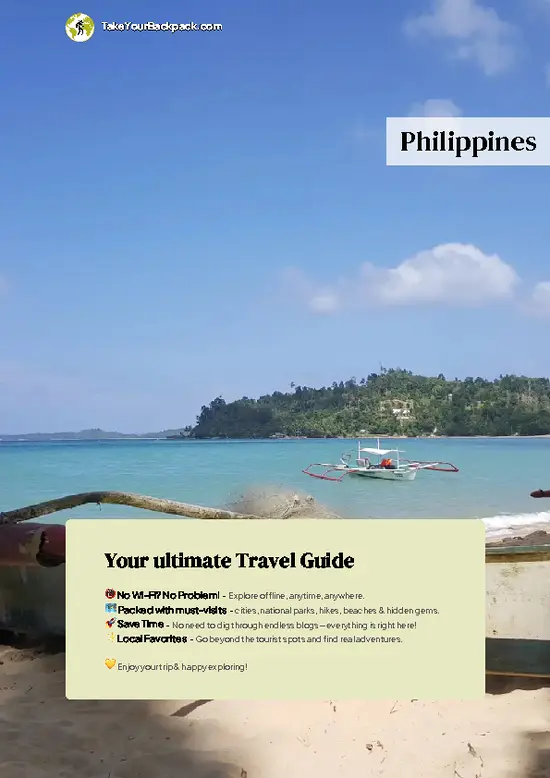


Caticlan Public Market
This is the city’s pulse at dawn. You’ll see fishermen hauling in the morning’s catch, vendors slicing mangoes with the speed of magicians, and locals haggling over everything from dried fish to woven hats. It’s not a sanitized tourist market—expect grit, chatter, and the real deal. Go early (6-8am) for the full sensory overload. Entry is free, but bring cash for snacks or souvenirs. You can see the best of it in 30-45 minutes, but linger if you want to try local breakfast fare like pancit or fresh buko juice.
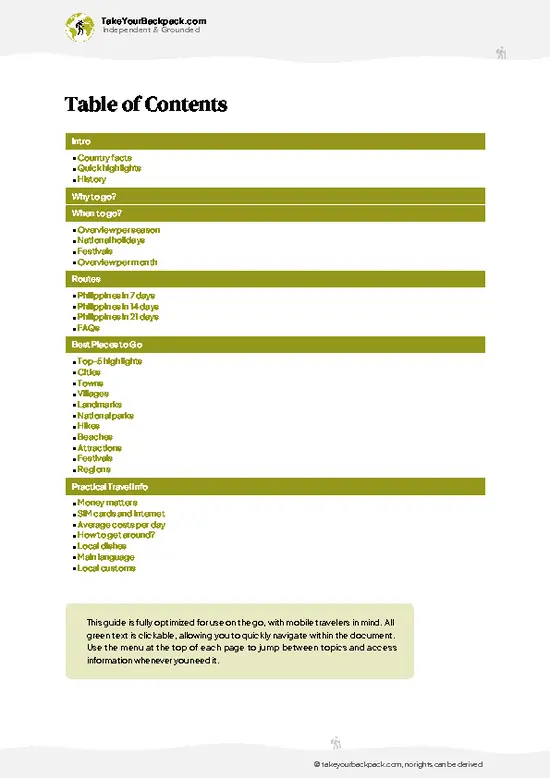
Motag Living Museum
This isn’t a glass-case museum; it’s a working farm where you’ll thresh rice by hand, grind sugarcane, and watch traditional weaving in action. The staff are locals, not actors, and they’ll pull you into the rhythm of rural Aklan life. It’s a … read more 👉
Caticlan Public Market
This is the city’s pulse at dawn. You’ll see fishermen hauling in the morning’s catch, vendors slicing mangoes with the speed of magicians, and locals haggling over everything from dried fish to woven hats. It’s not a sanitized tourist market—expect grit, chatter, and the real deal. Go early (6-8am) for the full sensory overload. Entry is free, but bring cash for snacks or souvenirs. You can see the best of it in 30-45 minutes, but linger if you want to try local breakfast fare like pancit or fresh buko juice.
Motag Living Museum
This isn’t a glass-case museum; it’s a working farm where you’ll thresh rice by hand, grind sugarcane, and watch traditional weaving in action. The staff are locals, not actors, and they’ll pull you into the rhythm of rural Aklan life. It’s a rare, hands-on window into pre-Boracay culture. Best visited mid-morning or early afternoon (9am-2pm) to avoid the heat and catch all the demos. Entrance is around 500 PHP for adults, including interactive activities. Allow 2-3 hours for the full experience.
Caticlan Jetty Port (Observation & Ferry Watching)
Most travelers rush through, but slow down and you’ll see the choreography of island life: porters balancing crates on their heads, families reuniting, and the constant ballet of boats. There’s a small seaside promenade where you can watch the action, snack on grilled corn, and soak up the anticipation of travelers heading to Boracay. Visit late afternoon (4-6pm) for golden light and cooler air. Free to wander; 20-30 minutes is enough unless you’re a people-watching enthusiast.
Tabon Port and Fish Landing
This is where the day’s catch comes in—think slippery bangus (milkfish), silvery sardines, and the occasional oddity from the deep. It’s raw, noisy, and absolutely local. If you’re up for it, buy fish straight from the boat and have it grilled at a nearby eatery. Early morning (5-7am) is prime time. No entry fee; budget 100-200 PHP if you want to buy fish or breakfast. Plan for 30-60 minutes.
Ati Village (Ati Community Experience)
The Ati are the original inhabitants of Panay, and this small village on the outskirts of Caticlan offers a chance to learn about their traditions—music, crafts, and stories—directly from community members. Visits are by arrangement (ask at the tourism office or Motag Living Museum for contacts), and respectful curiosity is essential. Best in the late morning or early afternoon. Donations (200-300 PHP) support the community. Expect to spend 1-2 hours.
Malumpati Cold Spring (Caticlan Side Access)
While the main spring is in Pandan, Antique, there’s a lesser-known riverside spot accessible from Caticlan’s edge, popular with locals for a quick dip and picnic. It’s a cool, shaded break from the heat, with clear, mineral-rich water. Go on a weekday to avoid crowds. Entry is about 50 PHP; tricycle from town costs extra. Allow 1-2 hours for a swim and snack.
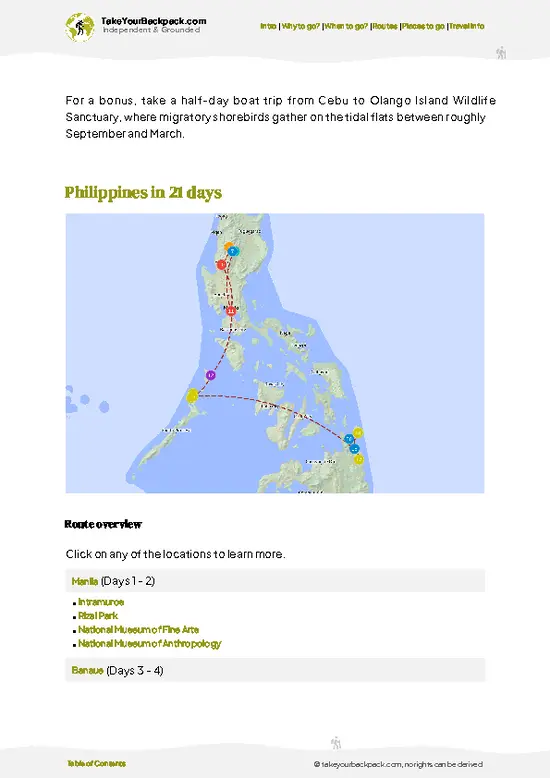
Caticlan is compact, but its spirit is big if you know where to look. For day trips, the white-sand spectacle of Boracay, the mangrove forests of Malay, and the wild rivers of Nabas are all within easy striking distance—Boracay’s Puka Shell Beach is my personal favorite for a quick escape from the crowds.
Spotted a mistake or missing something? Contact us.

WaterColors - Discover Scuba Diving in Boracay

Caticlan Airport Transportation to Boracay Island Round Trip

Caticlan Airport Transportation to Boracay Island One Way

Boracay Sunset Cruise

Learn kitesurfing in Boracay

Boracay Private Island Hopping Premium with Lunch

DiveGurus - SSI Open Water Diver Course in Boracay

Boracay Snorkeling & Island Hopping tour

Boracay Parasailing Experience


 Best Backpacking
 Hi, I’m Johan (Netherlands 🇳🇱), the creator of TakeYourBackpack. Over the past 3 decades, I’ve backpacked through 90+ countries across six continents, gaining extensive experience with independent travel, long-term trips, and overland routes.