v2.webp)
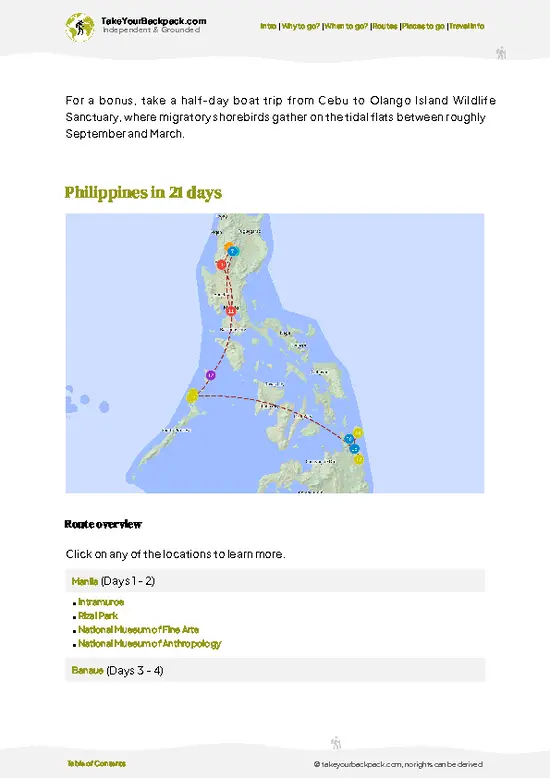
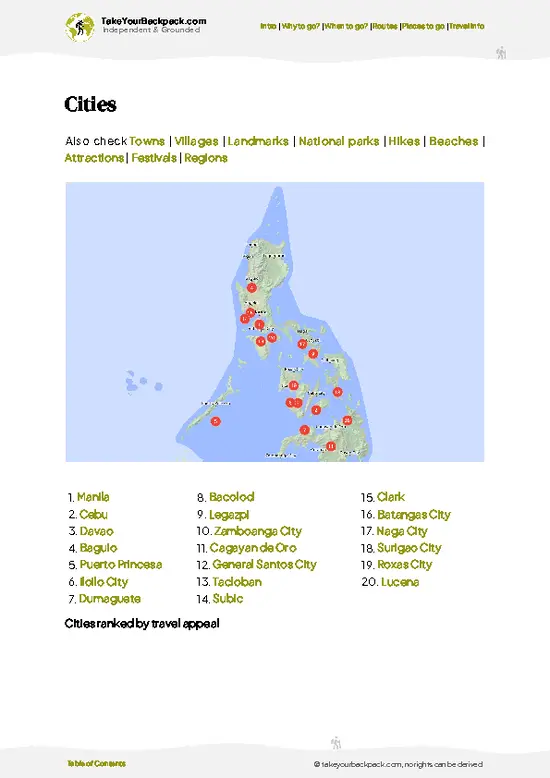
- Lake Sebu (the lake itself) — The obvious heart of the town: dark, cold water rimmed by islands and fishpens, with calm boat rides, great sunrise/sunset views, and easy access to local life along the shore. It’s the single best place to understand why this town exists the way it does.
- Seven Falls waterfall complex — A chain of tiered waterfalls that’s both dramatic and sacred to the T’boli people; you can hike between tiers, feel the spray, and see the landscape that shaped local folklore and rituals.
- Seven Falls zipline & hanging bridges — Not just for the thrill: the zipline and suspended walkways give you the best bird’s-eye view of the falls and the surrounding forest, and you get a real sense of scale most photos can’t convey.
- T’boli Museum / Cultural Center — A small but important
- Lake Sebu (the lake itself) — The obvious heart of the town: dark, cold water rimmed by islands and fishpens, with calm boat rides, great sunrise/sunset views, and easy access to local life along the shore. It’s the single best place to understand why this town exists the way it does.
- Seven Falls waterfall complex — A chain of tiered waterfalls that’s both dramatic and sacred to the T’boli people; you can hike between tiers, feel the spray, and see the landscape that shaped local folklore and rituals.
- Seven Falls zipline & hanging bridges — Not just for the thrill: the zipline and suspended walkways give you the best bird’s-eye view of the falls and the surrounding forest, and you get a real sense of scale most photos can’t convey.
- T’boli Museum / Cultural Center — A small but important spot where T’boli textiles, jewelry, and personal histories are kept and explained. Visiting here grounds the rest of what you see in cultural context instead of just postcard scenery.
- T’nalak weaving villages and workshops — Meet weavers, watch dyeing and backstrap-loom work, and buy textiles straight from the makers. The hands-on demonstrations and conversations with elders are the best way to understand T’boli aesthetics and symbolism.
- Boat tours to fishpens and lake islets — Floating farms, rustic cottage platforms and tiny islands dot the lake; a local boat tour takes you between them, shows how people live off the water, and often includes stops for photos and cold water dips.
- Lake Sebu public market & craft stalls — Early-morning market energy where you can buy smoked fish, local honey, mountain coffee, and woven goods. It’s noisy, cheap, and the best place to practice bargaining while supporting locals directly.
- Lakeside view decks and picnic groves — Scattered around the shore are accessible decks and picnic spots with panoramic viewpoints; easy to reach, perfect for low-effort photography, and excellent for watching the light change over the water.
- Short community eco-trails and birding pockets — Less-trafficked walks through bamboo groves and upland forest where you can spot native birds, learn about indigenous agroforestry, and enjoy the quiet away from the main tourist loops.
- Homestays and cultural-immersion stays with T’boli families — Staying overnight with a family gives you the best experiential payoff: food, stories, a chance to listen to T’boli songs, and hands-on lessons in daily life that no museum can replicate.
Spotted a mistake or missing something? Contact us.

 Best Backpacking
.jpg) Hi, I’m Johan (Netherlands 🇳🇱), the creator of TakeYourBackpack. Over the past 3 decades, I’ve backpacked through 90+ countries across six continents, gaining extensive experience with independent travel, long-term trips, and overland routes.
Hi, I’m Johan (Netherlands 🇳🇱), the creator of TakeYourBackpack. Over the past 3 decades, I’ve backpacked through 90+ countries across six continents, gaining extensive experience with independent travel, long-term trips, and overland routes.