v2.webp)

- Lake Lanao waterfront — The heart of Marawi. Walk the lake edge for sunset, watch the small wooden boats and fishermen, and feel how central the lake is to Maranao life. Parts are rebuilt and active; vendors and lakeside gatherings give a real sense of daily rhythm.
- Mindanao State University (MSU) Main Campus — A living campus with strong Maranao presence: public gardens, student life, occasional cultural performances, and traditional architecture surviving around the grounds. Good place to meet students and see contemporary Maranao culture in practice (be respectful of campus rules).
- MSU Museum / Ethnographic collections — The easiest spot in the city to see authentic Maranao textiles, kulintang instruments, brassware and carved pieces with okir motifs. Small but rich; double-check opening
- Lake Lanao waterfront — The heart of Marawi. Walk the lake edge for sunset, watch the small wooden boats and fishermen, and feel how central the lake is to Maranao life. Parts are rebuilt and active; vendors and lakeside gatherings give a real sense of daily rhythm.
- Mindanao State University (MSU) Main Campus — A living campus with strong Maranao presence: public gardens, student life, occasional cultural performances, and traditional architecture surviving around the grounds. Good place to meet students and see contemporary Maranao culture in practice (be respectful of campus rules).
- MSU Museum / Ethnographic collections — The easiest spot in the city to see authentic Maranao textiles, kulintang instruments, brassware and carved pieces with okir motifs. Small but rich; double-check opening hours before you go.
- Marawi Public Market (Central Market) — Busy, colorful, and very local: pick up malongs, brassware, wood carvings, dried fish from the lake, and street food. Great for watching daily commerce and finding handcrafted souvenirs made in the city.
- Okir woodcarving and brass workshops — Small artisan shops and workshops (clustered near market and residential blocks) where you can watch carvers and brass-smiths produce the distinctive flowing okir patterns and gongs. Conversations with makers are the real highlight.
- Torogan fragments and restored traditional houses — While few full torogan survive intact, there are restored fragments and traditional Maranao houses around the city and university area that show royal architecture and carved details—important for understanding local social history.
- Local mosque precincts and community life — Beyond any single building, the mosque courtyards and surrounding neighborhoods are hubs of prayer, study, and social life. Observing (or joining, respectfully) community rhythms gives insight into Maranao identity; dress and behavior respectfully.
- Lake landing and fish market areas — The active landing zones where fishermen unload and traders sell freshwater catch. It’s noisy, aromatic, and fascinating: a working slice of lakeside economy and foodways.
- Maranao food spots and street-food circuit — Small eateries and roadside stalls serving dishes you won’t find the same elsewhere: local takes on rice dishes, spicy sauces, and snacks. Eating in family-run places is a cultural experience in itself.
- Rehabilitation murals and community heritage projects — Post-conflict public art, memorials, and community restoration sites are spread across reachable neighbourhoods. They’re contemporary, poignant, and useful for understanding recent history and resilience on the ground.
Spotted a mistake or missing something? Contact us.

 Best Backpacking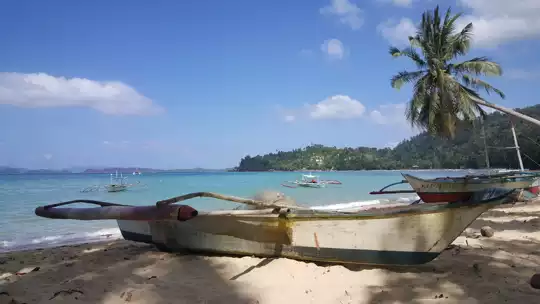
.jpg) Hi, I’m Johan (Netherlands 🇳🇱), the creator of TakeYourBackpack. Over the past 3 decades, I’ve backpacked through 90+ countries across six continents, gaining extensive experience with independent travel, long-term trips, and overland routes.
Hi, I’m Johan (Netherlands 🇳🇱), the creator of TakeYourBackpack. Over the past 3 decades, I’ve backpacked through 90+ countries across six continents, gaining extensive experience with independent travel, long-term trips, and overland routes.