
×

Philippines🇵🇭 | festivalsTabak Festivalgiant sword replicas, Tabaco City, blacksmithing | things to do and best time to go

Explore Paraw Regatta FestivalExplore Pattaradday Festival

Backpacking in Tabak
👀 For curious travelersfestival ranked #19
By Johan Kruseman 🇳🇱 | Updated May 18, 2026

Most blogs sell Tabak Festival as a generic “cultural fiesta,” but on the ground it feels more like a small-town martial-arts street party built around the tabak blade. Held in Tabaco City, Albay, in the Bicol region of the Philippines, it runs about a week each June with parades, street dancing, and loud pop and dance tracks blasting over everything. Expect locals first, backpackers almost never. It’s cheap, chaotic, sweaty, and worth it if you like raw, unpolished festivals over Instagram polish.

Discover everything you want to know in the 📖 Philippines Travel Guide.
Loading the map 🌍
CLICK TO FILTER
cities
towns
landmarks
national parks
hikes
beaches
attractions
festivals
regions
SHOW COUNTRY’S BESTSHOW ALL

✨ Why go?
Ranked #19 festival in Philippines
Why visitors keep coming back

Backpackers flock to the Tabak Festival in the Philippines for its social energy and the chance to dive into a temporary community. This vibrant celebration isn’t just about the festivities; it’s a cultural immersion that connects you with locals and fellow travelers alike. The affordability of the festival compared to similar events makes it a no-brainer for budget-conscious adventurers. Plus, it seamlessly fits into longer travel plans, allowing you to explore the stunning landscapes and rich history of the region. Planning your route around this festival means maximizing your experience while keeping your energy and budget intact for the moments that truly matter.
Get the complete Travel Guide for Philippines
Everything organized for offline planning — routes, highlights, costs & tips

See what’s inside 👉

Get the Travel Guide -

💡 HighlightsKey sights and experiences for travelers

  • Tabak street dance and costume parade — Rows of dancers wielding bolos as choreographed props, slicing through rhythms and thunderous drum beats. It’s the festival’s most visual moment: synchronized moves, clever choreography that mimics farming and warfare, and costumes that blend folk motifs with flamboyance. Big energy, great photo ops, and you’ll feel the whole town watching and cheering.
  • Traditional bladesmithing and tabak exhibits — Local smiths show how the tabak is actually made: hammering, tempering, sharpening. You’ll see different styles, hear old stories about design choices, and often get up-close looks at antique blades. It’s tactile, surprisingly technical, and a real window into local craftsmanship — my personal favorite because it’s honest, hands-on, and not just spectacle.
read more 👉
  • Tabak street dance and costume parade — Rows of dancers wielding bolos as choreographed props, slicing through rhythms and thunderous drum beats. It’s the festival’s most visual moment: synchronized moves, clever choreography that mimics farming and warfare, and costumes that blend folk motifs with flamboyance. Big energy, great photo ops, and you’ll feel the whole town watching and cheering.
  • Traditional bladesmithing and tabak exhibits — Local smiths show how the tabak is actually made: hammering, tempering, sharpening. You’ll see different styles, hear old stories about design choices, and often get up-close looks at antique blades. It’s tactile, surprisingly technical, and a real window into local craftsmanship — my personal favorite because it’s honest, hands-on, and not just spectacle.
  • Mock battles and weapon demonstrations — Staged skirmishes and martial demonstrations bring the tabak’s practical side to life. Think coordinated “combat” displays, traditional fighting techniques, and demonstrations that balance theatrical flair with historical grit. It’s visceral without being dangerous, and gives context to why the tabak matters culturally.
  • Agri-floats, harvest fair, and market — Floats piled with local produce, roadside stalls selling seasonal crops, and an agricultural showcase that celebrates the community’s harvests. It’s the place to try local snacks, buy handmade goods, and see how the festival ties to farming life rather than just costumes and performances.
  • Community rituals, folk performances, and music — Evening gatherings, chanting, folk songs, and small-scale rituals that honor ancestors or local legends. These quieter moments let you feel the social glue of the festival: shared stories, simple songs, and a slower, more intimate side of celebration after the daytime noise.
Spotted a mistake or missing something? Contact us.

Things to do near Tabak Festival

Ratings based on Tripadvisor reviews. When you book through this link, you support our work at no extra cost to you.

🌤️ When to go?When is the celebration of Tabak Festival?


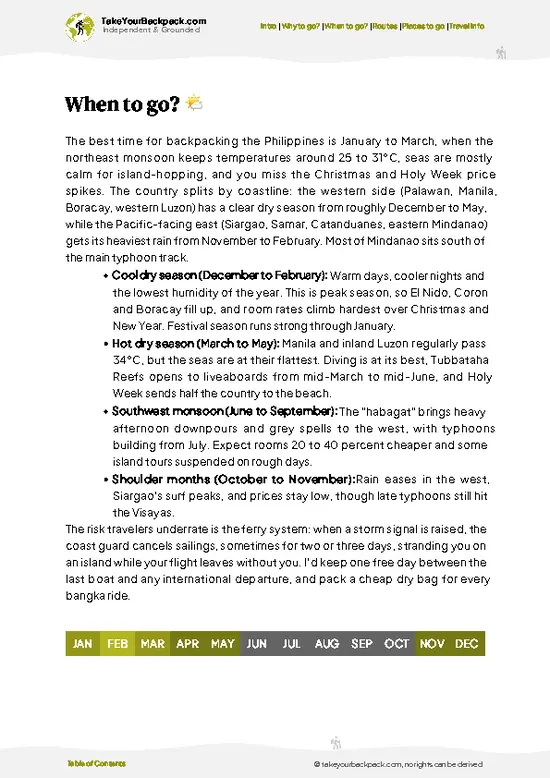
  • Topic: Weather – Aim for January to March when the Philippines dries out. Expect highs around 30°C (86°F) and lows near 22°C (72°F), perfect for sweating it out without drowning in humidity or rain.

  • Topic: Daylight Hours – Days stretch about 11 to 12 hours, giving you plenty of light to dive into the festival’s chaos and still explore local spots before dusk.

  • Topic: Crowds – Peak festival season means thick crowds, but arriving early or late in the festival window lets you dodge the crush and soak in the vibe without elbowing your way through.

  • Topic: Seasonal Activities – The dry season aligns with harvest time, so you’ll catch the freshest local produce and traditional dances tied to agricultural cycles—real cultural fuel for your trip.

  • Topic: Price Fluctuations – Festival time
read more 👉

  • Topic: Weather – Aim for January to March when the Philippines dries out. Expect highs around 30°C (86°F) and lows near 22°C (72°F), perfect for sweating it out without drowning in humidity or rain.

  • Topic: Daylight Hours – Days stretch about 11 to 12 hours, giving you plenty of light to dive into the festival’s chaos and still explore local spots before dusk.

  • Topic: Crowds – Peak festival season means thick crowds, but arriving early or late in the festival window lets you dodge the crush and soak in the vibe without elbowing your way through.

  • Topic: Seasonal Activities – The dry season aligns with harvest time, so you’ll catch the freshest local produce and traditional dances tied to agricultural cycles—real cultural fuel for your trip.

  • Topic: Price Fluctuations – Festival time spikes accommodation and transport costs. Booking ahead or choosing nearby towns can save you pesos to spend on street food and souvenirs instead.


Pro-tip: Lock in your trip for the dry season’s start—weather’s stable, crowds manageable, and prices haven’t hit their peak yet. That’s how you keep your energy and wallet ready for the real festival thrill.


source: climatestotravel.comJANJanuary: not recommended for travelingFEBFebruary: excellent for travelingMARMarch: not recommended for travelingAPRApril: not recommended for travelingMAYMay: not recommended for travelingJUNJune: not recommended for travelingJULJuly: not recommended for travelingAUGAugust: not recommended for travelingSEPSeptember: not recommended for travelingOCTOctober: not recommended for travelingNOVNovember: not recommended for travelingDECDecember: not recommended for traveling

✈️ The backpacker research shortcutPhilippines Travel Guide

An offline-friendly backpacking guide with optimized travel routes, ranked highlights, transport advice, and the best areas to stay.
example page 0 from our offline Travel Guide for Philippinesexample page 1 from our offline Travel Guide for Philippinesexample page 2 from our offline Travel Guide for Philippinesexample page 3 from our offline Travel Guide for Philippinesexample page 4 from our offline Travel Guide for Philippinesexample page 5 from our offline Travel Guide for Philippinesexample page 6 from our offline Travel Guide for Philippinesexample page 7 from our offline Travel Guide for Philippines
The digital guide (505 pages) contains:
144 highlights, ranked by travel appeal
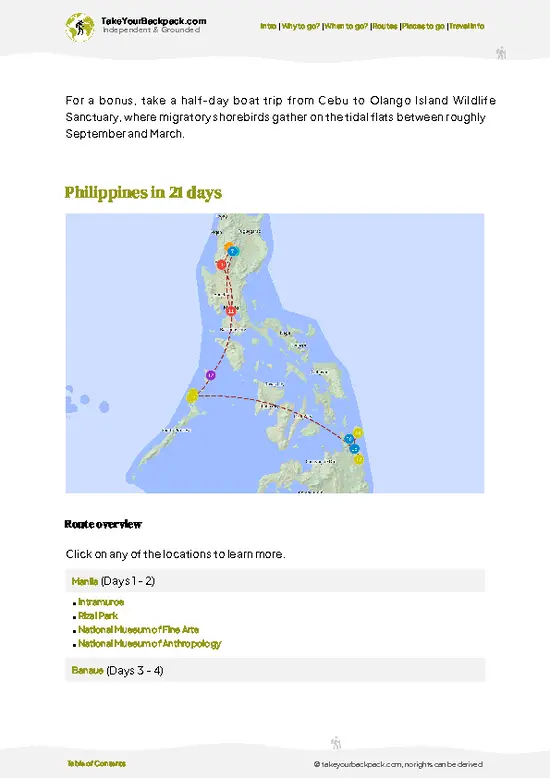
Optimized 7, 14 & 21-day travel routes
Cities, national parks, beaches, historical sites, ...
How to get around
Offline-friendly for travel without Wi-Fi
👉 Click to see all 30+ guide features

📅 Plan smarter in minutes, not weeks
Month by month travel advice
Festivals & national holidays
Budget expectations

🗺️ Go to the right places, skip the overrated ones
Honest pros & cons of destinations
Top hikes, parks & viewpoints
Lesser-known places most travelers miss
Clear “worth it vs skip it” guidance

🛏️ Travel smoothly without rookie mistakes
Best areas to stay
Transport systems explained simply
Common scams & safety advice
SIM cards, money & practical tips

🌍 Understand the country, not just visit it
Culture & traditions
52 Essential phrases & customs
Festivals worth planning around
Traveler-friendly historical context
Insights that make places more meaningful

📱 Built for real travel conditions
Fully downloadable PDF
Works completely offline
Optimized for phone use
Useful in remote areas & buses
Everything in one place
Save weeks of stressful planning
Get instant access to the full guide directly. 30-day money-back guarantee.


Sent to your inbox immediately after payment • 100% Secure Checkout
Best Backpacking Travel Advisor 2025 tourism awardBest Backpacking
Travel Advisor
2025
What others say about Take Your Backpack Guides:
⭐⭐⭐⭐⭐
Fantastic, amazing amount of information!
⭐⭐⭐⭐⭐
My goodness this is amazing, it's what I've been looking for hats off too you!
⭐⭐⭐⭐⭐
I think this is absolutely BRILLIANT
⭐⭐⭐⭐
Very complete and informative. It's still missing places, but I gotta to commend you
⭐⭐⭐⭐⭐
This is truly amazing, thank you, can't wait to explore it with my kids!
⭐⭐⭐⭐⭐
Awesome resource, thank you!
⭐⭐⭐⭐⭐
This is amazing! Can't wait to explore the ones I haven't seen
⭐⭐⭐⭐
I love this! Well done, great idea.
⭐⭐⭐⭐⭐
Thanks for taking the time to make this gem!
⭐⭐⭐⭐⭐
This might be the best website I've ever seen.
⭐⭐⭐⭐⭐
Congratulations, and thank you so much for your work; it's incredibly valuable.
⭐⭐⭐⭐
In all seriousness I think you did a great job pointing out the important spots
⭐⭐⭐⭐⭐
10/10 very good
⭐⭐⭐⭐⭐
As someone who's only just starting to visit regularly this is awesome, thank you.
⭐⭐⭐⭐
Thank you very much! I'm going to visit my dad, it's going to be very useful!
⭐⭐⭐⭐⭐
This is really cool! We'll be travelling for the first time and this definitely come in handy.
⭐⭐⭐⭐⭐
You are now our minister of culture, congratulations 👨‍💼
⭐⭐⭐⭐⭐
Just wanted to tell you that this is a pearl! Going to follow your recommendations.
⭐⭐⭐⭐⭐
This is so cool. I'll definitely be using the resource for my travels soon.
⭐⭐⭐⭐⭐
This is very impressive! Good work.
⭐⭐⭐⭐⭐
This is an amazing and informative site. Very well done!

🛏️ Where to stay?Best areas to stay in Philippines

Stay near the heart of the Tabak Festival in the vibrant streets of Legazpi City. This area pulses with energy, making it a hotspot for backpackers. Look for accommodations around Rizal Street; it’s buzzing with fellow travelers and local eateries.

The vibe here is social, perfect for swapping stories over a plate of local cuisine. Safety is a priority, so stick to well-lit areas and populated spots.

Another option is to explore the nearby coastal areas. They offer a more laid-back atmosphere, with stunning views and a chance to unwind after festival festivities. Choose wisely, and you’ll … read more 👉
Stay near the heart of the Tabak Festival in the vibrant streets of Legazpi City. This area pulses with energy, making it a hotspot for backpackers. Look for accommodations around Rizal Street; it’s buzzing with fellow travelers and local eateries.

The vibe here is social, perfect for swapping stories over a plate of local cuisine. Safety is a priority, so stick to well-lit areas and populated spots.

Another option is to explore the nearby coastal areas. They offer a more laid-back atmosphere, with stunning views and a chance to unwind after festival festivities. Choose wisely, and you’ll keep your energy high for all the excitement ahead!

👛 Costs (as of 11 October 2025)What things cost and how to budget

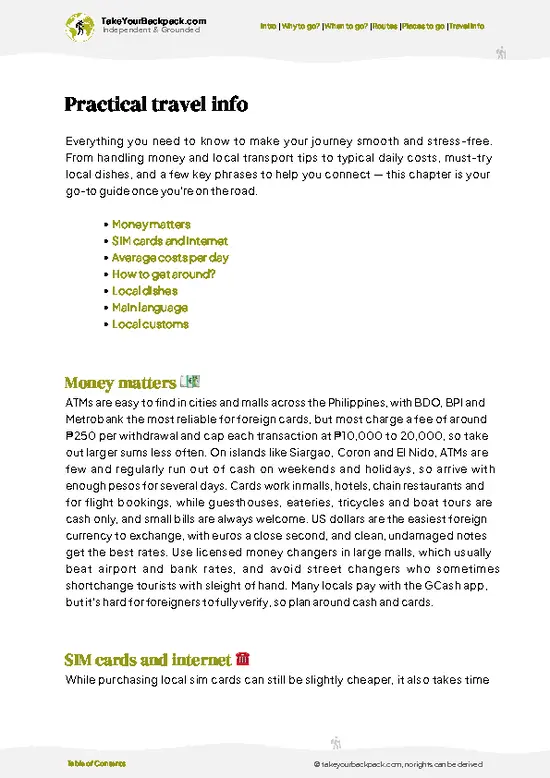
The Tabak Festival in the Philippines is a vibrant celebration, but navigating the costs can be tricky. Here’s a breakdown to keep your budget intact while you soak in the experience.
  • Festival Tickets: Expect to pay around $5 to $15 for entry. Prices can vary based on the day and events you want to catch. Some special performances might cost more, so check the schedule ahead of time.
  • Accommodation: Options range from budget hostels at about $10 to $30 per night to mid-range hotels costing $40 to $100. Book early to snag the best deals, especially during the festival when places fill up fast.
  • Local Transport: Budget around $1 to $5 for jeepney rides or tricycle fares within the city. If you’re venturing further, consider renting a scooter for about $10 to $15 a day. Just remember to
read more 👉
The Tabak Festival in the Philippines is a vibrant celebration, but navigating the costs can be tricky. Here’s a breakdown to keep your budget intact while you soak in the experience.
  • Festival Tickets: Expect to pay around $5 to $15 for entry. Prices can vary based on the day and events you want to catch. Some special performances might cost more, so check the schedule ahead of time.
  • Accommodation: Options range from budget hostels at about $10 to $30 per night to mid-range hotels costing $40 to $100. Book early to snag the best deals, especially during the festival when places fill up fast.
  • Local Transport: Budget around $1 to $5 for jeepney rides or tricycle fares within the city. If you’re venturing further, consider renting a scooter for about $10 to $15 a day. Just remember to factor in fuel costs.
  • Food & Drinks: Street food is your best friend here, with meals costing between $1 and $5. Restaurants will set you back $5 to $15 for a decent meal. Don’t forget to try local specialties, but keep an eye on drink prices; a beer can run you $1 to $3.
  • Miscellaneous Expenses: Set aside $10 to $20 for souvenirs or unexpected costs. This could include festival merchandise or tips for local guides. It’s always good to have a little cushion.

Stay sharp and keep these costs in mind. This way, you can focus on the energy of the festival without worrying about your wallet.
⚠️ Prices can change and everyone travels differently, so take this as a rough guide. Hope it helps you plan your adventure!

🍲 FoodWhat to Eat & Drink

At the **Tabak Festival** in the Philippines, your taste buds are in for a wild ride. Dive into **local specialties** like *lechon*, a whole roasted pig that’s crispy on the outside and succulent within. Don’t miss out on *kakanin*, those delightful rice cakes that come in various flavors, each bite bursting with tradition.

Grab a refreshing **buko juice** straight from the coconut—it’s the perfect antidote to the tropical heat. As you navigate the bustling stalls, be ready to **share** your finds; it’s all part of the experience. Expect lines, but they’re part of the fun—everyone’s in it together. Bring cash; some vendors skip the card machines. Serving sizes can be generous, so pace yourself and savor every moment!

Other Filipino festivals near Tabak

Explore more nearby:

  • Sinulog—Cebu City, Santo Niño devotion, rhythmic procession| 386 km away
  • Ati-Atihan Festival—blackened faces, Kalibo, tribal street revelry| 504 km away
  • Pahiyas Festival—decorated houses, Lucban, rice harvest| 909 km away

👉 Discover all festivals

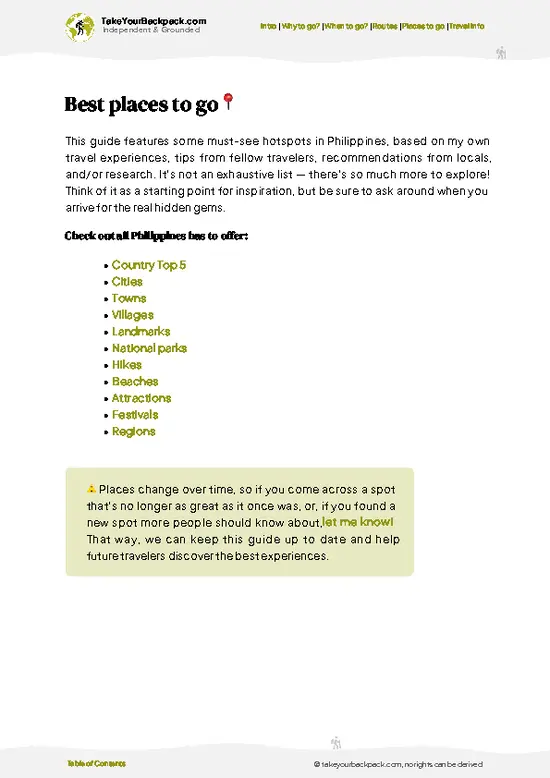
Or checkout all Philippines has to offer (think cities, towns, villages, national parks, hikes, beaches, festivals)
Country photo of Philippines

We 💚 feedbackFinal thoughts on celebrating the Tabak

Tabak Festival is a vibrant explosion of culture that’ll have you dancing in the streets. But be ready for the heat; it can be relentless. Hydrate and pace yourself. Embrace the sweat—it’s part of the experience. That’s where the real memories are made.

✈️ When did I visit Philippines?
Philippines being one of my favorites, due to the people and their mentality. I visited it first in 2010 and came back in January 2016 as part of my 1.5 year world trip.

✍️ Help improve this page!
The information on this page is based on my own backpacking experience in Philippines, supplemented with up-to-date research and feedback from other travelers. Travel details can change, so if you notice anything outdated or incomplete, feel free to let me know.


🙋‍♂️ Give feedback

👋 Meet the founderWho’s Behind Take Your Backpack?

Johan, backpacker and founder of TakeYourBackpackHi, I’m Johan (Netherlands 🇳🇱), the creator of TakeYourBackpack. Over the past decade, I’ve backpacked through 80+ countries across six continents, gaining extensive experience with independent travel, long-term trips, and overland routes.

This site is built on a combination of firsthand travel experience and carefully curated insights from other backpackers. Many guides are based on places I’ve personally visited, while others bring together tips, observations, and practical advice shared by trusted travelers I’ve met along the way.

The goal is to provide realistic, experience-driven guidance — not generic itineraries — so you can explore destinations with better context, clearer expectations, and more confidence.

Get full country guide •
Instant download • 144 highlights • Full Offline guide