The Grand Courtyards and Walls
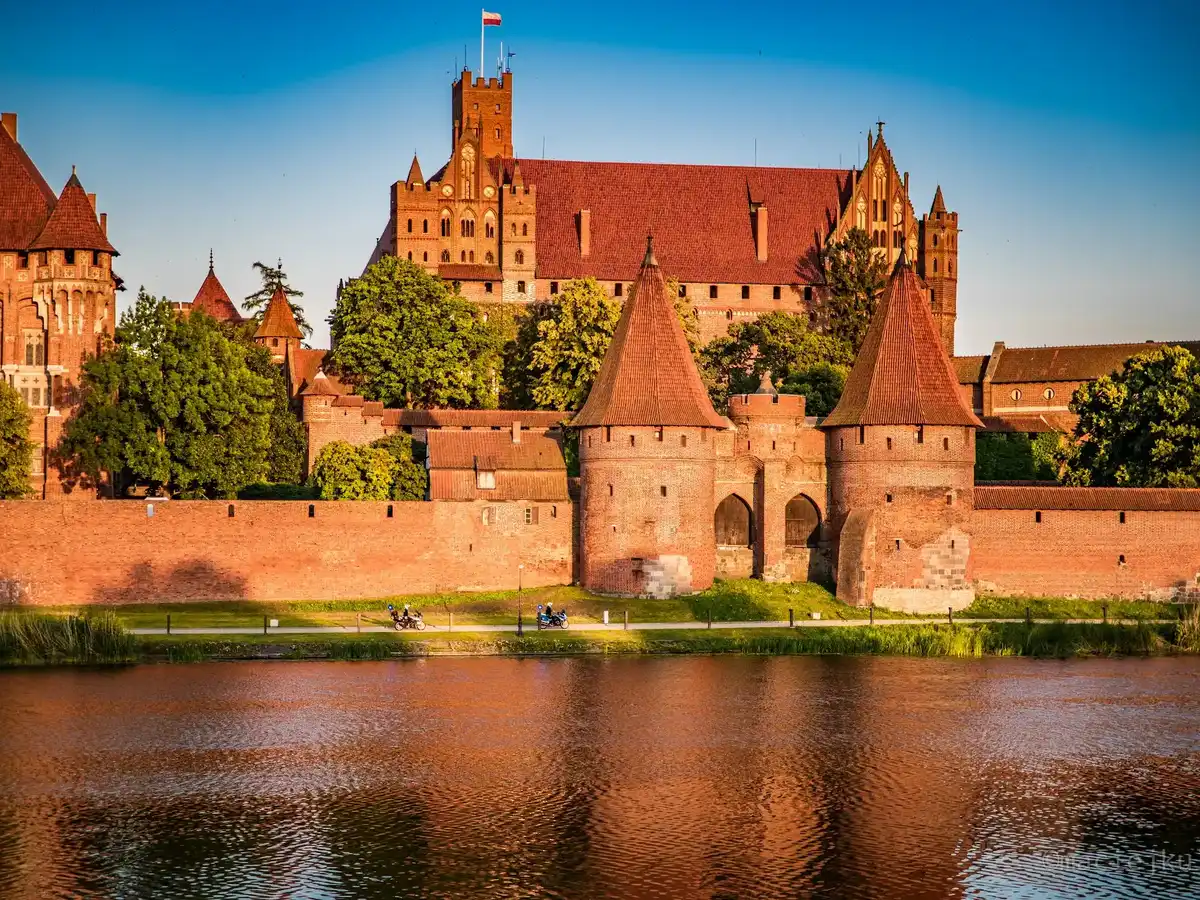
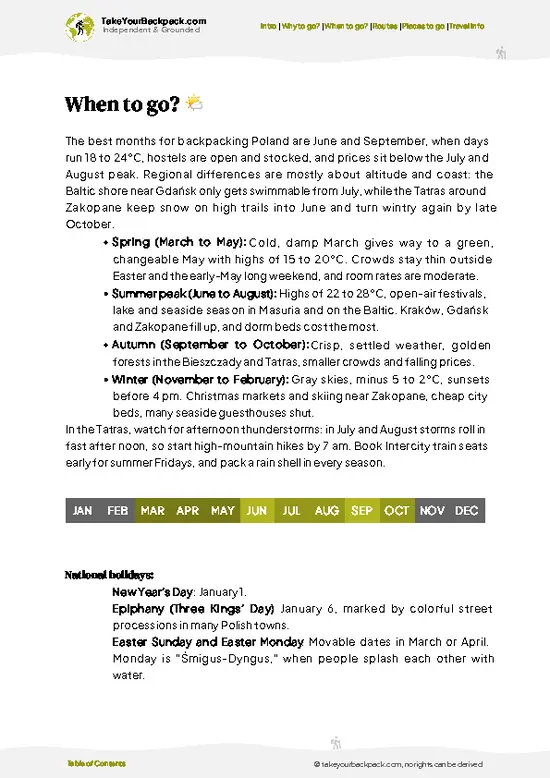
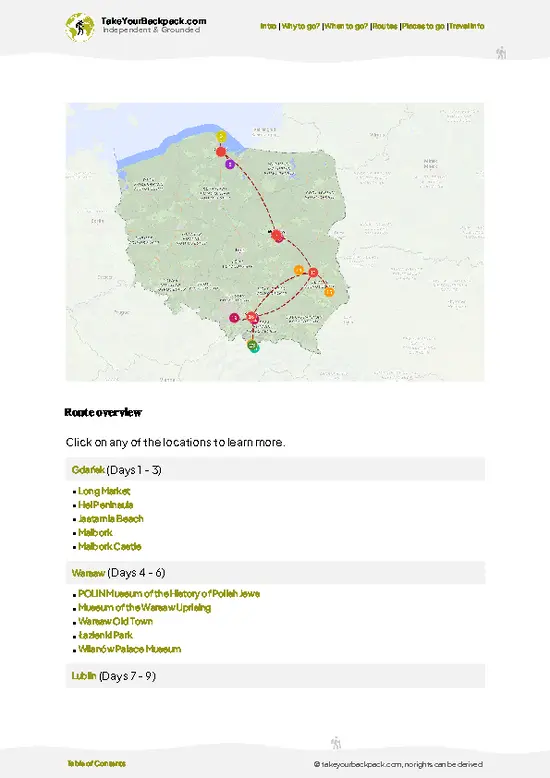
Forget the drone shots—Malbork’s scale is something you feel in your bones, not your camera roll. The outer walls are thick enough to swallow a bus, and the courtyards are so vast you’ll lose your group if you blink. This isn’t just a castle; it’s a fortress built by people who expected to be attacked by armies, not tourists with selfie sticks. Walk the ramparts and you’ll get why the Teutonic Knights picked this spot: it’s intimidating, it’s imposing, and it’s the kind of place that makes you want to swing a sword, not just pose for Instagram.
The High Castle (Zamek Wysoki)
This is the real heart of Malbork—the oldest, most fortified section, and the one that feels the most medieval. The brickwork is original in places, and the echo in the vaulted halls is … read more 👉
Forget the drone shots—Malbork’s scale is something you feel in your bones, not your camera roll. The outer walls are thick enough to swallow a bus, and the courtyards are so vast you’ll lose your group if you blink. This isn’t just a castle; it’s a fortress built by people who expected to be attacked by armies, not tourists with selfie sticks. Walk the ramparts and you’ll get why the Teutonic Knights picked this spot: it’s intimidating, it’s imposing, and it’s the kind of place that makes you want to swing a sword, not just pose for Instagram.
The High Castle (Zamek Wysoki)
This is the real heart of Malbork—the oldest, most fortified section, and the one that feels the most medieval. The brickwork is original in places, and the echo in the vaulted halls is … read more 👉
The Grand Courtyards and Walls
Forget the drone shots—Malbork’s scale is something you feel in your bones, not your camera roll. The outer walls are thick enough to swallow a bus, and the courtyards are so vast you’ll lose your group if you blink. This isn’t just a castle; it’s a fortress built by people who expected to be attacked by armies, not tourists with selfie sticks. Walk the ramparts and you’ll get why the Teutonic Knights picked this spot: it’s intimidating, it’s imposing, and it’s the kind of place that makes you want to swing a sword, not just pose for Instagram.
The High Castle (Zamek Wysoki)
This is the real heart of Malbork—the oldest, most fortified section, and the one that feels the most medieval. The brickwork is original in places, and the echo in the vaulted halls is the sound of seven centuries of plotting and prayer. The refectory is a time capsule, with ceilings that seem to float and windows designed for defense, not daylight. If you want to feel the weight of history, this is where it presses down hardest.
The Amber Collection
Poland’s Baltic coast is amber country, and Malbork’s collection is a flex. You’ll see everything from prehistoric bugs trapped in golden resin to elaborate religious icons and jewelry that would make a pirate blush. This isn’t your average museum display; it’s a reminder that the Knights weren’t just warriors—they were traders, and amber was their gold. The craftsmanship is wild, and the sheer weirdness of some pieces (amber chess sets, anyone?) keeps it from feeling like a dusty relic room.
The Grand Master’s Palace
If you want to see how the top brass lived, this is the tour. The Grand Master’s Palace is all about status—ornate fireplaces, painted ceilings, and enough space to host a medieval rave. It’s a sharp contrast to the barracks and armories elsewhere in the castle. The palace is where politics happened, alliances were forged, and egos were fed. It’s the castle’s answer to Versailles, minus the gold leaf but with a lot more grit.
The Night Tours
Here’s the move: skip the midday crowds and book a night tour. The castle after dark is a different beast—shadows everywhere, torchlight flickering on the walls, and a guide who’s half historian, half ghost storyteller. The atmosphere is electric, and you’ll actually hear yourself think. It’s the closest you’ll get to time travel without a DeLorean. Plus, you’ll dodge the school groups and get the place (almost) to yourself.
The Siege Reenactments and Festivals
If you time it right, Malbork goes full Game of Thrones with live-action siege reenactments, archery contests, and medieval fairs. It’s chaotic, loud, and sometimes a little cheesy, but it’s also the only way to see the castle come alive. You’ll smell roasting meat, hear the clang of armor, and maybe even get roped into a mock battle. It’s touristy, sure, but it’s also a blast—and a reminder that history isn’t just something you read about. Here, you can swing a sword and eat like a knight, at least for a day.
Forget the drone shots—Malbork’s scale is something you feel in your bones, not your camera roll. The outer walls are thick enough to swallow a bus, and the courtyards are so vast you’ll lose your group if you blink. This isn’t just a castle; it’s a fortress built by people who expected to be attacked by armies, not tourists with selfie sticks. Walk the ramparts and you’ll get why the Teutonic Knights picked this spot: it’s intimidating, it’s imposing, and it’s the kind of place that makes you want to swing a sword, not just pose for Instagram.
The High Castle (Zamek Wysoki)
This is the real heart of Malbork—the oldest, most fortified section, and the one that feels the most medieval. The brickwork is original in places, and the echo in the vaulted halls is the sound of seven centuries of plotting and prayer. The refectory is a time capsule, with ceilings that seem to float and windows designed for defense, not daylight. If you want to feel the weight of history, this is where it presses down hardest.
The Amber Collection
Poland’s Baltic coast is amber country, and Malbork’s collection is a flex. You’ll see everything from prehistoric bugs trapped in golden resin to elaborate religious icons and jewelry that would make a pirate blush. This isn’t your average museum display; it’s a reminder that the Knights weren’t just warriors—they were traders, and amber was their gold. The craftsmanship is wild, and the sheer weirdness of some pieces (amber chess sets, anyone?) keeps it from feeling like a dusty relic room.
The Grand Master’s Palace
If you want to see how the top brass lived, this is the tour. The Grand Master’s Palace is all about status—ornate fireplaces, painted ceilings, and enough space to host a medieval rave. It’s a sharp contrast to the barracks and armories elsewhere in the castle. The palace is where politics happened, alliances were forged, and egos were fed. It’s the castle’s answer to Versailles, minus the gold leaf but with a lot more grit.
The Night Tours
Here’s the move: skip the midday crowds and book a night tour. The castle after dark is a different beast—shadows everywhere, torchlight flickering on the walls, and a guide who’s half historian, half ghost storyteller. The atmosphere is electric, and you’ll actually hear yourself think. It’s the closest you’ll get to time travel without a DeLorean. Plus, you’ll dodge the school groups and get the place (almost) to yourself.
The Siege Reenactments and Festivals
If you time it right, Malbork goes full Game of Thrones with live-action siege reenactments, archery contests, and medieval fairs. It’s chaotic, loud, and sometimes a little cheesy, but it’s also the only way to see the castle come alive. You’ll smell roasting meat, hear the clang of armor, and maybe even get roped into a mock battle. It’s touristy, sure, but it’s also a blast—and a reminder that history isn’t just something you read about. Here, you can swing a sword and eat like a knight, at least for a day.
Spotted a mistake or missing something? Contact us.
v2.webp)


Best Backpacking
Hi, I’m Johan (Netherlands 🇳🇱), the creator of TakeYourBackpack. Over the past decade, I’ve backpacked through 80+ countries across six continents, gaining extensive experience with independent travel, long-term trips, and overland routes.