v2.webp)
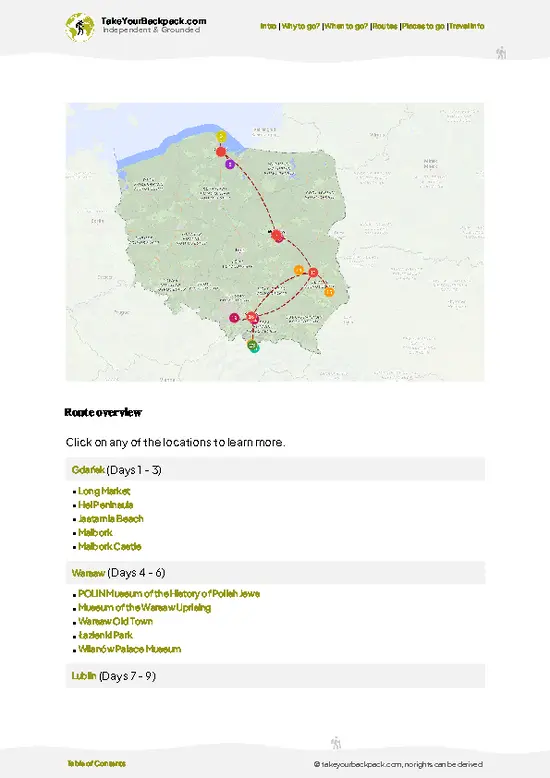
The Core Exhibition: A Walk Through 1,000 Years
Forget the word “museum” for a second. This is a full-body time machine. The Core Exhibition is eight galleries, each one a different era, and you’re not just looking at artifacts—you’re walking through recreated streets, synagogues, and marketplaces. The medieval gallery drops you into a Jewish merchant’s world, while the interwar section pulses with the energy of Warsaw’s Jewish cafés and theaters. It’s not a passive experience; you’re in the story, not just reading about it. The scale and ambition here are rare—this is the kind of immersive storytelling that makes you forget you’re learning.
The Reconstructed Gwoździec Synagogue Roof
This isn’t a replica you breeze past. The hand-painted ceiling, reconstructed by a global team of artisans, … read more 👉
Forget the word “museum” for a second. This is a full-body time machine. The Core Exhibition is eight galleries, each one a different era, and you’re not just looking at artifacts—you’re walking through recreated streets, synagogues, and marketplaces. The medieval gallery drops you into a Jewish merchant’s world, while the interwar section pulses with the energy of Warsaw’s Jewish cafés and theaters. It’s not a passive experience; you’re in the story, not just reading about it. The scale and ambition here are rare—this is the kind of immersive storytelling that makes you forget you’re learning.
The Reconstructed Gwoździec Synagogue Roof
This isn’t a replica you breeze past. The hand-painted ceiling, reconstructed by a global team of artisans, … read more 👉
The Core Exhibition: A Walk Through 1,000 Years
Forget the word “museum” for a second. This is a full-body time machine. The Core Exhibition is eight galleries, each one a different era, and you’re not just looking at artifacts—you’re walking through recreated streets, synagogues, and marketplaces. The medieval gallery drops you into a Jewish merchant’s world, while the interwar section pulses with the energy of Warsaw’s Jewish cafés and theaters. It’s not a passive experience; you’re in the story, not just reading about it. The scale and ambition here are rare—this is the kind of immersive storytelling that makes you forget you’re learning.
The Reconstructed Gwoździec Synagogue Roof
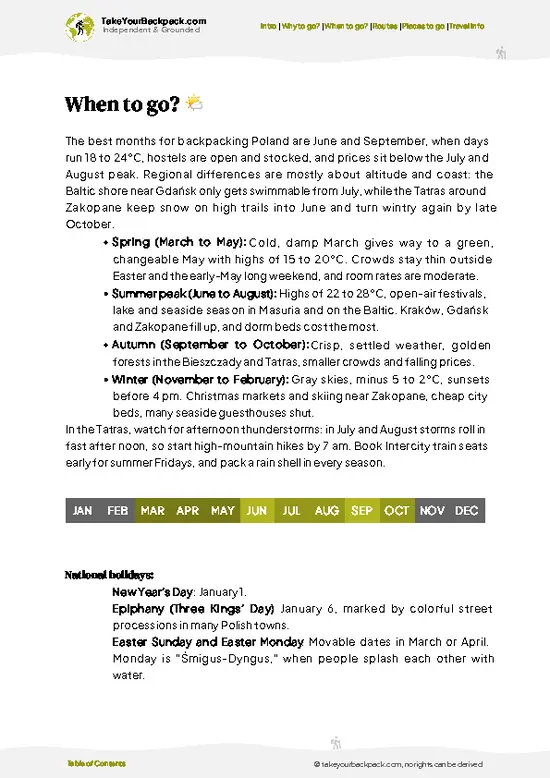
This isn’t a replica you breeze past. The hand-painted ceiling, reconstructed by a global team of artisans, is a riot of color and symbolism. Stand underneath and look up: it’s a kaleidoscope of folk art, Hebrew inscriptions, and mythic beasts. The original was destroyed in WWII, but this painstaking recreation is a defiant act of cultural resurrection. It’s the museum’s visual heart—Instagram can’t do it justice, and no photo will ever capture the feeling of standing beneath it.
Interactive Multimedia Installations
This isn’t a place where you shuffle from glass case to glass case. POLIN’s tech is sharp: touchscreens, audio stations, and interactive maps let you piece together family trees, listen to Yiddish street sounds, or “attend” a 19th-century Jewish wedding. The museum leans into interactivity, so you’re not just a spectator. Kids and adults both get pulled in—this is hands-on history, not homework.
The Holocaust Gallery: Brutal Honesty Without Voyeurism
Here’s where the myth-busting gets real. The Holocaust section doesn’t sensationalize or sanitize. It’s direct, detailed, and deeply human—personal stories, original documents, and survivor testimony. There’s no shock-and-awe horror, just the relentless, granular truth of what happened. It’s sobering, but it’s also respectful. You leave with a sense of the individuals behind the statistics, not just a vague sadness.
The Building Itself: Architecture as Statement
The glass-and-copper façade isn’t just for show. The undulating main hall, designed by Finnish architects Lahdelma & Mahlamäki, is a physical metaphor for the parted Red Sea—symbolizing both rupture and passage. The building’s light, space, and silence are part of the experience. It’s one of the rare museums where the architecture actually deepens the story, rather than distracting from it.
Temporary Exhibitions and Public Programs
Don’t skip the rotating exhibitions or public events. POLIN’s curators have a knack for programming that’s provocative without being preachy—think contemporary art installations, film screenings, and live debates on identity, memory, and migration. If you want to see a museum that’s alive and plugged into the present, this is it. The crowd is local and international, and the vibe is more “cultural crossroads” than “tour bus stop.”
Forget the word “museum” for a second. This is a full-body time machine. The Core Exhibition is eight galleries, each one a different era, and you’re not just looking at artifacts—you’re walking through recreated streets, synagogues, and marketplaces. The medieval gallery drops you into a Jewish merchant’s world, while the interwar section pulses with the energy of Warsaw’s Jewish cafés and theaters. It’s not a passive experience; you’re in the story, not just reading about it. The scale and ambition here are rare—this is the kind of immersive storytelling that makes you forget you’re learning.
The Reconstructed Gwoździec Synagogue Roof
This isn’t a replica you breeze past. The hand-painted ceiling, reconstructed by a global team of artisans, is a riot of color and symbolism. Stand underneath and look up: it’s a kaleidoscope of folk art, Hebrew inscriptions, and mythic beasts. The original was destroyed in WWII, but this painstaking recreation is a defiant act of cultural resurrection. It’s the museum’s visual heart—Instagram can’t do it justice, and no photo will ever capture the feeling of standing beneath it.
Interactive Multimedia Installations
This isn’t a place where you shuffle from glass case to glass case. POLIN’s tech is sharp: touchscreens, audio stations, and interactive maps let you piece together family trees, listen to Yiddish street sounds, or “attend” a 19th-century Jewish wedding. The museum leans into interactivity, so you’re not just a spectator. Kids and adults both get pulled in—this is hands-on history, not homework.
The Holocaust Gallery: Brutal Honesty Without Voyeurism
Here’s where the myth-busting gets real. The Holocaust section doesn’t sensationalize or sanitize. It’s direct, detailed, and deeply human—personal stories, original documents, and survivor testimony. There’s no shock-and-awe horror, just the relentless, granular truth of what happened. It’s sobering, but it’s also respectful. You leave with a sense of the individuals behind the statistics, not just a vague sadness.
The Building Itself: Architecture as Statement
The glass-and-copper façade isn’t just for show. The undulating main hall, designed by Finnish architects Lahdelma & Mahlamäki, is a physical metaphor for the parted Red Sea—symbolizing both rupture and passage. The building’s light, space, and silence are part of the experience. It’s one of the rare museums where the architecture actually deepens the story, rather than distracting from it.
Temporary Exhibitions and Public Programs
Don’t skip the rotating exhibitions or public events. POLIN’s curators have a knack for programming that’s provocative without being preachy—think contemporary art installations, film screenings, and live debates on identity, memory, and migration. If you want to see a museum that’s alive and plugged into the present, this is it. The crowd is local and international, and the vibe is more “cultural crossroads” than “tour bus stop.”
Spotted a mistake or missing something? Contact us.

Warsaw Uprising Museum (1944) : PRIVATE SERVICE /inc. Pick-up/

Warsaw Uprising Museum (1944) + POLIN Museum : SMALL GROUP /inc. Pick-up/

Private Tour: Warsaw best of 3-Hour Sightseeing Tour

Half-Day Warsaw Layover Tour by Minivan with Airport Pickup
Warsaw Uprising Museum (1944) + POLIN Museum: PRIVATE TOUR /inc. Pick-up/

World War II Warsaw Old Town, Military Cemetery Walking Tour
Warsaw Uprising Museum (1944) : SMALL GROUP /inc. Pick-up/

Palace of Culture & Science + Warsaw Uprising Museum: SMALL GROUP /inc. Pick-up/

WWII Old Town Walking & Warsaw Uprising Museum Private Tour

 Best Backpacking
.jpg) Hi, I’m Johan (Netherlands 🇳🇱), the creator of TakeYourBackpack. Over the past 3 decades, I’ve backpacked through 90+ countries across six continents, gaining extensive experience with independent travel, long-term trips, and overland routes.
Hi, I’m Johan (Netherlands 🇳🇱), the creator of TakeYourBackpack. Over the past 3 decades, I’ve backpacked through 90+ countries across six continents, gaining extensive experience with independent travel, long-term trips, and overland routes.