v2.webp)
1. Royal Castle: The Rebuilt Phoenix
Let’s get the myth out of the way: the Royal Castle is not some untouched medieval relic. It’s a meticulous, almost obsessive reconstruction. The Nazis dynamited the original into dust. What you see now is a triumph of national stubbornness and artistry—locals literally smuggled bricks and blueprints to bring it back. Walk through the opulent halls and you’re not just gawking at velvet and gold; you’re standing in a monument to Polish resilience. The castle’s art collection isn’t just a parade of portraits—it’s a visual history of a country that refuses to disappear.
2. Castle Square (Plac Zamkowy): Warsaw’s Living Room
Instagram will show you the square at golden hour, empty and serene. Reality? It’s a kinetic, noisy crossroads where buskers, protestors, … read more 👉
Let’s get the myth out of the way: the Royal Castle is not some untouched medieval relic. It’s a meticulous, almost obsessive reconstruction. The Nazis dynamited the original into dust. What you see now is a triumph of national stubbornness and artistry—locals literally smuggled bricks and blueprints to bring it back. Walk through the opulent halls and you’re not just gawking at velvet and gold; you’re standing in a monument to Polish resilience. The castle’s art collection isn’t just a parade of portraits—it’s a visual history of a country that refuses to disappear.
2. Castle Square (Plac Zamkowy): Warsaw’s Living Room
Instagram will show you the square at golden hour, empty and serene. Reality? It’s a kinetic, noisy crossroads where buskers, protestors, … read more 👉
1. Royal Castle: The Rebuilt Phoenix
Let’s get the myth out of the way: the Royal Castle is not some untouched medieval relic. It’s a meticulous, almost obsessive reconstruction. The Nazis dynamited the original into dust. What you see now is a triumph of national stubbornness and artistry—locals literally smuggled bricks and blueprints to bring it back. Walk through the opulent halls and you’re not just gawking at velvet and gold; you’re standing in a monument to Polish resilience. The castle’s art collection isn’t just a parade of portraits—it’s a visual history of a country that refuses to disappear.
2. Castle Square (Plac Zamkowy): Warsaw’s Living Room
Instagram will show you the square at golden hour, empty and serene. Reality? It’s a kinetic, noisy crossroads where buskers, protestors, and wedding parties all collide. The Sigismund’s Column is the selfie magnet, but the real show is the people-watching. Grab a zapiekanka from a street vendor and just stand there: you’ll see teenagers on skateboards, old men arguing politics, and the odd stag party in full costume. This is Warsaw’s pulse, not a postcard.
3. St. John’s Archcathedral: Echoes Underfoot
Most tourists breeze through, snap a photo of the gothic vaults, and move on. But if you linger, you’ll notice the air shifts—this is where Polish kings were crowned and rebels sheltered during uprisings. The crypts below are heavy with history. You can almost hear the echoes of whispered plots and funeral bells. It’s not just another church; it’s a pressure chamber of Polish identity.
4. Old Town Market Square: The Illusion and the Energy
Here’s the straight talk: yes, it’s crowded, yes, the prices are inflated, and yes, the pastel facades are mostly postwar reconstructions. But the square’s energy is real. Street performers juggle fire, accordionists duel for tips, and the outdoor cafes are packed with locals as well as tourists. Order a cold piwo (beer), ignore the overpriced pierogi, and soak up the chaos. The magic isn’t in the architecture—it’s in the swirl of life.
5. The City Walls and Barbican: Walk the Line
Forget the fantasy of medieval knights—these walls are another postwar resurrection, but they’re still a blast to explore. Climb up and you’ll get a gritty, panoramic view of the Old Town’s red roofs and the modern city beyond. At dusk, the crowds thin and the ramparts feel almost cinematic. It’s the best spot for a reality check: Warsaw is a city that’s been knocked down and rebuilt so many times, it wears its scars with pride.
6. Kanonia Square and the Lucky Bell
Tucked behind the cathedral, Kanonia Square is where the crowds thin and the city exhales. The highlight is a massive bronze bell, never hung, just sitting there like a forgotten relic. Local legend says if you circle it three times, your wish comes true. It’s a bit of harmless superstition, but the real reward is the quiet—this is where you finally get a sense of Warsaw’s soul, away from the selfie sticks and tour groups.
Let’s get the myth out of the way: the Royal Castle is not some untouched medieval relic. It’s a meticulous, almost obsessive reconstruction. The Nazis dynamited the original into dust. What you see now is a triumph of national stubbornness and artistry—locals literally smuggled bricks and blueprints to bring it back. Walk through the opulent halls and you’re not just gawking at velvet and gold; you’re standing in a monument to Polish resilience. The castle’s art collection isn’t just a parade of portraits—it’s a visual history of a country that refuses to disappear.
2. Castle Square (Plac Zamkowy): Warsaw’s Living Room
Instagram will show you the square at golden hour, empty and serene. Reality? It’s a kinetic, noisy crossroads where buskers, protestors, and wedding parties all collide. The Sigismund’s Column is the selfie magnet, but the real show is the people-watching. Grab a zapiekanka from a street vendor and just stand there: you’ll see teenagers on skateboards, old men arguing politics, and the odd stag party in full costume. This is Warsaw’s pulse, not a postcard.
3. St. John’s Archcathedral: Echoes Underfoot
Most tourists breeze through, snap a photo of the gothic vaults, and move on. But if you linger, you’ll notice the air shifts—this is where Polish kings were crowned and rebels sheltered during uprisings. The crypts below are heavy with history. You can almost hear the echoes of whispered plots and funeral bells. It’s not just another church; it’s a pressure chamber of Polish identity.
4. Old Town Market Square: The Illusion and the Energy
Here’s the straight talk: yes, it’s crowded, yes, the prices are inflated, and yes, the pastel facades are mostly postwar reconstructions. But the square’s energy is real. Street performers juggle fire, accordionists duel for tips, and the outdoor cafes are packed with locals as well as tourists. Order a cold piwo (beer), ignore the overpriced pierogi, and soak up the chaos. The magic isn’t in the architecture—it’s in the swirl of life.
5. The City Walls and Barbican: Walk the Line
Forget the fantasy of medieval knights—these walls are another postwar resurrection, but they’re still a blast to explore. Climb up and you’ll get a gritty, panoramic view of the Old Town’s red roofs and the modern city beyond. At dusk, the crowds thin and the ramparts feel almost cinematic. It’s the best spot for a reality check: Warsaw is a city that’s been knocked down and rebuilt so many times, it wears its scars with pride.
6. Kanonia Square and the Lucky Bell
Tucked behind the cathedral, Kanonia Square is where the crowds thin and the city exhales. The highlight is a massive bronze bell, never hung, just sitting there like a forgotten relic. Local legend says if you circle it three times, your wish comes true. It’s a bit of harmless superstition, but the real reward is the quiet—this is where you finally get a sense of Warsaw’s soul, away from the selfie sticks and tour groups.
Spotted a mistake or missing something? Contact us.
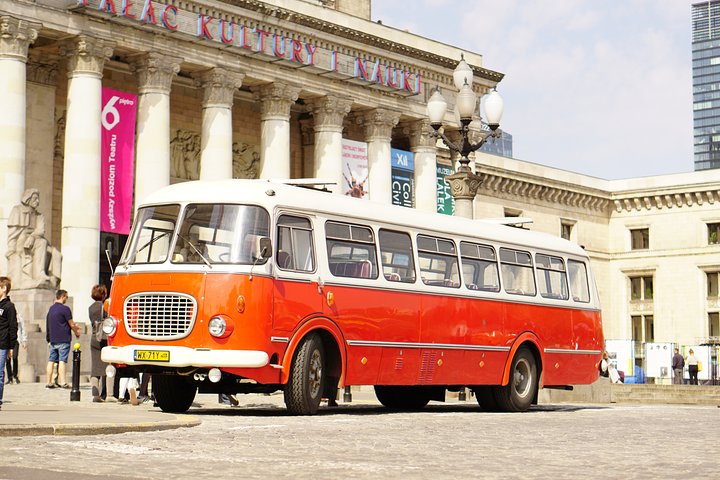
Warsaw City Sightseeing in a Retro Bus for Groups

Majdanek Concentration Camp & Lublin Full Day Private Tour from Warsaw

Warsaw Photographer - One Hour 200 Photos

Wolf's Lair & Treblinka Tour in 1 day from Warsaw

Life Behind the Iron Curtain Warsaw Walking Tour

Old Town, Royal Route & a Historic Café

A Journey Through Old Town Warsaw

Communist Warsaw: private tour by retro minibus with hotel pickup

Self-Drive Tour: Communist Warsaw by Retro Fiat "Toddler"



 Best Backpacking
.jpg) Hi, I’m Johan (Netherlands 🇳🇱), the creator of TakeYourBackpack. Over the past decade, I’ve backpacked through 80+ countries across six continents, gaining extensive experience with independent travel, long-term trips, and overland routes.
Hi, I’m Johan (Netherlands 🇳🇱), the creator of TakeYourBackpack. Over the past decade, I’ve backpacked through 80+ countries across six continents, gaining extensive experience with independent travel, long-term trips, and overland routes.