v2.webp)
The Factory Floor
Forget the glossy Instagram shots of empty rooms and moody lighting. The real deal is the factory floor itself—raw, industrial, and echoing with the ghosts of real work. You’re walking the same ground where Schindler’s workers clocked in, risking everything for survival. The machinery is gone, but the bones of the place remain. It’s not pretty, but it’s honest. You feel the weight of history in the chipped tiles and battered walls—this is not a set piece, it’s the original stage.
The “Kraków Under Nazi Occupation” Exhibit
This isn’t just a Holocaust museum. The permanent exhibition drops you into 1940s Kraków, and it doesn’t sugarcoat a thing. You’ll see propaganda posters, ration cards, and the claustrophobic mock-ups of ghetto apartments. The curators didn’t go for subtlety—they … read more 👉
Forget the glossy Instagram shots of empty rooms and moody lighting. The real deal is the factory floor itself—raw, industrial, and echoing with the ghosts of real work. You’re walking the same ground where Schindler’s workers clocked in, risking everything for survival. The machinery is gone, but the bones of the place remain. It’s not pretty, but it’s honest. You feel the weight of history in the chipped tiles and battered walls—this is not a set piece, it’s the original stage.
The “Kraków Under Nazi Occupation” Exhibit
This isn’t just a Holocaust museum. The permanent exhibition drops you into 1940s Kraków, and it doesn’t sugarcoat a thing. You’ll see propaganda posters, ration cards, and the claustrophobic mock-ups of ghetto apartments. The curators didn’t go for subtlety—they … read more 👉
The Factory Floor
Forget the glossy Instagram shots of empty rooms and moody lighting. The real deal is the factory floor itself—raw, industrial, and echoing with the ghosts of real work. You’re walking the same ground where Schindler’s workers clocked in, risking everything for survival. The machinery is gone, but the bones of the place remain. It’s not pretty, but it’s honest. You feel the weight of history in the chipped tiles and battered walls—this is not a set piece, it’s the original stage.
The “Kraków Under Nazi Occupation” Exhibit
This isn’t just a Holocaust museum. The permanent exhibition drops you into 1940s Kraków, and it doesn’t sugarcoat a thing. You’ll see propaganda posters, ration cards, and the claustrophobic mock-ups of ghetto apartments. The curators didn’t go for subtlety—they want you to feel the squeeze of occupation. It’s immersive, sometimes overwhelming, and absolutely necessary. You’ll walk through rooms that shift from pre-war normalcy to the chaos and cruelty of Nazi rule, all in a matter of steps.
Schindler’s Office
The glass-walled office is the museum’s quietest punch to the gut. Schindler’s actual desk sits here, surrounded by the names of the people he saved, etched into metal sheets that wrap the walls. No melodrama, just the cold, hard facts: one man, hundreds of lives. It’s not a shrine—it’s a ledger, and it forces you to reckon with the scale of both horror and hope.
Personal Testimonies & Multimedia Installations
This isn’t a place for passive observation. The museum uses video interviews, audio recordings, and interactive displays to put you face-to-face with survivors and witnesses. You’ll hear voices that cut through the years—sometimes angry, sometimes exhausted, always real. These aren’t actors or reenactments; these are the people who lived it. It’s messy, emotional, and impossible to forget.
The Ghetto Wall Replica
You’ll find a chilling, full-scale replica of the Kraków Ghetto wall. It’s not just a photo op—it’s a physical barrier you can touch, a reminder that this was real, recent, and engineered by human hands. The wall’s jagged silhouette is a gut-level history lesson, more effective than any textbook.
The “List” Room
The famous list—yes, that list—is here, but not in some Hollywood-glossed display. It’s presented with the bluntness it deserves: names, numbers, and the stark reality that each entry was a life on the line. No Spielberg sentimentality, just the raw data of survival. It’s sobering, and it’s the museum’s moral core.
Temporary Exhibitions
If you catch a rotating exhibit, don’t skip it. These often dig into lesser-known stories—resistance movements, everyday life under occupation, or the aftermath of liberation. They’re curated with the same unflinching honesty as the main displays, and sometimes they’re even more provocative. This is where the museum proves it’s not just about the past; it’s about how we remember, and why it matters.
Forget the glossy Instagram shots of empty rooms and moody lighting. The real deal is the factory floor itself—raw, industrial, and echoing with the ghosts of real work. You’re walking the same ground where Schindler’s workers clocked in, risking everything for survival. The machinery is gone, but the bones of the place remain. It’s not pretty, but it’s honest. You feel the weight of history in the chipped tiles and battered walls—this is not a set piece, it’s the original stage.
The “Kraków Under Nazi Occupation” Exhibit
This isn’t just a Holocaust museum. The permanent exhibition drops you into 1940s Kraków, and it doesn’t sugarcoat a thing. You’ll see propaganda posters, ration cards, and the claustrophobic mock-ups of ghetto apartments. The curators didn’t go for subtlety—they want you to feel the squeeze of occupation. It’s immersive, sometimes overwhelming, and absolutely necessary. You’ll walk through rooms that shift from pre-war normalcy to the chaos and cruelty of Nazi rule, all in a matter of steps.
Schindler’s Office
The glass-walled office is the museum’s quietest punch to the gut. Schindler’s actual desk sits here, surrounded by the names of the people he saved, etched into metal sheets that wrap the walls. No melodrama, just the cold, hard facts: one man, hundreds of lives. It’s not a shrine—it’s a ledger, and it forces you to reckon with the scale of both horror and hope.
Personal Testimonies & Multimedia Installations
This isn’t a place for passive observation. The museum uses video interviews, audio recordings, and interactive displays to put you face-to-face with survivors and witnesses. You’ll hear voices that cut through the years—sometimes angry, sometimes exhausted, always real. These aren’t actors or reenactments; these are the people who lived it. It’s messy, emotional, and impossible to forget.
The Ghetto Wall Replica
You’ll find a chilling, full-scale replica of the Kraków Ghetto wall. It’s not just a photo op—it’s a physical barrier you can touch, a reminder that this was real, recent, and engineered by human hands. The wall’s jagged silhouette is a gut-level history lesson, more effective than any textbook.
The “List” Room
The famous list—yes, that list—is here, but not in some Hollywood-glossed display. It’s presented with the bluntness it deserves: names, numbers, and the stark reality that each entry was a life on the line. No Spielberg sentimentality, just the raw data of survival. It’s sobering, and it’s the museum’s moral core.
Temporary Exhibitions
If you catch a rotating exhibit, don’t skip it. These often dig into lesser-known stories—resistance movements, everyday life under occupation, or the aftermath of liberation. They’re curated with the same unflinching honesty as the main displays, and sometimes they’re even more provocative. This is where the museum proves it’s not just about the past; it’s about how we remember, and why it matters.
Spotted a mistake or missing something? Contact us.

Krakow: Schindler's Factory Museum Guided Tour
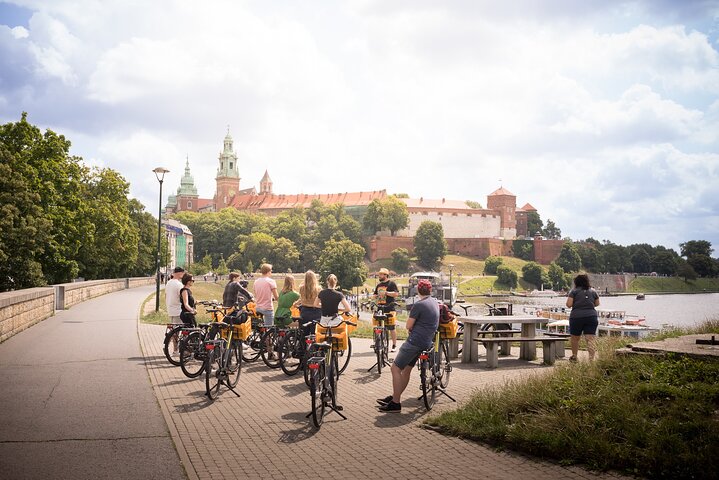
Full Bike Tour - the Old Town, Jewish Qtr & the Ghetto NEW BIKES

Krakow: Private Guided City Tour by Golf Buggy (with pick-up)
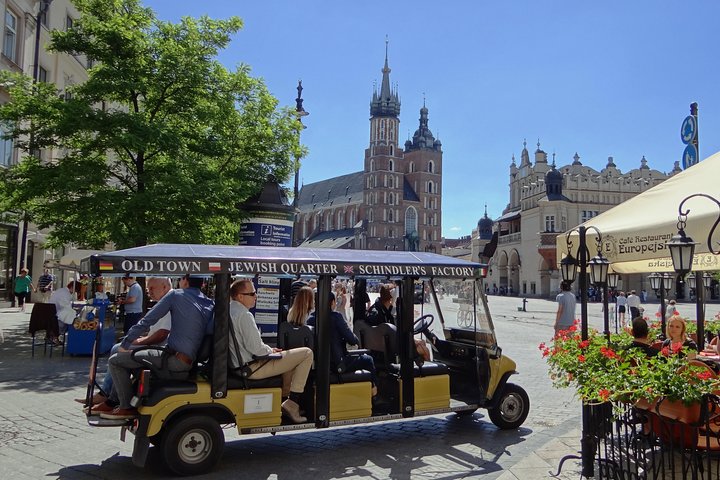
Krakow Grand City Tour by golf cart - All 3 districts

Krakow: City Sightseeing Tour Eco Electric Buggy Golf Cart

Discover Kraków by Bike with a Dutch guide

3-Hour E-Bike Tour In Krakow

Krakow: Guided Sightseeing Tour by golf cart/buggy

Krakow: Private Guided City Tour by Electric Car



 Best Backpacking
.jpg) Hi, I’m Johan (Netherlands 🇳🇱), the creator of TakeYourBackpack. Over the past decade, I’ve backpacked through 80+ countries across six continents, gaining extensive experience with independent travel, long-term trips, and overland routes.
Hi, I’m Johan (Netherlands 🇳🇱), the creator of TakeYourBackpack. Over the past decade, I’ve backpacked through 80+ countries across six continents, gaining extensive experience with independent travel, long-term trips, and overland routes.