×

Poland🇵🇱 | national parksTatra National Parkalpine peaks, glacial lakes, highland trails | things to do and best time to go

Explore Słowiński National ParkExplore Wielkopolska National Park

Backpacking in Tatra
🏆 Top picknational park ranked #1
By Johan Kruseman 🇳🇱 | Updated May 25, 2026

Your boots scrape wet granite, breath turning to mist as a steel chain bites cold into your palm on the way up to Orla Perć. Below, a valley of dark spruce and mirror lakes sits in total silence, broken only by trekking poles clicking on rock and the distant clang of cowbells. This is Tatra National Park, wrapped around the Polish side of the High Tatras in the far south, on the border with Slovakia. For backpackers, it’s sharp ridgelines, serious elevation gain, and alpine lakes that actually earn the postcard photos, but also strict rules, crowds on popular routes like Morskie Oko, and no wild camping. Trails are well-marked, wildlife ranges from chamois to bears you’ll probably never see, access from Zakopane is easy, and entrance fees are low but constant. Compared with quieter parks like Gorce or Pieniny, the Tatras feel steeper, busier, more dramatic, and less forgiving.

Discover everything you want to know in the 📖 Poland Travel Guide.


Get your Poland guide
116 ranked highlights, routes & tips, works offline (432 pages)
Loading the map 🌍
CLICK TO FILTER
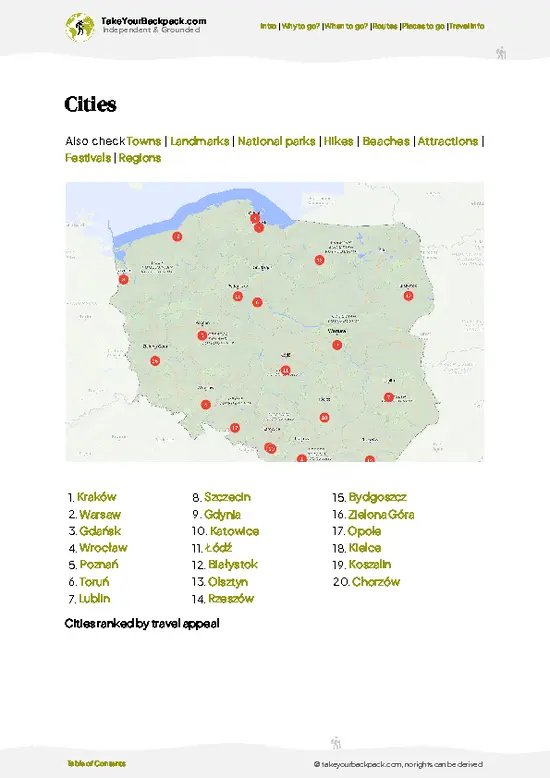
cities
towns
landmarks
national parks
hikes
beaches
attractions
festivals
regions
SHOW COUNTRY’S BESTSHOW ALL

✨ Why go?
Ranked #1 national park in Poland
The unique appeal for travelers

Tatra National Park draws backpackers for several compelling reasons. Independent exploration is a major draw; the park’s extensive trail network allows you to wander at your own pace, soaking in the stunning landscapes without the constraints of a guided tour.

Budget-conscious travelers appreciate the affordable camping options and hostels nearby. You can pitch a tent under the stars or find a cozy bed in a local hostel, keeping costs low while still enjoying the park’s natural beauty.

The trail variety is another highlight. From easy walks to challenging scrambles, there’s something for everyone. Whether you’re a novice or a seasoned hiker, you’ll find routes that match your skill level and energy.

Self-guided travelers thrive here, as the park is well-marked and accessible. You won’t … read more 👉
Tatra National Park draws backpackers for several compelling reasons. Independent exploration is a major draw; the park’s extensive trail network allows you to wander at your own pace, soaking in the stunning landscapes without the constraints of a guided tour.

Budget-conscious travelers appreciate the affordable camping options and hostels nearby. You can pitch a tent under the stars or find a cozy bed in a local hostel, keeping costs low while still enjoying the park’s natural beauty.

The trail variety is another highlight. From easy walks to challenging scrambles, there’s something for everyone. Whether you’re a novice or a seasoned hiker, you’ll find routes that match your skill level and energy.

Self-guided travelers thrive here, as the park is well-marked and accessible. You won’t need to rely on tours to experience the breathtaking views or the rich biodiversity. Just grab a map, pack your essentials, and set off.

In Tatra National Park, you’ll find the freedom to explore, the comfort of budget options, and a range of trails that cater to your adventurous spirit.
Want to include Tatra National Park in your Poland route?
Create a personalized Poland itinerary that includes Tatra National Park and the places that fit your trip — based on your travel style, budget, and available time. Get your route in seconds.

Generate my trip

💡 HighlightsTop highlights of Tatra

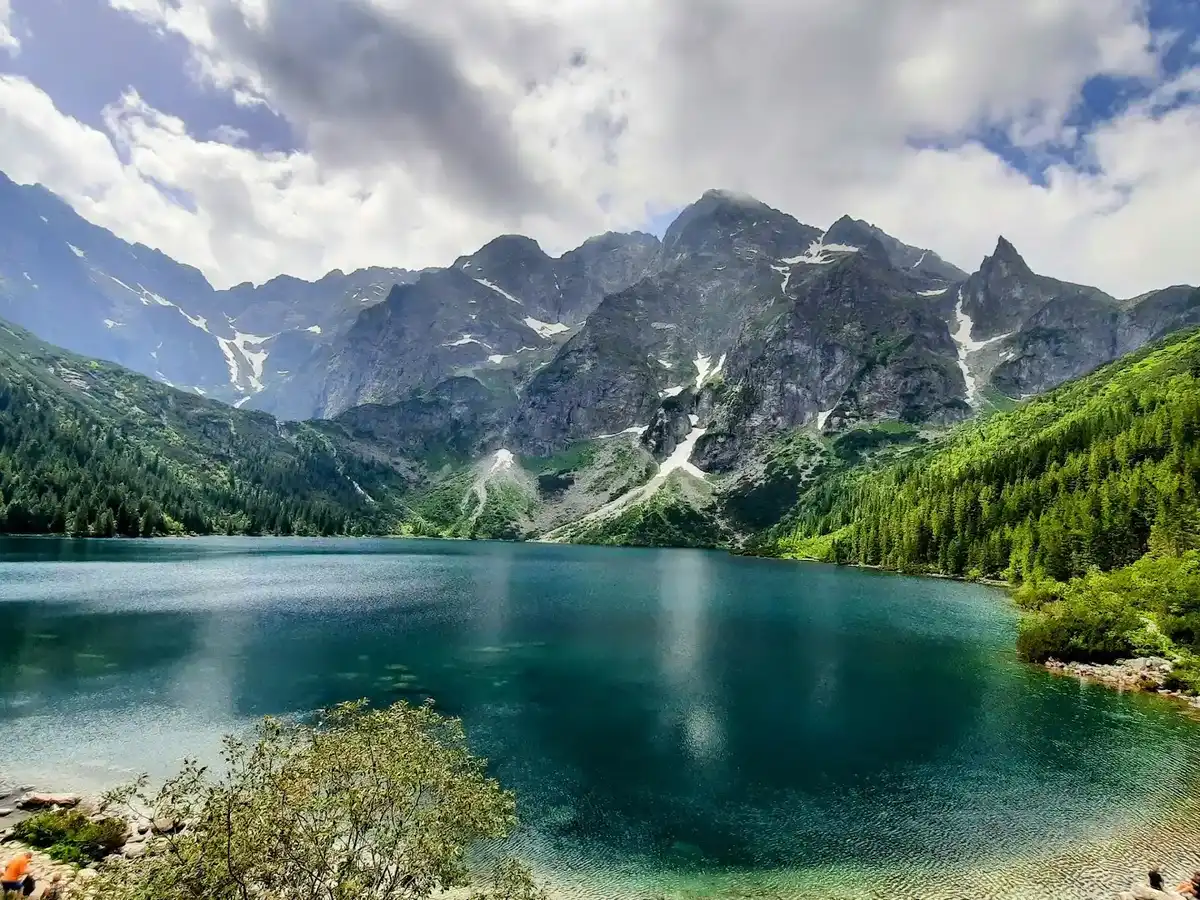
  • Morskie Oko — The poster-child lake: emerald water framed by steep peaks. Easy-ish hike from Palenica Białczańska makes it accessible for most, and the view of Czarny Staw and the surrounding ridges is unforgettable (and very photogenic). Expect crowds; arrive early or late afternoon for quieter light.
  • Dolina Pięciu Stawów Polskich (Valley of Five Polish Lakes) — A high-mountain amphitheater of connected tarns and waterfalls. Hikes here feel wilder than Morskie Oko’s route and reward you with mirror-like lakes, cirques, and good jumping-off points for Rysy or Orla Perć.
  • Rysy — The mountain that gives Poland its highest point (2,499 m on the Polish side). It’s a long, steep day with fantastic panoramic payoff — Slovakia to the south, the whole Tatra skyline around you — so go only if you’re
read more 👉
  • Morskie Oko — The poster-child lake: emerald water framed by steep peaks. Easy-ish hike from Palenica Białczańska makes it accessible for most, and the view of Czarny Staw and the surrounding ridges is unforgettable (and very photogenic). Expect crowds; arrive early or late afternoon for quieter light.
  • Dolina Pięciu Stawów Polskich (Valley of Five Polish Lakes) — A high-mountain amphitheater of connected tarns and waterfalls. Hikes here feel wilder than Morskie Oko’s route and reward you with mirror-like lakes, cirques, and good jumping-off points for Rysy or Orla Perć.
  • Rysy — The mountain that gives Poland its highest point (2,499 m on the Polish side). It’s a long, steep day with fantastic panoramic payoff — Slovakia to the south, the whole Tatra skyline around you — so go only if you’re fit and weather’s stable.
  • Orla Perć — The Tatra’s infamous exposed ridge: chains, ladders, and airy sections for serious, experienced hikers. Not for beginners, but if you can handle it, the ridge walk is adrenaline-packed and offers some of the most dramatic high-mountain terrain in Poland.
  • Giewont — The silhouette with the cross that you’ll recognize from every Zakopane postcard. A cultural symbol as much as a peak, the ascent is steep but technically simple; it fills up fast and is best avoided in storms (lightning risk) and high summer crowds.
  • Kasprowy Wierch — Take the cable car from Kuźnice if you want alpine views without a huge slog. From the top you can tackle higher ridges, ski in winter, or just sit and watch the clouds roll between peaks — great for mixed-ability groups.
  • Dolina Kościeliska — A classic, gentle valley with karst features, caves (like Jaskinia Mroźna), and open meadows. It’s the sort of place that feels restful after harder climbs and gives a good taste of Tatra geology and folklore.
  • Wildlife: Tatra chamois, marmots (and cautious bear signs) — Marmots are common and unafraid; chamois are rarer and a thrill to spot on cliffs. Bears exist but sightings are infrequent; always keep distance, store food properly, and enjoy animals without disturbing them.
Spotted a mistake or missing something? Contact us.

Things to do around Tatra National Park

Ratings based on Tripadvisor reviews. When you book through this link, you support our work at no extra cost to you.

🌤️ When to go?Weather, crowds, and seasonal trade-offs


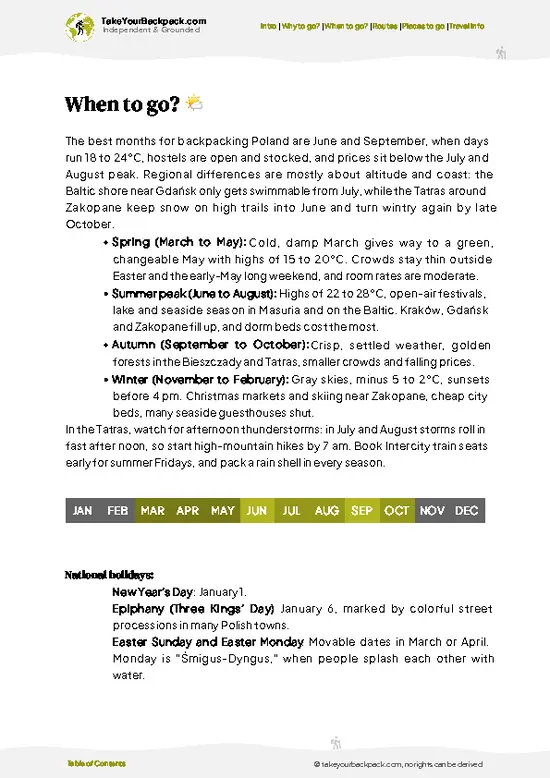
  • Topic: Weather and Temperature – The best window is late June through September. Daytime highs hover between 15-22°C (59-72°F), comfortable for hiking without overheating. Nights can dip to 5-10°C (41-50°F), so pack layers. Early summer can still be wet and chilly, while late autumn brings frost and snow.

  • Topic: Daylight Hours – Summer offers long days, with up to 16 hours of light in July, giving you plenty of time to cover ground. By September, daylight shrinks to around 12 hours, which still allows for solid trekking but requires better planning.

  • Topic: Crowds – July and August are peak months, especially weekends, when trails and mountain huts fill up. For a quieter experience, aim for late June or early September, when the weather is still decent but the crowds thin out.

  • Topic:
read more 👉

  • Topic: Weather and Temperature – The best window is late June through September. Daytime highs hover between 15-22°C (59-72°F), comfortable for hiking without overheating. Nights can dip to 5-10°C (41-50°F), so pack layers. Early summer can still be wet and chilly, while late autumn brings frost and snow.

  • Topic: Daylight Hours – Summer offers long days, with up to 16 hours of light in July, giving you plenty of time to cover ground. By September, daylight shrinks to around 12 hours, which still allows for solid trekking but requires better planning.

  • Topic: Crowds – July and August are peak months, especially weekends, when trails and mountain huts fill up. For a quieter experience, aim for late June or early September, when the weather is still decent but the crowds thin out.

  • Topic: Seasonal Activities – Summer is prime for hiking, climbing, and wildlife spotting. Autumn brings vibrant foliage but shorter hiking seasons. Winter is for serious mountaineers only, with snow and ice demanding technical gear.

  • Topic: Price Fluctuations – Accommodation and transport costs spike in July and August. Booking early can save money, but traveling just before or after peak season often means better rates and availability.


Pro-tip: Plan your trip for early September to balance good weather, manageable crowds, and better prices—perfect for stretching your legs without stretching your budget.


source: climatestotravel.comJANJanuary: below average for travelingFEBFebruary: below average for travelingMARMarch: fair for travelingAPRApril: fair for travelingMAYMay: good for travelingJUNJune: highly recommended for travelingJULJuly: highly recommended for travelingAUGAugust: highly recommended for travelingSEPSeptember: excellent for travelingOCTOctober: good for travelingNOVNovember: fair for travelingDECDecember: below average for traveling
poland-national-park-tatra-national-park
© Google | Július Jančo

✈️ The backpacker research shortcutPoland Travel Guide

An offline-friendly backpacking guide with optimized travel routes, ranked highlights, transport advice, and the best areas to stay.
example page 0 from our offline Travel Guide for Polandexample page 1 from our offline Travel Guide for Polandexample page 2 from our offline Travel Guide for Polandexample page 3 from our offline Travel Guide for Polandexample page 4 from our offline Travel Guide for Polandexample page 5 from our offline Travel Guide for Polandexample page 6 from our offline Travel Guide for Polandexample page 7 from our offline Travel Guide for Poland
The digital guide (432 pages) contains:
116 highlights, ranked by travel appeal
Optimized 5, 10 & 15-day travel routes
Cities, national parks, landmarks, beaches
How to get around
Offline-friendly for travel without Wi-Fi
👉 Click to see all 30+ guide features

📅 Plan smarter in minutes, not weeks
Month by month travel advice
Festivals & national holidays
Budget expectations

🗺️ Go to the right places, skip the overrated ones
Honest pros & cons of destinations
Top hikes, parks & viewpoints
Lesser-known places most travelers miss
Clear “worth it vs skip it” guidance

🛏️ Travel smoothly without rookie mistakes
Best areas to stay
Transport systems explained simply
Common scams & safety advice
SIM cards, money & practical tips

🌍 Understand the country, not just visit it
Culture & traditions
52 Essential phrases & customs
Festivals worth planning around
Traveler-friendly historical context
Insights that make places more meaningful

📱 Built for real travel conditions
Fully downloadable PDF
Works completely offline
Optimized for phone use
Useful in remote areas & buses
Everything in one place
Save weeks of stressful planning
Get instant access to your full guide. 30‑day money-back guarantee.


By proceeding you agree to our terms.
Sent to your inbox immediately after payment • 100% Secure Checkout
Best Backpacking Travel Advisor 2025 tourism awardBest Backpacking
Travel Advisor
2025
What others say about Take Your Backpack Guides:
⭐⭐⭐⭐⭐
Fantastic, amazing amount of information!
⭐⭐⭐⭐⭐
My goodness this is amazing, it's what I've been looking for hats off too you!
⭐⭐⭐⭐⭐
I think this is absolutely BRILLIANT
⭐⭐⭐⭐
Very complete and informative. It's still missing places, but I gotta to commend you
⭐⭐⭐⭐⭐
This is truly amazing, thank you, can't wait to explore it with my kids!
⭐⭐⭐⭐⭐
Awesome resource, thank you!
⭐⭐⭐⭐⭐
This is amazing! Can't wait to explore the ones I haven't seen
⭐⭐⭐⭐
I love this! Well done, great idea.
⭐⭐⭐⭐⭐
Thanks for taking the time to make this gem!
⭐⭐⭐⭐⭐
This might be the best website I've ever seen.
⭐⭐⭐⭐⭐
Congratulations, and thank you so much for your work; it's incredibly valuable.
⭐⭐⭐⭐
In all seriousness I think you did a great job pointing out the important spots
⭐⭐⭐⭐⭐
10/10 very good
⭐⭐⭐⭐⭐
As someone who's only just starting to visit regularly this is awesome, thank you.
⭐⭐⭐⭐
Thank you very much! I'm going to visit my dad, it's going to be very useful!
⭐⭐⭐⭐⭐
This is really cool! We'll be travelling for the first time and this definitely come in handy.
⭐⭐⭐⭐⭐
You are now our minister of culture, congratulations 👨‍💼
⭐⭐⭐⭐⭐
Just wanted to tell you that this is a pearl! Going to follow your recommendations.
⭐⭐⭐⭐⭐
This is so cool. I'll definitely be using the resource for my travels soon.
⭐⭐⭐⭐⭐
This is very impressive! Good work.
⭐⭐⭐⭐⭐
This is an amazing and informative site. Very well done!

🛏️ Where to stay?Best areas and accommodation options

Tatra National Park is a backpacker’s paradise, but choosing where to stay can make or break your experience. Inside the park, options are limited. The mountain huts, like Schronisko PTTK na Morskim Oku, offer basic amenities and a chance to wake up surrounded by breathtaking views. However, they fill up fast, especially in peak season, so book ahead.

If you prefer more amenities, head to nearby towns like Zakopane. This bustling hub is just outside the park and has a range of accommodations from hostels to guesthouses. The vibe is lively, with plenty of restaurants and shops to stock up on supplies. … read more 👉
Tatra National Park is a backpacker’s paradise, but choosing where to stay can make or break your experience. Inside the park, options are limited. The mountain huts, like Schronisko PTTK na Morskim Oku, offer basic amenities and a chance to wake up surrounded by breathtaking views. However, they fill up fast, especially in peak season, so book ahead.

If you prefer more amenities, head to nearby towns like Zakopane. This bustling hub is just outside the park and has a range of accommodations from hostels to guesthouses. The vibe is lively, with plenty of restaurants and shops to stock up on supplies. Plus, it’s a great base for day trips into the park.

Another option is the charming village of Kościelisko, which offers a quieter atmosphere and easy access to hiking trails. Staying here can save you some cash compared to Zakopane while still keeping you close to the action.

Be mindful of transportation costs. Public transport is available, but it can be infrequent. Renting a bike or car might be worth considering if you want to explore more freely. Prioritize your energy and budget by planning your stay wisely; it’ll pay off when you’re out on the trails.

👛 Costs (as of 15 January 2026)Typical daily expenses

Visiting Tatra National Park in Poland can be a rewarding experience, but it’s essential to be aware of the costs involved to avoid surprises.

Entrance fees to the park are generally around €3 to €5 per person for a day pass. If you’re planning to hike multiple days, consider a multi-day pass, which can range from €10 to €15.

Parking fees can add up quickly. Expect to pay about €5 to €10 per day, depending on the location. Some popular trailheads have limited parking, so arriving early is wise.

Accommodation varies widely. Hostels can be found for €15 to €30 per night, while guesthouses and hotels typically range from €40 to €100. If you’re looking for something more upscale, prices can go higher, especially during peak season.

Food costs are reasonable. A meal at a local restaurant might … read more 👉
Visiting Tatra National Park in Poland can be a rewarding experience, but it’s essential to be aware of the costs involved to avoid surprises.

Entrance fees to the park are generally around €3 to €5 per person for a day pass. If you’re planning to hike multiple days, consider a multi-day pass, which can range from €10 to €15.

Parking fees can add up quickly. Expect to pay about €5 to €10 per day, depending on the location. Some popular trailheads have limited parking, so arriving early is wise.

Accommodation varies widely. Hostels can be found for €15 to €30 per night, while guesthouses and hotels typically range from €40 to €100. If you’re looking for something more upscale, prices can go higher, especially during peak season.

Food costs are reasonable. A meal at a local restaurant might set you back €10 to €20. If you’re on a budget, grocery stores offer options for under €5.

Guided tours or activities, like climbing or skiing, can range from €50 to €150, depending on the service and duration. Always check what’s included in the price to avoid unexpected extras.

Plan for these costs in advance. This way, you can focus on enjoying the breathtaking scenery and the unique experiences Tatra National Park has to offer.


source: poland.travel
⚠️ Prices can change and everyone travels differently, so take this as a rough guide. Hope it helps you plan your adventure!

🥾 TrailsDiscover Tatra's top trails and natural wonders

Tatra National Park is a gem for hikers, offering stunning landscapes that range from rocky peaks to lush valleys. The trails here can be quite varied, with some leading you through dense forests and others taking you right up to breathtaking mountain vistas. Wildlife is abundant, too; keep an eye out for chamois and maybe even a golden eagle soaring above.

One of the standout trails is the Morskie Oko trail. It’s a classic; here are the details:
  • Length: 9 km (5.6 miles)
  • Estimated Duration: 2-3 hours
  • Difficulty Level: Easy
  • Key Features: Stunning lake views, picturesque scenery, and a well-maintained
read more 👉
Tatra National Park is a gem for hikers, offering stunning landscapes that range from rocky peaks to lush valleys. The trails here can be quite varied, with some leading you through dense forests and others taking you right up to breathtaking mountain vistas. Wildlife is abundant, too; keep an eye out for chamois and maybe even a golden eagle soaring above.

One of the standout trails is the Morskie Oko trail. It’s a classic; here are the details:
  • Length: 9 km (5.6 miles)
  • Estimated Duration: 2-3 hours
  • Difficulty Level: Easy
  • Key Features: Stunning lake views, picturesque scenery, and a well-maintained path
  • Terrain: Mostly flat with a gradual incline towards the end

If you’re feeling a bit more adventurous, the Rysy trail is a must-try:
  • Length: 20 km (12.4 miles)
  • Estimated Duration: 6-8 hours
  • Difficulty Level: Moderate to Difficult
  • Key Features: Highest peak in Poland, panoramic views, and a challenging ascent
  • Terrain: Rocky and steep, with some sections requiring scrambling

Getting to Tatra National Park is pretty straightforward. You can hop on a bus from Kraków to Zakopane, which takes about 2 hours. Once in Zakopane, local buses or shuttles can take you right to the park entrance. As for crowds, it can get busy, especially in summer and on weekends, so starting early is your best bet. There’s usually a small entrance fee, which helps maintain the trails, so don’t forget some cash.
⚠️ Hiking info can sometimes be outdated or inaccurate. Before you hit the trail, check the latest conditions with locals. If you do spot anything that's off, I'd love to hear from you, so I can update it for fellow travelers.

🛡️ SafetyTraveler Safety Guide

Tatra National Park is a well-managed paradise for hikers, but it’s wise to stay grounded about its realities. Weather can shift quickly; sunny mornings can turn into rain or fog by afternoon. Always check forecasts and be prepared with layers.

The terrain varies from gentle paths to steep ascents. Some trails require careful footing, especially after rain when rocks can be slippery. Navigation is straightforward with marked trails, but don’t underestimate the importance of a good map or GPS.

Wildlife encounters are rare but possible. If you spot a chamois or a deer, keep your distance and don’t feed them. They’re part of the park’s charm, but respecting their space is crucial.

First-timers often overlook hydration and snacks. Keep your energy up, especially on longer hikes. Start early … read more 👉
Tatra National Park is a well-managed paradise for hikers, but it’s wise to stay grounded about its realities. Weather can shift quickly; sunny mornings can turn into rain or fog by afternoon. Always check forecasts and be prepared with layers.

The terrain varies from gentle paths to steep ascents. Some trails require careful footing, especially after rain when rocks can be slippery. Navigation is straightforward with marked trails, but don’t underestimate the importance of a good map or GPS.

Wildlife encounters are rare but possible. If you spot a chamois or a deer, keep your distance and don’t feed them. They’re part of the park’s charm, but respecting their space is crucial.

First-timers often overlook hydration and snacks. Keep your energy up, especially on longer hikes. Start early to avoid crowds and enjoy the trails at your own pace. With these practical tips, you’ll preserve your energy and budget for the moments that truly matter.

Other Polish national parks near Tatra

Explore more nearby:


💡 Not sure where to go next?
Create a personalized itinerary for Poland including Tatra and the places that fit your trip.

Generate my itinerary

👉 Discover all national parks

Or checkout all Poland has to offer (think cities, towns, villages, national parks, hikes, beaches, festivals)
Country photo of Poland

We 💚 feedbackFinal thoughts on exploring Tatra

Tatra National Park is a breath of fresh air, but don’t underestimate its demands. The trails can be rugged, and weather shifts quickly—pack layers and sturdy shoes. The best surprise? The tranquility of the lesser-known paths, where you can escape the crowds and soak in the raw beauty. Just be mindful of the entry fees; they add up if you’re hopping between trails. Embrace the challenge, but save your energy for those quiet moments by the lakes. They’re worth every step.

✍️ Help improve this page!
The information on this page is based on in-depth research, insights shared by experienced travelers, and feedback from the local travel community in Poland. While every effort is made to keep the information accurate and current, conditions can change — so if you spot anything incorrect or outdated, please get in touch.


🙋‍♂️ Give feedback

👋 Meet the founderWho’s Behind Take Your Backpack?

Johan, backpacker and founder of TakeYourBackpackHi, I’m Johan (Netherlands 🇳🇱), the creator of TakeYourBackpack. Over the past decade, I’ve backpacked through 80+ countries across six continents, gaining extensive experience with independent travel, long-term trips, and overland routes.

This site is built on a combination of firsthand travel experience and carefully curated insights from other backpackers. Many guides are based on places I’ve personally visited, while others bring together tips, observations, and practical advice shared by trusted travelers I’ve met along the way.

The goal is to provide realistic, experience-driven guidance — not generic itineraries — so you can explore destinations with better context, clearer expectations, and more confidence.

Get full Poland guide •
Instant download • 116 highlights • Full Offline guide