×

Poland🇵🇱 | best national parksExplore the 10 Best national parks in Poland

Poland’s national parks offer a diverse tapestry of landscapes, wildlife, and adventure opportunities, making them a prime destination for backpacking and independent travel. Defined by their unique ecosystems, these parks range from the rugged Tatra Mountains to the serene Białowieża Forest, each presenting distinct seasonal nuances that affect accessibility and exploration pace.

Choosing the right park influences your experience significantly—whether you seek solitude in the Bieszczady Mountains or vibrant wildlife in Kampinos National Park. Factors like budget, safety, and cultural immersion vary widely across regions, shaping your journey. Understanding these dynamics is crucial for maximizing your adventure in Poland’s natural wonders.

By Johan Kruseman 🇳🇱 | Updated June 3, 2026
Explore the best hikes in Poland

Why go?Why Travelers Love These Spots

National parks in Poland offer a unique blend of landscapes and biodiversity that set them apart from many other countries. The diverse geography ranges from the Tatra Mountains to the Białowieża Forest, home to the last remaining primeval forest in Europe. This variety supports a rich array of flora and fauna, including species like the European bison, which is a symbol of conservation efforts in the region.

However, accessibility can be a double-edged sword. While many parks are well-connected by roads and public transport, this can lead to crowds during peak seasons, diminishing the immersive experience that nature lovers seek. Travelers must weigh the convenience of access against the potential for a less tranquil visit.

Poland’s climatic conditions also play a role in the national … read more 👉
National parks in Poland offer a unique blend of landscapes and biodiversity that set them apart from many other countries. The diverse geography ranges from the Tatra Mountains to the Białowieża Forest, home to the last remaining primeval forest in Europe. This variety supports a rich array of flora and fauna, including species like the European bison, which is a symbol of conservation efforts in the region.

However, accessibility can be a double-edged sword. While many parks are well-connected by roads and public transport, this can lead to crowds during peak seasons, diminishing the immersive experience that nature lovers seek. Travelers must weigh the convenience of access against the potential for a less tranquil visit.

Poland’s climatic conditions also play a role in the national park experience. Winters can be harsh, limiting access to certain areas, while summers attract tourists, making solitude harder to find.

Culturally, these parks are steeped in history, often reflecting the nation’s struggle for conservation amidst industrialization. This context adds depth to the experience, but it also means that some areas may be more commercialized than others.

Ultimately, understanding these trade-offs is crucial for anyone looking to explore Poland’s national parks. The journey may require patience and planning, but the rewards of genuine connection with nature are well worth the effort.
Why These Made the Cut
The list of best national parks in Poland is created based on landscapes, wildlife, adventure opportunities, facilities, and overall experience. If you feel a national park is missing in this list, please let us know.

When to go?Best Time to Visit Poland for national parks

Seasonality significantly impacts the experience in Poland’s national parks. Spring, particularly late April to early June, offers mild temperatures and blooming flora. Wildlife is active, making it an excellent time for animal sightings. However, expect some rain, which can muddy trails.

Summer brings warmth and long days, ideal for exploration. Yet, this is also peak tourist season. Trails can become crowded, and popular areas may feel overrun. Prices for accommodations often rise, and the heat can be oppressive in some regions, affecting comfort levels.

Autumn is a hidden treasure. September and October showcase vibrant foliage, providing stunning scenery without the summer crowds. Temperatures are cooler, and wildlife remains active. Rainfall can increase, but the trade-off is worth … read more 👉
Seasonality significantly impacts the experience in Poland’s national parks. Spring, particularly late April to early June, offers mild temperatures and blooming flora. Wildlife is active, making it an excellent time for animal sightings. However, expect some rain, which can muddy trails.

Summer brings warmth and long days, ideal for exploration. Yet, this is also peak tourist season. Trails can become crowded, and popular areas may feel overrun. Prices for accommodations often rise, and the heat can be oppressive in some regions, affecting comfort levels.

Autumn is a hidden treasure. September and October showcase vibrant foliage, providing stunning scenery without the summer crowds. Temperatures are cooler, and wildlife remains active. Rainfall can increase, but the trade-off is worth it for fewer visitors and lower costs.

Winter presents a different landscape. Snow transforms parks into serene wonderlands, perfect for winter sports enthusiasts. However, many trails may be inaccessible, and temperatures can drop significantly. Wildlife visibility decreases, as many animals hibernate.

Understanding these seasonal patterns allows for informed decisions. Each season offers unique advantages and challenges, shaping the overall experience in Poland’s national parks. Balancing scenery, crowd levels, and conditions is essential for a successful visit.

national park hoppingHow to Combine national parks Into One Trip

General Routing Logic

Poland’s national parks are best explored in clusters. Start in the south with Tatra National Park, then head northeast to Bieszczady. This route allows for a natural progression through diverse landscapes. From there, make your way to the central region, where you can visit the Kampinos National Park, before wrapping up in the north at Słowiński National Park. This sequence minimizes travel time while maximizing exposure to varied ecosystems.

Time Needed per Stop

Allocate at least two days for each park. This allows for a mix of hiking and downtime to soak in the surroundings. If time is tight, consider focusing on one or two parks for a deeper experience rather than rushing through multiple locations. Each park has its own unique trails and attractions that deserve … read more 👉

General Routing Logic

Poland’s national parks are best explored in clusters. Start in the south with Tatra National Park, then head northeast to Bieszczady. This route allows for a natural progression through diverse landscapes. From there, make your way to the central region, where you can visit the Kampinos National Park, before wrapping up in the north at Słowiński National Park. This sequence minimizes travel time while maximizing exposure to varied ecosystems.

Time Needed per Stop

Allocate at least two days for each park. This allows for a mix of hiking and downtime to soak in the surroundings. If time is tight, consider focusing on one or two parks for a deeper experience rather than rushing through multiple locations. Each park has its own unique trails and attractions that deserve attention.

Common Planning Mistakes

Travelers often underestimate the distances between parks. While Poland is relatively compact, driving can take longer than expected due to winding roads and varying conditions. Avoid cramming too many parks into a short timeframe; this leads to fatigue and missed opportunities for exploration.

Trade-offs and Constraints

Speed versus depth is a key consideration. A rapid itinerary may save time but sacrifices the immersive experience that each park offers. Budget constraints can also affect comfort levels, especially in remote areas where accommodations may be limited. Prioritize flexibility in your plans to adapt to weather changes or personal energy levels, ensuring a rewarding adventure.

The ListTop national parks of Poland

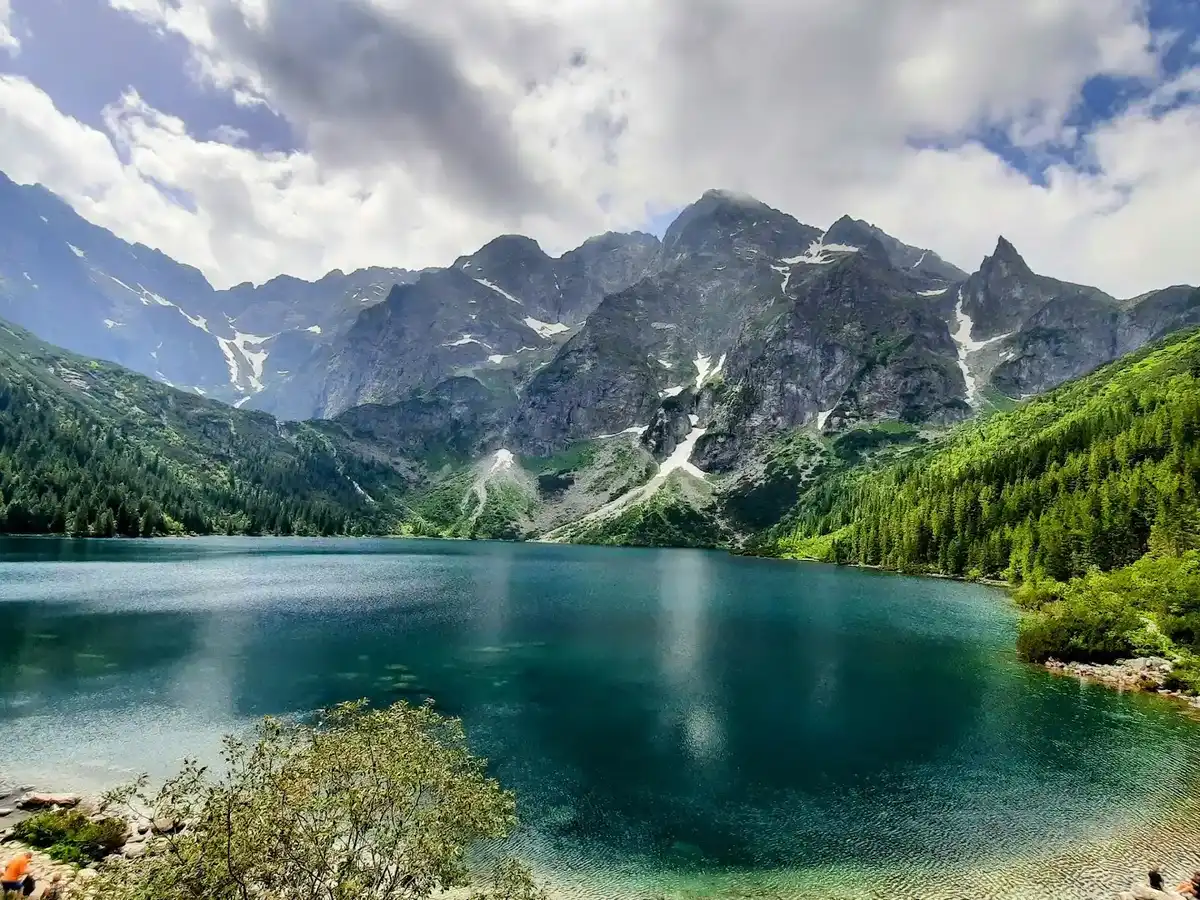
1 Tatra National Park

alpine peaks, glacial lakes, highland trails

Ascend rocky paths to mountain lakes and traverse rugged ridges, experiencing Poland’s highest and most dramatic terrain.

poland-national-park-tatra-national-park
© Google | Július Jančo

2 Białowieża National Park

primeval forest, European bison, ancient oaks

Walk beneath towering trees and glimpse wild bison in a forest that preserves the last fragments of Europe’s ancient woodland.

3 Słowiński National Park

moving sand dunes, Baltic coast, coastal lakes

Trek across shifting dunes and quiet beaches, where wind and water constantly reshape the landscape beside brackish lakes.

4 Karkonosze National Park

granite peaks, mountain waterfalls, alpine tundra

Trek above the tree line to windswept summits, passing waterfalls and unique tundra vegetation in the highest Sudetes.

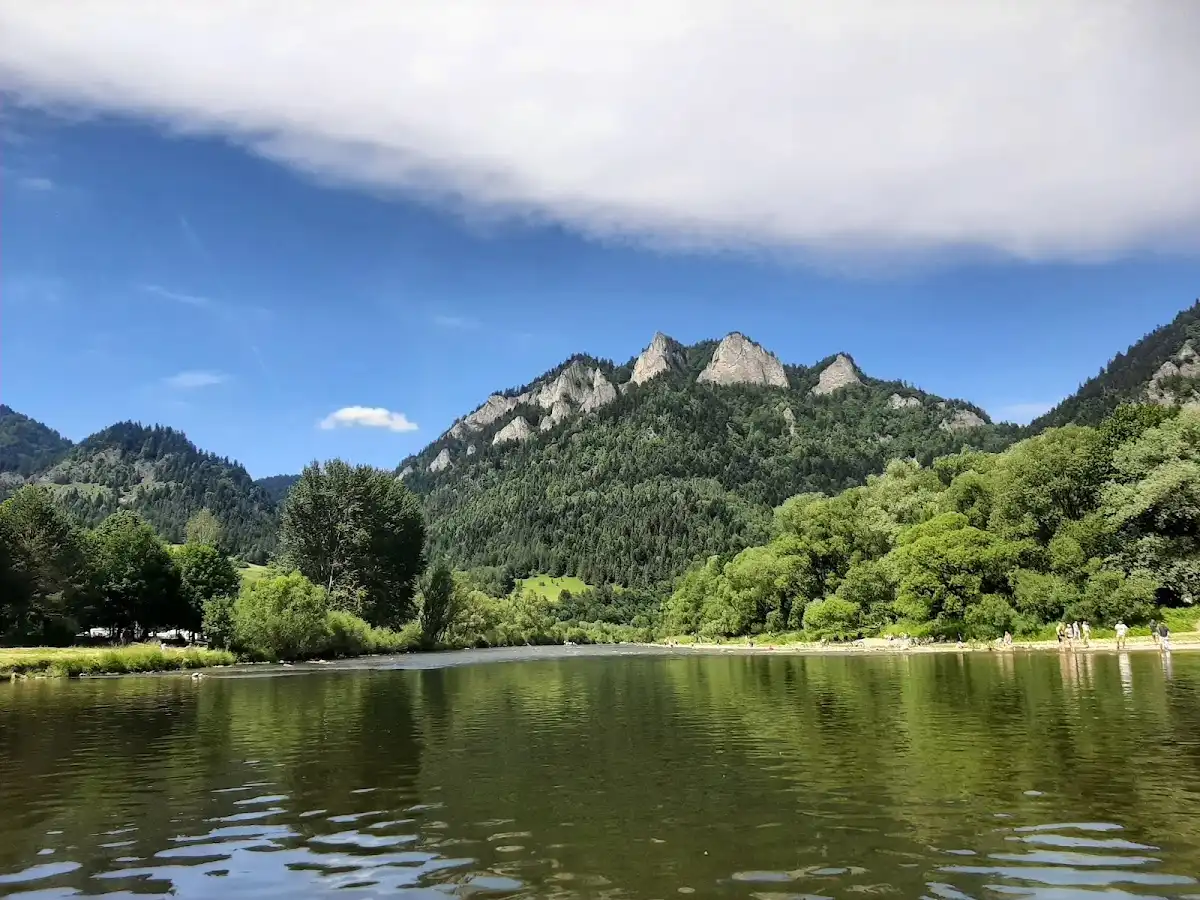
5 Pieniny National Park

Dunajec Gorge, limestone peaks, wooden rafts

Drift between steep cliffs on a traditional raft or hike panoramic ridges overlooking the winding river and jagged summits.

poland-national-park-pieniny-national-park
© Google |

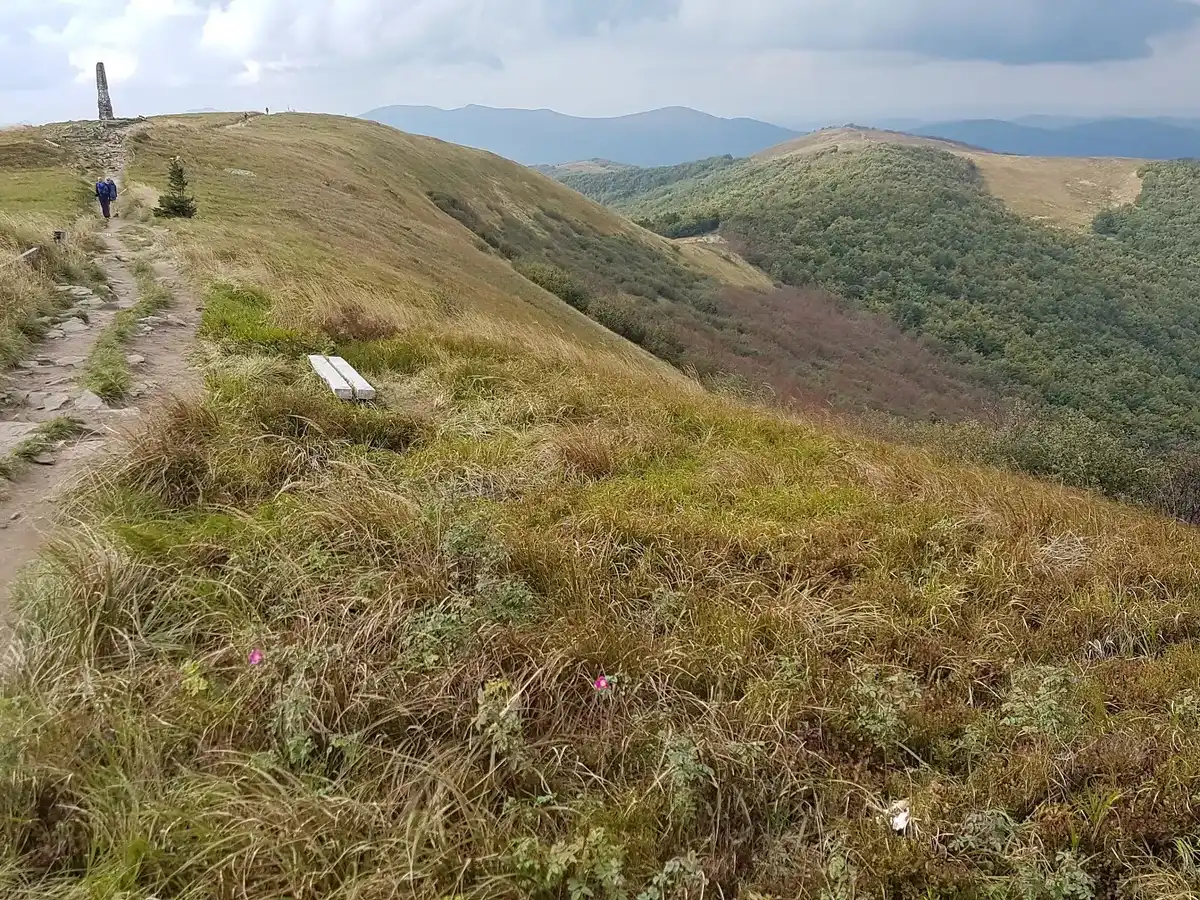
6 Bieszczady Mountains

rolling meadows, remote ridges, wooden churches

Hike quiet trails across open summits and discover wooden Orthodox churches scattered among the wild, sparsely populated hills.

poland-national-park-bieszczady-mountains
© Google | Tadeusz Pokorny

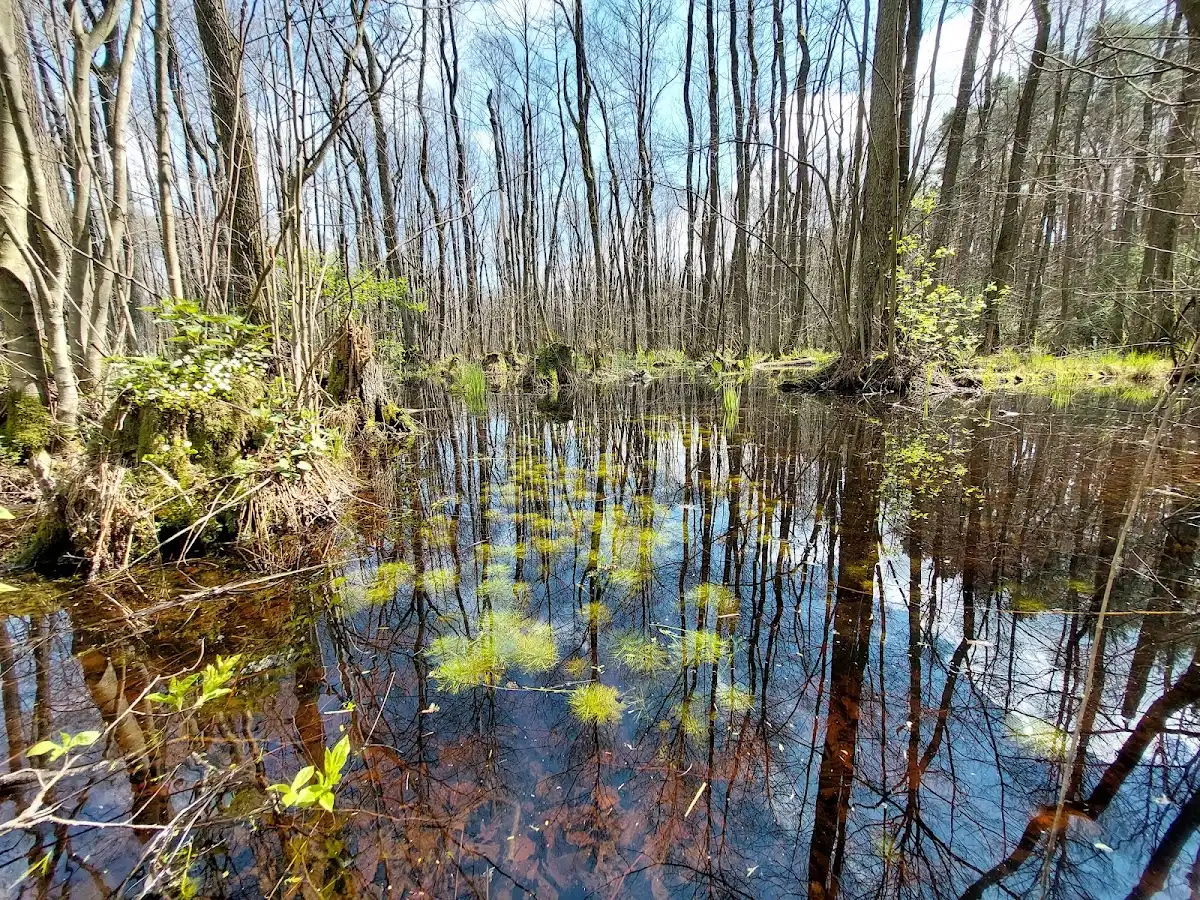
7 Kampinos National Park

sandy dunes, wetlands, near Warsaw

Escape the city for a landscape of shifting sands and marshes, where wildlife thrives just beyond the urban edge.

poland-national-park-kampinos-national-park
© Google |

8 Ojcowski National Park

limestone cliffs, caves, castle ruins

Wander through a compact valley dotted with caves and medieval ruins, framed by dramatic limestone outcrops and forested slopes.

poland-national-park-ojcowski-national-park
© Google | Justynababecka

9 Biebrza National Park

vast marshes, rare birds, peat bogs

Follow wooden walkways through endless wetlands, where elusive birds nest and mist rises from the largest marshes in Poland.

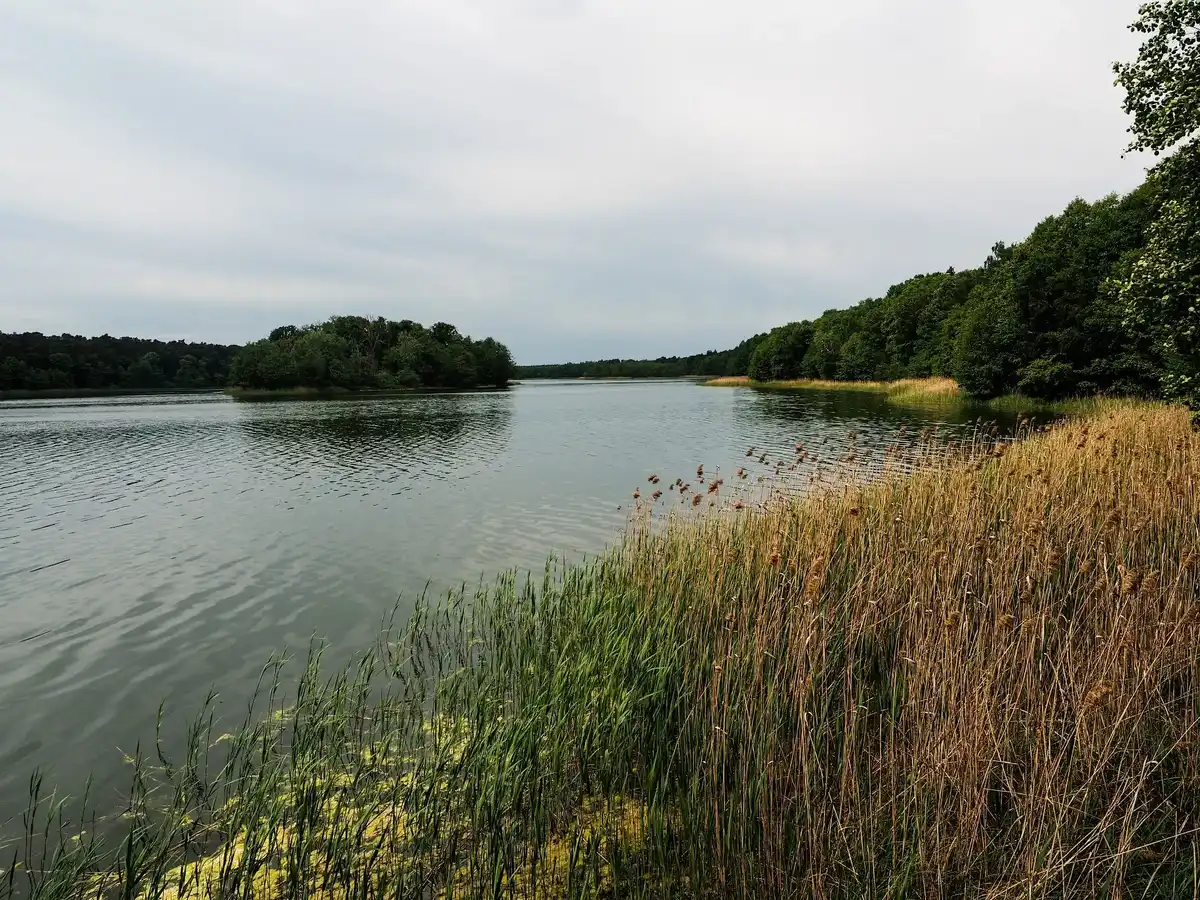
10 Wigry National Park

deep lakes, postglacial hills, monastery peninsula

Paddle across clear lakes and visit a historic monastery, surrounded by wooded hills and quiet waterside villages.

poland-national-park-wigry-national-park v1
© Google |

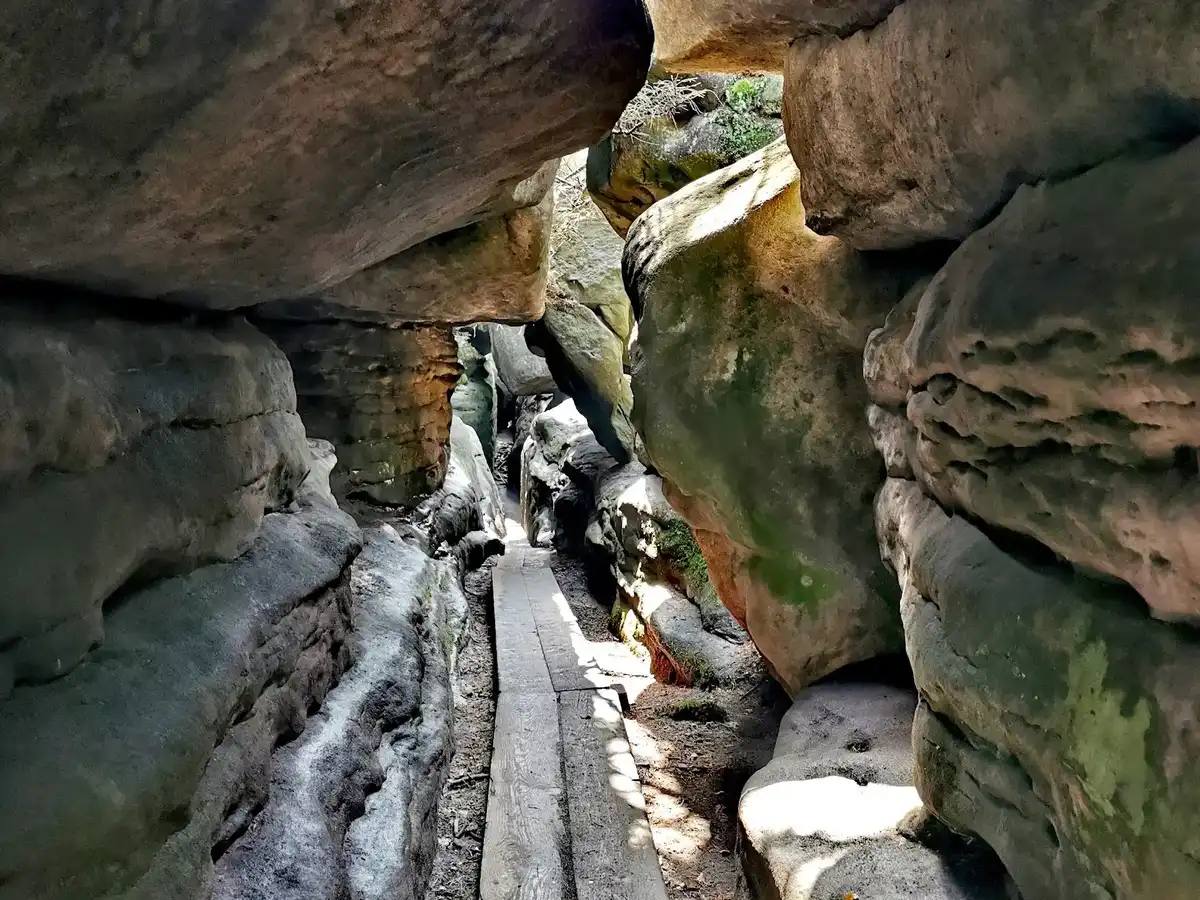
11 Góry Stołowe National Park

sandstone labyrinths, rock formations, table mountains

Navigate narrow crevices and climb flat-topped peaks shaped by wind and water into a maze of sculpted stone corridors.

poland-national-park-gory-stolowe-national-park
© Google | Marek Strojek

12 Roztocze National Park

rolling hills, beech woods, clear streams

Explore undulating terrain and tranquil forests, where clean streams cut through a patchwork of meadows and ancient trees.

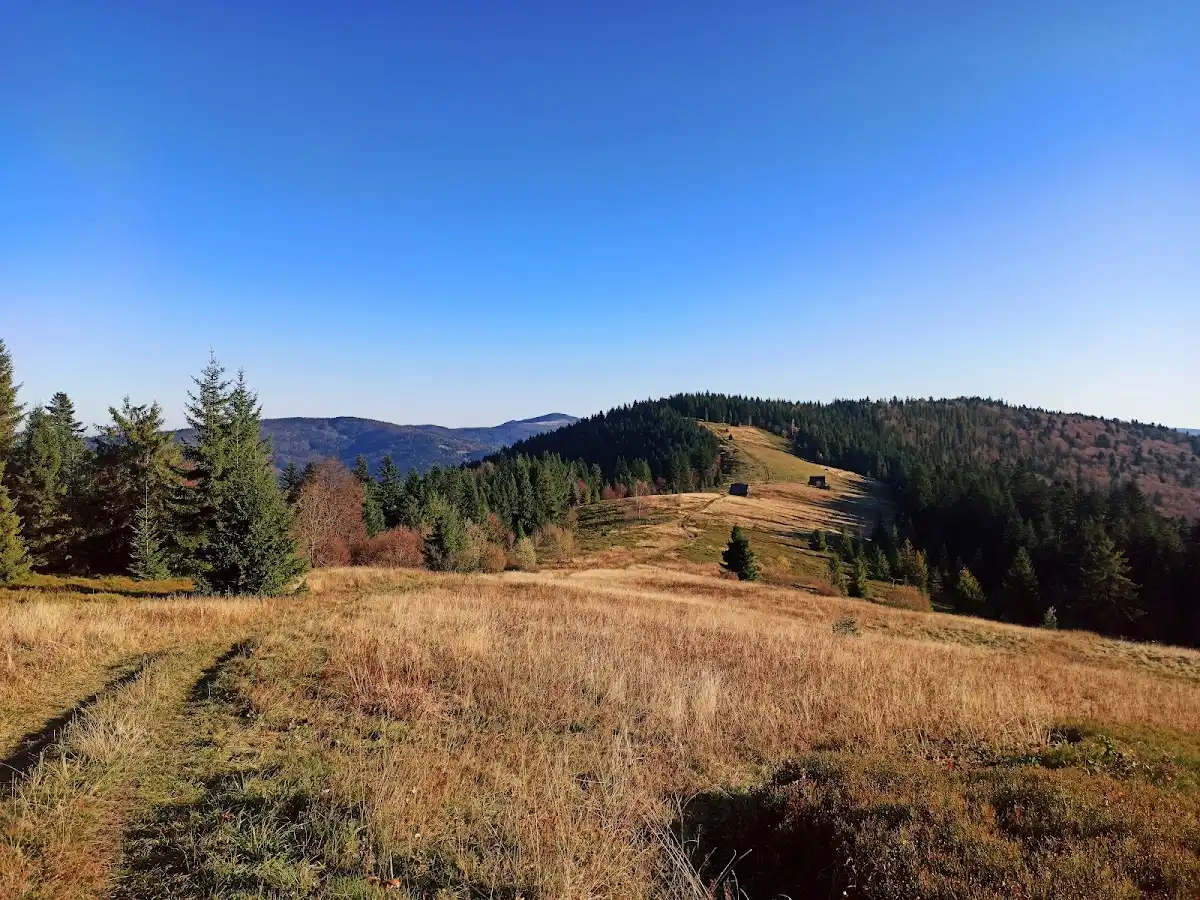
13 Gorce National Park

spruce forests, panoramic clearings, mountain pastures

Wander through dense woods and open glades, where shepherds’ huts dot the hills and views stretch to distant peaks.

poland-national-park-gorce-national-park
© Google |

14 Drawa National Park

winding rivers, pine forests, canoe routes

Navigate twisting waterways by canoe or hike through pine woods, discovering hidden lakes and peaceful riverbanks.

15 Narew National Park

braided river, marsh channels, wooden footbridges

Cross a maze of waterways on footbridges and observe the slow flow of a river that splits and rejoins across wide marshes.

16 Ujście Warty National Park

river delta, migratory birds, floodplain meadows

Watch flocks of waterfowl gather on seasonally flooded fields, where rivers meet and wetlands stretch to the horizon.

17 Polesie National Park

peat bogs, fen meadows, amphibian habitats

Traverse wooden boardwalks over wetlands teeming with frogs and dragonflies, where rare plants thrive in quiet isolation.

18 Świętokrzyski National Park

Holy Cross Mountains, stone runs, ancient forest

Climb low, rugged hills covered in old-growth woods and scattered with mysterious stone fields and centuries-old monasteries.

19 Wielkopolska National Park

postglacial lakes, oak forests, glacial hills

Cycle or walk through gentle woodlands and past quiet lakes, shaped by ancient glaciers and dotted with sandy hills.

poland-national-park-wielkopolska-national-park
© Google | Damian Marko

20 Magura National Park

Carpathian foothills, wildflower meadows, sandstone outcrops

Roam gentle slopes and open fields, where wildflowers bloom and sandstone rocks emerge from the forested Carpathian landscape.

Think you know Poland?

Prove you’re a true local — uncover 10 lesser-known national parks in Poland that locals tend to keep to themselves.
Loading the map 🌍

Expert viewWhat You Should Know

Terrain
Poland’s national parks offer a diverse range of terrains, from the sandy dunes of Słowiński to the rugged mountains of Tatra. Each park has its unique character shaped by geography. The Tatra National Park, for instance, features steep trails and alpine lakes that demand a solid level of fitness. In contrast, Białowieża National Park, with its ancient forests, invites you to stroll at a leisurely pace, absorbing the sights and sounds of one of Europe’s last primeval woodlands. This variety means you can tailor your experience based on your physical capabilities and interests. However, be prepared for the fact that some parks, like Tatra, can be crowded during peak seasons, which might detract from the solitude you seek.

Park Infrastructure
Infrastructure varies significantly across … read more 👉
Terrain
Poland’s national parks offer a diverse range of terrains, from the sandy dunes of Słowiński to the rugged mountains of Tatra. Each park has its unique character shaped by geography. The Tatra National Park, for instance, features steep trails and alpine lakes that demand a solid level of fitness. In contrast, Białowieża National Park, with its ancient forests, invites you to stroll at a leisurely pace, absorbing the sights and sounds of one of Europe’s last primeval woodlands. This variety means you can tailor your experience based on your physical capabilities and interests. However, be prepared for the fact that some parks, like Tatra, can be crowded during peak seasons, which might detract from the solitude you seek.

Park Infrastructure
Infrastructure varies significantly across the parks. Some, like Karkonosze, have well-marked trails and visitor centers equipped with amenities, making them accessible for families and casual hikers. Others, such as the lesser-known Wigry National Park, may have limited facilities, which can be a double-edged sword. Fewer amenities often mean fewer crowds, allowing for a more intimate experience with nature. However, this also requires better planning. Bring your own supplies and be ready for more rustic conditions. The trade-off here is between convenience and the chance to escape the tourist trail.

Wildlife Activity
Wildlife is a major draw in Poland’s national parks, but sightings can be hit or miss. Białowieża is famous for its European bison, but spotting one requires patience and a bit of luck. Early mornings or late afternoons are your best bets for wildlife activity, especially in quieter areas of the parks. If you’re keen on birdwatching, the marshes of Kampinos National Park are a haven, but again, timing is crucial. The trade-off lies in the need for flexibility in your schedule; if you’re only spending a day or two in a park, you might miss the best wildlife moments.

Time and Budget
Visiting multiple parks in Poland is feasible, but it requires careful planning. Aim for two to three parks if you want a well-rounded experience without feeling rushed. Each park typically warrants at least two days to explore adequately, factoring in travel time between them. Budget-wise, entrance fees are generally modest, but consider additional costs for transportation and accommodation. If you’re on a tighter budget, camping is an option in many parks, but be aware of the varying regulations and facilities. The trade-off here is between the richness of experience and the time you can allocate; rushing through parks can lead to missed opportunities.

Planning and Prioritizing
When prioritizing which parks to visit, consider your interests—whether it’s hiking, wildlife, or cultural experiences. Research the best seasons for each park; for instance, Tatra is stunning in summer but can be treacherous in winter. Local culture also plays a role; some parks are near villages with unique traditions and cuisines worth exploring. Be mindful of travel constraints, as public transport can be limited in rural areas. The trade-off is between convenience and the depth of experience; sometimes, a little extra effort can lead to richer encounters with both nature and local culture.

Safety and Cultural Considerations
Safety is generally not a major concern in Poland’s national parks, but always stay on marked trails and be aware of changing weather conditions, especially in mountainous areas. Respect local customs and wildlife regulations; for example, feeding animals is strictly prohibited. Engaging with local communities can enhance your experience, but approach it with respect and openness. The trade-off here is between adventure and caution; while spontaneity can lead to memorable experiences, being mindful of your surroundings ensures a safer journey.

✈️ The backpacker research shortcutPoland Travel Guide

An offline-friendly backpacking guide with optimized travel routes, ranked highlights, transport advice, and the best areas to stay.
example page 0 from our offline Travel Guide for Poland
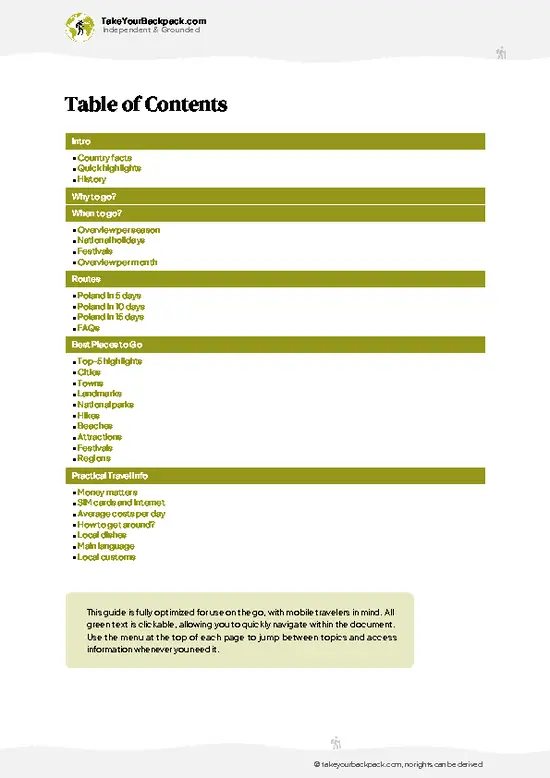
example page 1 from our offline Travel Guide for Poland
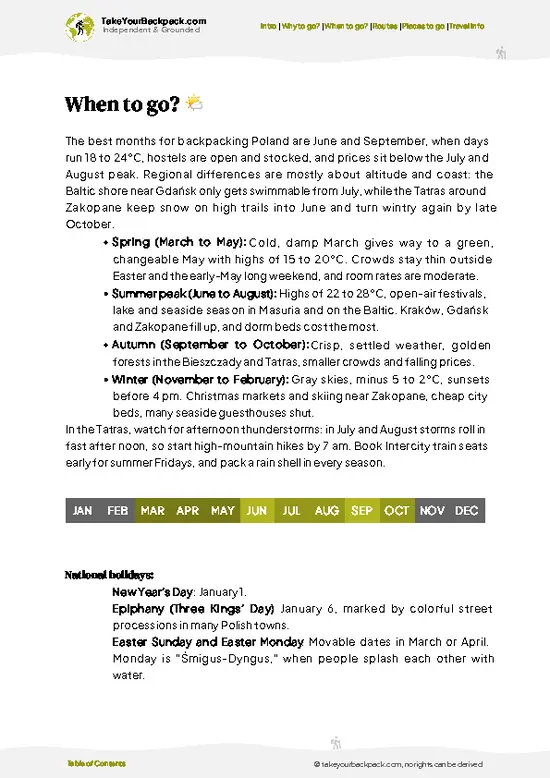
example page 2 from our offline Travel Guide for Poland
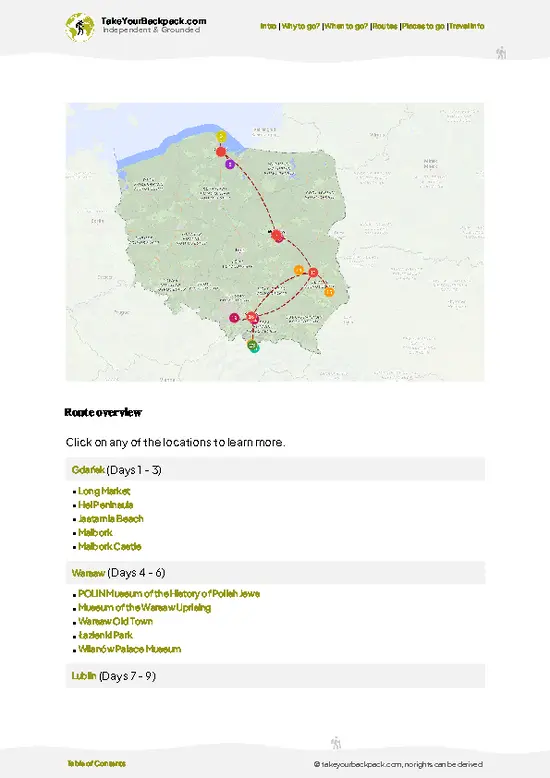
example page 3 from our offline Travel Guide for Poland
example page 4 from our offline Travel Guide for Poland
example page 5 from our offline Travel Guide for Poland
example page 6 from our offline Travel Guide for Poland
example page 7 from our offline Travel Guide for Poland
The digital guide (432 pages) contains:
116 highlights, ranked by travel appeal
Optimized 5, 10 & 15-day travel routes
Cities, national parks, landmarks, beaches
How to get around
Offline-friendly for travel without Wi-Fi
👉 Click to see all 30+ guide features

📅 Plan smarter in minutes, not weeks
Month by month travel advice
Festivals & national holidays
Budget expectations

🗺️ Go to the right places, skip the overrated ones
Honest pros & cons of destinations
Top hikes, parks & viewpoints
Lesser-known places most travelers miss
Clear “worth it vs skip it” guidance

🛏️ Travel smoothly without rookie mistakes
Best areas to stay
Transport systems explained simply
Common scams & safety advice
SIM cards, money & practical tips

🌍 Understand the country, not just visit it
Culture & traditions
52 Essential phrases & customs
Festivals worth planning around
Traveler-friendly historical context
Insights that make places more meaningful

📱 Built for real travel conditions
Fully downloadable PDF
Works completely offline
Optimized for phone use
Useful in remote areas & buses
Everything in one place
Save weeks of stressful planning
Get instant access to your full guide. 30‑day money-back guarantee.


By proceeding you agree to our terms.
Sent to your inbox immediately after payment • 100% Secure Checkout
Best Backpacking Travel Advisor 2025 tourism awardBest Backpacking
Travel Advisor
2025
What others say about Take Your Backpack Guides:
⭐⭐⭐⭐⭐
Fantastic, amazing amount of information!
⭐⭐⭐⭐⭐
My goodness this is amazing, it's what I've been looking for hats off too you!
⭐⭐⭐⭐⭐
I think this is absolutely BRILLIANT
⭐⭐⭐⭐
Very complete and informative. It's still missing places, but I gotta to commend you
⭐⭐⭐⭐⭐
This is truly amazing, thank you, can't wait to explore it with my kids!
⭐⭐⭐⭐⭐
Awesome resource, thank you!
⭐⭐⭐⭐⭐
This is amazing! Can't wait to explore the ones I haven't seen
⭐⭐⭐⭐
I love this! Well done, great idea.
⭐⭐⭐⭐⭐
Thanks for taking the time to make this gem!
⭐⭐⭐⭐⭐
This might be the best website I've ever seen.
⭐⭐⭐⭐⭐
Congratulations, and thank you so much for your work; it's incredibly valuable.
⭐⭐⭐⭐
In all seriousness I think you did a great job pointing out the important spots
⭐⭐⭐⭐⭐
10/10 very good
⭐⭐⭐⭐⭐
As someone who's only just starting to visit regularly this is awesome, thank you.
⭐⭐⭐⭐
Thank you very much! I'm going to visit my dad, it's going to be very useful!
⭐⭐⭐⭐⭐
This is really cool! We'll be travelling for the first time and this definitely come in handy.
⭐⭐⭐⭐⭐
You are now our minister of culture, congratulations 👨‍💼
⭐⭐⭐⭐⭐
Just wanted to tell you that this is a pearl! Going to follow your recommendations.
⭐⭐⭐⭐⭐
This is so cool. I'll definitely be using the resource for my travels soon.
⭐⭐⭐⭐⭐
This is very impressive! Good work.
⭐⭐⭐⭐⭐
This is an amazing and informative site. Very well done!

🛏️ Where to stay?Where to Base Yourself

Yes — hostels and budget accommodation are widespread across Poland, concentrated in city centres, near main train stations and in popular tourist towns; expect lower prices off‑season and sharp hikes in summer and around events.
In Warsaw look in Śródmieście for the easiest access to Old Town, museums and transport (convenient but busier and pricier), or Praga for cheaper, trendier spots with more nightlife but uneven street‑level safety after dark.
In Kraków choose Stare Miasto for walking distance to major sights and loud nights, or Kazimierz for bars and a lively scene; in Gdańsk/Sopot the Old Town/seaside areas give beach access at higher cost, while Wrzeszcz, Wrocław Rynek and Poznań read more 👉
Yes — hostels and budget accommodation are widespread across Poland, concentrated in city centres, near main train stations and in popular tourist towns; expect lower prices off‑season and sharp hikes in summer and around events.
In Warsaw look in Śródmieście for the easiest access to Old Town, museums and transport (convenient but busier and pricier), or Praga for cheaper, trendier spots with more nightlife but uneven street‑level safety after dark.
In Kraków choose Stare Miasto for walking distance to major sights and loud nights, or Kazimierz for bars and a lively scene; in Gdańsk/Sopot the Old Town/seaside areas give beach access at higher cost, while Wrzeszcz, Wrocław Rynek and Poznań Stary Rynek offer central, transport‑friendly bases that are convenient for trains but can be noisy.

If you enjoy meeting fellow travelers, consider choosing hostels with high ratings for atmosphere. On the other hand, if you prefer having your own space, a hotel might be a better option.

PolandExpand Your Journey

👋 Meet the founderWho’s Behind Take Your Backpack?

Johan, backpacker and founder of TakeYourBackpackHi, I’m Johan (Netherlands 🇳🇱), the creator of TakeYourBackpack. Over the past decade, I’ve backpacked through 80+ countries across six continents, gaining extensive experience with independent travel, long-term trips, and overland routes.

This site is built on a combination of firsthand travel experience and carefully curated insights from other backpackers. Many guides are based on places I’ve personally visited, while others bring together tips, observations, and practical advice shared by trusted travelers I’ve met along the way.

The goal is to provide realistic, experience-driven guidance — not generic itineraries — so you can explore destinations with better context, clearer expectations, and more confidence.

Get full Poland guide •
Instant download • 116 highlights • Full Offline guide