v2.webp)
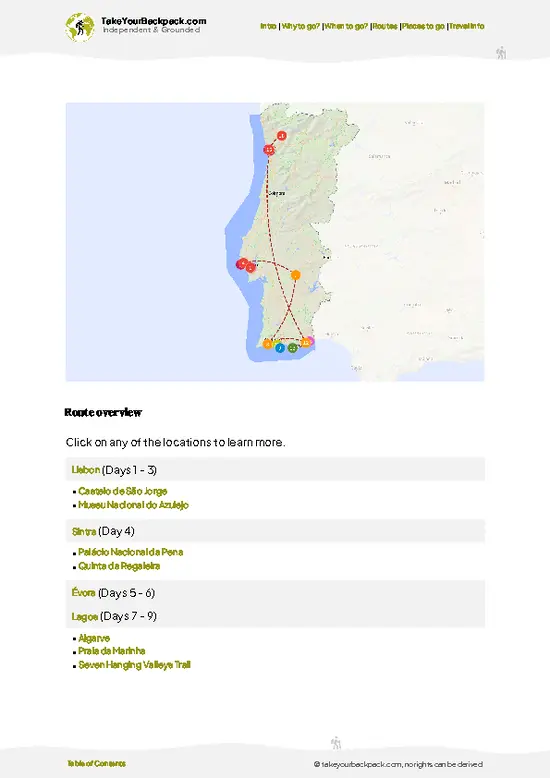
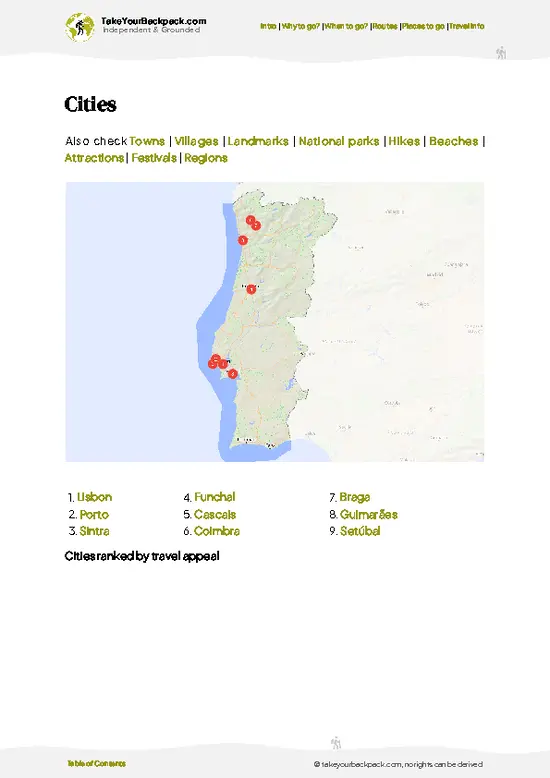
- Ponte de São Gonçalo — The town’s trademark arched stone bridge over the Tâmega; great for photos, riverside people-watching and the local legends around Saint Gonçalo that give Amarante its character.
- Igreja e Convento de São Gonçalo — Right beside the bridge, the convent-church complex is the spiritual heart of the town: baroque altarpieces, packed-with-history interiors and the place tied to the saint whose name crops up everywhere in Amarante.
- Museu Amadeo de Souza-Cardoso — Small but worthwhile museum dedicated to Amadeo, Amarante’s most famous modernist painter; good way to see how the town influenced his work and to catch rotating contemporary shows.
- Casa da Calçada (historic manor / Relais & Châteaux) — A centuries-old manor in the historic centre turned hotel and restaurant;
- Ponte de São Gonçalo — The town’s trademark arched stone bridge over the Tâmega; great for photos, riverside people-watching and the local legends around Saint Gonçalo that give Amarante its character.
- Igreja e Convento de São Gonçalo — Right beside the bridge, the convent-church complex is the spiritual heart of the town: baroque altarpieces, packed-with-history interiors and the place tied to the saint whose name crops up everywhere in Amarante.
- Museu Amadeo de Souza-Cardoso — Small but worthwhile museum dedicated to Amadeo, Amarante’s most famous modernist painter; good way to see how the town influenced his work and to catch rotating contemporary shows.
- Casa da Calçada (historic manor / Relais & Châteaux) — A centuries-old manor in the historic centre turned hotel and restaurant; you don’t have to stay to appreciate the carved stonework, cloistered feel and a chance to sit down for a proper Portuguese meal without tourist trappings.
- Ribeira do Tâmega (riverside promenade) — The riverside walk is how locals live: cafés, benches, fishermen and lazy sunsets. It’s the simplest way to soak up Amarante’s pace and watch the town unfold from the water’s edge.
- Teatro Ribeiro Conceição — Classic local theatre with an old-school auditorium and a steady programme of plays, concerts and events; checking what’s on is a good way to bump into real local culture rather than a postcard version.
- Historic centre and Praça (old town streets) — Narrow cobbled lanes, small squares and independent shops where bakeries, hardware stalls and tiny bars sit cheek-by-jowl. Wandering here is the best free activity: architecture, locals and the town’s rhythms all in one.
- Mercado Municipal de Amarante — The indoor municipal market where locals buy fruit, cheese and cured meats; excellent for cheap, fresh snacks, a coffee and authentic people-watching in the morning.
- Confectioneries and the São Gonçalo sweet tradition — Try the town’s famous convent-inspired sweets (often sold at local pastelarias) — a tasty, very local food story that connects religion, festivals and home cooking in Amarante.
- Old Railway Station (Estação de Amarante) — The historic station building and its immediate area make a pleasant spot to see old-line architecture, start a riverside walk or spot occasional cultural uses of the space; it’s a nice offbeat corner of the town.
Spotted a mistake or missing something? Contact us.

Douro Valley: Historical Sites, Wine Experience, Lunch & Cruise

Douro Valley Small Group Tour from Porto: Wineries Lunch & Cruise

Douro Valley Tour - 3 Wine tastings, Lunch & river Cruise

Douro Valley Prime Tour: Tastings, Private Boat & Lunch f/ Porto

Douro Valley Small-Group Tour: Two Winery, Lunch & Boat Trip

Douro Valley Wine Tour with Amarante: 2 Wineries, Lunch & Cruise

Douro Valley Wine Tour with Lunch & Wine Tastings from Porto

Douro Valley: private tour with lunch and wine estate all inclusive

Douro Valley & Amarante Wine, Food & Boat Tour from Porto


 Best Backpacking
.jpg) Hi, I’m Johan (Netherlands 🇳🇱), the creator of TakeYourBackpack. Over the past 3 decades, I’ve backpacked through 90+ countries across six continents, gaining extensive experience with independent travel, long-term trips, and overland routes.
Hi, I’m Johan (Netherlands 🇳🇱), the creator of TakeYourBackpack. Over the past 3 decades, I’ve backpacked through 90+ countries across six continents, gaining extensive experience with independent travel, long-term trips, and overland routes.