v2.webp)
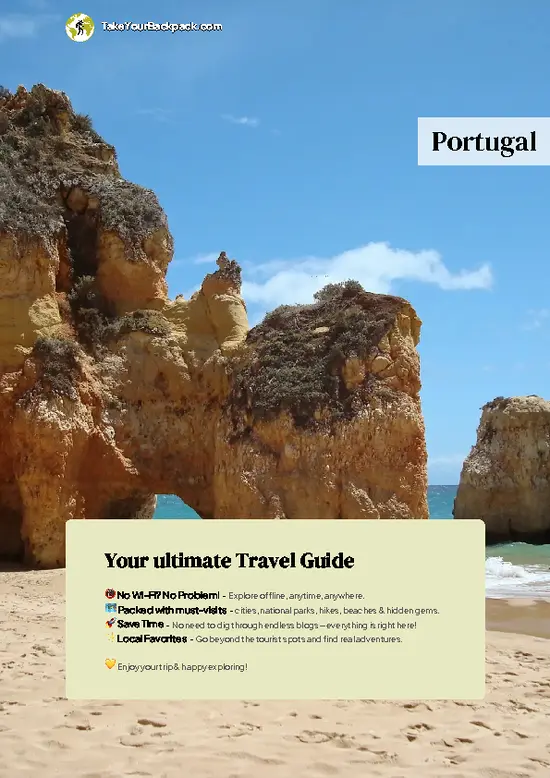
- Aqueduto de Vila do Conde — A striking line of stone arches that slices through the town; built to supply the old convent, it’s a tangible piece of engineering history you can walk up to, photograph, and use as a landmark to explore the surrounding old streets.
- Convento de Santa Clara — A quiet, atmospheric convent complex with cloisters and ecclesiastical architecture that tells the story of religious and social life here; parts of the complex host exhibitions and give context to the aqueduct that fed it.
- Nau Quinhentista (replica 16th-century ship) — A hands-on nod to Vila do Conde’s seafaring past: a large replica caravel moored on the Ave that you can visit to imagine Portugal’s Age of Discovery without leaving town.
- Museu do Papel (Paper Museum) — Housed in an old paper mill, this
- Aqueduto de Vila do Conde — A striking line of stone arches that slices through the town; built to supply the old convent, it’s a tangible piece of engineering history you can walk up to, photograph, and use as a landmark to explore the surrounding old streets.
- Convento de Santa Clara — A quiet, atmospheric convent complex with cloisters and ecclesiastical architecture that tells the story of religious and social life here; parts of the complex host exhibitions and give context to the aqueduct that fed it.
- Nau Quinhentista (replica 16th-century ship) — A hands-on nod to Vila do Conde’s seafaring past: a large replica caravel moored on the Ave that you can visit to imagine Portugal’s Age of Discovery without leaving town.
- Museu do Papel (Paper Museum) — Housed in an old paper mill, this museum lets you see traditional paper-making machinery and demonstrations; it’s a neat, tactile way to understand a local industry that shaped daily life.
- Forte de Nossa Senhora da Assunção (river-mouth fort) — The small coastal fortress guarding the Ave’s mouth is a compact, visitable piece of military architecture with salty views of the river and ocean — great for late-afternoon light and photos.
- Praia de Vila do Conde and the boardwalk — Wide sands, dunes and a pleasant wooden promenade make this a proper seaside stretch for swimming, long walks, people-watching and sunset sessions — the beach animates the town in summer and off-season alike.
- Igreja Matriz (Igreja de São João Baptista) — The town’s main parish church with decorative interiors and historical gravitas; pop in for tiles, altarpieces and a sense of local religious tradition layered over centuries.
- Mercado Municipal / Mercado de Peixe — Early-morning fish stalls and a lively municipal market are the best way to see local food culture in action; show up before lunch for the freshest catches and authentic hustle.
- Historic centre and Praça do Infante — Narrow lanes, traditional shops and the main square give you the human scale of Vila do Conde: cafés, civic buildings and small museums are all within a compact, walkable grid that rewards slow wandering.
- Old shipyards and maritime workshops — The working waterfront and remnants of traditional estaleiros (shipyards) are where you can still glimpse wooden-boat building and local maritime crafts — not a polished attraction, but a real slice of living heritage.
Spotted a mistake or missing something? Contact us.

Porto: Exclusive Tour in a Vintage VW Kombi with an Open Roof

Best of Douro Valley Wine Full Day Private Tour

Indoor Skydiving Porto - Maia

Transfer Taxi Service Porto , Gaia , Airport , Train , Bus , Ship

Porto Airport Private Arrival or Departure Transfer Service

Green Wine and Villa do Conde Private Tour from Porto

Porto Airport Transfer: Private Meet & Greet, Flight Tracked

Arrival by Private Minivan from Porto Airport OPO to Porto City


 Best Backpacking
.jpg) Hi, I’m Johan (Netherlands 🇳🇱), the creator of TakeYourBackpack. Over the past 3 decades, I’ve backpacked through 90+ countries across six continents, gaining extensive experience with independent travel, long-term trips, and overland routes.
Hi, I’m Johan (Netherlands 🇳🇱), the creator of TakeYourBackpack. Over the past 3 decades, I’ve backpacked through 90+ countries across six continents, gaining extensive experience with independent travel, long-term trips, and overland routes.