
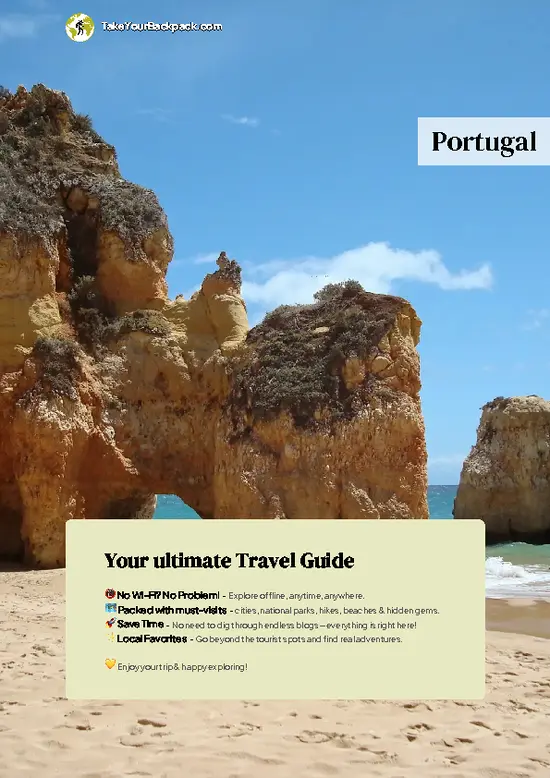
- Castelo de Guimarães (Guimarães Castle) — The symbol of the nation’s beginnings: a compact medieval fortress you can clamber around, imagine sieges, and get views over the old town from the ramparts.
- Paço dos Duques de Bragança (Dukes of Braganza Palace) — A re-created 15th-century ducal residence filled with period furniture, armor and tapestries; great for seeing how the elite lived and for its atmospheric stone courtyards.
- Centro Histórico de Guimarães (Historic Centre, UNESCO) — A living medieval neighborhood of narrow lanes, squares and civic architecture; best experienced by wandering (not rushing) to absorb the street life, tile-work and small shops.
- Largo da Oliveira & Igreja de Nossa Senhora da Oliveira — The heart of the old town: a small plaza centered on an ancient olive tree,
- Castelo de Guimarães (Guimarães Castle) — The symbol of the nation’s beginnings: a compact medieval fortress you can clamber around, imagine sieges, and get views over the old town from the ramparts.
- Paço dos Duques de Bragança (Dukes of Braganza Palace) — A re-created 15th-century ducal residence filled with period furniture, armor and tapestries; great for seeing how the elite lived and for its atmospheric stone courtyards.
- Centro Histórico de Guimarães (Historic Centre, UNESCO) — A living medieval neighborhood of narrow lanes, squares and civic architecture; best experienced by wandering (not rushing) to absorb the street life, tile-work and small shops.
- Largo da Oliveira & Igreja de Nossa Senhora da Oliveira — The heart of the old town: a small plaza centered on an ancient olive tree, flanked by cafés and a church whose interior and cloister tell local religious and civic stories.
- Rua de Santa Maria — One of Portugal’s most intact medieval streets, full of timber-framed houses, quirky craft shops and low-key restaurants; perfect for mood-rich photos and slow exploration.
- Museu de Alberto Sampaio — Housed in a former collegiate church next to the palace, this compact museum has fine religious art and gilded altarpieces that reveal the region’s medieval devotional life.
- Museu Martins Sarmento — The archaeology and ethnography museum where local artifacts (from prehistoric to medieval) ground the story of the region—solid context if you care about how people actually lived here.
- Domus — Casa da Memória de Guimarães — A small, interactive local-history museum with photos, recordings and displays that make the city’s 19th-20th-century social life feel immediate and personal.
- Centro Cultural Vila Flor — Modern cultural center with rotating exhibitions, theatre and a pleasant park; climb the steps or rooftop for a different, less-touristy view over the town and castle.
- Capela de São Miguel do Castelo (Chapel of Saint Michael) — A tiny Romanesque chapel tucked by the castle: quiet, centuries-old stonework and an intimate atmosphere that connects directly to the origin myths of Portugal.
Spotted a mistake or missing something? Contact us.

Best of Braga and Guimaraes Day Trip from Porto

Small Group Braga & Guimarães with Pick up & Drop off

From Porto: Braga & Guimarães Full-Day Tour with Lunch

Minho Tour Private (Braga and Guimarães) Full Day

Cultural Route - Braga & Guimarães - Private - from Porto

Guimarães Half-Day Tour from Porto: Birthplace of Portugal

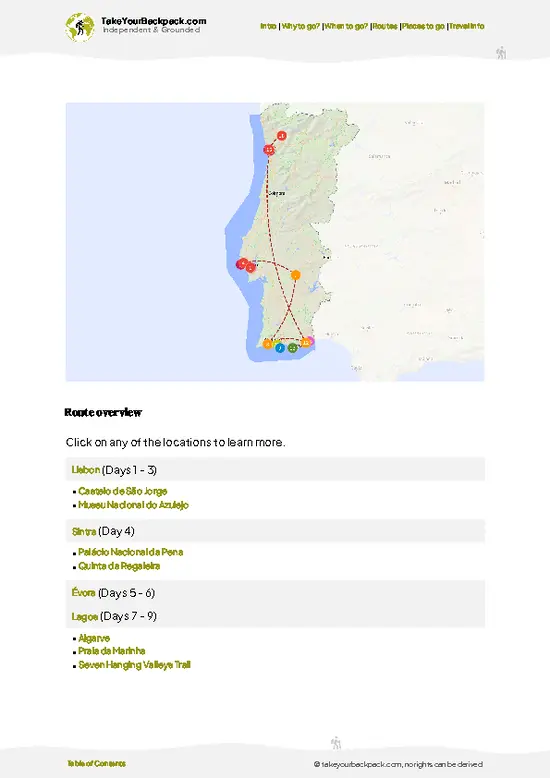
8 days traveling in Portugal - Porto, Coimbra, Lisbon

Guimarães: Half Day Private Tour from Porto

Tour- Guimarães and/or Braga

 Best Backpacking

 Hi, I’m Johan (Netherlands 🇳🇱), the creator of TakeYourBackpack. Over the past 3 decades, I’ve backpacked through 90+ countries across six continents, gaining extensive experience with independent travel, long-term trips, and overland routes.