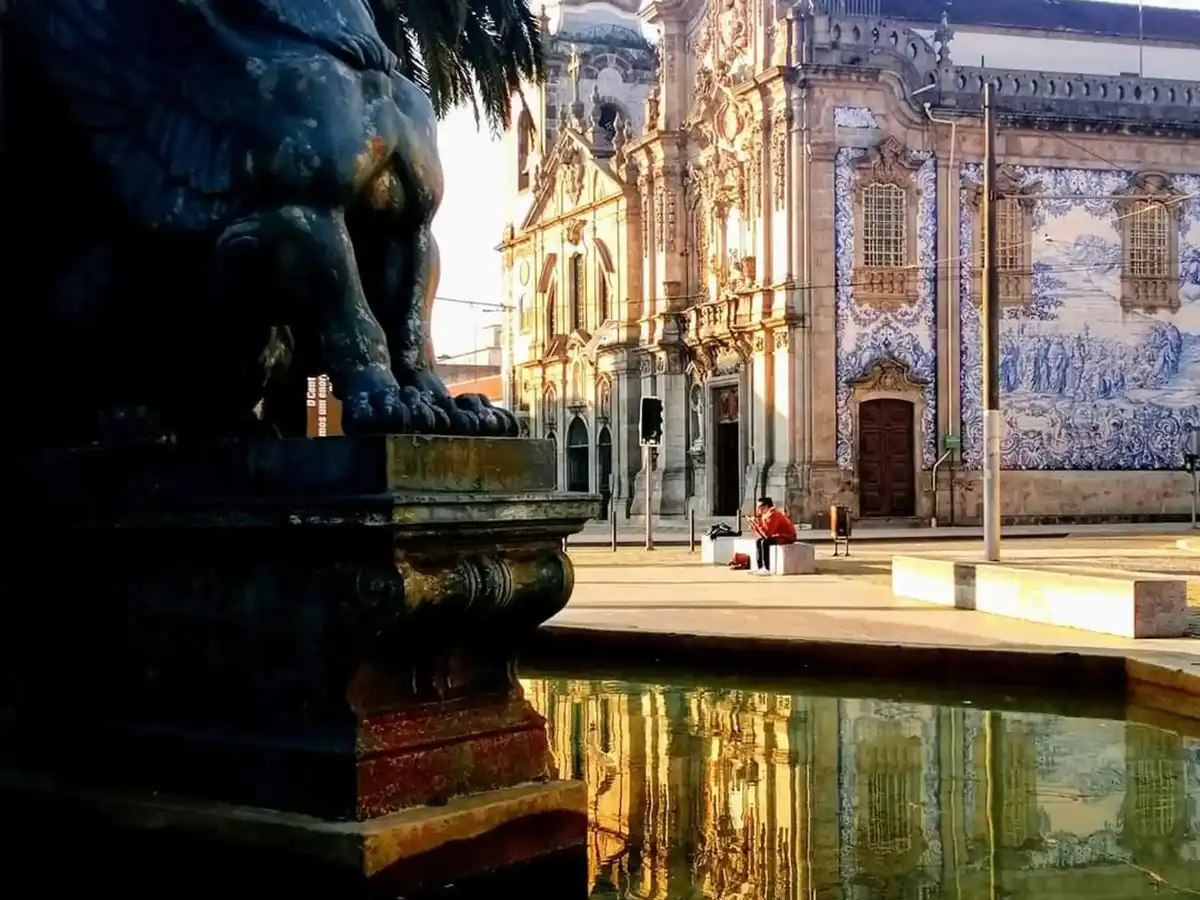
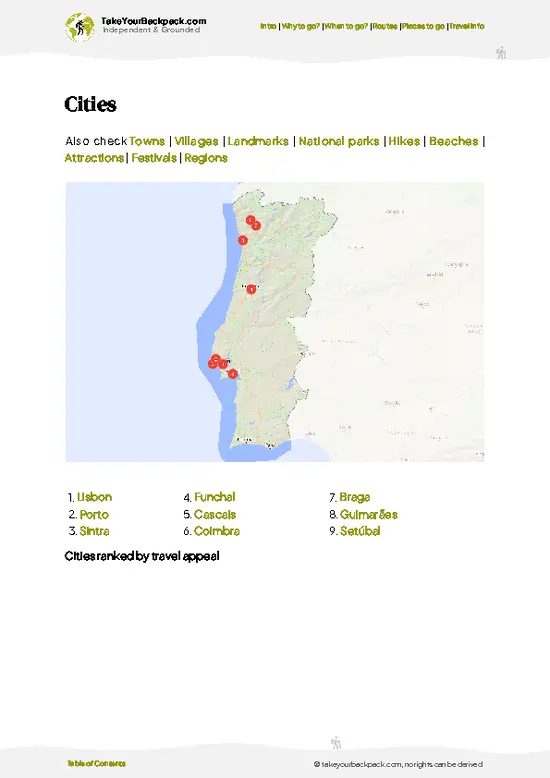
How many cities to visit: Three to five cities is the right number for most trips to Portugal, and four is my usual advice for two weeks. The country is small, but cities here are built on hills, cobbles and tram lines, so a single day on foot can mean 15,000 steps of climbing. Every extra stop costs half a day in stations and check-outs, and that is time you do not spend sitting on a terrace while the afternoon light turns the limestone pavement from white to honey. Under three nights in a place and you only see the postcard.
Choosing between kinds of cities: Portugal offers three broad types, and the choice follows how you travel. Big coastal capitals suit first-timers: they have the best hostels, the widest nightlife and the easiest airport links, but they also carry the crowds, the tuk-tuk …
read more 👉 How many cities to visit: Three to five cities is the right number for most trips to Portugal, and four is my usual advice for two weeks. The country is small, but cities here are built on hills, cobbles and tram lines, so a single day on foot can mean 15,000 steps of climbing. Every extra stop costs half a day in stations and check-outs, and that is time you do not spend sitting on a terrace while the afternoon light turns the limestone pavement from white to honey. Under three nights in a place and you only see the postcard.
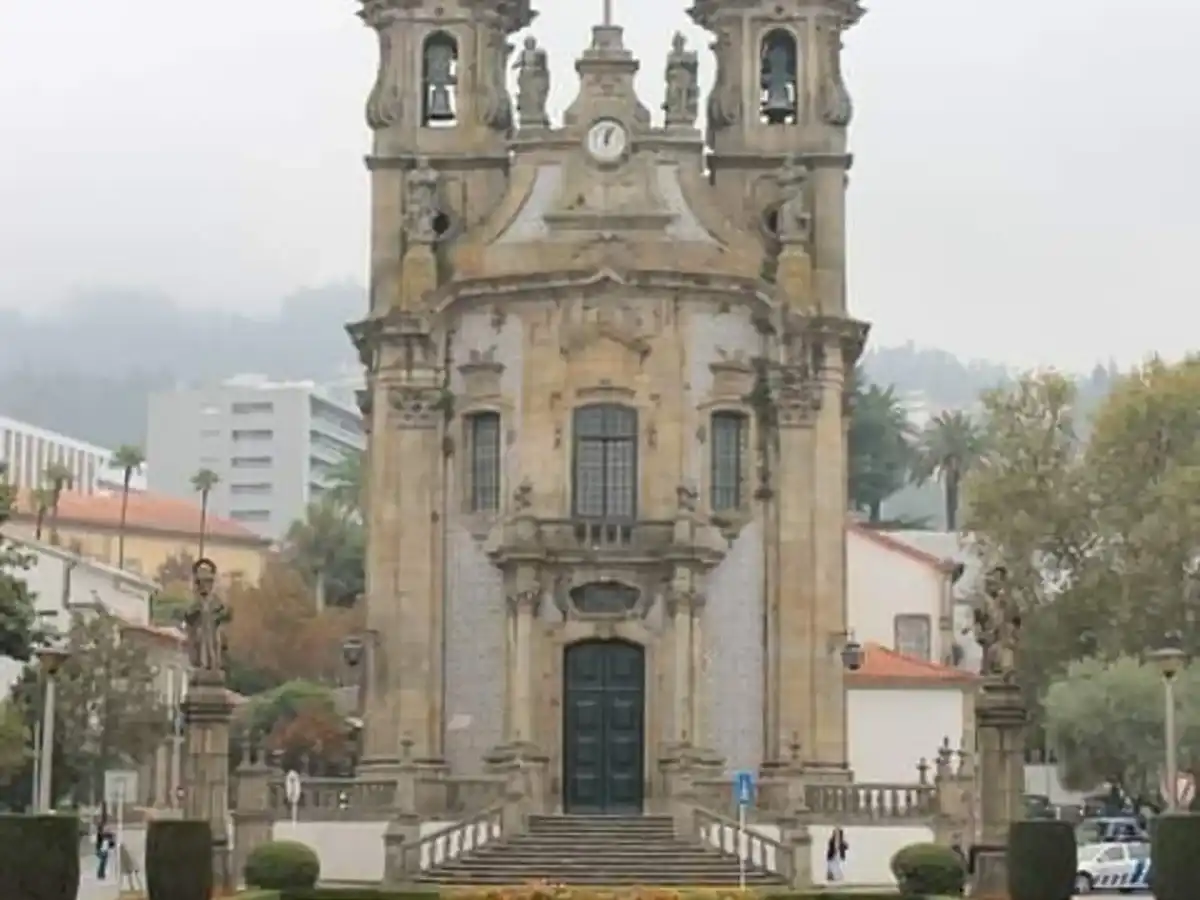
Choosing between kinds of cities: Portugal offers three broad types, and the choice follows how you travel. Big coastal capitals suit first-timers: they have the best hostels, the widest nightlife and the easiest airport links, but they also carry the crowds, the tuk-tuk touts and the highest prices. Northern
university and granite cities suit anyone on a tight budget or after a quieter, more local pace, with cheaper beds, steaming bowls of caldo verde and students filling the cafés. Small
walled towns and inland historic centers suit slow travelers with a rental car or patience for infrequent buses. If you have only a week, pick one large city and one smaller one rather than three of the same type.
What it costs: Plan on roughly €45 to 70 a day in the low season and €65 to 100 in summer, when dorm prices in the main tourist cities climb sharply. Dorm beds run about €18 to 40 a night depending on the city and month. A coffee at the counter is around €0.80 to 1.50, a pastry €1.20 to 2, and a prato do dia lunch at a local tasca is typically €8 to 12. Skip the terraces on main squares, where the same meal can double.
Per visit, budget for entry fees: major monasteries and castles charge about €6 to 18, many museums €5 to 12, and some have free first Sundays for residents only, so check. Tram and metro day passes cost around €6 to 11. Walking tours run on tips, usually €10 to 15 each, while a licensed guide for a private half day is €100 to 180. Intercity trains and buses between cities are mostly €10 to 30 one way, with booking ahead saving money on the fast Alfa Pendular and Intercidades services.
Safety and local etiquette: Portugal is among the safest countries in Europe, and violent crime against travelers is rare. The real risk is pickpocketing on crowded trams, in metro stations and around viewpoints, so keep phones out of back pockets. Cobbles turn glassy after rain, and worn sneakers with smooth soles cause more injuries than any criminal. Street-corner offers of drugs are common in popular nightlife districts; decline and keep walking.
On culture, greet staff with a bom dia or boa tarde, and expect lunch from 12:30 to 3 and dinner after 7:30. Restaurants often place bread, olives and cheese on your table, and you pay only for what you touch. Tipping is modest: rounding up or 5 to 10 percent is plenty. Many smaller museums and shops close on Mondays, and churches may ask for covered shoulders. In August and on Sundays, some family-run places close entirely, so keep a backup.




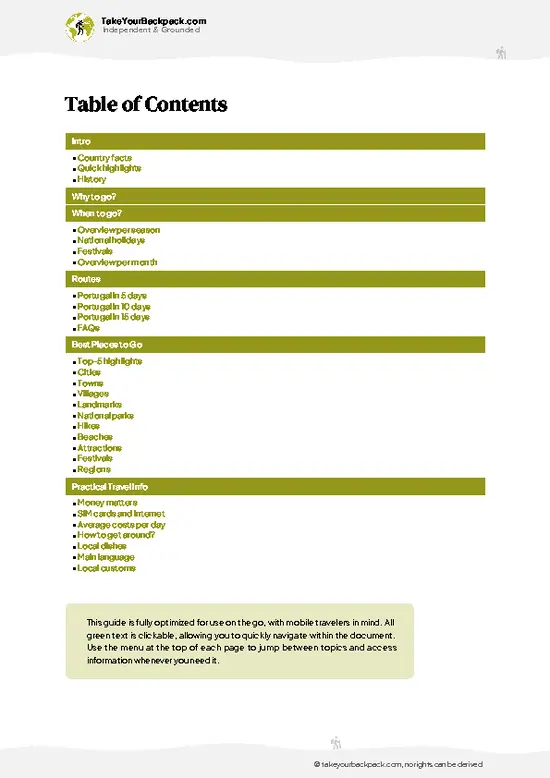
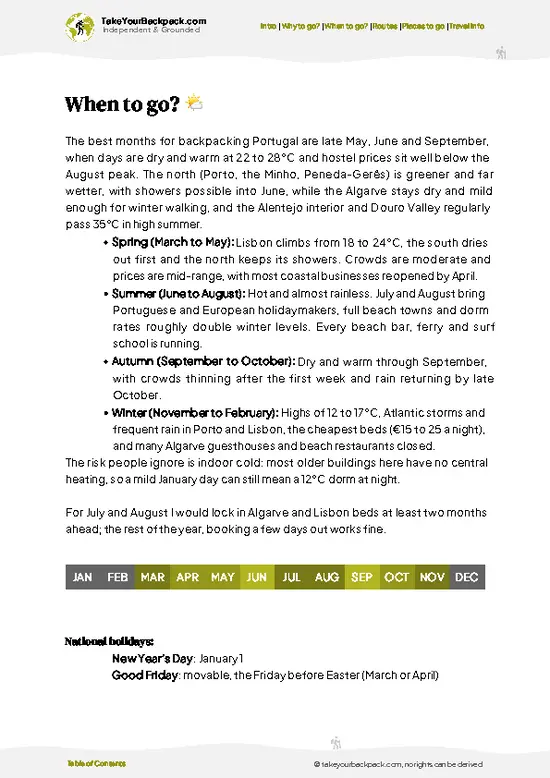
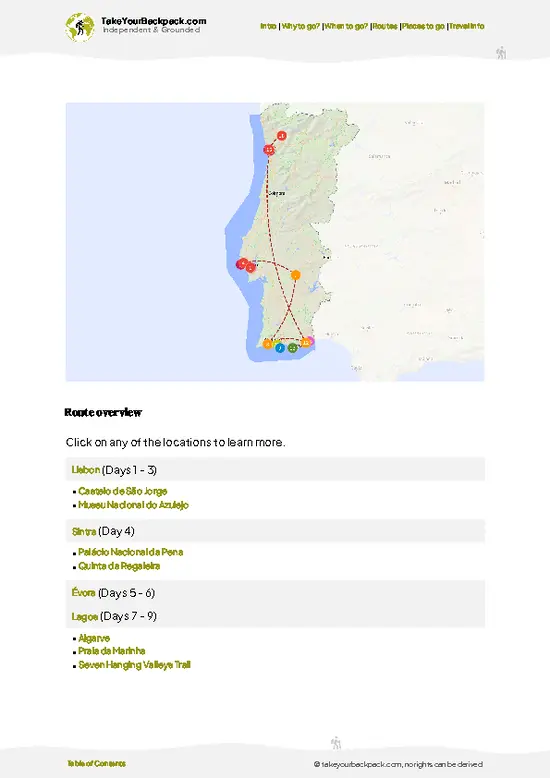
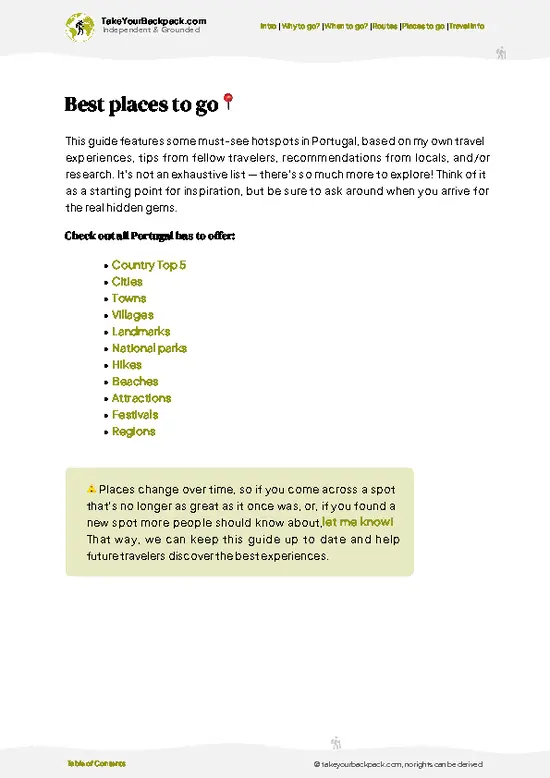
 Best Backpacking
 Hi, I’m Johan (Netherlands 🇳🇱), the creator of TakeYourBackpack. Over the past 3 decades, I’ve backpacked through 90+ countries across six continents, gaining extensive experience with independent travel, long-term trips, and overland routes.