
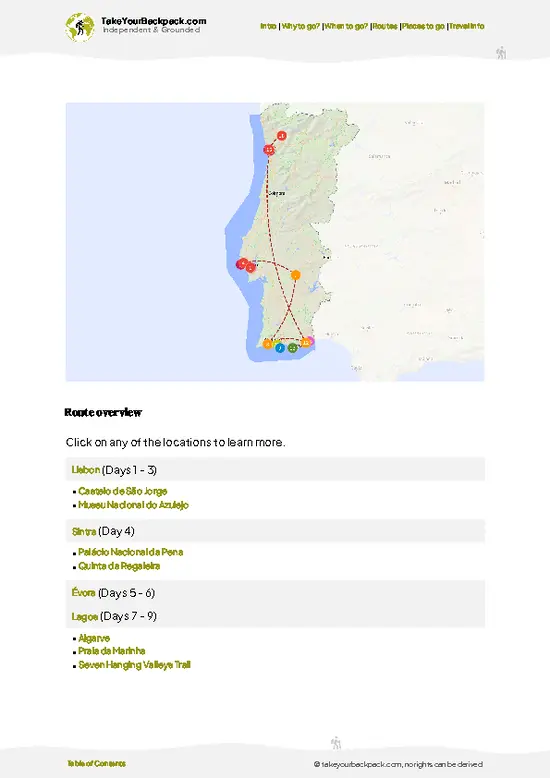
- Mercado do Livramento — One of Portugal’s liveliest markets: brilliant seafood stalls, florists and old tiled panels (azulejos). It’s the best place to feel Setúbal’s food culture and grab fresh fish or a quick petisco among locals.
- Convento de Jesus / Museu de Setúbal — A late-Gothic/Manueline convent that now houses the city museum; notable for its chapel, funerary art and regional collections that tell Setúbal’s history from medieval times to modern trade.
- Forte de São Filipe — The hilltop 16th-17th century fort with cannons and seriously good panoramic views over Setúbal, the Sado estuary and Tróia. Great for sunset photos and to sense the city’s strategic maritime past.
- Sado Estuary & dolphin-watching departures — The estuary is home to a resident bottlenose dolphin population; multiple
- Mercado do Livramento — One of Portugal’s liveliest markets: brilliant seafood stalls, florists and old tiled panels (azulejos). It’s the best place to feel Setúbal’s food culture and grab fresh fish or a quick petisco among locals.
- Convento de Jesus / Museu de Setúbal — A late-Gothic/Manueline convent that now houses the city museum; notable for its chapel, funerary art and regional collections that tell Setúbal’s history from medieval times to modern trade.
- Forte de São Filipe — The hilltop 16th-17th century fort with cannons and seriously good panoramic views over Setúbal, the Sado estuary and Tróia. Great for sunset photos and to sense the city’s strategic maritime past.
- Sado Estuary & dolphin-watching departures — The estuary is home to a resident bottlenose dolphin population; multiple small-boat operators leave from Setúbal’s harbor so you can see wildlife and coastal landscapes without leaving the city limits.
- Teatro Luísa Todi — Historic theatre named after Setúbal’s famous 18th-century singer; beautiful façade and a real cultural hub — check the program and you might catch a concert, play or dance show in a proper local venue.
- Parque Urbano de Albarquel — A wide riverside park with shaded paths, picnic spots and views of the estuary. It’s a relaxed escape inside the city where families, walkers and birdwatchers mix — bring sneakers and snacks.
- Museu do Trabalho Michel Giacometti — Housed in an old industrial building, this museum documents the region’s working life: canning, fishing, salt and cork. It’s an honest, hands-on look at what powered Setúbal for generations.
- Praça do Bocage and the old town — The city’s central square honoring poet Bocage anchors a maze of narrow streets full of cafés, pastelarias and small shops. Wander here for atmosphere, street art and a real sense of local daily life.
- Casa da Baía (Sado Estuary Interpretation Centre) — A compact, informative centre near the waterfront that explains the estuary’s ecology, fisheries and dolphin population — useful context before a boat trip and easy to visit on foot.
- Setúbal waterfront and seafood restaurants — The working quayside and adjacent promenades are where you eat the city: simple seafood spots, grilled fish and marisqueiras (shellfish restaurants) with views of the harbor — a must for food-focused visitors.
Spotted a mistake or missing something? Contact us.

Arrábida: Guided Transparent Kayaking Tour

Half Day Megaliths Cromlech Tour from Evora by Archaeologists

Lisbon Getaway: Private Arrábida Wine & Food Tour

Boat Tour - Arrábida Coves

Sesimbra Caves and Snorkel Boat Tour with Local Guide

Canoeing Portinho Arrábida

Setúbal, Arrábida & Sesimbra Day Trip – Hidden Gems Near Lisbon

Private Tour of Azeitão / Palmela / Setúbal Wines

Horseback Riding near Lisbon — Sand Dunes of Praia do Meco


 Best Backpacking

 Hi, I’m Johan (Netherlands 🇳🇱), the creator of TakeYourBackpack. Over the past 3 decades, I’ve backpacked through 90+ countries across six continents, gaining extensive experience with independent travel, long-term trips, and overland routes.