×

Portugal🇵🇹 | citiesSintrapalaces, misty forests, Moorish castle | things to do and best time to go

Explore PortoExplore Braga

Backpacking in Sintra
🌟 Highlightcity ranked #3
By Johan Kruseman 🇳🇱 | Updated September 4, 2026

Most people arrive in Sintra expecting a quiet fairy-tale village and are shocked to find tour buses, selfie sticks, and ticket queues. The truth: Sintra is gorgeous, but it’s a busy day-trip machine, especially around the palaces. It sits in the hills just northwest of Lisbon, a short, cheap train ride from the capital, where the air turns cooler and smells like wet stone and eucalyptus after even a light drizzle.

For backpackers, Sintra works best as a strategic stop or 1–2 night base, not a long-term hangout. The old center is compact and walkable, but the real draws sprawl across the hills, so you’ll lean on local buses, rideshares, or long uphill walks. It’s more romantic-couple and family energy than hostel-party; you’ll find some hostels and cafés, but the social scene is softer than Lisbon or Cascais. Costs spike around the main sights, and petty theft can happen in crowds, yet it still feels calmer and more storybook than the coast, if also more overtly touristic.

Discover everything you want to know in the 📖 Portugal Travel Guide.


Get your Portugal guide
88 ranked highlights, routes & tips, works offline (369 pages)
Loading the map 🌍
CLICK TO FILTER
cities
towns
villages
landmarks
national parks
hikes
beaches
attractions
festivals
regions
SHOW COUNTRY’S BESTSHOW ALL

✨ Why go?
Ranked #3 city in Portugal
What sets this place apart

Sintra draws backpackers for its convenience as a base for exploring both hikes and cultural sites. Nestled in the lush hills, it’s a gateway to trails that wind through forests and lead to breathtaking views. The climate is mild, making it perfect for daytime adventures, while the evenings invite you to stroll its cobblestone streets.

Accommodations range from cozy hostels to charming guesthouses, fostering a friendly social atmosphere. You’ll find fellow travelers sharing stories over a plate of local cuisine, like the famous travesseiros pastries. This town is ideal for slow travelers and solo adventurers who appreciate a laid-back vibe.

While many come for a quick stop, drawn by its proximity to Lisbon and the beaches of Cascais, those who linger a few days discover the depth of its … read more 👉
Sintra draws backpackers for its convenience as a base for exploring both hikes and cultural sites. Nestled in the lush hills, it’s a gateway to trails that wind through forests and lead to breathtaking views. The climate is mild, making it perfect for daytime adventures, while the evenings invite you to stroll its cobblestone streets.

Accommodations range from cozy hostels to charming guesthouses, fostering a friendly social atmosphere. You’ll find fellow travelers sharing stories over a plate of local cuisine, like the famous travesseiros pastries. This town is ideal for slow travelers and solo adventurers who appreciate a laid-back vibe.

While many come for a quick stop, drawn by its proximity to Lisbon and the beaches of Cascais, those who linger a few days discover the depth of its charm. It’s not a party hub, but rather a place to recharge and connect with nature and like-minded souls. If you’re seeking a blend of culture and outdoor exploration, Sintra is your perfect pit stop—or a delightful extended stay.
Want to include Sintra in your Portugal route?
Create a personalized Portugal itinerary that includes Sintra and the places that fit your trip — based on your travel style, budget, and available time. Get your route in seconds.

Generate my trip

💡 HighlightsTop highlights of Sintra

  1. Palácio Nacional de Sintra — The medieval royal palace in the heart of town with the famous twin chimneys, richly tiled rooms and a real feel for centuries of Portuguese court life; easy to combine with a stroll through the old streets.
  2. Palácio da Pena — A technicolor Romanticist palace perched on the hilltop with sweeping views over the Sintra massif and Atlantic; the palace interior and the surrounding park are both theatrical and genuinely atmospheric.
  3. Quinta da Regaleira — A moody estate of grottoes, tunnels, ornate chapels and the famous Initiation Well full of symbolism; exploring the hidden paths and underground shafts is a unique, slightly mysterious experience.
  4. Castelo dos Mouros (Moorish Castle) — Weathered 8th-10th century fortress walls you can walk along, offering raw ruins,
read more 👉
  1. Palácio Nacional de Sintra — The medieval royal palace in the heart of town with the famous twin chimneys, richly tiled rooms and a real feel for centuries of Portuguese court life; easy to combine with a stroll through the old streets.
  2. Palácio da Pena — A technicolor Romanticist palace perched on the hilltop with sweeping views over the Sintra massif and Atlantic; the palace interior and the surrounding park are both theatrical and genuinely atmospheric.
  3. Quinta da Regaleira — A moody estate of grottoes, tunnels, ornate chapels and the famous Initiation Well full of symbolism; exploring the hidden paths and underground shafts is a unique, slightly mysterious experience.
  4. Castelo dos Mouros (Moorish Castle) — Weathered 8th-10th century fortress walls you can walk along, offering raw ruins, great viewpoints toward Pena and the sea, and a real sense of the place’s medieval past.
  5. Palácio de Monserrate — An exotic, less-crowded palace set in botanical gardens with rare plants, Moorish-Inspired architecture and intimate interiors; it feels like stepping into a Victorian plant-lover’s dream.
  6. Chalet and Garden of the Countess of Edla — A charming alpine-style chalet tucked inside Pena Park with a touching story and quiet woodland gardens — a peaceful counterpoint to the flashier palace nearby.
  7. Convento dos Capuchos (Convent of the Capuchos) — An austere, tiny 16th-century Franciscan friary carved into the rock; the humility of the cells and cork-covered walls makes visiting unexpectedly moving and very memorable.
  8. Palácio de Seteais — An elegant 18th-century neoclassical palace (now a hotel) with a terrace and gardens that provide one of the most photogenic frames for the Pena-Moorish Castle panorama; pop in for a walk or a drink if you don’t stay.
  9. Museu do Brinquedo (Toy Museum) — A surprisingly large private collection of toys from different eras that’s quirky, nostalgic and fun; it’s a small cultural gem inside town that shows a different side of local life and collecting.
  10. Historic centre & Casa Piriquita — The cobbled old town itself is a highlight: narrow lanes, period architecture, artisan shops and cafés — drop into Casa Piriquita for the famous travesseiros and queijadas to taste Sintra’s culinary identity.
Nearby day-trip highlights outside the city include Cabo da Roca (Portugal’s westernmost point), the seaside town of Cascais, and the cliffside village of Azenhas do Mar — all easily reachable from Sintra.
Spotted a mistake or missing something? Contact us.

Things to do in Sintra

Ratings based on Tripadvisor reviews. When you book through this link, you support our work at no extra cost to you.

🏘️ NeighborhoodsWhere things are and how it's laid out

Sintra is a fairy-tale town that feels like stepping into a storybook, but navigating its neighborhoods can make or break your experience. Here’s how to find your perfect base.

Historic Center
This is the heart of Sintra, where cobblestone streets wind around pastel buildings. It’s vibrant and full of cafés, shops, and the iconic National Palace. Expect higher prices here, but the convenience is worth it. Everything is walkable, making it easy to pop back to your hostel for a quick rest. Ideal for short stays, but if you linger, the nightlife is low-key—think wine bars rather than clubs.

Almoçageme
A quieter option, Almoçageme offers a more local vibe. It’s a bit further from the main attractions, but the trade-off is peace and stunning coastal views. Prices are lower, and you’ll find … read more 👉
Sintra is a fairy-tale town that feels like stepping into a storybook, but navigating its neighborhoods can make or break your experience. Here’s how to find your perfect base.

Historic Center
This is the heart of Sintra, where cobblestone streets wind around pastel buildings. It’s vibrant and full of cafés, shops, and the iconic National Palace. Expect higher prices here, but the convenience is worth it. Everything is walkable, making it easy to pop back to your hostel for a quick rest. Ideal for short stays, but if you linger, the nightlife is low-key—think wine bars rather than clubs.

Almoçageme
A quieter option, Almoçageme offers a more local vibe. It’s a bit further from the main attractions, but the trade-off is peace and stunning coastal views. Prices are lower, and you’ll find fewer tourists. Walkability is decent, but you might want to rent a bike for longer distances. Perfect for those looking to escape the hustle for a few days.

São Pedro de Penaferrim
This area is a mix of residential and tourist spots, making it a great compromise. It’s less crowded, with affordable accommodations and easy access to transport links. The vibe is chill, with local eateries serving up authentic Portuguese dishes. It’s suitable for longer stays, especially if you want to explore the surrounding nature.

Monserrate
Known for its stunning palace and gardens, Monserrate is a bit off the beaten path. It’s quieter and more scenic, ideal for nature lovers. Accommodations are limited, but you can find some charming guesthouses. The area is best for those who want to immerse themselves in Sintra’s beauty without the tourist rush.

⌛️ 1 dayHow to make the most of one day

Sintra, Portugal, is a whimsical blend of fairy-tale palaces, lush gardens, and winding cobblestone streets. Just a short train ride from Lisbon, it feels like stepping into a storybook. The air is fragrant with the scent of blooming camellias and the earthy aroma of the surrounding forests. You can almost hear the whispers of history as you wander through its enchanting landscapes.

Start your morning at the iconic Pena Palace. Arrive early to beat the crowds and soak in the vibrant colors of the palace against the backdrop of the Sintra mountains. The views from the terrace are breathtaking, with the mist rolling over the hills. After exploring the palace, take a leisurely stroll through the surrounding park. The paths are lined with exotic trees and hidden nooks that invite you to pause … read more 👉
Sintra, Portugal, is a whimsical blend of fairy-tale palaces, lush gardens, and winding cobblestone streets. Just a short train ride from Lisbon, it feels like stepping into a storybook. The air is fragrant with the scent of blooming camellias and the earthy aroma of the surrounding forests. You can almost hear the whispers of history as you wander through its enchanting landscapes.

Start your morning at the iconic Pena Palace. Arrive early to beat the crowds and soak in the vibrant colors of the palace against the backdrop of the Sintra mountains. The views from the terrace are breathtaking, with the mist rolling over the hills. After exploring the palace, take a leisurely stroll through the surrounding park. The paths are lined with exotic trees and hidden nooks that invite you to pause and breathe in the tranquility.

For lunch, head to the historic center and find a cozy café in the winding streets of the old town. Try a local specialty, the Travesseiros, a sweet puff pastry filled with almond cream. The café’s rustic charm, with its tiled walls and the sound of clinking cups, adds to the experience.

In the afternoon, venture to the lesser-known Quinta da Regaleira. This estate is a labyrinth of gardens, wells, and hidden tunnels. The Initiation Well, with its spiral staircase descending into darkness, is a highlight. It’s a place where you can lose track of time, exploring the symbolism and artistry that permeates every corner.

As the sun begins to set, make your way to the Moorish Castle. The golden light casts a warm glow over the ancient stones, and the panoramic views of Sintra are simply magical.

Wrap up your day with dinner at a local tavern in the historic center. Enjoy a hearty dish of bacalhau à brás, while the sounds of laughter and clinking glasses fill the air. Sintra isn’t just a destination; it’s a tapestry of experiences that linger long after you leave.
Turn your Sintra visit into an Portugal adventure
Build a complete Portugal route with Sintra, hidden gems, must-see destinations, and realistic travel times included.

Generate my trip

🌤️ When to go?Seasonal considerations and timing


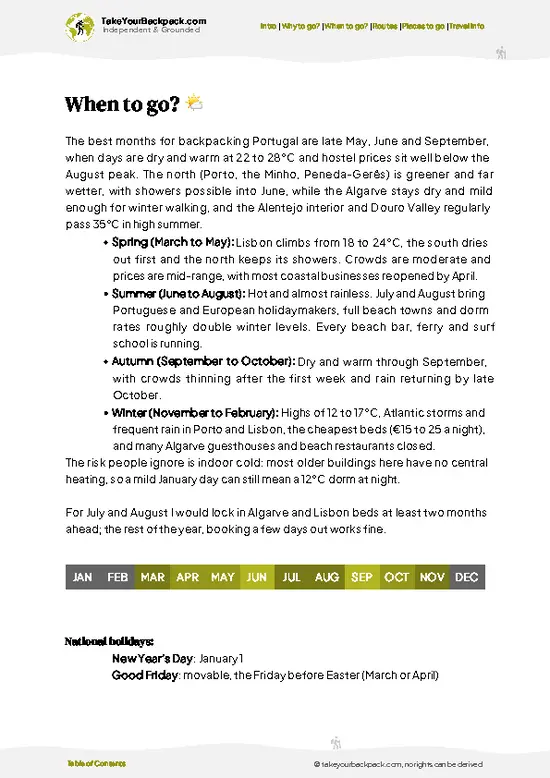
  • Weather: Sintra’s charm is wrapped in its mild Atlantic climate. Winters hover around 10°C (50°F), often misty and cool, which can add a mysterious vibe but might dampen long hikes. Summers peak near 28°C (82°F), warm but rarely oppressive thanks to ocean breezes, perfect for exploring palaces without overheating.

  • Temperature: Spring (15-22°C / 59-72°F) and fall (14-23°C / 57-73°F) offer the sweet spot—comfortable for walking and lingering in gardens without the summer scorch or winter chill.

  • Daylight Hours: Peak daylight stretches from May to August, giving you up to 15 hours to soak in Sintra’s hills and forests. In winter, days shrink to about 9 hours, which means a tighter schedule but quieter trails.

  • Crowds: Summer months bring throngs, especially around Pena Palace and Quinta
read more 👉

  • Weather: Sintra’s charm is wrapped in its mild Atlantic climate. Winters hover around 10°C (50°F), often misty and cool, which can add a mysterious vibe but might dampen long hikes. Summers peak near 28°C (82°F), warm but rarely oppressive thanks to ocean breezes, perfect for exploring palaces without overheating.

  • Temperature: Spring (15-22°C / 59-72°F) and fall (14-23°C / 57-73°F) offer the sweet spot—comfortable for walking and lingering in gardens without the summer scorch or winter chill.

  • Daylight Hours: Peak daylight stretches from May to August, giving you up to 15 hours to soak in Sintra’s hills and forests. In winter, days shrink to about 9 hours, which means a tighter schedule but quieter trails.

  • Crowds: Summer months bring throngs, especially around Pena Palace and Quinta da Regaleira. Visiting in shoulder seasons (April-May, September-October) means fewer selfie sticks and more breathing room to savor the mossy paths and tilework.

  • Seasonal Activities: Spring bursts with blooming gardens and festivals, while fall offers chestnut fairs and a mellow, golden light that makes the town’s pastel facades glow. Winter’s quiet allows for introspective strolls and cozy cafés without the tourist buzz.

  • Price Fluctuations: Accommodation and transport costs spike in summer due to demand. Booking in shoulder seasons can save you a solid 20-30%, letting you splurge on a local meal or a guided tour instead.


Pro-tip: Aim for late April or early October—when the air smells of pine and earth, the crowds thin, and the light softens the hills into a painter’s palette. It’s the kind of timing that turns a visit into a slow, sensory discovery rather than a checklist.


source: climatestotravel.comJANJanuary: good for travelingFEBFebruary: good for travelingMARMarch: highly recommended for travelingAPRApril: excellent for travelingMAYMay: excellent for travelingJUNJune: highly recommended for travelingJULJuly: good for travelingAUGAugust: good for travelingSEPSeptember: excellent for travelingOCTOctober: excellent for travelingNOVNovember: good for travelingDECDecember: good for traveling
portugal-city-sintra
© Google | Alby Set

✈️ The backpacker research shortcutPortugal Travel Guide

An offline-friendly backpacking guide with optimized travel routes, ranked highlights, transport advice, and the best areas to stay.
example page 0 from our offline Travel Guide for Portugal
example page 1 from our offline Travel Guide for Portugal
example page 2 from our offline Travel Guide for Portugal
example page 3 from our offline Travel Guide for Portugal
example page 4 from our offline Travel Guide for Portugal
example page 5 from our offline Travel Guide for Portugal
example page 6 from our offline Travel Guide for Portugal
example page 7 from our offline Travel Guide for Portugal
The digital guide (369 pages) contains:
88 highlights, ranked by travel appeal
Optimized 5, 10 & 15-day travel routes
Cities, national parks, landmarks, beaches
How to get around
Offline-friendly for travel without Wi-Fi
👉 Click to see all 30+ guide features

📅 Plan smarter in minutes, not weeks
Month by month travel advice
Festivals & national holidays
Budget expectations

🗺️ Go to the right places, skip the overrated ones
Honest pros & cons of destinations
Top hikes, parks & viewpoints
Lesser-known places most travelers miss
Clear “worth it vs skip it” guidance

🛏️ Travel smoothly without rookie mistakes
Best areas to stay
Transport systems explained simply
Common scams & safety advice
SIM cards, money & practical tips

🌍 Understand the country, not just visit it
Culture & traditions
52 Essential phrases & customs
Festivals worth planning around
Traveler-friendly historical context
Insights that make places more meaningful

📱 Built for real travel conditions
Fully downloadable PDF
Works completely offline
Optimized for phone use
Useful in remote areas & buses
Everything in one place
Save weeks of stressful planning
Get instant access to your full guide. 30‑day money-back guarantee.
+ Add another guide for just US$7.80

By proceeding you agree to our terms.
Sent to your inbox immediately after payment • 100% Secure Checkout
Best Backpacking Travel Advisor 2025 tourism awardBest Backpacking
Travel Advisor
2025
What others say about Take Your Backpack Guides:
⭐⭐⭐⭐⭐
Fantastic, amazing amount of information!
⭐⭐⭐⭐⭐
My goodness this is amazing, it's what I've been looking for hats off too you!
⭐⭐⭐⭐⭐
I think this is absolutely BRILLIANT
⭐⭐⭐⭐
Very complete and informative. It's still missing places, but I gotta to commend you
⭐⭐⭐⭐⭐
This is truly amazing, thank you, can't wait to explore it with my kids!
⭐⭐⭐⭐⭐
Awesome resource, thank you!
⭐⭐⭐⭐⭐
This is amazing! Can't wait to explore the ones I haven't seen
⭐⭐⭐⭐
I love this! Well done, great idea.
⭐⭐⭐⭐⭐
Thanks for taking the time to make this gem!
⭐⭐⭐⭐⭐
This might be the best website I've ever seen.
⭐⭐⭐⭐⭐
Congratulations, and thank you so much for your work; it's incredibly valuable.
⭐⭐⭐⭐
In all seriousness I think you did a great job pointing out the important spots
⭐⭐⭐⭐⭐
10/10 very good
⭐⭐⭐⭐⭐
As someone who's only just starting to visit regularly this is awesome, thank you.
⭐⭐⭐⭐
Thank you very much! I'm going to visit my dad, it's going to be very useful!
⭐⭐⭐⭐⭐
This is really cool! We'll be travelling for the first time and this definitely come in handy.
⭐⭐⭐⭐⭐
You are now our minister of culture, congratulations 👨‍💼
⭐⭐⭐⭐⭐
Just wanted to tell you that this is a pearl! Going to follow your recommendations.
⭐⭐⭐⭐⭐
This is so cool. I'll definitely be using the resource for my travels soon.
⭐⭐⭐⭐⭐
This is very impressive! Good work.
⭐⭐⭐⭐⭐
This is an amazing and informative site. Very well done!

🛏️ Where to stay?Choosing the right base

Sintra’s heart for backpackers pulses strongest in the historic center, where cobblestone streets curl beneath pastel facades and the scent of fresh pastries drifts from corner cafés. This area is a natural magnet for solo travelers and budget adventurers because it’s compact, safe, and buzzing with a low-key social vibe. You’ll find hostels tucked into old buildings, offering communal spaces where stories and travel tips flow as easily as the local ginjinha. Staying here means you’re steps away from the main train station, which is a game-changer for day trips to Lisbon or the coast—no taxi hassle, … read more 👉
Sintra’s heart for backpackers pulses strongest in the historic center, where cobblestone streets curl beneath pastel facades and the scent of fresh pastries drifts from corner cafés. This area is a natural magnet for solo travelers and budget adventurers because it’s compact, safe, and buzzing with a low-key social vibe. You’ll find hostels tucked into old buildings, offering communal spaces where stories and travel tips flow as easily as the local ginjinha. Staying here means you’re steps away from the main train station, which is a game-changer for day trips to Lisbon or the coast—no taxi hassle, just a quick, scenic ride.

Compared to the quieter, more residential neighborhoods on the outskirts, the historic center keeps you plugged into Sintra’s pulse. It’s where backpackers bump into each other over a shared table or while waiting in line for a pastel de nata. The atmosphere is lively but not overwhelming, with enough evening options to unwind without feeling stranded. Plus, the proximity to landmarks like the National Palace means you can soak in the magic early or late, avoiding the midday crowds.

If you want a bit more peace but still crave connection, the area around the train station edges into a quieter zone with affordable stays and easy access to the center. It’s less charming on the surface but practical—perfect for those who want to balance social energy with a good night’s rest. Overall, Sintra’s historic core is where backpackers find their rhythm: safe, social, and steeped in the town’s unique blend of old-world charm and youthful energy.

🚌 Getting aroundHow to get from A to B

Sintra moves at its own pace, a curious blend of old-world charm and tourist-driven rhythm. The town’s cobbled streets and pastel facades invite you to slow down, but the influx of visitors chasing castles and palaces means you’ll often find yourself navigating a dance between deliberate wandering and timed hustle. Mornings start quiet, with the scent of fresh pastries and pine from the surrounding hills, but by mid-morning, the streets pulse with groups and buses. The key to mastering Sintra’s flow is understanding its transit quirks—how to slip past the crowds, when to catch the right ride, and how to let the town’s magic unfold without feeling rushed or stuck.


  • Walking: Sintra’s historic center is compact and best explored on foot. The uneven cobblestones and steep inclines demand sturdy
read more 👉
Sintra moves at its own pace, a curious blend of old-world charm and tourist-driven rhythm. The town’s cobbled streets and pastel facades invite you to slow down, but the influx of visitors chasing castles and palaces means you’ll often find yourself navigating a dance between deliberate wandering and timed hustle. Mornings start quiet, with the scent of fresh pastries and pine from the surrounding hills, but by mid-morning, the streets pulse with groups and buses. The key to mastering Sintra’s flow is understanding its transit quirks—how to slip past the crowds, when to catch the right ride, and how to let the town’s magic unfold without feeling rushed or stuck.


  • Walking: Sintra’s historic center is compact and best explored on foot. The uneven cobblestones and steep inclines demand sturdy shoes, but walking lets you soak in the scent of eucalyptus and the cool shade of chestnut trees. It’s free, flexible, and the only way to catch the small details—like the faded azulejos on a quiet alley wall or the sudden glimpse of a Moorish tower through the trees.


  • Scotturb Bus: The lifeline for budget travelers aiming to reach the major sights like Pena Palace and Quinta da Regaleira. Buses run roughly every 30 minutes from early morning (around 9:00 AM) until early evening (about 6:00 PM). Tickets cost about €5 round-trip, a steal compared to taxis. The ride can be slow and crowded, especially mid-day, but it’s the most direct way to cover the hilly terrain without breaking a sweat.


  • Local Train to Lisbon: The Sintra train station connects you to Lisbon’s Rossio station in about 40 minutes. Trains run every 20-30 minutes from early morning until late evening, with tickets around €2.50 one way. It’s a budget-friendly, reliable option if you’re coming from or heading back to the capital, offering a smooth, scenic ride through pine forests and suburban sprawl.


  • Taxi and Ride-Sharing: Taxis are plentiful but can be pricey, especially for uphill trips to the palaces. Expect to pay around €10-15 for a short ride within town. Ride-sharing apps are less common here, so don’t count on them for last-minute hops. Use taxis strategically—like catching a ride back down after a long hike or when you’re pressed for time.


  • Bicycle Rental: For the adventurous, renting a bike offers freedom to explore beyond the center, including the Sintra-Cascais Natural Park. The terrain is hilly and can be challenging, so this option suits those comfortable with physical effort and looking to escape the tourist trail. Rentals cost about €15-20 per day, and early morning rides offer cooler temperatures and softer light filtering through the trees.

👛 Costs (as of 4 September 2026)Travel costs and budget guide for Sintra

Backpacking in Sintra, Portugal, offers a rich blend of history and nature, but knowing the daily costs helps you plan without surprises.
  • Dorm Accommodation: Expect to pay between €20 and €35 per night for a bed in a shared dorm. Hostels here tend to be small and cozy, often housed in old buildings with creaky floors and thick stone walls that keep the summer heat at bay.
  • Meals: Budget around €10 to €15 for daily food if you stick to local cafés and snack bars. A pastel de nata and coffee for breakfast, a sandwich or bifana (pork sandwich) for lunch, and a simple dinner like grilled fish or a hearty stew will keep you fueled without breaking the bank.
  • Local Transport: Sintra is compact, and many sights are walkable, but if you opt for buses or tuk-tuks, budget about €5 to €8 per day. The
read more 👉
Backpacking in Sintra, Portugal, offers a rich blend of history and nature, but knowing the daily costs helps you plan without surprises.
  • Dorm Accommodation: Expect to pay between €20 and €35 per night for a bed in a shared dorm. Hostels here tend to be small and cozy, often housed in old buildings with creaky floors and thick stone walls that keep the summer heat at bay.
  • Meals: Budget around €10 to €15 for daily food if you stick to local cafés and snack bars. A pastel de nata and coffee for breakfast, a sandwich or bifana (pork sandwich) for lunch, and a simple dinner like grilled fish or a hearty stew will keep you fueled without breaking the bank.
  • Local Transport: Sintra is compact, and many sights are walkable, but if you opt for buses or tuk-tuks, budget about €5 to €8 per day. The buses are old but reliable, and tuk-tuks offer a breezy, if slightly bumpy, way to cover hills without sweating it out.
  • Basic Activities/Entry Fees: Entrance to major palaces and parks like Pena Palace or Quinta da Regaleira ranges from €10 to €15 each. If you plan to visit two or three spots, set aside around €25 to €40 daily. Buying tickets in advance can save time and sometimes a few euros.
  • Miscellaneous Expenses: For water, snacks, souvenirs, or a casual drink, allocate about €5 to €10. Tap water is safe, so carrying a refillable bottle cuts costs and waste.

All told, a realistic daily budget for backpacking in Sintra falls between €55 and €80. This range covers the essentials without skimping on the experience. The town’s charm is in its layers—the scent of pine from the hills, the cool shade of ancient trees, and the quiet moments in a palace garden. Spending a bit more on entry fees pays off in those moments, making the climb and the cost feel like part of the story, not just a line item.


source: numbeo.com
⚠️ Prices can change and everyone travels differently, so take this as a rough guide. Hope it helps you plan your adventure!

🚌 Day tripsWhere to go beyond the main area

Sintra is a fantastic base for day trips, offering a blend of culture, nature, and history that’s easily accessible. Here are some standout options that will elevate your experience.

1. Cascais
Just a 40-minute train ride from Sintra, Cascais is a coastal town that feels like a breath of fresh sea air. Stroll along the picturesque marina, where the scent of saltwater mingles with fresh pastries from local bakeries. The beaches here are inviting, perfect for a quick dip or lounging with a view of the Atlantic. Don’t miss the Boca do Inferno, where waves crash dramatically against the cliffs. A round-trip ticket costs around €5, making it a budget-friendly escape. Aim for late spring or early fall when the crowds thin out, and the weather is still warm. A common mistake? Many visitors stick … read more 👉
Sintra is a fantastic base for day trips, offering a blend of culture, nature, and history that’s easily accessible. Here are some standout options that will elevate your experience.

1. Cascais
Just a 40-minute train ride from Sintra, Cascais is a coastal town that feels like a breath of fresh sea air. Stroll along the picturesque marina, where the scent of saltwater mingles with fresh pastries from local bakeries. The beaches here are inviting, perfect for a quick dip or lounging with a view of the Atlantic. Don’t miss the Boca do Inferno, where waves crash dramatically against the cliffs. A round-trip ticket costs around €5, making it a budget-friendly escape. Aim for late spring or early fall when the crowds thin out, and the weather is still warm. A common mistake? Many visitors stick to the town center and miss the coastal trails that offer stunning views.
👉 Explore Cascais

2. Cabo da Roca
This is the westernmost point of mainland Europe, and it’s a must-see for anyone who loves dramatic landscapes. A 30-minute bus ride from Sintra will drop you at the cliffs, where the wind carries the scent of wildflowers and the sound of crashing waves fills the air. The views are breathtaking, with sheer cliffs plunging into the ocean. Bring a picnic to enjoy while soaking in the scenery. The bus fare is around €3 each way. Visit in the late afternoon for golden hour lighting, which makes for incredible photos. Many first-timers underestimate the chill factor; it can get windy, so layer up!


3. Lisbon
A quick 40-minute train ride lands you in the heart of Portugal’s capital. Lisbon’s vibrant neighborhoods, like Alfama and Bairro Alto, are alive with the sounds of Fado music and the aroma of grilled sardines. Explore the historic tram system, but don’t just hop on the famous Tram 28; try the lesser-known Tram 24 for a more local experience. A round-trip ticket is about €6. The best time to visit is during the week to avoid weekend crowds. A common pitfall is sticking to the touristy spots; venture into local cafes for authentic experiences and cheaper eats.
👉 Explore Lisbon

4. Queluz National Palace
Only a 20-minute bus ride from Sintra, this lesser-known palace is a treat for history buffs. The gardens are meticulously maintained, and the ornate rooms tell stories of Portugal’s royal past. Entry is around €8, making it an affordable option. Visit in the morning to enjoy the tranquility before the crowds arrive. Many overlook this site, thinking it’s just another palace, but the charm lies in its peaceful atmosphere and stunning architecture.


Each of these trips offers a unique slice of Portuguese life, making your Sintra base a launchpad for unforgettable adventures.
Want to know what more Portugal offers?
The Portugal Travel Guide describes 88 highlights, from cities to national parks, from beaches to hikes

Get the Travel Guide -

🍲 FoodEating & Drinking in Sintra

Sintra’s food scene is a playground for anyone who loves bold, honest flavors without the fuss. The city’s signature dish, travesseiros, is a flaky, pillow-shaped pastry stuffed with almond cream—think of it as a sweet, buttery reward after a day of hiking castles. Don’t miss queijadas, small cheese tarts with a caramelized top that taste like sunshine in pastry form. These treats are everywhere, from tiny bakery windows to bustling market stalls, where the scent of fresh dough mingles with the earthy aroma of local herbs.

For drinks, the Portuguese love their ginjinha, a sour cherry liqueur served in tiny cups that pack a punch. It’s a ritual to sip it slowly, often standing at a bar counter, chatting with locals or fellow travelers. Cafés spill onto cobbled streets, offering strong, dark … read more 👉
Sintra’s food scene is a playground for anyone who loves bold, honest flavors without the fuss. The city’s signature dish, travesseiros, is a flaky, pillow-shaped pastry stuffed with almond cream—think of it as a sweet, buttery reward after a day of hiking castles. Don’t miss queijadas, small cheese tarts with a caramelized top that taste like sunshine in pastry form. These treats are everywhere, from tiny bakery windows to bustling market stalls, where the scent of fresh dough mingles with the earthy aroma of local herbs.

For drinks, the Portuguese love their ginjinha, a sour cherry liqueur served in tiny cups that pack a punch. It’s a ritual to sip it slowly, often standing at a bar counter, chatting with locals or fellow travelers. Cafés spill onto cobbled streets, offering strong, dark coffee that cuts through the sweetness of pastries and fuels your next adventure.

Backpackers tend to gather in casual spots—markets buzzing with vendors, street food stalls where you can grab a quick bifana (pork sandwich), or small taverns where the vibe is relaxed and the wine flows freely. Eating here isn’t rushed; it’s about savoring simple, hearty food and soaking in the easygoing pace. Locals often linger over meals, so don’t expect a quick turnover. Embrace the slow rhythm—it’s part of Sintra’s charm.

🛡️ SafetyScams, Hazards, and Annoyances

Sintra is generally safe, but a few practical tips can enhance your experience. The town’s cobblestone streets are charming, yet they can be uneven, so watch your step, especially when distracted by the stunning palaces.

If you’re wandering solo at night, stick to well-lit areas. The main square is lively and feels secure, but some side streets can be quieter and less inviting after dark. Trust your instincts; if a place feels off, it probably is.

While scams are rare, be cautious around popular tourist spots. Street performers can be entertaining, but they sometimes expect tips that aren’t clearly communicated. Keep your belongings close, especially in crowded areas, as pickpockets can be opportunistic.

Annoyances like long lines at the major attractions can test your patience. Arrive … read more 👉
Sintra is generally safe, but a few practical tips can enhance your experience. The town’s cobblestone streets are charming, yet they can be uneven, so watch your step, especially when distracted by the stunning palaces.

If you’re wandering solo at night, stick to well-lit areas. The main square is lively and feels secure, but some side streets can be quieter and less inviting after dark. Trust your instincts; if a place feels off, it probably is.

While scams are rare, be cautious around popular tourist spots. Street performers can be entertaining, but they sometimes expect tips that aren’t clearly communicated. Keep your belongings close, especially in crowded areas, as pickpockets can be opportunistic.

Annoyances like long lines at the major attractions can test your patience. Arrive early or later in the day to avoid the rush. Embrace the wait; it’s part of the experience. With a little awareness, you’ll navigate Sintra like a pro, soaking in its beauty without a hitch.

FAQFrequently asked questions about Sintra

2 to 3 days are sufficient to explore Sintra thoroughly. This allows time to visit key sites like Pena Palace, Moorish Castle, and Quinta da Regaleira without rushing. Public transport and walking connect most attractions within a few kilometers.
Yes, Sintra is safe for solo backpackers. The town has low crime rates and a friendly atmosphere, especially during the day. Standard precautions apply, particularly in crowded tourist areas and at night.
Sintra is known for its 19th-century Romantic architecture, historic palaces, and lush natural parks. Key landmarks include Pena Palace, a colorful hilltop castle, and the mystical Quinta da Regaleira estate. It is also famous for its UNESCO World Heritage status and scenic landscapes.
⚠️ Things can change over time, so always validate details locally before you go.

Other Portuguese cities near Sintra

Explore more nearby:

  • Cascais—Atlantic beaches, marina, seafood markets| 13 km away
  • Lisbon—Tram routes, tiled facades, hilltop viewpoints| 19 km away
  • Setúbal—fish market, estuary views, Arrábida hills| 50 km away

💡 Not sure where to go next?
Create a personalized itinerary for Portugal including Sintra and the places that fit your trip.

Generate my itinerary

👉 Discover all cities

Or checkout all Portugal has to offer (think cities, towns, villages, national parks, hikes, beaches, festivals)
Country photo of Portugal

We 💚 feedbackKey takeaways before you go

Sintra is a dreamscape of color and history, where the scent of blooming jasmine fills the air as you wander through lush gardens and past whimsical palaces. But be prepared: the crowds can be overwhelming, especially in summer. Embrace the early mornings or late afternoons to savor the magic without the hustle. It’s worth the effort; the views from the Moorish Castle at sunset are a reward that feels earned, not just given.

✈️ When did I visit Portugal?
Portugal is a lovely country in Europe. Have been multiple times in the south as well as Lissabon and Porto.

✍️ Help improve this page!
The information on this page is based on my own backpacking experience in Portugal, supplemented with up-to-date research and feedback from other travelers. Travel details can change, so if you notice anything outdated or incomplete, feel free to let me know.


🙋‍♂️ Give feedback

👋 Meet the founderWho’s Behind Take Your Backpack?

Johan, backpacker and founder of TakeYourBackpackHi, I’m Johan (Netherlands 🇳🇱), the creator of TakeYourBackpack. Over the past decade, I’ve backpacked through 80+ countries across six continents, gaining extensive experience with independent travel, long-term trips, and overland routes.

This site is built on a combination of firsthand travel experience and carefully curated insights from other backpackers. Many guides are based on places I’ve personally visited, while others bring together tips, observations, and practical advice shared by trusted travelers I’ve met along the way.

The goal is to provide realistic, experience-driven guidance — not generic itineraries — so you can explore destinations with better context, clearer expectations, and more confidence.

Get full Portugal guide •
Instant download • 88 highlights • Full Offline guide