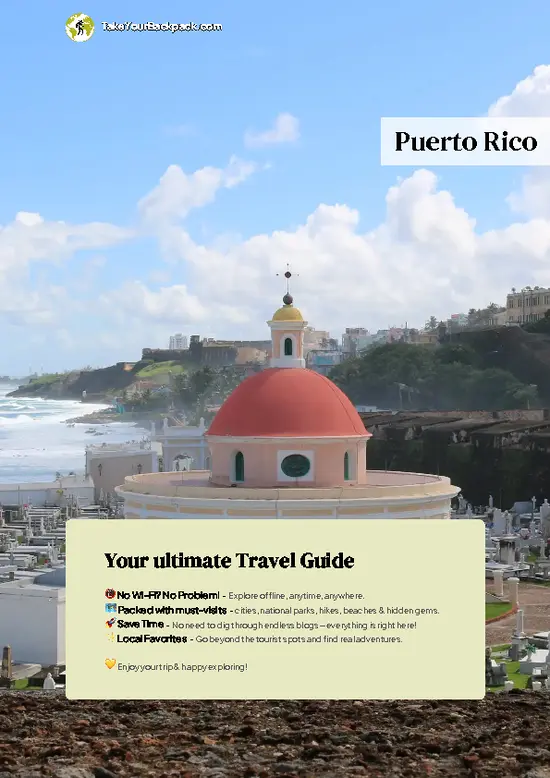

The Radio Telescope Platform Ruins
Let’s get real: you’re not coming to Arecibo to see a working telescope anymore. The 900-ton platform collapsed in 2020, and the iconic dish is now a wrecked monument to both human ambition and the laws of physics. But that’s exactly why it’s worth seeing. There’s a raw, post-apocalyptic energy to the site—giant cables snapped like spaghetti, the dish scarred and silent. It’s a rare chance to stand at the edge of scientific history, not the polished, museum kind, but the kind that reminds you how fragile even our grandest projects can be. It’s humbling, a little eerie, and absolutely unforgettable for anyone who’s ever dreamed big.
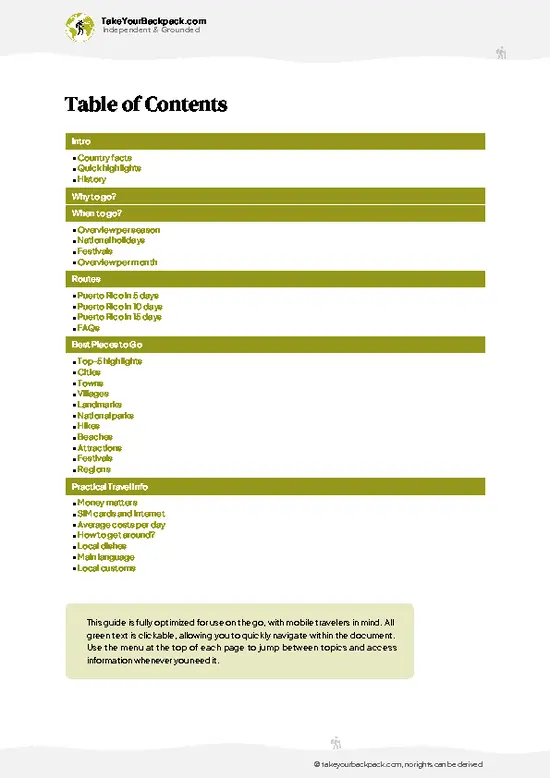
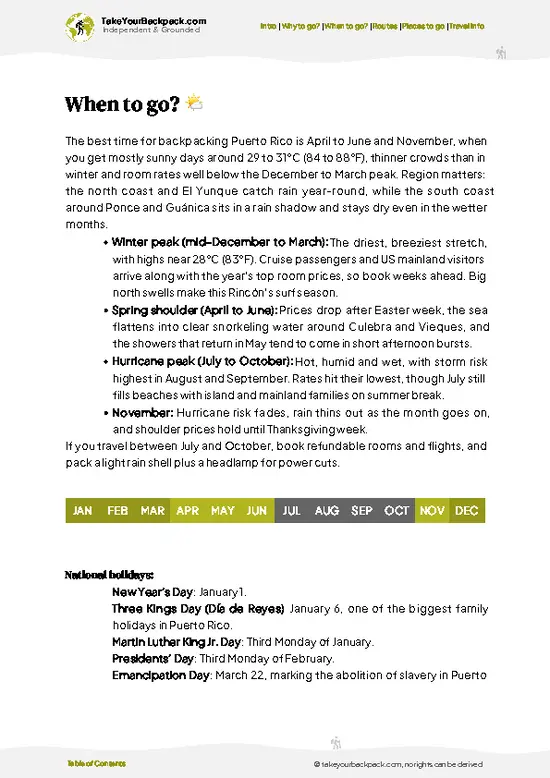
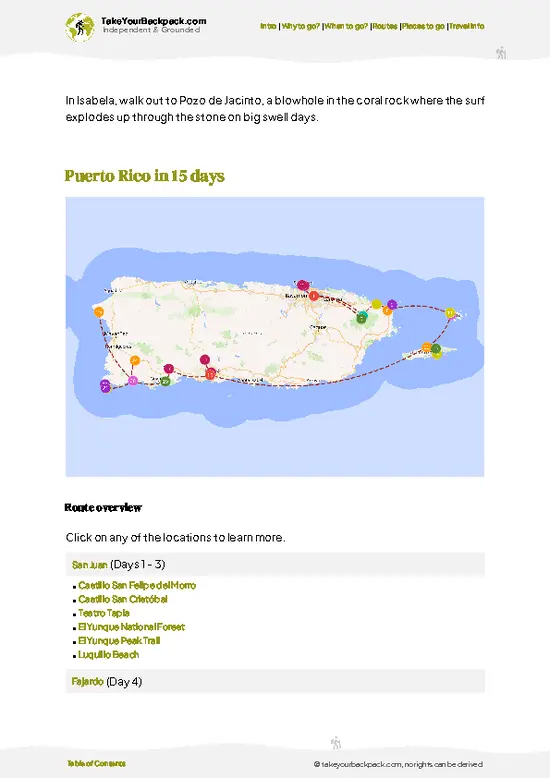
The Visitor Center’s Science Exhibits
This isn’t your average “push a button, watch a light blink” science center. The exhibits … read more 👉
Let’s get real: you’re not coming to Arecibo to see a working telescope anymore. The 900-ton platform collapsed in 2020, and the iconic dish is now a wrecked monument to both human ambition and the laws of physics. But that’s exactly why it’s worth seeing. There’s a raw, post-apocalyptic energy to the site—giant cables snapped like spaghetti, the dish scarred and silent. It’s a rare chance to stand at the edge of scientific history, not the polished, museum kind, but the kind that reminds you how fragile even our grandest projects can be. It’s humbling, a little eerie, and absolutely unforgettable for anyone who’s ever dreamed big.
The Visitor Center’s Science Exhibits
This isn’t your average “push a button, watch a light blink” science center. The exhibits … read more 👉
The Radio Telescope Platform Ruins
Let’s get real: you’re not coming to Arecibo to see a working telescope anymore. The 900-ton platform collapsed in 2020, and the iconic dish is now a wrecked monument to both human ambition and the laws of physics. But that’s exactly why it’s worth seeing. There’s a raw, post-apocalyptic energy to the site—giant cables snapped like spaghetti, the dish scarred and silent. It’s a rare chance to stand at the edge of scientific history, not the polished, museum kind, but the kind that reminds you how fragile even our grandest projects can be. It’s humbling, a little eerie, and absolutely unforgettable for anyone who’s ever dreamed big.
The Visitor Center’s Science Exhibits
This isn’t your average “push a button, watch a light blink” science center. The exhibits here are hands-on, bilingual, and refreshingly honest about both the triumphs and failures of the observatory. You’ll get to play with real radio signals, see meteorite fragments, and dig into the nuts and bolts of how scientists actually used this place to chase asteroids and listen for cosmic whispers. The displays don’t sugarcoat the collapse—they lean into it, turning the disaster into a teachable moment about engineering, risk, and resilience. If you want science with its sleeves rolled up, this is it.
The Space Theater
Skip the Instagram filters—this is where you get the real cosmic perspective. The theater’s short films are heavy on Puerto Rican pride and scientific grit, spotlighting the local engineers and researchers who put Arecibo on the map. The visuals are sharp, the sound system is surprisingly punchy, and the stories go way beyond “aliens and asteroids.” You’ll walk out with a sense of just how much this place mattered to the island and to the world. Bonus: it’s air-conditioned, which is a small miracle in the Puerto Rican heat.
The Observation Deck
You want the money shot? This is it. The deck gives you a panoramic view of the ruined dish and the lush karst hills beyond. It’s not pretty in the traditional sense—think more “sci-fi ruin” than “postcard”—but it’s honest, and it’s massive. The scale hits you in the gut. You can almost hear the echoes of the scientists who used to pace these walkways, and if you’re lucky, you’ll catch a local guide who’ll tell you stories you won’t find on any plaque.
The Arecibo Legacy Wall
Most people miss this, but don’t. The wall is a timeline of the observatory’s greatest hits: the first radar maps of Venus, the search for near-Earth objects, the famous “Arecibo Message” beamed into space. It’s a crash course in why this place mattered, delivered with zero fluff. If you want to understand why people around the world mourned when the telescope fell, this is your answer. It’s not just a wall—it’s a reminder that science is a relay race, and Arecibo ran a hell of a leg.
Let’s get real: you’re not coming to Arecibo to see a working telescope anymore. The 900-ton platform collapsed in 2020, and the iconic dish is now a wrecked monument to both human ambition and the laws of physics. But that’s exactly why it’s worth seeing. There’s a raw, post-apocalyptic energy to the site—giant cables snapped like spaghetti, the dish scarred and silent. It’s a rare chance to stand at the edge of scientific history, not the polished, museum kind, but the kind that reminds you how fragile even our grandest projects can be. It’s humbling, a little eerie, and absolutely unforgettable for anyone who’s ever dreamed big.
The Visitor Center’s Science Exhibits
This isn’t your average “push a button, watch a light blink” science center. The exhibits here are hands-on, bilingual, and refreshingly honest about both the triumphs and failures of the observatory. You’ll get to play with real radio signals, see meteorite fragments, and dig into the nuts and bolts of how scientists actually used this place to chase asteroids and listen for cosmic whispers. The displays don’t sugarcoat the collapse—they lean into it, turning the disaster into a teachable moment about engineering, risk, and resilience. If you want science with its sleeves rolled up, this is it.
The Space Theater
Skip the Instagram filters—this is where you get the real cosmic perspective. The theater’s short films are heavy on Puerto Rican pride and scientific grit, spotlighting the local engineers and researchers who put Arecibo on the map. The visuals are sharp, the sound system is surprisingly punchy, and the stories go way beyond “aliens and asteroids.” You’ll walk out with a sense of just how much this place mattered to the island and to the world. Bonus: it’s air-conditioned, which is a small miracle in the Puerto Rican heat.
The Observation Deck
You want the money shot? This is it. The deck gives you a panoramic view of the ruined dish and the lush karst hills beyond. It’s not pretty in the traditional sense—think more “sci-fi ruin” than “postcard”—but it’s honest, and it’s massive. The scale hits you in the gut. You can almost hear the echoes of the scientists who used to pace these walkways, and if you’re lucky, you’ll catch a local guide who’ll tell you stories you won’t find on any plaque.
The Arecibo Legacy Wall
Most people miss this, but don’t. The wall is a timeline of the observatory’s greatest hits: the first radar maps of Venus, the search for near-Earth objects, the famous “Arecibo Message” beamed into space. It’s a crash course in why this place mattered, delivered with zero fluff. If you want to understand why people around the world mourned when the telescope fell, this is your answer. It’s not just a wall—it’s a reminder that science is a relay race, and Arecibo ran a hell of a leg.
Spotted a mistake or missing something? Contact us.
v2.webp)

Best Backpacking
Hi, I’m Johan (Netherlands 🇳🇱), the creator of TakeYourBackpack. Over the past decade, I’ve backpacked through 80+ countries across six continents, gaining extensive experience with independent travel, long-term trips, and overland routes.