


- La Fortaleza: The Western Hemisphere’s oldest executive mansion still in use, home to Puerto Rico’s governors since the 1500s and a UNESCO-listed fortress-turned-palace. Its white-and-blue facade anchors the top of the promenade. Guided tours run on set weekdays and are usually free, so bring photo ID and check the schedule before you walk up.
- Raíces Fountain: The big sculpted fountain at the midpoint of the promenade, built in the 1990s, tells the story of the island’s roots in bronze and stone. Taíno, African and Spanish figures rise from the water along with symbols of the island’s fauna. It faces the bay, and the benches around it are the best spot for a rest in the shade.
- The Promenade Itself: A stretch of pale paving, wrought-iron lamps and ornate benches lined with palms and flowering
- La Fortaleza: The Western Hemisphere’s oldest executive mansion still in use, home to Puerto Rico’s governors since the 1500s and a UNESCO-listed fortress-turned-palace. Its white-and-blue facade anchors the top of the promenade. Guided tours run on set weekdays and are usually free, so bring photo ID and check the schedule before you walk up.
- Raíces Fountain: The big sculpted fountain at the midpoint of the promenade, built in the 1990s, tells the story of the island’s roots in bronze and stone. Taíno, African and Spanish figures rise from the water along with symbols of the island’s fauna. It faces the bay, and the benches around it are the best spot for a rest in the shade.
- The Promenade Itself: A stretch of pale paving, wrought-iron lamps and ornate benches lined with palms and flowering trees, running along the old city wall. Locals stroll it in the late afternoon. Weekend evenings often bring artisans and food carts, and the breeze off the water makes it the most pleasant walk in Old San Juan.
- Puerta de San Juan: The red-painted gate in the old city wall, the only one of the original entrances still standing, close to the promenade. Ships arriving in the 1700s were greeted by this entry, and today you can step through it onto a bayside lane. Give it a few minutes and a photo.
- Muralla de San Juan (City Wall): The thick stone ramparts beside the path were begun in 1634 and fully enclosed the city by 1783 to guard the harbor. Run a hand along the weathered sandstone and peer through the openings toward the water. The walls are free to view along the promenade.
- Paseo’s Monuments and Sculptures: Scattered along the path are statues and plaques, including the busts and tributes to figures from Puerto Rican and Spanish history. They suit a slow wander rather than a quick march, and the shaded stretches are great for reading the inscriptions.
- San Juan Bay Views: From the promenade’s edge you look out over the bay, with cruise ships, small boats and, on clear days, the Cataño shoreline across the water. Cruise arrivals add traffic, so late afternoon tends to feel calmer. The light is warm and soft for photos.
Spotted a mistake or missing something? Contact us.

Learn Salsa In Paradise San Juan Puerto Rico

Piñones Beach Buggy + El Yunque Waterfall Adventure

Concrete Jungle to the Actual Jungle, The Complete Package Tour

El Yunque Rainforest - Waterslide, Cliff jump, and Rope swing!
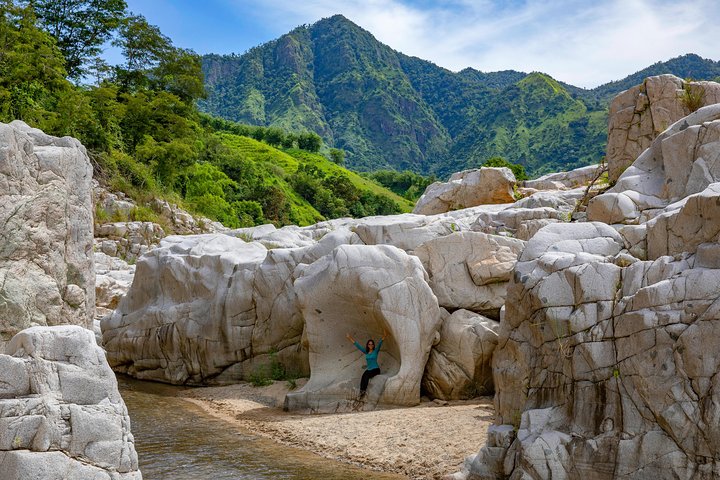
Utuado Canyon, River & Waterfall Adventure in Puerto Rico

San Juan Bay Private Tour with Drinks and Tapas: 4+ people

Private Puerto Rican Cooking Class in San Juan for Groups

Old San Juan Walking Photoshoot

Combo Tour: Charco Azul + Cueva del Indio Adventure


 Best Backpacking
 Hi, I’m Johan (Netherlands 🇳🇱), the creator of TakeYourBackpack. Over the past 3 decades, I’ve backpacked through 90+ countries across six continents, gaining extensive experience with independent travel, long-term trips, and overland routes.