v2.webp)
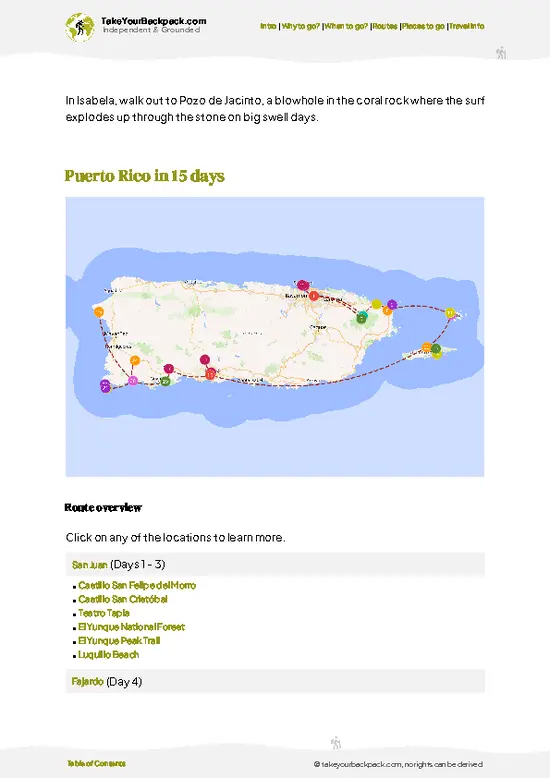
- The rhesus macaque colony: The reason anyone comes. More than a thousand monkeys live across the island, and from the water you can watch them forage along the shoreline, sit in family clusters and squabble over spots in the shade.
- Boat circuit of the cay: Local operators circle the island at a respectful distance. Slow passes give you time to frame photos of juveniles and mothers without spooking the animals.
- Kayak approach from Punta Santiago: Paddling over from the mainland brings you close to the mangrove edge, where the monkeys often gather. It takes some effort and calm water, but the quiet is a plus.
- Research station buildings: Scientists from the University of Puerto Rico and its Caribbean Primate Research Center work on the island. You can spot the station and feeding areas from the
- The rhesus macaque colony: The reason anyone comes. More than a thousand monkeys live across the island, and from the water you can watch them forage along the shoreline, sit in family clusters and squabble over spots in the shade.
- Boat circuit of the cay: Local operators circle the island at a respectful distance. Slow passes give you time to frame photos of juveniles and mothers without spooking the animals.
- Kayak approach from Punta Santiago: Paddling over from the mainland brings you close to the mangrove edge, where the monkeys often gather. It takes some effort and calm water, but the quiet is a plus.
- Research station buildings: Scientists from the University of Puerto Rico and its Caribbean Primate Research Center work on the island. You can spot the station and feeding areas from the boat, a reminder that this is a living lab.
- Mangrove shoreline: The fringe of red mangrove around the cay hides small fish and birds, and offers a good view of the monkeys climbing among the roots.
- Punta Santiago waterfront: The village dock and nearby stalls are where you launch and where you can eat fried fish afterward. Locals fish here early in the day.
- Views toward Vieques and the Sierra de Luquillo: On clear mornings the water gives you a long view of the hills inland and the islands offshore.
Spotted a mistake or missing something? Contact us.

Half-Day Yunque Rainforest Waterslide & rope swing Guided Tour

Icacos Deserted Island Catamaran, Snorkel, and Picnic Cruise

Self-Drive Mini Boat Snorkeling Tour to Icacos Island

Icacos Island Catamaran Day Sail from Fajardo

Snorkeling Tour to Vieques Island only 30 minutes away!

All Inclusive Beach and Snorkel Boat Tour to Icacos Island

Icacos Beach Day Package with Water Taxi Transport from Fajardo

All-Inclusive Private Charter to Icacos or Palomino Islands

Private All Inclusive East Coast Keys Tour and Snorkel Experience


 Best Backpacking
.jpg) Hi, I’m Johan (Netherlands 🇳🇱), the creator of TakeYourBackpack. Over the past 3 decades, I’ve backpacked through 90+ countries across six continents, gaining extensive experience with independent travel, long-term trips, and overland routes.
Hi, I’m Johan (Netherlands 🇳🇱), the creator of TakeYourBackpack. Over the past 3 decades, I’ve backpacked through 90+ countries across six continents, gaining extensive experience with independent travel, long-term trips, and overland routes.