×

Rwanda🇷🇼 | attractionsIby’Iwacu Cultural Villagetraditional huts, dance performances, rural skills | things to do and best time to go

Explore Kigali Cultural VillageExplore Ethnographic Museum Huye

Backpacking in Iby’Iwacu Cultural Village
By Johan Kruseman 🇳🇱 | Updated October 15, 2026

Forget the Instagram fantasy: Iby’Iwacu Cultural Village is not a secret, untouched “authentic Africa” where you’ll stumble into spontaneous tribal dances and be the only outsider for miles. It’s a living museum—yes, a bit staged, yes, you’ll see tour buses—but it’s also one of the most direct, hands-on ways to understand Rwanda’s pre-colonial traditions without a filter. You’ll find it just outside Volcanoes National Park in Kinigi, northwest Rwanda, in the shadow of those famous misty peaks. For backpackers, this place is a double-edged machete: on one side, you get real interaction—try your hand at drumming, archery, or even mock royal rituals, guided by ex-poachers who now earn a living sharing their culture. On the other, you’ll pay a premium for the privilege, and you won’t escape the crowds, especially during gorilla-trekking season. Compared to the raw adrenaline of the mountains or Kigali’s urban pulse, Iby’Iwacu is curated, but it’s also deeply human—if you look past the performance, you’ll catch the pride and resilience that make Rwanda unforgettable for all the right reasons.

Discover everything you want to know in the 📖 Rwanda Travel Guide.


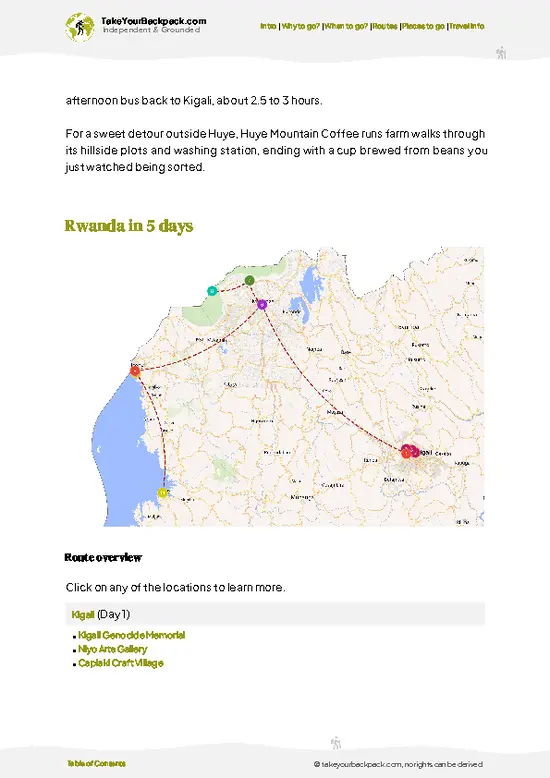
example page 0 from our offline Travel Guide for Rwanda
example page 1 from our offline Travel Guide for Rwanda
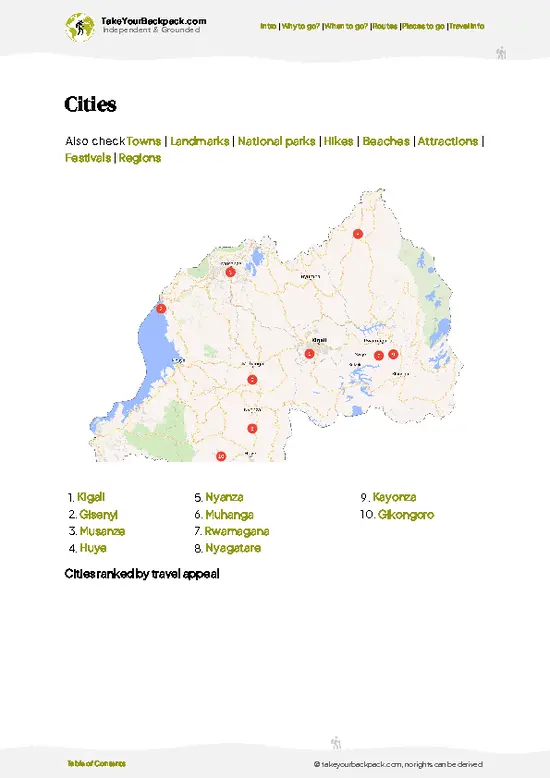
example page 2 from our offline Travel Guide for Rwanda
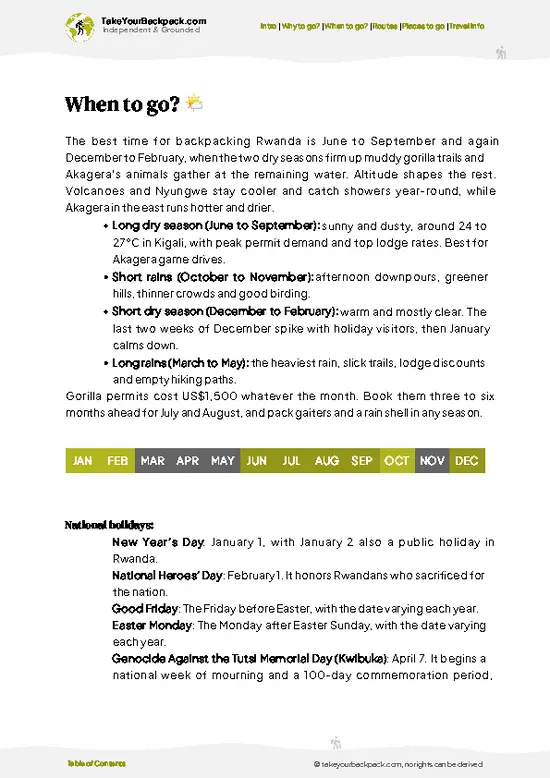
example page 3 from our offline Travel Guide for Rwanda
example page 4 from our offline Travel Guide for Rwanda
example page 5 from our offline Travel Guide for Rwanda
example page 6 from our offline Travel Guide for Rwanda
example page 7 from our offline Travel Guide for Rwanda
Loading the map 🌍
CLICK TO FILTER
cities
towns
landmarks
national parks
hikes
beaches
attractions
festivals
regions
SHOW COUNTRY’S BESTSHOW ALL

✨ Why go?
Ranked #99 attraction in Rwanda
Why visitors keep coming back

Backpackers often roll their eyes at the usual tourist traps, but Iby’Iwacu Cultural Village in Rwanda demands a spot on your itinerary for reasons that go beyond the surface. Yes, it’s popular—crowded at times, and the entry fee isn’t exactly pocket change for a budget traveler. But here’s the kicker: this place isn’t just a staged show for cameras. It’s a living, breathing snapshot of Rwanda’s soul, a rare chance to step into the rhythms and stories that shaped a nation still healing and rebuilding.

You get more than just a cultural performance; you’re walking through history, from traditional crafts to the resilience embedded in every dance and song. It’s a hands-on education in Rwandan identity that no guidebook can replicate. The adrenaline comes from the emotional weight and the effort … read more 👉
Backpackers often roll their eyes at the usual tourist traps, but Iby’Iwacu Cultural Village in Rwanda demands a spot on your itinerary for reasons that go beyond the surface. Yes, it’s popular—crowded at times, and the entry fee isn’t exactly pocket change for a budget traveler. But here’s the kicker: this place isn’t just a staged show for cameras. It’s a living, breathing snapshot of Rwanda’s soul, a rare chance to step into the rhythms and stories that shaped a nation still healing and rebuilding.

You get more than just a cultural performance; you’re walking through history, from traditional crafts to the resilience embedded in every dance and song. It’s a hands-on education in Rwandan identity that no guidebook can replicate. The adrenaline comes from the emotional weight and the effort to truly absorb the layers of meaning here—not from adrenaline-pumping thrills, but from the profound connection you forge with a culture that’s often misunderstood or reduced to headlines.

For backpackers threading through Rwanda, Iby’Iwacu is a milestone. It’s where the journey shifts from sightseeing to understanding, from ticking boxes to feeling the pulse of a country that’s rewriting its story. Skip it, and you miss the heart of Rwanda’s comeback.

💡 HighlightsThe experiences that define the visit

1. Traditional Intore Dance Performance
Forget the sanitized, tourist-friendly dance shows you’ve seen elsewhere. Here, the Intore dancers don’t just perform—they explode onto the dirt stage, spears in hand, with a physicality that’s part athletic feat, part living history. The pounding drums, the syncopated footwork, the wild, almost defiant energy—this is Rwanda’s warrior tradition, not a watered-down routine. You’ll feel the ground shake. You’ll see sweat fly. And if you’re lucky, you’ll be pulled up to try a few steps yourself (spoiler: it’s harder than it looks).


2. Hands-On Craftsmanship: Basket Weaving and Pottery
This isn’t a museum demo behind glass. The women here actually sit with you, guiding your hands as you fumble through the first awkward coils of a basket or try to shape … read more 👉
1. Traditional Intore Dance Performance
Forget the sanitized, tourist-friendly dance shows you’ve seen elsewhere. Here, the Intore dancers don’t just perform—they explode onto the dirt stage, spears in hand, with a physicality that’s part athletic feat, part living history. The pounding drums, the syncopated footwork, the wild, almost defiant energy—this is Rwanda’s warrior tradition, not a watered-down routine. You’ll feel the ground shake. You’ll see sweat fly. And if you’re lucky, you’ll be pulled up to try a few steps yourself (spoiler: it’s harder than it looks).


2. Hands-On Craftsmanship: Basket Weaving and Pottery
This isn’t a museum demo behind glass. The women here actually sit with you, guiding your hands as you fumble through the first awkward coils of a basket or try to shape a lump of clay into something vaguely bowl-shaped. There’s no pressure to buy anything. The point is to understand how skill and patience are woven—literally—into daily life. You’ll leave with a new respect for the calluses on their hands, and maybe a lopsided souvenir you made yourself.


3. Traditional Rwandan Cuisine Experience
Skip the buffet line. Here, you’re invited into the smoky, open-air kitchen to help grind sorghum, stir bubbling pots of isombe (cassava leaves), or roast maize over a wood fire. The food is simple, hearty, and hyper-local—think earthy flavors, not Instagrammable plating. The real magic is in the communal eating: you’ll sit shoulder-to-shoulder with locals, eating with your hands, swapping stories, and realizing that “authentic” isn’t a buzzword here—it’s just lunch.


4. Storytelling by Village Elders
This is the antidote to every scripted audio guide you’ve ever endured. The elders don’t recite—they narrate, tease, and sometimes even sing their way through tales of ancient kings, colonial upheaval, and the everyday absurdities of village life. Their delivery is raw and unscripted, sometimes hilarious, sometimes heartbreaking. You’ll hear the kind of stories that never make it into guidebooks, and you’ll walk away with a sense of Rwanda’s soul that no museum label can touch.


5. Banana Beer Brewing (and Tasting)
If you think “cultural experience” means sipping tea in silence, think again. Banana beer is the social glue of the village, and you’re invited to get your hands sticky mashing bananas, straining the pulp, and—yes—sampling the cloudy, slightly funky brew that results. It’s not for everyone, but that’s the point. This is a taste of everyday celebration, shared with laughter and zero pretense. If you’re after a polished, commercial tasting room, look elsewhere. If you want to toast with the locals, this is your moment.
Spotted a mistake or missing something? Contact us.

Things to do near Iby’Iwacu Cultural Village

Ratings based on Tripadvisor reviews. When you book through this link, you support our work at no extra cost to you.

🌤️ When to go?Weather, crowds, and seasonal trade-offs

  • Weather: The best time to visit Iby’Iwacu Cultural Village is during Rwanda’s dry seasons, primarily from June to September and December to February. These months offer less rain, making outdoor activities and village tours more enjoyable and less muddy.
  • Temperature: Expect mild temperatures year-round, averaging 18-24°C (64-75°F). The dry season tends to be slightly cooler, especially in the mornings and evenings, so pack a light jacket.
  • Daylight Hours: Rwanda sits near the equator, so daylight is consistent year-round, roughly 12 hours daily. This means you can plan your visit any time of year without worrying about short days cutting your experience short.
  • Crowds: Tourist numbers peak during the dry seasons, especially July and August, which can make the village feel less intimate.
… read more 👉
  • Weather: The best time to visit Iby’Iwacu Cultural Village is during Rwanda’s dry seasons, primarily from June to September and December to February. These months offer less rain, making outdoor activities and village tours more enjoyable and less muddy.
  • Temperature: Expect mild temperatures year-round, averaging 18-24°C (64-75°F). The dry season tends to be slightly cooler, especially in the mornings and evenings, so pack a light jacket.
  • Daylight Hours: Rwanda sits near the equator, so daylight is consistent year-round, roughly 12 hours daily. This means you can plan your visit any time of year without worrying about short days cutting your experience short.
  • Crowds: Tourist numbers peak during the dry seasons, especially July and August, which can make the village feel less intimate. Visiting in the shoulder months like May or October offers a quieter, more authentic vibe without sacrificing weather quality.
  • Seasonal Activities: Cultural performances and traditional ceremonies are more frequent during the dry season when the village hosts more visitors. However, some unique rituals tied to the agricultural calendar happen during the rainy season, offering a different kind of authenticity.
  • Price Fluctuations: Expect higher prices for tours and accommodations during the dry season’s peak months due to demand. Booking in the shoulder months can save you money while still delivering a rich experience.
Pro-tip: Aim for late June or early October to dodge the crowds and rain, scoring the best balance of weather, culture, and cost.


source: climatestotravel.comJANJanuary: excellent for travelingFEBFebruary: excellent for travelingMARMarch: fair for travelingAPRApril: fair for travelingMAYMay: highly recommended for travelingJUNJune: highly recommended for travelingJULJuly: good for travelingAUGAugust: good for travelingSEPSeptember: highly recommended for travelingOCTOctober: highly recommended for travelingNOVNovember: fair for travelingDECDecember: excellent for traveling
rwanda-attraction-ibyiwacu-cultural-village
© Google |

✈️ The backpacker research shortcutRwanda Travel Guide

An offline-friendly backpacking guide with optimized travel routes, ranked highlights, transport advice, and the best areas to stay.
example page 0 from our offline Travel Guide for Rwanda
example page 1 from our offline Travel Guide for Rwanda
example page 2 from our offline Travel Guide for Rwanda
example page 3 from our offline Travel Guide for Rwanda
example page 4 from our offline Travel Guide for Rwanda
example page 5 from our offline Travel Guide for Rwanda
example page 6 from our offline Travel Guide for Rwanda
example page 7 from our offline Travel Guide for Rwanda
The digital guide (233 pages) contains:
✅ 57 highlights, ranked by travel appeal
✅ Optimized 2, 3 & 5-day travel routes
✅ Cities, national parks, landmarks, beaches
✅ How to get around
✅ Offline-friendly for travel without Wi-Fi
👉 Click to see all 30+ guide features

📅 Plan smarter in minutes, not weeks
✅ Month by month travel advice
✅ Festivals & national holidays
✅ Budget expectations

🗺️ Go to the right places, skip the overrated ones
✅ Honest pros & cons of destinations
✅ Top hikes, parks & viewpoints
✅ Lesser-known places most travelers miss
✅ Clear “worth it vs skip it” guidance

🛏️ Travel smoothly without rookie mistakes
✅ Best areas to stay
✅ Transport systems explained simply
✅ Common scams & safety advice
✅ SIM cards, money & practical tips

🌍 Understand the country, not just visit it
✅ Culture & traditions
✅ 52 Essential phrases & customs
✅ Festivals worth planning around
✅ Traveler-friendly historical context
✅ Insights that make places more meaningful

📱 Built for real travel conditions
✅ Fully downloadable PDF
✅ Works completely offline
✅ Optimized for phone use
✅ Useful in remote areas & buses
✅ Everything in one place
Stop searching, start planning
Get instant access to your full guide. 30‑day money-back guarantee.
+ Add another guide for just

By proceeding you agree to our terms.
Sent to your inbox immediately after payment • 100% Secure Checkout
Best Backpacking Travel Advisor 2025 tourism awardBest Backpacking
Travel Advisor
2025
What others say about Take Your Backpack Guides:
⭐⭐⭐⭐⭐
Fantastic, amazing amount of information!
⭐⭐⭐⭐⭐
My goodness this is amazing, it's what I've been looking for hats off too you!
⭐⭐⭐⭐⭐
I think this is absolutely BRILLIANT
⭐⭐⭐⭐
Very complete and informative. It's still missing places, but I gotta to commend you
⭐⭐⭐⭐⭐
This is truly amazing, thank you, can't wait to explore it with my kids!
⭐⭐⭐⭐⭐
Awesome resource, thank you!
⭐⭐⭐⭐⭐
This is amazing! Can't wait to explore the ones I haven't seen
⭐⭐⭐⭐
I love this! Well done, great idea.
⭐⭐⭐⭐⭐
Thanks for taking the time to make this gem!
⭐⭐⭐⭐⭐
This might be the best website I've ever seen.
⭐⭐⭐⭐⭐
Congratulations, and thank you so much for your work; it's incredibly valuable.
⭐⭐⭐⭐
In all seriousness I think you did a great job pointing out the important spots
⭐⭐⭐⭐⭐
10/10 very good
⭐⭐⭐⭐⭐
As someone who's only just starting to visit regularly this is awesome, thank you.
⭐⭐⭐⭐
Thank you very much! I'm going to visit my dad, it's going to be very useful!
⭐⭐⭐⭐⭐
This is really cool! We'll be travelling for the first time and this definitely come in handy.
⭐⭐⭐⭐⭐
You are now our minister of culture, congratulations 👨‍💼
⭐⭐⭐⭐⭐
Just wanted to tell you that this is a pearl! Going to follow your recommendations.
⭐⭐⭐⭐⭐
This is so cool. I'll definitely be using the resource for my travels soon.
⭐⭐⭐⭐⭐
This is very impressive! Good work.
⭐⭐⭐⭐⭐
This is an amazing and informative site. Very well done!

🛏️ Where to stay?Best areas to stay in Rwanda

If you’re heading to Iby’Iwacu Cultural Village, brace yourself: this isn’t some off-the-grid hideaway where you’ll have the place to yourself. It’s a major draw for tourists, so expect a steady stream of visitors, especially during peak seasons. The village itself is a powerful cultural experience, but the real challenge is finding a spot nearby that feels safe, social, and won’t drain your wallet.

Your best bet is to base yourself in the Musanze area. It’s the backpacker hub closest to the village, and for good reason. Musanze offers a solid mix of budget guesthouses and hostels where you can … read more 👉
If you’re heading to Iby’Iwacu Cultural Village, brace yourself: this isn’t some off-the-grid hideaway where you’ll have the place to yourself. It’s a major draw for tourists, so expect a steady stream of visitors, especially during peak seasons. The village itself is a powerful cultural experience, but the real challenge is finding a spot nearby that feels safe, social, and won’t drain your wallet.

Your best bet is to base yourself in the Musanze area. It’s the backpacker hub closest to the village, and for good reason. Musanze offers a solid mix of budget guesthouses and hostels where you can meet fellow travelers without sacrificing safety or comfort. The town has a lively vibe, with plenty of local eateries and small markets that keep things interesting after a day of cultural immersion. It’s not flashy, but it’s real, and that’s exactly what you want.

Avoid the temptation to stay too close to the village itself—accommodation options there tend to be pricier and less social. Musanze is where the backpacker community thrives, and it’s where you’ll find the pulse of local life alongside other travelers who are just as eager to swap stories and tips. It’s the perfect launchpad for your visit to Iby’Iwacu, balancing convenience, cost, and connection.

👛 Costs (as of 15 October 2026)Typical daily expenses

The entrance fee for Iby’Iwacu Cultural Village is approximately $20 to $30 per person, which includes a guided tour and participation in various cultural activities. Additional costs may apply for special experiences, such as visiting the traditional healer or participating in craft-making workshops; these fees are usually modest and paid directly to the artisans or guides.
⚠️ Prices can change and everyone travels differently, so take this as a rough guide. Hope it helps you plan your adventure!

FAQTraveler FAQ

2 to 3 hours is sufficient to visit Iby’Iwacu Cultural Village, allowing time to explore the traditional huts, watch cultural performances, and participate in interactive activities.
Yes, Iby’Iwacu Cultural Village is worth the entrance fee, which is around $30 USD. It offers an authentic cultural experience with knowledgeable guides and engaging demonstrations of Rwandan heritage.
To get to Iby’Iwacu Cultural Village, travel to Musanze town, about 2 hours by car from Kigali. From Musanze, the village is a short 10-minute drive or a 30-minute walk, with local taxis or arranged transfers available.
⚠️ Things can change over time, so always validate details locally before you go.

Other Rwandan attractions near Iby’Iwacu Cultural Village

Explore more nearby:


💡 Not sure where to go next?
Create a personalized itinerary for Rwanda including Iby’Iwacu Cultural Village and the places that fit your trip.

Generate my itinerary

👉 Discover all attractions

Or checkout all Rwanda has to offer (think cities, towns, villages, national parks, hikes, beaches, festivals)
Country photo of Rwanda

We 💚 feedbackWhat to keep in mind

Iby’Iwacu Cultural Village isn’t a secret—expect a steady stream of visitors, especially midday. But here’s the kicker: beyond the choreographed dances and photo ops, you’ll catch genuine moments—like the way elders share stories with a spark in their eyes or how kids laugh while weaving baskets. It’s not polished tourism; it’s living culture, raw and real. Go early, skip the crowds, and listen more than you snap photos. That’s where the real magic sneaks in.

✍️ Help improve this page!
The information on this page is based on in-depth research, insights shared by experienced travelers, and feedback from the local travel community in Rwanda. While every effort is made to keep the information accurate and current, conditions can change — so if you spot anything incorrect or outdated, please get in touch.


🙋‍♂️ Give feedback

👋 Meet the founderWho’s Behind Take Your Backpack?

Johan, backpacker and founder of TakeYourBackpackHi, I’m Johan (Netherlands 🇳🇱), the creator of TakeYourBackpack. Over the past 3 decades, I’ve backpacked through 90+ countries across six continents, gaining extensive experience with independent travel, long-term trips, and overland routes.

This site is built on a combination of firsthand travel experience and carefully curated insights from other backpackers. Many guides are based on places I’ve personally visited, while others bring together tips, observations, and practical advice shared by trusted travelers I’ve met along the way.

The goal is to provide realistic, experience-driven guidance — not generic itineraries — so you can explore destinations with better context, clearer expectations, and more confidence.