×

Rwanda🇷🇼 | attractionsEthnographic Museum Huyecultural artifacts, pre-colonial tools, regional traditions | things to do and best time to go

Explore Iby’Iwacu Cultural VillageExplore King’s Palace Museum Nyanza

Backpacking in Ethnographic Museum Huye
🌟 Highlightattraction ranked #4
By Johan Kruseman 🇳🇱 | Updated September 3, 2026

Most travelers only realize after arrival that the Ethnographic Museum Huye is the single best place in Rwanda to get a crash course in the country’s real story—without the crowds, guilt, or price tag of Kigali’s Genocide Memorial. You’ll find it in Huye (formerly Butare), a university town in southern Rwanda that’s just far enough off the main tourist circuit to keep the selfie-stick brigade at bay. Here’s the blunt truth: this isn’t a place for adrenaline junkies or Instagram trophy-hunters. The wow-factor is intellectual, not visual. The museum’s collection is dense, tactile, and refreshingly free of the sanitized, tourist-friendly gloss you’ll find in capital city attractions. Entry is cheap, the staff actually know their stuff, and you can linger without being herded. It’s not flashy, but it’s the only spot in Rwanda where you can trace the country’s soul from pre-colonial kingdoms to post-independence, all in one afternoon. If you want Rwanda beyond the gorillas, start here.

Discover everything you want to know in the 📖 Rwanda Travel Guide.


Get your Rwanda guide
61 ranked highlights, routes & tips, works offline (246 pages)
Loading the map 🌍
CLICK TO FILTER
cities
towns
landmarks
national parks
hikes
beaches
attractions
festivals
SHOW COUNTRY’S BESTSHOW ALL

✨ Why go?
Ranked #4 attraction in Rwanda
What makes it a must-see attraction

The Ethnographic Museum Huye is not your typical tourist checkbox. Yes, it’s a magnet for backpackers, but not because it’s flashy or Instagram-ready. It’s because this place is a raw, unfiltered dive into Rwanda’s soul. Forget the polished narratives you get elsewhere—here, you confront the layers of history, culture, and identity that shape the nation. The museum’s collection isn’t just artifacts; it’s a living dialogue between past and present, from traditional crafts to the complex social fabric of Rwandan life.

Crowds? Sure, you’ll find them, especially during peak seasons, but they’re mostly local students and researchers, not selfie-stick wielders. That means you get a quieter, more thoughtful experience. The entry fee is modest, but the payoff is huge—this is a milestone on any Rwanda … read more 👉
The Ethnographic Museum Huye is not your typical tourist checkbox. Yes, it’s a magnet for backpackers, but not because it’s flashy or Instagram-ready. It’s because this place is a raw, unfiltered dive into Rwanda’s soul. Forget the polished narratives you get elsewhere—here, you confront the layers of history, culture, and identity that shape the nation. The museum’s collection isn’t just artifacts; it’s a living dialogue between past and present, from traditional crafts to the complex social fabric of Rwandan life.

Crowds? Sure, you’ll find them, especially during peak seasons, but they’re mostly local students and researchers, not selfie-stick wielders. That means you get a quieter, more thoughtful experience. The entry fee is modest, but the payoff is huge—this is a milestone on any Rwanda route that demands your attention. It’s a place where you can actually feel the weight of history without it being dumbed down or commercialized.

If you’re chasing adrenaline, this isn’t it. But if you want to understand Rwanda beyond the headlines, the Ethnographic Museum Huye is a must. It’s the kind of stop that turns a trip into a deeper journey.
Want to include Ethnographic Museum Huye in your Rwanda route?
Create a personalized Rwanda itinerary that includes Ethnographic Museum Huye and the places that fit your trip — based on your travel style, budget, and available time. Get your route in seconds.

Generate my trip

💡 HighlightsMust-see experiences and standout moments

The Royal Regalia Room
Forget the dusty glass cases you’ve seen in other museums. Here, you’re face-to-face with the actual spears, drums, and ceremonial gear that once belonged to Rwandan kings. The craftsmanship is raw and tactile—ivory, cowhide, and wood shaped by hands that knew these objects weren’t just for show. They were power, status, and survival. You can almost feel the weight of history in the air. This isn’t a sanitized, “please don’t touch” display; it’s a direct line to the old kingdom, and it’s impossible not to imagine the drama that unfolded around these artifacts.


The Intore Dance Demonstrations
Yes, you’ll see school groups and the odd tour bus, but the live Intore dance performances are the real deal. These aren’t bored actors phoning it in for tourists. The dancers are … read more 👉
The Royal Regalia Room
Forget the dusty glass cases you’ve seen in other museums. Here, you’re face-to-face with the actual spears, drums, and ceremonial gear that once belonged to Rwandan kings. The craftsmanship is raw and tactile—ivory, cowhide, and wood shaped by hands that knew these objects weren’t just for show. They were power, status, and survival. You can almost feel the weight of history in the air. This isn’t a sanitized, “please don’t touch” display; it’s a direct line to the old kingdom, and it’s impossible not to imagine the drama that unfolded around these artifacts.


The Intore Dance Demonstrations
Yes, you’ll see school groups and the odd tour bus, but the live Intore dance performances are the real deal. These aren’t bored actors phoning it in for tourists. The dancers are local, and the energy is contagious—bare feet pounding, bells jangling, and those impossibly high kicks that seem to defy physics. The music is relentless, the choreography fierce. If you’re lucky enough to catch a performance, it’s not just entertainment; it’s a living tradition, and you’ll feel the adrenaline in your bones.


The Traditional Huts (Imiryango)
Step inside the reconstructed grass-thatched huts and you’ll get a crash course in Rwandan architecture—no airbrushed Instagram filters, just the earthy smell of woven reeds and the ingenious design that kept families cool in the equatorial heat. These aren’t just props. The guides know every detail, from the symbolism of the layout to the practical tricks for keeping out rain and pests. It’s a hands-on, walk-through history lesson that makes you rethink what “home” means.


The Iron-Smithing Exhibit
This is where the museum ditches the “look but don’t touch” rule. You’ll see blacksmiths at work, hammering out tools and jewelry using techniques that haven’t changed in centuries. Sparks fly, sweat drips, and the smell of hot metal fills the air. It’s gritty, loud, and completely mesmerizing. Watching a blade take shape from a lump of iron is a reminder that technology isn’t always about microchips—sometimes, it’s about muscle, rhythm, and fire.


The Pottery and Basketry Collections
Skip the souvenir shop and spend time here instead. The pottery and basketry on display aren’t mass-produced trinkets—they’re intricate, functional art, each piece telling a story about the people who made and used them. The patterns aren’t just decorative; they’re codes, passed down through generations. If you want to understand Rwandan identity, start here. The detail is staggering, and the pride in craftsmanship is obvious.


The Colonial-Era Photographs
This isn’t a nostalgia trip. The black-and-white photos lining the walls are a blunt, sometimes uncomfortable look at Rwanda’s collision with colonialism. You’ll see faces, landscapes, and moments that never made it into the tourist brochures. It’s a sobering, necessary counterpoint to the more celebratory exhibits, and it gives the museum real depth. If you want the whole story, not just the highlights reel, don’t skip this room.
Spotted a mistake or missing something? Contact us.

Things to do around Ethnographic Museum Huye

Ratings based on Tripadvisor reviews. When you book through this link, you support our work at no extra cost to you.

🌤️ When to go?Best time to visit Ethnographic Museum Huye


  • Weather: Rwanda’s climate is mild year-round, but the dry seasons from June to September and December to February are your best bets. Expect less mud and fewer rain interruptions, making the Ethnographic Museum Huye easier to explore without soggy shoes or a soggier mood.

  • Temperature: Daytime temps hover between 18-24°C (64-75°F) most of the year. Nights can dip to 12°C (54°F), so pack a light jacket. The dry season months tend to be a bit cooler and more comfortable for walking around.

  • Daylight Hours: Rwanda sits near the equator, so daylight stays steady year-round—about 12 hours daily. You won’t need to rush your visit due to early sunsets, but mornings are best for beating the small crowds.

  • Crowds: The museum sees a noticeable dip in visitors during the rainy months (March-May,
read more 👉

  • Weather: Rwanda’s climate is mild year-round, but the dry seasons from June to September and December to February are your best bets. Expect less mud and fewer rain interruptions, making the Ethnographic Museum Huye easier to explore without soggy shoes or a soggier mood.

  • Temperature: Daytime temps hover between 18-24°C (64-75°F) most of the year. Nights can dip to 12°C (54°F), so pack a light jacket. The dry season months tend to be a bit cooler and more comfortable for walking around.

  • Daylight Hours: Rwanda sits near the equator, so daylight stays steady year-round—about 12 hours daily. You won’t need to rush your visit due to early sunsets, but mornings are best for beating the small crowds.

  • Crowds: The museum sees a noticeable dip in visitors during the rainy months (March-May, October-November). If you want a quieter, more intimate experience, aim for these shoulder months despite the risk of showers.

  • Seasonal Activities: The dry season aligns with local festivals and cultural events in Huye, adding layers to your visit. These can enrich your museum experience but also bump up visitor numbers and prices.

  • Price Fluctuations: Entry fees remain stable year-round, but accommodation and transport costs spike during the dry season and festival periods. Budget travelers should consider the rainy shoulder seasons for better deals.


Pro-tip: Visit early in the dry season (June or December) to catch good weather, manageable crowds, and a chance to sync with local cultural events without the premium price tag.


source: climatestotravel.comJANJanuary: excellent for travelingFEBFebruary: excellent for travelingMARMarch: good for travelingAPRApril: fair for travelingMAYMay: fair for travelingJUNJune: excellent for travelingJULJuly: highly recommended for travelingAUGAugust: highly recommended for travelingSEPSeptember: highly recommended for travelingOCTOctober: good for travelingNOVNovember: good for travelingDECDecember: excellent for traveling
when-to-go

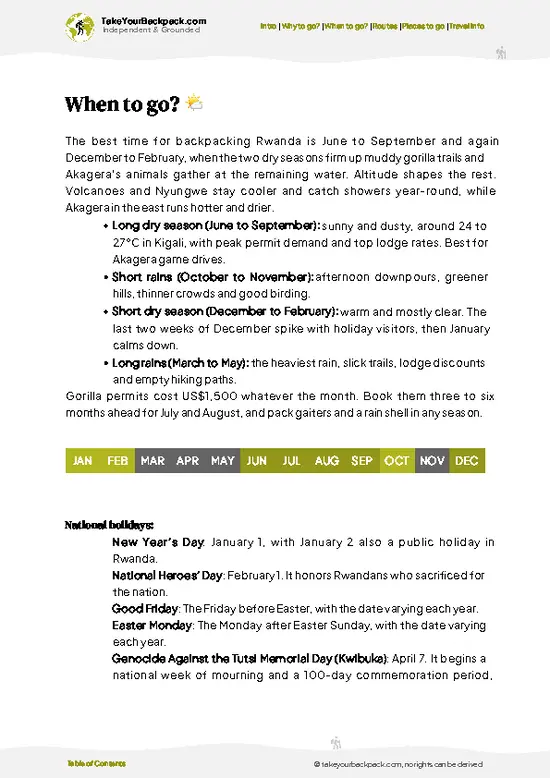
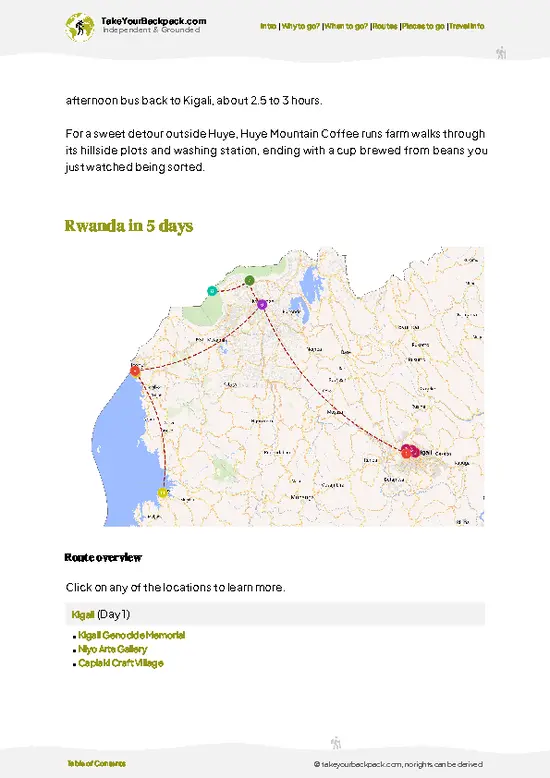
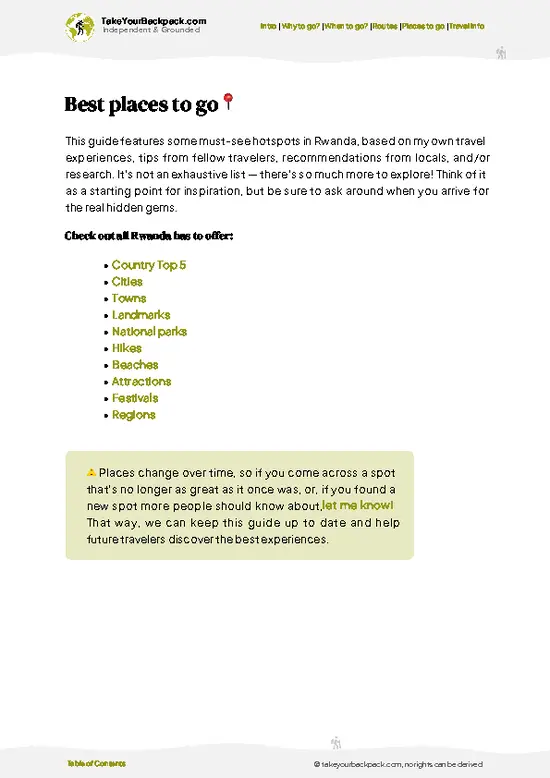
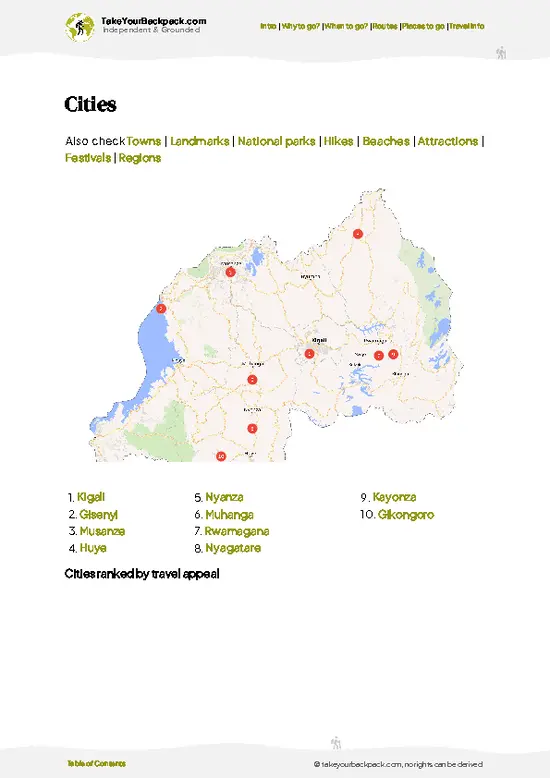
✈️ The backpacker research shortcutRwanda Travel Guide

An offline-friendly backpacking guide with optimized travel routes, ranked highlights, transport advice, and the best areas to stay.
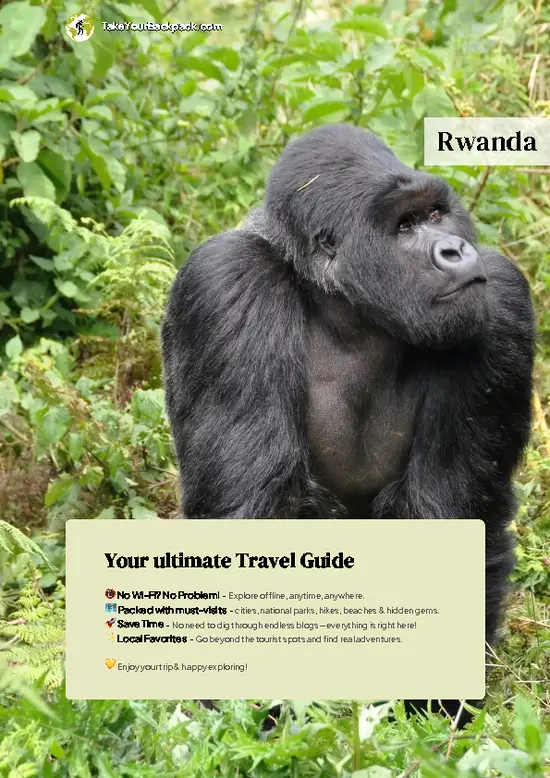
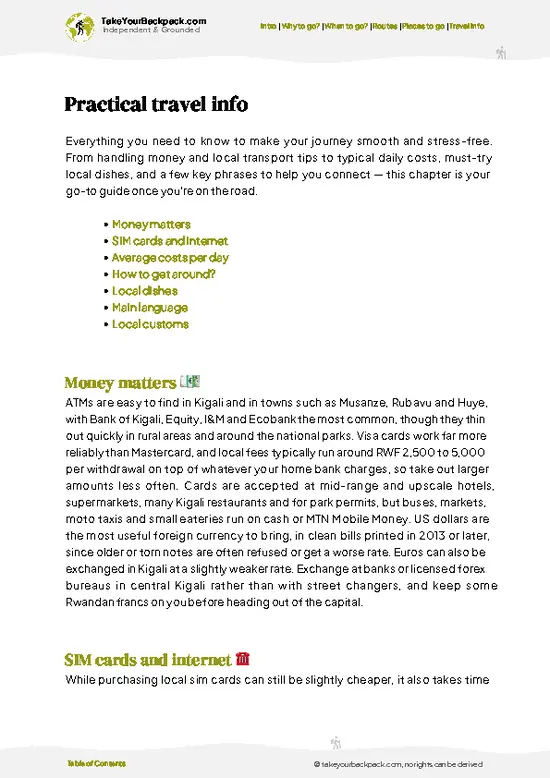
example page 0 from our offline Travel Guide for Rwanda
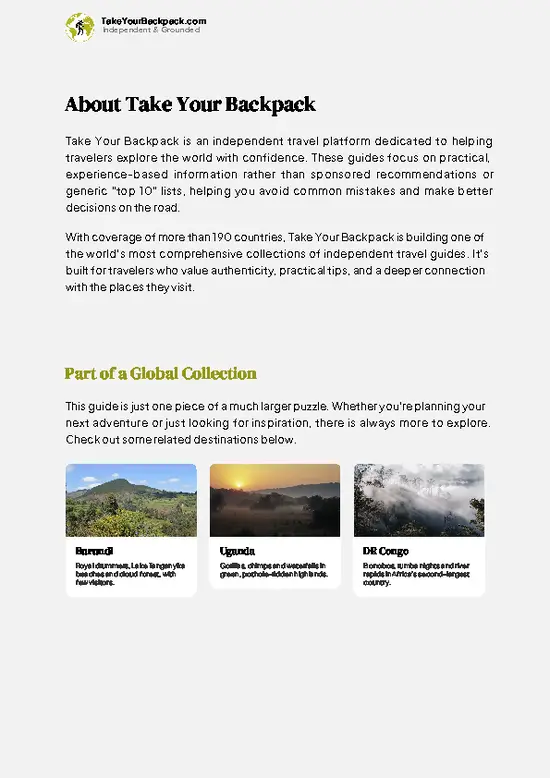
example page 1 from our offline Travel Guide for Rwanda
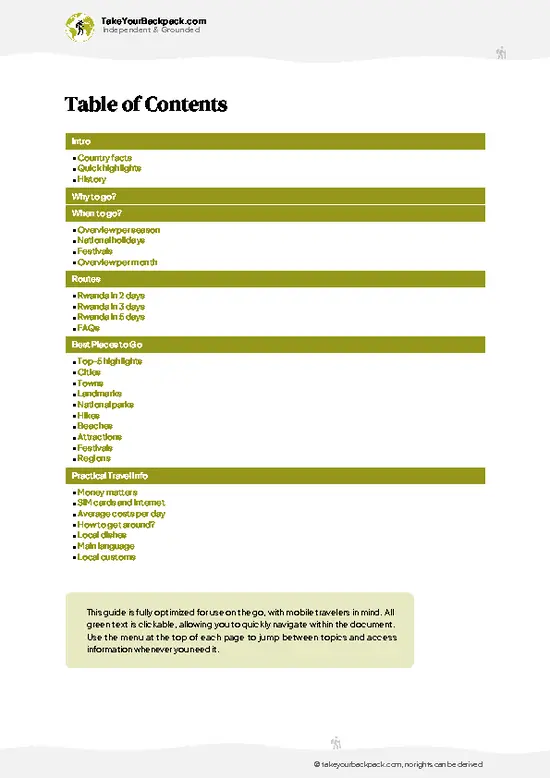
example page 2 from our offline Travel Guide for Rwanda
example page 3 from our offline Travel Guide for Rwanda
example page 4 from our offline Travel Guide for Rwanda
example page 5 from our offline Travel Guide for Rwanda
example page 6 from our offline Travel Guide for Rwanda
example page 7 from our offline Travel Guide for Rwanda
The digital guide (246 pages) contains:
61 highlights, ranked by travel appeal
Optimized 2, 3 & 5-day travel routes
Cities, national parks, landmarks, beaches
How to get around
Offline-friendly for travel without Wi-Fi
👉 Click to see all 30+ guide features

📅 Plan smarter in minutes, not weeks
Month by month travel advice
Festivals & national holidays
Budget expectations

🗺️ Go to the right places, skip the overrated ones
Honest pros & cons of destinations
Top hikes, parks & viewpoints
Lesser-known places most travelers miss
Clear “worth it vs skip it” guidance

🛏️ Travel smoothly without rookie mistakes
Best areas to stay
Transport systems explained simply
Common scams & safety advice
SIM cards, money & practical tips

🌍 Understand the country, not just visit it
Culture & traditions
52 Essential phrases & customs
Festivals worth planning around
Traveler-friendly historical context
Insights that make places more meaningful

📱 Built for real travel conditions
Fully downloadable PDF
Works completely offline
Optimized for phone use
Useful in remote areas & buses
Everything in one place
Save weeks of stressful planning
Get instant access to your full guide. 30‑day money-back guarantee.
+ Add another guide for just US$7.80

By proceeding you agree to our terms.
Sent to your inbox immediately after payment • 100% Secure Checkout
Best Backpacking Travel Advisor 2025 tourism awardBest Backpacking
Travel Advisor
2025
What others say about Take Your Backpack Guides:
⭐⭐⭐⭐⭐
Fantastic, amazing amount of information!
⭐⭐⭐⭐⭐
My goodness this is amazing, it's what I've been looking for hats off too you!
⭐⭐⭐⭐⭐
I think this is absolutely BRILLIANT
⭐⭐⭐⭐
Very complete and informative. It's still missing places, but I gotta to commend you
⭐⭐⭐⭐⭐
This is truly amazing, thank you, can't wait to explore it with my kids!
⭐⭐⭐⭐⭐
Awesome resource, thank you!
⭐⭐⭐⭐⭐
This is amazing! Can't wait to explore the ones I haven't seen
⭐⭐⭐⭐
I love this! Well done, great idea.
⭐⭐⭐⭐⭐
Thanks for taking the time to make this gem!
⭐⭐⭐⭐⭐
This might be the best website I've ever seen.
⭐⭐⭐⭐⭐
Congratulations, and thank you so much for your work; it's incredibly valuable.
⭐⭐⭐⭐
In all seriousness I think you did a great job pointing out the important spots
⭐⭐⭐⭐⭐
10/10 very good
⭐⭐⭐⭐⭐
As someone who's only just starting to visit regularly this is awesome, thank you.
⭐⭐⭐⭐
Thank you very much! I'm going to visit my dad, it's going to be very useful!
⭐⭐⭐⭐⭐
This is really cool! We'll be travelling for the first time and this definitely come in handy.
⭐⭐⭐⭐⭐
You are now our minister of culture, congratulations 👨‍💼
⭐⭐⭐⭐⭐
Just wanted to tell you that this is a pearl! Going to follow your recommendations.
⭐⭐⭐⭐⭐
This is so cool. I'll definitely be using the resource for my travels soon.
⭐⭐⭐⭐⭐
This is very impressive! Good work.
⭐⭐⭐⭐⭐
This is an amazing and informative site. Very well done!

🛏️ Where to stay?Best areas and accommodation options

If you’re backpacking to see the Ethnographic Museum Huye, brace yourself: this isn’t a polished tourist hotspot with endless hostel options or buzzing nightlife. Huye, formerly Butare, is a university town with a quiet, grounded vibe. The reality? It’s small, and the accommodation scene is limited but genuine. You won’t find the usual backpacker party hubs here, but that’s part of the charm.

The best place to stay is right in the town center, close enough to walk to the museum and the university. This area is safe, with a steady flow of students and locals, which means you get a real slice of … read more 👉
If you’re backpacking to see the Ethnographic Museum Huye, brace yourself: this isn’t a polished tourist hotspot with endless hostel options or buzzing nightlife. Huye, formerly Butare, is a university town with a quiet, grounded vibe. The reality? It’s small, and the accommodation scene is limited but genuine. You won’t find the usual backpacker party hubs here, but that’s part of the charm.

The best place to stay is right in the town center, close enough to walk to the museum and the university. This area is safe, with a steady flow of students and locals, which means you get a real slice of Rwandan daily life—not a sanitized tourist bubble. It’s social in a low-key way: local cafés and small eateries where you can strike up conversations with students or shopkeepers. You’ll find budget guesthouses and simple lodges here, places where the owners know your name by the second day and where you can get a solid meal without breaking the bank.

Avoid the outskirts or newer developments—they’re quieter but lack the pulse of the town. Staying central means you’re plugged into the authentic rhythm of Huye, close to the museum and the university’s cultural events. It’s not flashy, but it’s real, safe, and welcoming for solo travelers who want to connect beyond the usual tourist script.

👛 Costs (as of 3 September 2026)What things cost and how to budget

As of the most recent estimates, the entrance fee for international non-residents to the Ethnographic Museum Huye is 10,000 Rwandan Francs (approximately €8 to €10). Additional costs may include guided tours, photography permits, or special exhibitions, which are typically priced separately.

source: rwandaheritage.gov.rw
⚠️ Prices can change and everyone travels differently, so take this as a rough guide. Hope it helps you plan your adventure!

FAQTraveler FAQ

Plan to spend about 1.5 to 2 hours visiting Ethnographic Museum Huye to fully explore the exhibits and understand the cultural context. This allows time to see the traditional artifacts, historical displays, and the surrounding gardens. Guided tours are available and can enhance the experience within this timeframe.
Yes, Ethnographic Museum Huye is worth the entrance fee, which is approximately $5 for foreigners. The museum offers a comprehensive insight into Rwanda's cultural heritage and history, making it valuable for travelers interested in local traditions and anthropology. The quality of exhibits and the informative displays justify the cost.
To get to Ethnographic Museum Huye, take a taxi or moto from Huye town center; it is located about 2 kilometers from the main bus park. The museum is accessible by road and well-signposted, making it easy to reach from Butare town. Public transport options are limited, so private transport is recommended for convenience.
⚠️ Things can change over time, so always validate details locally before you go.

Other Rwandan attractions near Ethnographic Museum Huye

Explore more nearby:


💡 Not sure where to go next?
Create a personalized itinerary for Rwanda including Ethnographic Museum Huye and the places that fit your trip.

Generate my itinerary

👉 Discover all attractions

Or checkout all Rwanda has to offer (think cities, towns, villages, national parks, hikes, beaches, festivals)
Country photo of Rwanda

We 💚 feedbackKey takeaways before you go

The Ethnographic Museum Huye isn’t your typical polished tourist stop. Expect a steady trickle of visitors, not a crush, which means you get space to breathe and actually absorb the stories. The real magic hits when you realize this isn’t just about artifacts—it’s a living conversation with Rwanda’s soul, raw and unfiltered. Don’t come expecting flashy displays; come ready to listen, to feel the weight of history in the quiet corners. That’s where it grabs you, long after you leave.

✍️ Help improve this page!
The information on this page is based on in-depth research, insights shared by experienced travelers, and feedback from the local travel community in Rwanda. While every effort is made to keep the information accurate and current, conditions can change — so if you spot anything incorrect or outdated, please get in touch.


🙋‍♂️ Give feedback

👋 Meet the founderWho’s Behind Take Your Backpack?

Johan, backpacker and founder of TakeYourBackpackHi, I’m Johan (Netherlands 🇳🇱), the creator of TakeYourBackpack. Over the past decade, I’ve backpacked through 80+ countries across six continents, gaining extensive experience with independent travel, long-term trips, and overland routes.

This site is built on a combination of firsthand travel experience and carefully curated insights from other backpackers. Many guides are based on places I’ve personally visited, while others bring together tips, observations, and practical advice shared by trusted travelers I’ve met along the way.

The goal is to provide realistic, experience-driven guidance — not generic itineraries — so you can explore destinations with better context, clearer expectations, and more confidence.

Get full Rwanda guide •
Instant download • 61 highlights • Full Offline guide