
The Thatched Royal Palace (Reconstructed)
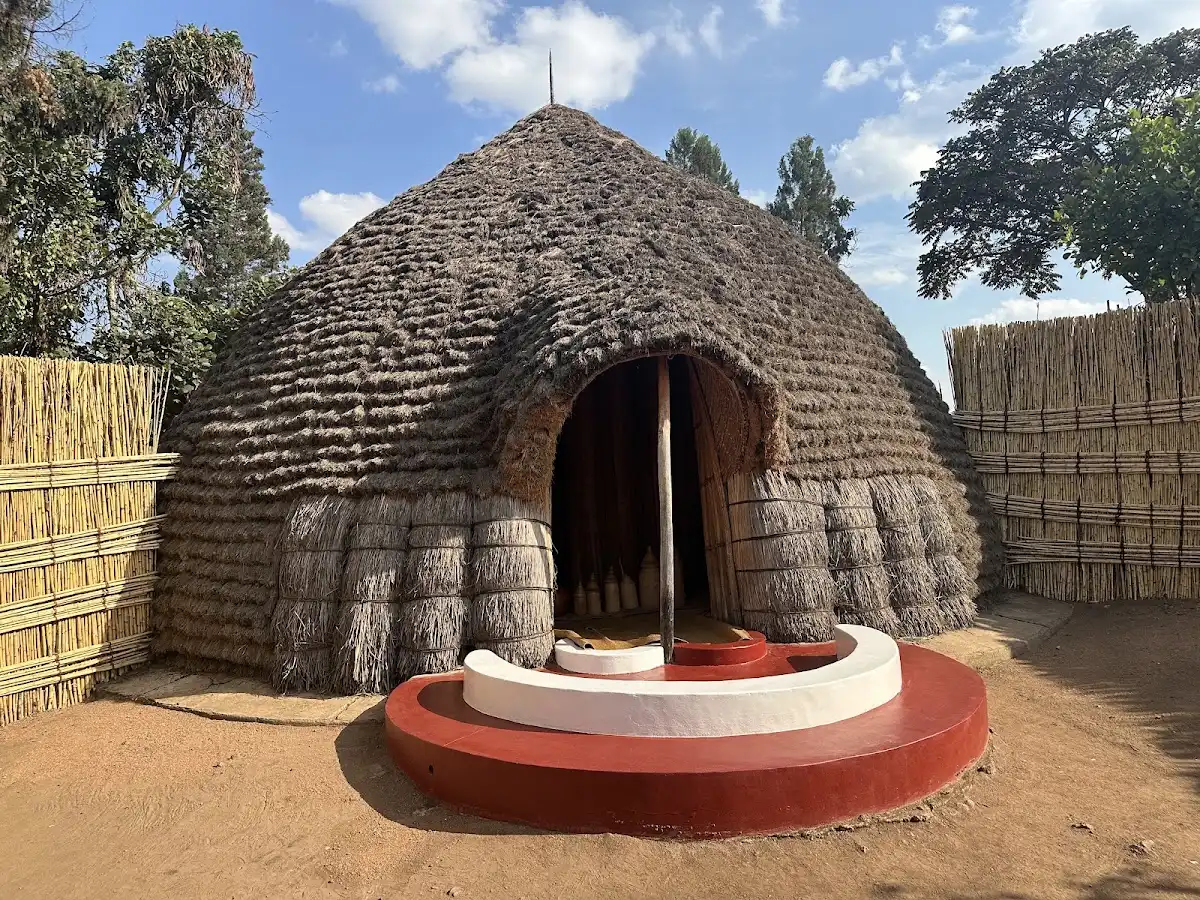
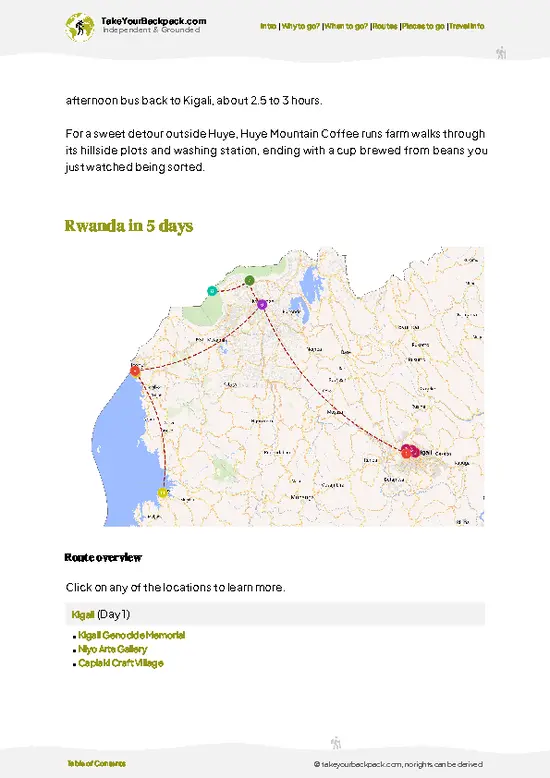
Forget the Instagram-perfect symmetry—this is a living, breathing slice of Rwandan monarchy, not a prop. The thatched palace is a full-scale reconstruction of the traditional royal residence, and it’s not just for show. Step inside and you’re hit with the earthy scent of woven grass and the hush of thick walls that once kept out both heat and prying eyes. The design is ingenious: circular, airy, and surprisingly cool, even in the midday sun. Guides don’t just recite facts—they’ll show you how the king’s quarters were separated from everyone else, and why the architecture is a masterclass in both symbolism and practical comfort. This is the real deal, not a sanitized museum set.
The Royal Cows and Their Keepers (Abagabo b’Inka)
Yes, you’ll see cows. … read more 👉
Forget the Instagram-perfect symmetry—this is a living, breathing slice of Rwandan monarchy, not a prop. The thatched palace is a full-scale reconstruction of the traditional royal residence, and it’s not just for show. Step inside and you’re hit with the earthy scent of woven grass and the hush of thick walls that once kept out both heat and prying eyes. The design is ingenious: circular, airy, and surprisingly cool, even in the midday sun. Guides don’t just recite facts—they’ll show you how the king’s quarters were separated from everyone else, and why the architecture is a masterclass in both symbolism and practical comfort. This is the real deal, not a sanitized museum set.
The Royal Cows and Their Keepers (Abagabo b’Inka)
Yes, you’ll see cows. … read more 👉
The Thatched Royal Palace (Reconstructed)
Forget the Instagram-perfect symmetry—this is a living, breathing slice of Rwandan monarchy, not a prop. The thatched palace is a full-scale reconstruction of the traditional royal residence, and it’s not just for show. Step inside and you’re hit with the earthy scent of woven grass and the hush of thick walls that once kept out both heat and prying eyes. The design is ingenious: circular, airy, and surprisingly cool, even in the midday sun. Guides don’t just recite facts—they’ll show you how the king’s quarters were separated from everyone else, and why the architecture is a masterclass in both symbolism and practical comfort. This is the real deal, not a sanitized museum set.
The Royal Cows and Their Keepers (Abagabo b’Inka)
Yes, you’ll see cows. But these aren’t just any cows—they’re the long-horned Inyambo, bred for elegance and status, not milk or meat. The keepers, dressed in traditional garb, sing to the cows in a melodic, almost hypnotic chant. It’s not a tourist gimmick; it’s a living tradition that’s been passed down for centuries. The cows respond, heads high, as if they know they’re royalty too. If you’re lucky, you’ll catch a demonstration of the cow parade—part performance, part ritual, and absolutely unlike anything you’ll see in a European palace.
The Storytelling Guides
Here’s where the museum leaves most “cultural attractions” in the dust. The guides aren’t bored students or robotic reciters—they’re trained storytellers, often with roots in the region. They’ll weave you through tales of intrigue, betrayal, and royal drama that make Game of Thrones look tame. Ask a question and you’ll get a real answer, not a rehearsed script. The best part? They’re not afraid to talk about the hard stuff—colonialism, power struggles, and the real cost of kingship.
The Colonial-Era Palace
A short walk from the thatched palace, you’ll find the 1930s European-style residence built for King Mutara III Rudahigwa. It’s a jarring contrast—think art deco meets African royalty. The rooms are frozen in time, with original furnishings and a whiff of faded grandeur. This isn’t just a house; it’s a snapshot of Rwanda at a crossroads, caught between tradition and the oncoming storm of colonial influence. The juxtaposition is sharp, and it’s impossible to ignore the tension in the air.
Hands-On Cultural Demonstrations
If you’re expecting dusty displays behind glass, you’re in the wrong place. Here, you can try your hand at traditional crafts—basket weaving, spear throwing, or even grinding sorghum. The staff don’t patronize; they challenge you to get it right, and they’ll laugh with you when you don’t. It’s messy, it’s real, and it’s a reminder that culture isn’t just something you watch—it’s something you do.
Forget the Instagram-perfect symmetry—this is a living, breathing slice of Rwandan monarchy, not a prop. The thatched palace is a full-scale reconstruction of the traditional royal residence, and it’s not just for show. Step inside and you’re hit with the earthy scent of woven grass and the hush of thick walls that once kept out both heat and prying eyes. The design is ingenious: circular, airy, and surprisingly cool, even in the midday sun. Guides don’t just recite facts—they’ll show you how the king’s quarters were separated from everyone else, and why the architecture is a masterclass in both symbolism and practical comfort. This is the real deal, not a sanitized museum set.
The Royal Cows and Their Keepers (Abagabo b’Inka)
Yes, you’ll see cows. But these aren’t just any cows—they’re the long-horned Inyambo, bred for elegance and status, not milk or meat. The keepers, dressed in traditional garb, sing to the cows in a melodic, almost hypnotic chant. It’s not a tourist gimmick; it’s a living tradition that’s been passed down for centuries. The cows respond, heads high, as if they know they’re royalty too. If you’re lucky, you’ll catch a demonstration of the cow parade—part performance, part ritual, and absolutely unlike anything you’ll see in a European palace.
The Storytelling Guides
Here’s where the museum leaves most “cultural attractions” in the dust. The guides aren’t bored students or robotic reciters—they’re trained storytellers, often with roots in the region. They’ll weave you through tales of intrigue, betrayal, and royal drama that make Game of Thrones look tame. Ask a question and you’ll get a real answer, not a rehearsed script. The best part? They’re not afraid to talk about the hard stuff—colonialism, power struggles, and the real cost of kingship.
The Colonial-Era Palace
A short walk from the thatched palace, you’ll find the 1930s European-style residence built for King Mutara III Rudahigwa. It’s a jarring contrast—think art deco meets African royalty. The rooms are frozen in time, with original furnishings and a whiff of faded grandeur. This isn’t just a house; it’s a snapshot of Rwanda at a crossroads, caught between tradition and the oncoming storm of colonial influence. The juxtaposition is sharp, and it’s impossible to ignore the tension in the air.
Hands-On Cultural Demonstrations
If you’re expecting dusty displays behind glass, you’re in the wrong place. Here, you can try your hand at traditional crafts—basket weaving, spear throwing, or even grinding sorghum. The staff don’t patronize; they challenge you to get it right, and they’ll laugh with you when you don’t. It’s messy, it’s real, and it’s a reminder that culture isn’t just something you watch—it’s something you do.
Spotted a mistake or missing something? Contact us.
v2.webp)


Best Backpacking
Hi, I’m Johan (Netherlands 🇳🇱), the creator of TakeYourBackpack. Over the past decade, I’ve backpacked through 80+ countries across six continents, gaining extensive experience with independent travel, long-term trips, and overland routes.