The Presidential Jet Wreckage
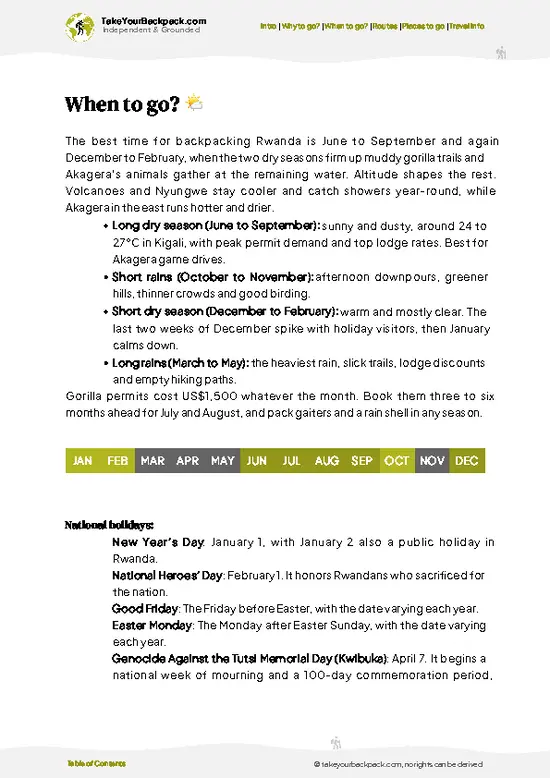
Let’s get real: most art museums don’t have the twisted, scorched remains of a presidential jet in their collection. Here, you’ll find the actual debris from the plane crash that triggered the 1994 genocide—displayed not for shock value, but as a raw, unvarnished artifact of Rwandan history. It’s not pretty, and it’s not meant to be. This is the anti-Instagram moment: standing in front of the wreckage, you’re forced to confront the reality behind the headlines. It’s a gut-punch, but it’s also a rare chance to see history without the filter of nostalgia or tourist gloss.
Contemporary Rwandan Art
Forget the tired “tribal mask” stereotype. The Rwanda Art Museum is a showcase for living, breathing Rwandan artists—painters, sculptors, and mixed-media creators who … read more 👉
Let’s get real: most art museums don’t have the twisted, scorched remains of a presidential jet in their collection. Here, you’ll find the actual debris from the plane crash that triggered the 1994 genocide—displayed not for shock value, but as a raw, unvarnished artifact of Rwandan history. It’s not pretty, and it’s not meant to be. This is the anti-Instagram moment: standing in front of the wreckage, you’re forced to confront the reality behind the headlines. It’s a gut-punch, but it’s also a rare chance to see history without the filter of nostalgia or tourist gloss.
Contemporary Rwandan Art
Forget the tired “tribal mask” stereotype. The Rwanda Art Museum is a showcase for living, breathing Rwandan artists—painters, sculptors, and mixed-media creators who … read more 👉
The Presidential Jet Wreckage
Let’s get real: most art museums don’t have the twisted, scorched remains of a presidential jet in their collection. Here, you’ll find the actual debris from the plane crash that triggered the 1994 genocide—displayed not for shock value, but as a raw, unvarnished artifact of Rwandan history. It’s not pretty, and it’s not meant to be. This is the anti-Instagram moment: standing in front of the wreckage, you’re forced to confront the reality behind the headlines. It’s a gut-punch, but it’s also a rare chance to see history without the filter of nostalgia or tourist gloss.
Contemporary Rwandan Art
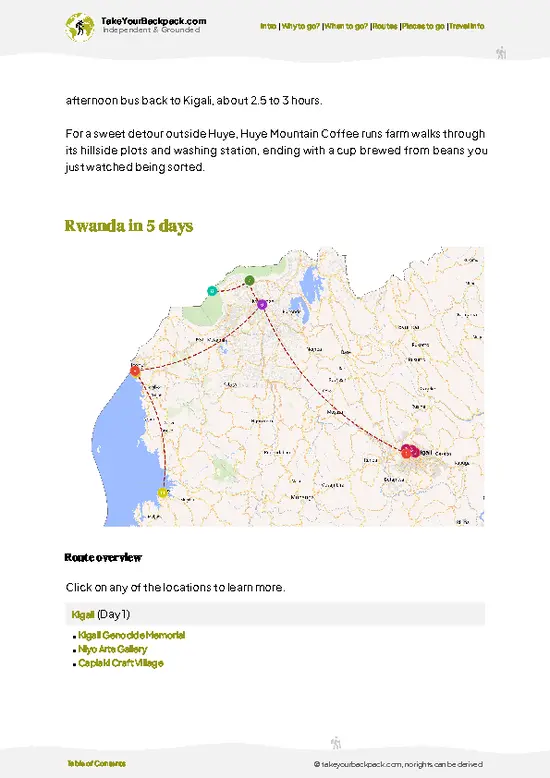
Forget the tired “tribal mask” stereotype. The Rwanda Art Museum is a showcase for living, breathing Rwandan artists—painters, sculptors, and mixed-media creators who are shaping the country’s cultural identity right now. The work here is bold, sometimes confrontational, and often deeply personal. You’ll see everything from abstract canvases that channel post-genocide trauma to playful installations riffing on daily life in Kigali. The point: this isn’t a museum stuck in the past. It’s a living conversation, and you’re invited to listen in.
The Presidential Palace Rooms
Before it became a museum, this building was the home of President Habyarimana. You can still walk through the preserved rooms—think 1970s décor, heavy drapes, and a faint whiff of Cold War paranoia. The contrast between the opulence of the presidential quarters and the gravity of the history outside is jarring. It’s a rare, voyeuristic peek behind the curtain of power, and it’s more gripping than any audio guide could ever convey.
Panoramic Grounds and Aviation Relics
Step outside and you’re hit with a view that’s pure Rwanda: rolling green hills, red earth, and the distant hum of Kigali. Scattered across the lawns are aviation relics—radar equipment, battered engines, and the odd hunk of fuselage. It’s part sculpture garden, part open-air history lesson. If you’re the type who needs a breather after heavy museum content, this is your reset button.
Unfiltered Storytelling
Here’s the real secret sauce: the museum staff. Many are artists themselves or have lived through the history on display. If you’re willing to ask questions (and listen), you’ll get stories that don’t make it into the guidebooks—stories about survival, reinvention, and the stubborn optimism that runs through modern Rwanda. This is the kind of human connection you can’t stage for social media, and it’s what makes the Rwanda Art Museum more than just another stop on the circuit.
Let’s get real: most art museums don’t have the twisted, scorched remains of a presidential jet in their collection. Here, you’ll find the actual debris from the plane crash that triggered the 1994 genocide—displayed not for shock value, but as a raw, unvarnished artifact of Rwandan history. It’s not pretty, and it’s not meant to be. This is the anti-Instagram moment: standing in front of the wreckage, you’re forced to confront the reality behind the headlines. It’s a gut-punch, but it’s also a rare chance to see history without the filter of nostalgia or tourist gloss.
Contemporary Rwandan Art
Forget the tired “tribal mask” stereotype. The Rwanda Art Museum is a showcase for living, breathing Rwandan artists—painters, sculptors, and mixed-media creators who are shaping the country’s cultural identity right now. The work here is bold, sometimes confrontational, and often deeply personal. You’ll see everything from abstract canvases that channel post-genocide trauma to playful installations riffing on daily life in Kigali. The point: this isn’t a museum stuck in the past. It’s a living conversation, and you’re invited to listen in.
The Presidential Palace Rooms
Before it became a museum, this building was the home of President Habyarimana. You can still walk through the preserved rooms—think 1970s décor, heavy drapes, and a faint whiff of Cold War paranoia. The contrast between the opulence of the presidential quarters and the gravity of the history outside is jarring. It’s a rare, voyeuristic peek behind the curtain of power, and it’s more gripping than any audio guide could ever convey.
Panoramic Grounds and Aviation Relics
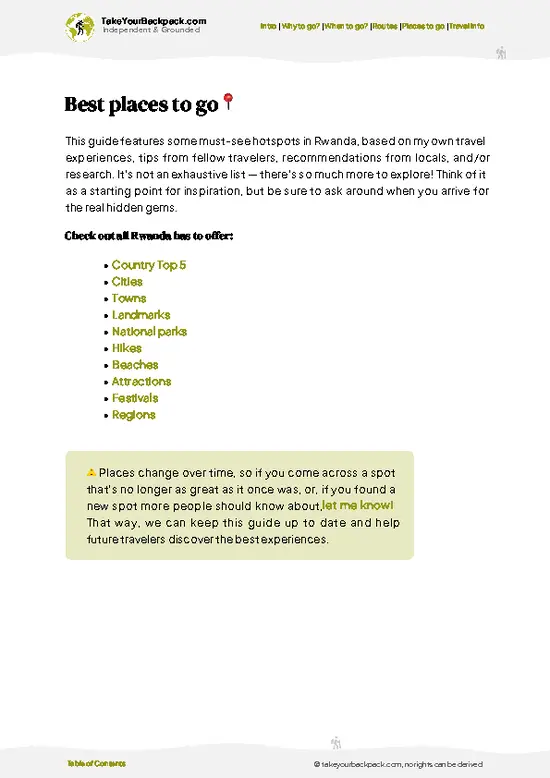
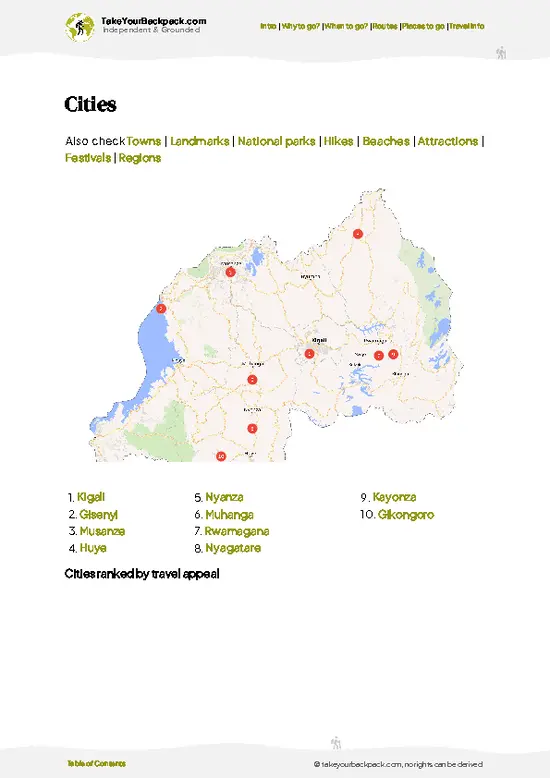
Step outside and you’re hit with a view that’s pure Rwanda: rolling green hills, red earth, and the distant hum of Kigali. Scattered across the lawns are aviation relics—radar equipment, battered engines, and the odd hunk of fuselage. It’s part sculpture garden, part open-air history lesson. If you’re the type who needs a breather after heavy museum content, this is your reset button.
Unfiltered Storytelling
Here’s the real secret sauce: the museum staff. Many are artists themselves or have lived through the history on display. If you’re willing to ask questions (and listen), you’ll get stories that don’t make it into the guidebooks—stories about survival, reinvention, and the stubborn optimism that runs through modern Rwanda. This is the kind of human connection you can’t stage for social media, and it’s what makes the Rwanda Art Museum more than just another stop on the circuit.
Spotted a mistake or missing something? Contact us.
v2.webp)


Best Backpacking
Hi, I’m Johan (Netherlands 🇳🇱), the creator of TakeYourBackpack. Over the past decade, I’ve backpacked through 80+ countries across six continents, gaining extensive experience with independent travel, long-term trips, and overland routes.