v2.webp)
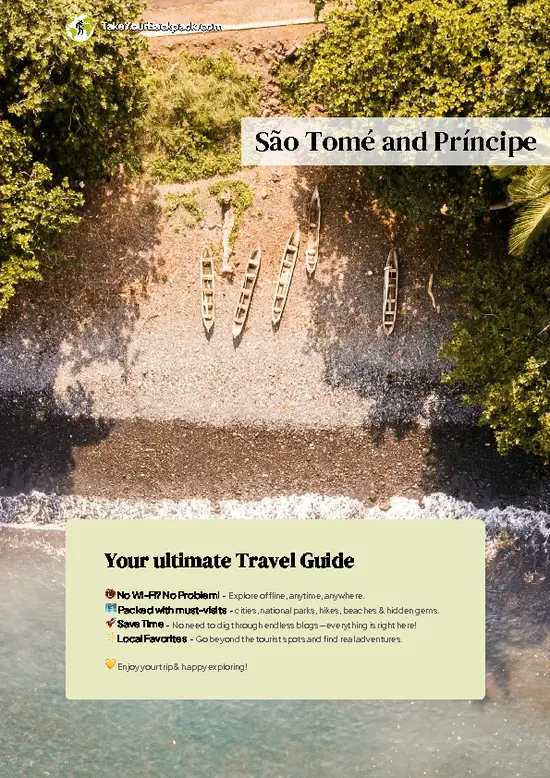
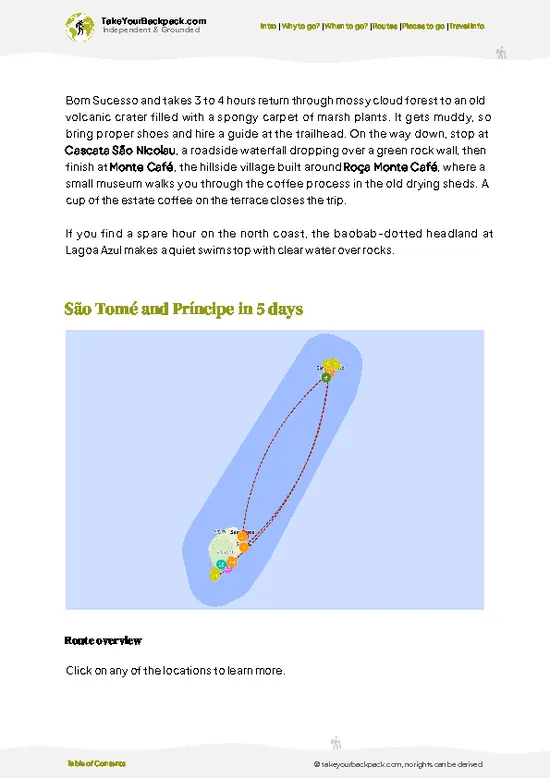
- The fish landing on the beach: this is what the town is known for. Fishermen haul in canoes and sort the catch on the sand while buyers haggle, mostly early in the morning. Go before 9:00 when the haul is freshest. It is free and an hour is plenty. Ask before photographing people.
- The local market: a modest, noisy spread of fish, bananas, breadfruit, cassava, peppers and cocoa products. Mornings are best, before the heat. Budget €1 to 3 for fruit or snacks and about 45 minutes. It is a good place to practice a few words of Portuguese.
- Roça São João dos Angolares: the old plantation settlement, with its worn colonial-era buildings and workers’ housing, shows how cocoa and coffee estates once organized life on the island. Late afternoon light is gentler and the heat eases. Walking around is usually
- The fish landing on the beach: this is what the town is known for. Fishermen haul in canoes and sort the catch on the sand while buyers haggle, mostly early in the morning. Go before 9:00 when the haul is freshest. It is free and an hour is plenty. Ask before photographing people.
- The local market: a modest, noisy spread of fish, bananas, breadfruit, cassava, peppers and cocoa products. Mornings are best, before the heat. Budget €1 to 3 for fruit or snacks and about 45 minutes. It is a good place to practice a few words of Portuguese.
- Roça São João dos Angolares: the old plantation settlement, with its worn colonial-era buildings and workers’ housing, shows how cocoa and coffee estates once organized life on the island. Late afternoon light is gentler and the heat eases. Walking around is usually free, though a small tip to anyone who shows you around (€1 to 3) is appropriate. Allow 1 to 1.5 hours.
- The seafront and canoe beach: after the landing, the shoreline is a place for a slow walk past drying nets, carved boats and children playing in the shallows. Late afternoon is calmest. It costs nothing and 30 to 60 minutes is enough. Swim only where locals do and watch for currents.
- A calulu or grilled fish lunch: at a family-run eatery, order whatever was landed that day, usually with breadfruit, rice or banana. Midday is the time. Expect to pay about €4 to 8 and take around an hour. Ask early, since dishes are cooked to order.
Spotted a mistake or missing something? Contact us.


 Best Backpacking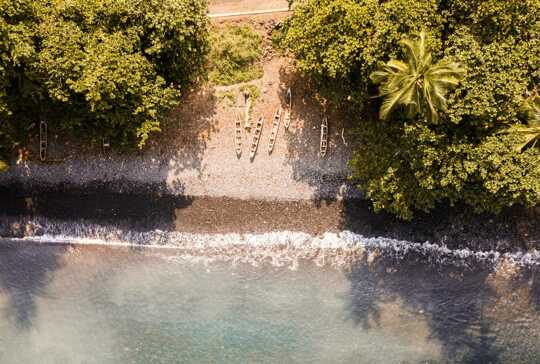
.jpg) Hi, I’m Johan (Netherlands 🇳🇱), the creator of TakeYourBackpack. Over the past 3 decades, I’ve backpacked through 90+ countries across six continents, gaining extensive experience with independent travel, long-term trips, and overland routes.
Hi, I’m Johan (Netherlands 🇳🇱), the creator of TakeYourBackpack. Over the past 3 decades, I’ve backpacked through 90+ countries across six continents, gaining extensive experience with independent travel, long-term trips, and overland routes.